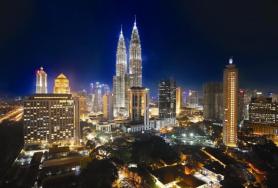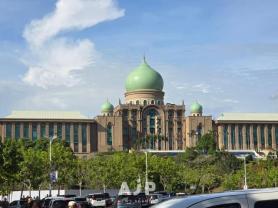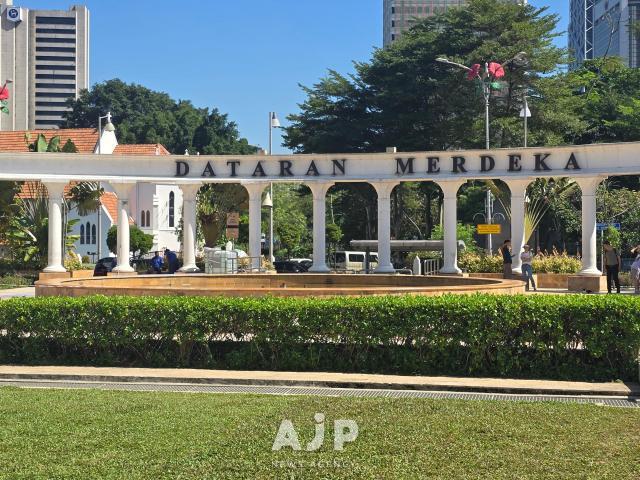
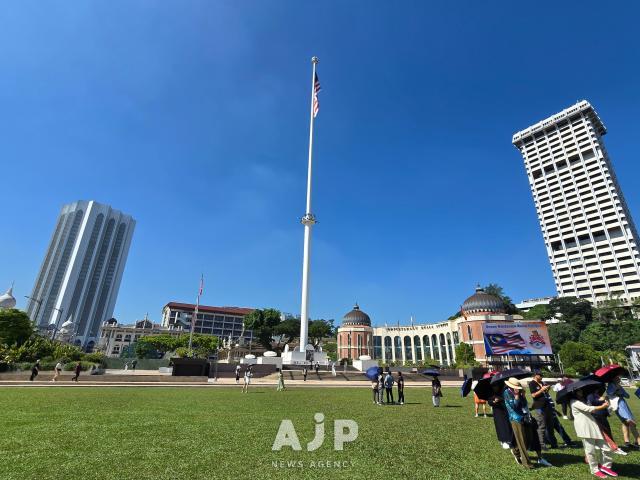
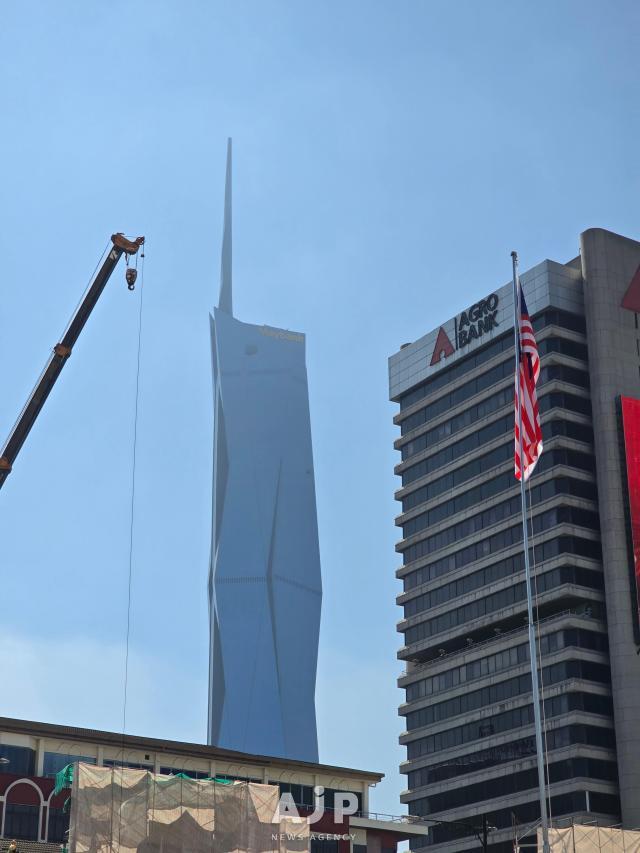
While not particularly large, the square has the highest flagpole in all of Malaysia, with the country's flag standing upright surrounded by its 14 state flags. In the distance, one can easily spot Merdeka 118, the second tallest building and structure in the world. Its distinctive spire resembles Tunku Abdul Rahman's outstretched hand celebrating independence.
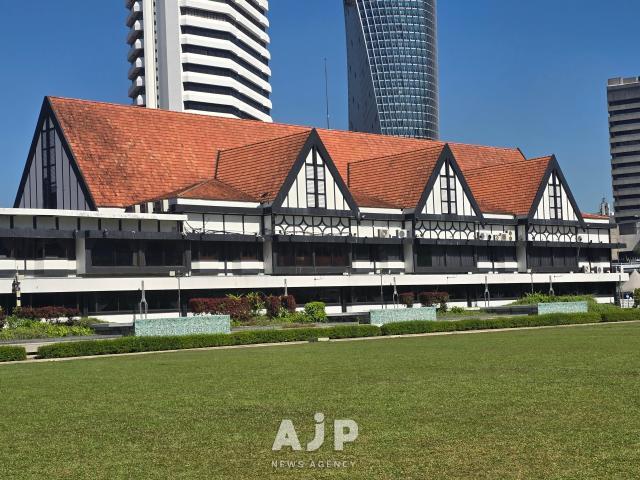
Standing inside the square is the Royal Selangor Club, once a luxurious parlor for British officers to enjoy their afternoons. Now, club membership is awarded to only a handful of prestigious Malaysian giants and tycoons, while the exterior of the building still retains its red and white appearance.
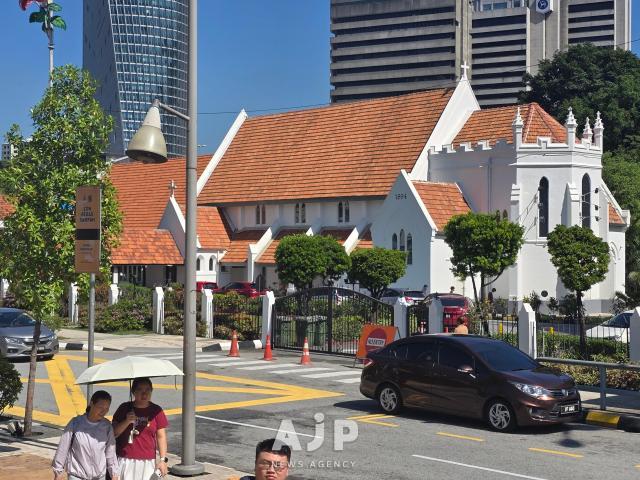
Next to the clubhouse stands St. Mary's Cathedral, one of the few centers for Anglican believers in a nation dominated by Muslims.
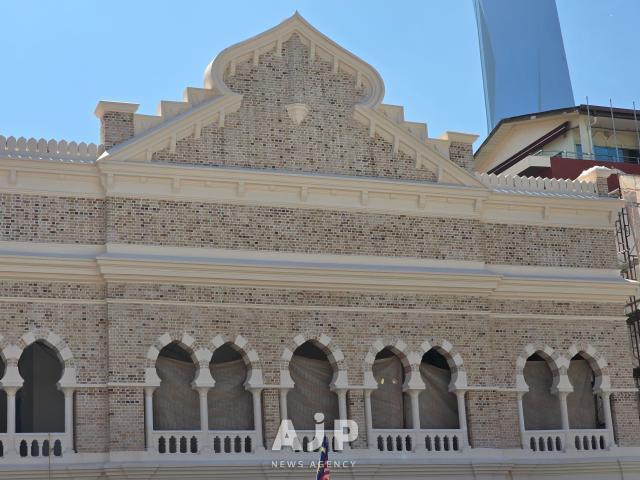
Around the corner stands the Bangunan Sultan Abdul Samad Building, once a symbol of British colonial administration. The building is now undergoing renovation to preserve its history—a painful yet significant part of Malaysia's past. From an aerial view, the building is shaped like the letter 'F,' standing for 'Federal.'
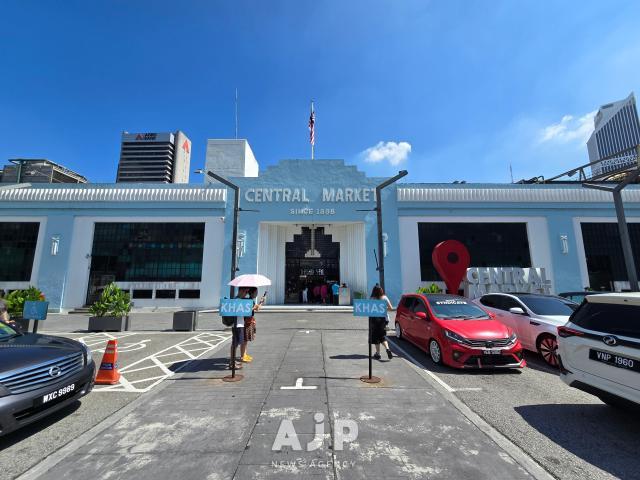
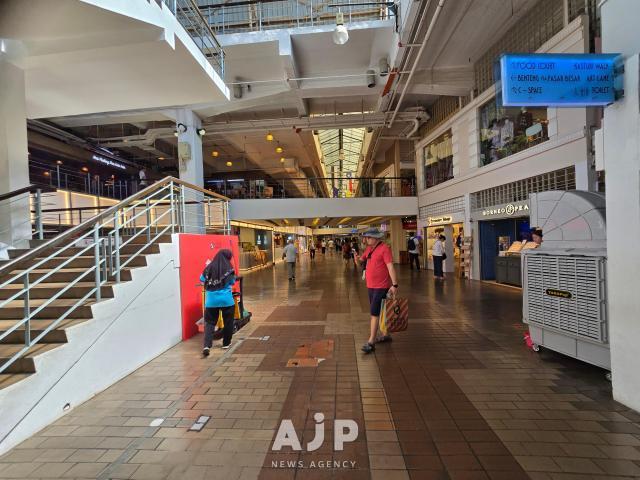
Walking downtown, one can spot the Central Market Kuala Lumpur, once a so-called 'wet market' selling fish and vegetables in 1888, refurbished in the 1980s as a local shopping center for tourists and Malaysians alike. Gift shops selling souvenirs occupy the first floor, while the second floor has various traditional Batik clothing stores and food stalls.
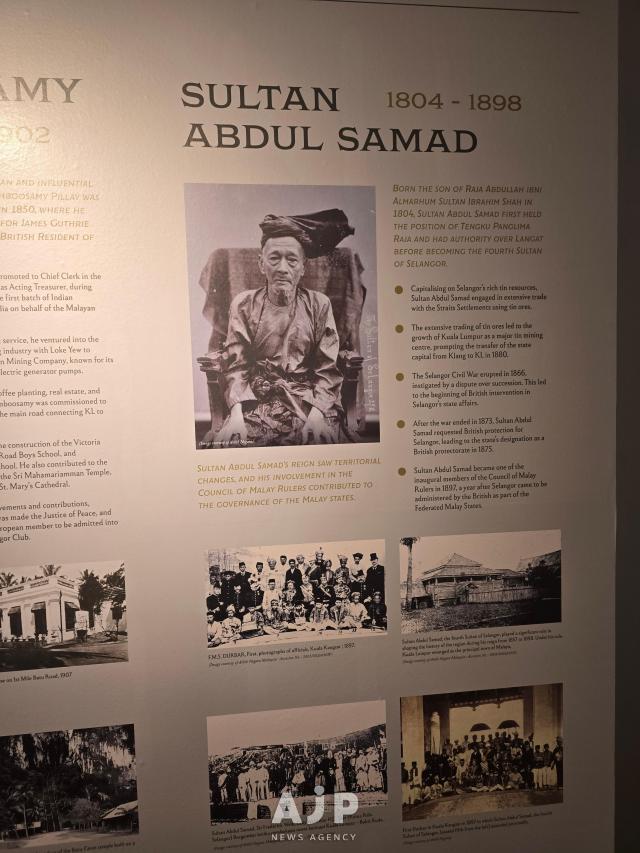
On the second floor is a small history museum portraying the nation's history. During British colonial rule, the Malaysian population consisted mainly of three ethnic groups: the Malays for general farming, Chinese for tin mining, and Indians for rubber harvesting.
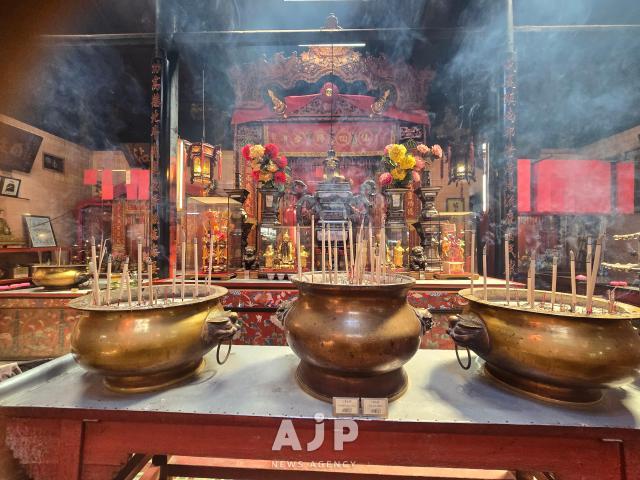
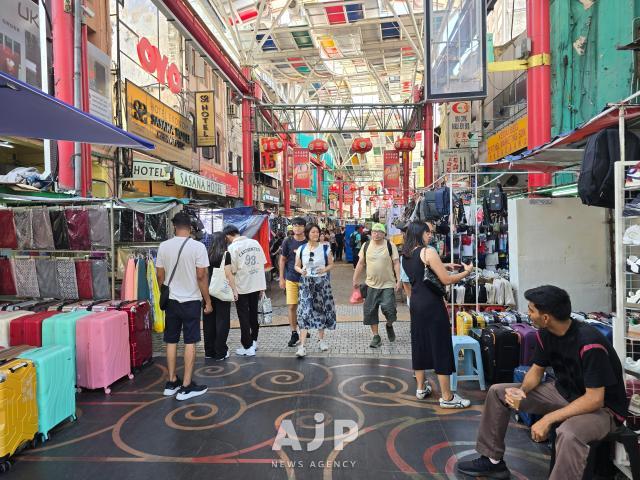
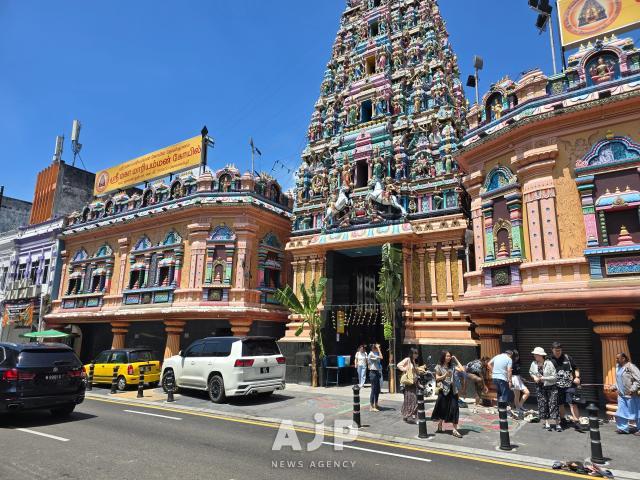
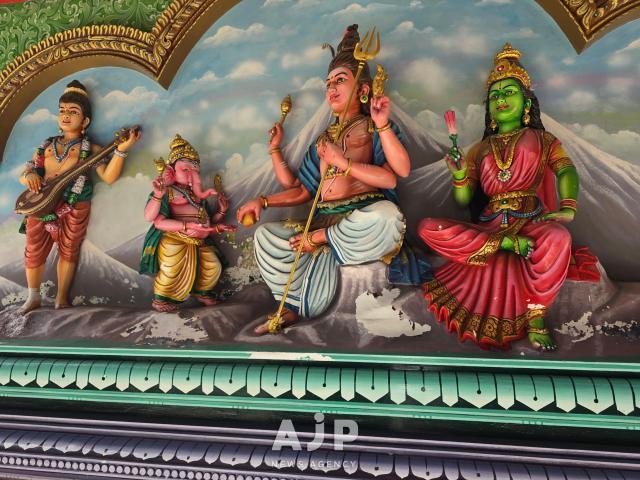
As for the Indians, just a few blocks away stands the Sri Mahamariamman Temple, the oldest Hindu temple in Kuala Lumpur. The outer pillars and decorations all depict different gods of the Hindu religion, serving as a local haven for Indians to find comfort.
Copyright ⓒ Aju Press All rights reserved.