


Latest by
-
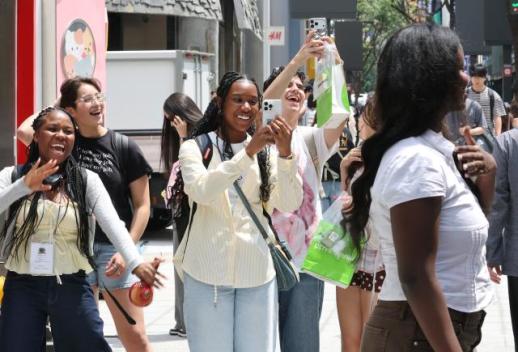 Foreign Tourist Arrivals in South Korea Exceed 10 Million, Boosted by K-Beauty This year, South Korea has welcomed over 10 million foreign tourists in the first half, marking a significant growth in the tourism market. Spending by these visitors has also increased, with monthly credit card expenditures reaching record highs, prompting the government to promote K-beauty to further enhance the quality of the tourism market in the second half of the year. ◆ Credit Card Spending Surpasses 2 Trillion Won for the First Time According to the Ministry of Culture, Sports and Tourism, the number of foreign tourists visiting South Korea surpassed 10 million as of June 20, the third weekend of June. This figure was achieved about a month earlier than last year's milestone, which was reached in mid-July. From January to May, the cumulative number of visitors stood at 8.717 million, a 21% increase compared to the same period last year. The rise in tourist numbers has coincided with increased spending. In May, foreign tourists' credit card expenditures in South Korea, including online purchases, totaled 2.1222 trillion won. This marks the first time monthly spending has exceeded 2 trillion won since relevant statistics began in 2018. The cumulative credit card spending from January to May also saw a 47.3% increase year-on-year, reaching 7.9845 trillion won. The diversification of the inbound tourism market is also notable. As of May, China (563,600 visitors) and Japan (357,530 visitors) maintained their positions as the largest sources of tourists, while Taiwan (191,795 visitors) saw a 27.6% increase compared to the previous year, and Hong Kong (59,888 visitors) increased by 16.6%. Tourists from the Americas (206,303 visitors) and Europe (149,807 visitors) also rose by 16.5% and 24.1%, respectively, indicating a recovery in long-distance markets. The routes for tourist arrivals are becoming more varied. In May, the number of arrivals at regional airports reached 361,473, a 32.0% increase compared to the same period last year, significantly outpacing the growth rate of arrivals at metropolitan airports (15.7%). This suggests a shift in demand from metropolitan areas to regional destinations. ◆ K-Beauty Festival to Enhance Tourism Demand The government plans to continue this growth by prominently featuring K-beauty, which is highly favored by foreign tourists. The Ministry of Culture and the Korea Tourism Organization will host the 2026 Korea Beauty Festival from June 24 to July 19 at the Hi-Ker Ground in Seoul. The event will feature experiential programs and promotional booths focused on K-beauty, including makeup, hair, medical, and wellness themes, allowing foreign tourists to directly experience Korean beauty culture and purchase related products and services. In collaboration with domestic and international online travel agencies (OTAs), a special exhibition for K-beauty tourism products will run until September 30. This exhibition will showcase over 800 tourism products related to makeup, hair, and skincare, aiming to attract both new and returning visitors. Kang Jeong-won, head of the tourism policy division at the Ministry of Culture, stated, "Despite the rise in fuel surcharges due to the Middle East situation, the total number of foreign visitors to South Korea has increased by 21% compared to last year by May, and we have surpassed 10 million in mid-June, demonstrating a solid growth trend in inbound tourism. We will expand cooperation with private sectors, including K-pop artists and export companies, to promote the appeal of Korean tourism to more foreign visitors."* This article has been translated by AI. 2026-06-24 09:12:00
 -
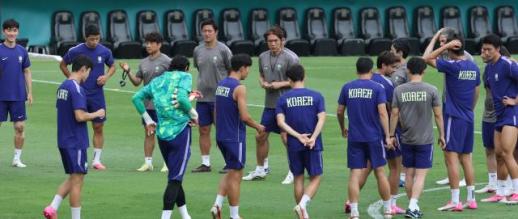 JTBC Faces Suspension of World Cup Broadcasts Over Unpaid Fees 2026 FIFA North America World Cup broadcaster JTBC is reportedly facing a potential suspension of its remaining match broadcasts due to unpaid broadcast rights fees. Japanese media outlet TBS News reported on June 23 that JTBC, which is responsible for airing all World Cup matches in South Korea, has failed to pay a portion of the broadcast rights fees owed to FIFA, the tournament's organizing body. TBS highlighted that JTBC is experiencing severe financial difficulties. The network secured domestic broadcasting rights for the tournament for approximately $125 million (about 190 billion won) but encountered challenges in negotiating resale rights with the three major terrestrial broadcasters (KBS, MBC, and SBS). Ultimately, JTBC signed a joint broadcasting contract with KBS, but the amount paid by KBS to JTBC for the rights was reportedly around 14 billion won. Due to difficulties in monetizing these rights, JTBC has applied for corporate rehabilitation proceedings in court last week. TBS warned that if the unpaid broadcast rights fees are not settled by the deadline, there is a risk that TV broadcasts in South Korea could be completely halted starting with the Round of 32 matches on June 29. The uncertainty also extends to the viewing of matches involving the South Korean national team, which is aiming for advancement to the knockout stage. Under the guidance of coach Hong Myung-bo, the team currently holds a record of one win and one loss in Group A. The outcome of their final group match against South Africa on June 25 at Monterrey Stadium will determine their advancement to the tournament. Even if the team qualifies for the Round of 32, fans may face a situation where they cannot watch the matches at home if negotiations over broadcast rights fail. TBS quoted a JTBC representative stating that a company official is currently in Switzerland negotiating with FIFA regarding the continuation of broadcasts. However, JTBC reportedly told TBS that it could not confirm this information.* This article has been translated by AI. 2026-06-24 09:08:00
 -
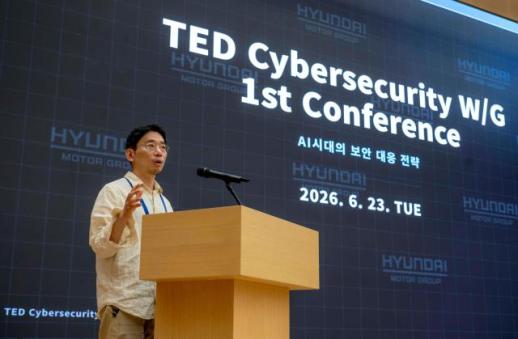 Hyundai and Kia Launch Cybersecurity Working Group Amid Global AI Threats Hyundai Motor and Kia announced the establishment of a Cybersecurity Working Group within the Korea-U.S.-Japan economic dialogue (TED) and held its inaugural seminar at their headquarters in Yangjae-dong, Seocho-gu, on June 24. TED brings together key leaders from the political and business sectors of South Korea, the United States, and Japan to explore opportunities for democracy and shared prosperity, while discussing comprehensive strategies for economic development and national security. Hyundai and Kia took the lead in forming the Cybersecurity Working Group, which is the first subgroup created based on a specific topic within TED. As the boundaries between virtual and physical spaces blur, cyberattacks are becoming increasingly frequent and complex. Additionally, the widespread adoption of AI and IoT technologies raises the potential for damage to spread among interconnected companies within supply chains. The automakers plan to regularly share security trends, operational experiences, and best practices among TED member companies from various countries and industries to enable a coordinated response to global cyber threats. The first seminar, titled "Security Response Strategies in the Age of AI," featured participation from working group members and professors from prominent domestic universities, who shared the latest trends and strategic case studies in cybersecurity, followed by expert discussions on security in the AI era. A representative from Hyundai and Kia stated, "As global supply chain connectivity increases, cross-border cybersecurity responses are essential. We hope this working group will establish a practical security cooperation framework." Meanwhile, Hyundai and Kia have been sponsoring TED since 2023 to strengthen the strategic partnership among South Korea, the United States, and Japan, while creating a forward-looking new relationship.* This article has been translated by AI. 2026-06-24 09:08:00
 -
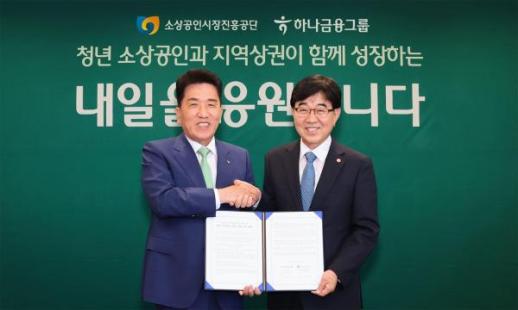 Hana Financial Partners with Small Business Agency to Support Young Entrepreneurs Hana Financial Group is collaborating with the Small Business Market Promotion Agency to discover and support young entrepreneurs. The initiative aims to invest 5 billion won (approximately $4.2 million) over the next four years to help young small business owners establish themselves and revitalize local markets.On June 24, Hana Financial announced the signing of a memorandum of understanding with the Small Business Agency to launch the 'Hana On, Youth On' project.The two organizations plan to identify and nurture about 4,000 small business establishments across 60 local markets nationwide by 2029. To achieve this, Hana Financial will allocate a total of 5 billion won to support capacity-building training for small businesses, market revitalization projects, and integrated promotional efforts.The initiative includes online training focused on digital utilization, customer management, and business operations, as well as offline training covering policy understanding, sales strategies, and collaboration methods to enhance the management capabilities of young small business owners.Additionally, young entrepreneurs will be involved in planning and operating joint projects tailored to the characteristics of their local areas. Selected teams will receive funding along with support for night markets, discount events, local festival programs, joint facility improvements, sales strategy consulting, and the creation of online and offline promotional content tailored to their markets.Ham Young-joo, Chairman of Hana Financial Group, stated, "This collaboration aims to invigorate local markets through the growth of young small business owners and ultimately create sustainable local markets led by youth. Hana Financial will work together to support the growth and advancement of small businesses, which are the backbone of the local economy and support for the livelihoods of the people."* This article has been translated by AI. 2026-06-24 09:08:00
 -
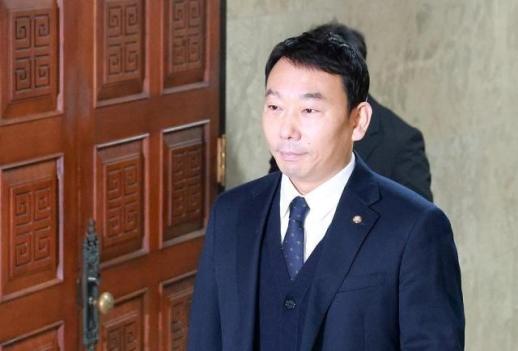 Kim Yong-min Calls for Appointment as Justice Committee Chair Amid Reform Push Kim Yong-min, a member of the Democratic Party, stated on June 24 that "Jung Cheong-rae, the party leader, and Kim Min-seok, the Prime Minister, have expressed their commitment to prosecutorial reform, so I ask to be appointed as the chair of the Justice Committee to discuss this together." In a post on his Facebook page, Kim emphasized that "now is the time for prosecutorial reform." He added, "The party leader and the Prime Minister are in positions of decision-making authority. If they run for the party convention afterward, they will receive even greater support." Kim is known within the party as a strong advocate for prosecutorial reform. On June 22, he also stated, "We must swiftly complete prosecutorial reform," asserting that the appointment of the Justice Committee chair should be made, and discussions should begin in the committee without waiting for the party convention or the formation of new leadership. Additionally, he called for the impeachment of "manipulative prosecutors and political prosecutors," claiming, "If the impeachment is upheld, I will also prohibit them from running in elections." Meanwhile, there are speculations that Kim may run for party leadership at the upcoming convention. He previously mentioned that he was considering a run, stating, "To realize the sovereignty of party members, we must grant the nomination rights for the 2028 general election to the members." However, it appears that if he is appointed as the Justice Committee chair, he may not run for the party convention.* This article has been translated by AI. 2026-06-24 09:08:00
 -
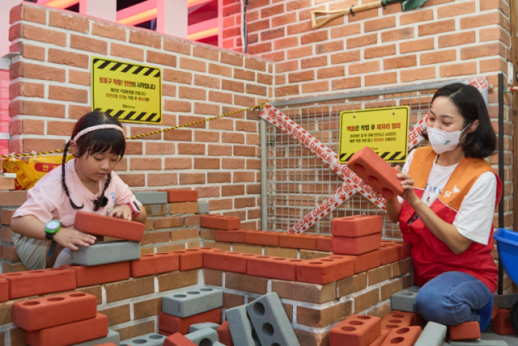 SK Innovation Hosts Job Experience Event for Children with Leukemia and Their Families SK Innovation organized a job experience event for children with leukemia and their families at Kidzania. On June 23, SK Innovation collaborated with the Korea Childhood Leukemia Foundation to host the "2026 Kidzania Experience for Families of Children with Pediatric Cancer," the company announced on June 24. The event aimed to provide children undergoing long-term treatment, who have limited opportunities for social experiences, with a chance to explore their future dreams and foster positive emotions through job experiences. To ensure a safe environment, the entire venue was reserved, particularly important for children whose health requires strict infection control. The event attracted over 400 children and their families, along with volunteers from SK Innovation and social workers from the Korea Childhood Leukemia Foundation. Children participated in various job activities at Kidzania, including roles as firefighters, police officers, flight attendants, chefs, and researchers. They also engaged in group activities with peers, providing social interaction that is often difficult during their long treatment processes. Volunteers from SK Innovation supported the children’s activities and mobility. Some volunteers provided one-on-one assistance to those in need, while also running event booths for tattoo stickers, Lego keychain making, and keycap crafting, allowing for meaningful interactions with the children. One parent at the event remarked, "Seeing my child learn about and experience various professions will create wonderful memories for both my child and our family." For 19 years, SK Innovation has supported treatment costs for children with leukemia and pediatric cancer through its "1% Happiness Sharing Fund," which is funded by voluntary contributions of 1% from employees' salaries. To date, the company has provided approximately 6.7 billion won to assist the treatment of 700 children with serious illnesses. An SK Innovation representative stated, "We hope this job experience will help children cultivate dreams and hopes for their future. We will continue our social contribution activities to ensure future generations can grow up healthy and connect with society." Additionally, SK Innovation participated in sponsoring the "10th National Festival for Individuals with Developmental Disabilities" in March. Beyond this sponsorship, the company operates the "Happy Dream" initiative, which supports the emotional and physical development of children and adolescents with developmental disabilities.* This article has been translated by AI. 2026-06-24 09:04:00
 -
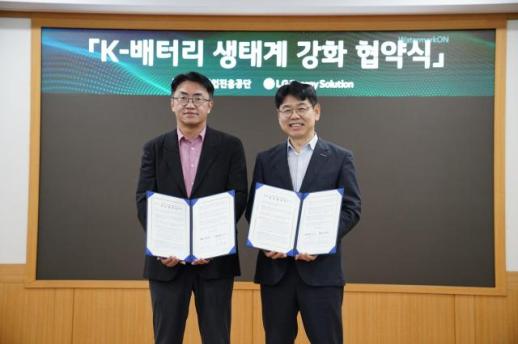 LG Energy Solution and Small and Medium Business Administration Strengthen Domestic Battery Industry LG Energy Solution is collaborating with the Small and Medium Business Administration (SMBA) to enhance the competitiveness of the domestic battery industry ecosystem. On June 24, LG Energy Solution signed a memorandum of understanding (MOU) with the SMBA at its Daejeon Technology Research Institute in Yuseong-gu, Daejeon. This agreement follows the 'K-Battery Open Innovation' program jointly launched by the two organizations in May. The aim is to strengthen the overall competitiveness of the battery industry ecosystem and expand cooperation between large and small businesses. Through this MOU, the two organizations will focus on several initiatives, including identifying and nurturing prominent small and medium-sized enterprises in the battery sector, collaborating on the operation of the open innovation program, supporting the competitiveness of partner companies, and discovering joint projects to invigorate the battery industry ecosystem. Additionally, LG Energy Solution plans to enhance corporate competitiveness by linking various growth support programs from the SMBA to its supply chain partners and will continue discussions on various collaboration strategies to establish a sustainable supply chain. Kim Je-young, Chief Technology Officer of LG Energy Solution, stated, "Sustainable growth in the battery industry begins with a healthy ecosystem where large corporations and small and medium enterprises grow together. Through this agreement, we will further expand our collaboration with promising domestic companies and accelerate growth to enhance the competitiveness of the K-Battery industry." Ban Jeong-sik, Director of Regional Innovation at the SMBA, emphasized, "The infrastructure and support systems of the SMBA, which has achieved the highest rating in public institution growth evaluations for four consecutive years, will create strong synergies with LG Energy Solution's global value chain. We will provide large companies with opportunities to secure future innovative technologies and offer small and medium enterprises a practical ladder to leap onto the global stage, ensuring this becomes a model of successful public-private collaboration." Meanwhile, LG Energy Solution announced last month that it has surpassed approximately 59,000 registered global patents and over 100,000 applications, stating, "We will continue to accelerate future growth based on our core technologies and premium patents."* This article has been translated by AI. 2026-06-24 09:04:00
 -
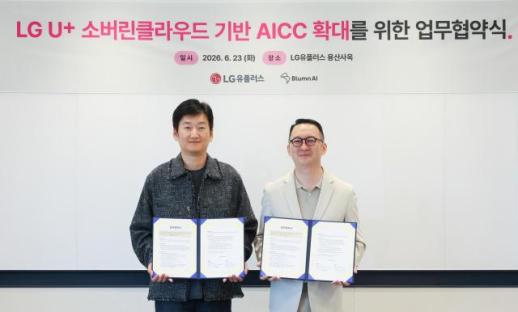 LG Uplus Partners with Blumn AI to Support SMEs in AI Customer Service Transition LG Uplus announced it has signed a strategic memorandum of understanding with Blumn AI to assist small and medium-sized enterprises (SMEs) in easily and efficiently integrating artificial intelligence (AI) technology into their customer service centers. The agreement was finalized on June 23, with Kwon Yong-hyun, vice president and head of LG Uplus's Enterprise Division, and Park Jin-young, co-CEO of Blumn AI, in attendance. Blumn AI offers a range of services, including 'Happy Talk,' 'Call Bridge,' 'Luna M Kakao Notification Talk,' and 'Smart Message Plus,' to approximately 40,000 SME clients. Through this collaboration, LG Uplus plans to incorporate AI technologies such as speech recognition (STT), large language models (LLM), and text-to-speech (TTS) into Blumn AI's key services, enabling corporate clients to manage customer interactions and marketing without needing separate system setups. The partnership aims to reduce the initial setup burden for SME clients and facilitate easier access to AI contact center (AICC) services. AICC refers to next-generation customer service centers that automate and enhance customer interactions using AI technology. Additionally, the collaboration will expand in customer management. Specifically, LG Uplus will integrate its next-generation messaging service (RCS) with Blumn AI's Smart Message Plus, allowing corporate clients to communicate effectively with customers across various channels. LG Uplus plans to implement enhanced security and stable service operations based on its Sovereign Cloud. In the future, the company intends to introduce generative AI technologies, such as LG AI Research's 'EXAONE,' and further develop customized AI services based on its enterprise AI platform, 'ixi Enterprise,' to strengthen service competitiveness. Kwon stated, "We will continue to expand AI-based customer communication services across various industries." Park added, "Through this collaboration, we will strive to enable more SMEs to easily and efficiently utilize AI customer center services." * This article has been translated by AI. 2026-06-24 09:04:00
 -
 Legal Tech Firm Sues Trump Administration Over AI Export Controls A legal technology firm in the United States has filed a lawsuit against the federal government in response to export controls imposed by the Trump administration on access to Anthropic's artificial intelligence (AI) models. According to Reuters, on June 23, California-based Legion LegalTech filed the lawsuit in a federal court in Washington, D.C., arguing that the guidance issued by the U.S. Department of Commerce's Bureau of Industry and Security (BIS) on June 12, which restricts foreign nationals from accessing Anthropic's top AI models, 'Mitos5' and 'Fable5,' is unlawful. Legion is seeking a court order to invalidate and rescind the BIS guidance. The company also plans to request a preliminary injunction to prevent the government from enforcing the directive. Legion develops document drafting and case management software for lawyers and has been utilizing Anthropic's AI models in its platform. However, following the government directive, Anthropic suspended access to these models for all customers to ensure compliance, which also blocked access for team members in Canada, disrupting the company's operations. In its lawsuit, Legion stated, "The harm suffered by the company is immediate, irreparable, and threatens its existence," adding that "the rapid pace of advancement in cutting-edge AI technology means that any competitive edge lost during the suspension of access cannot be regained later." The Department of Commerce and the White House did not immediately respond to requests for comment from Reuters. Anthropic, which is not a party to the lawsuit, reiterated its commitment to working with the administration to resolve the issue as quickly as possible. On June 12, the BIS issued export control guidance prohibiting all foreign nationals from using Anthropic's top AI models, 'Mitos5' and 'Fable5.' In compliance with this directive, Anthropic suspended access to these models for all customers, regardless of nationality, on the same day.* This article has been translated by AI. 2026-06-24 09:00:00
 -
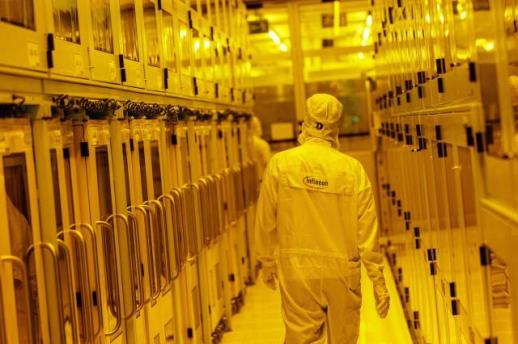 Semiconductor Index (SOX) emerging as key indicator for AI era and global economy SEOUL, June 24 (AJP) - The Philadelphia Semiconductor Index (SOX) has increasingly become a critical leading indicator for the global economy, driven by the rapid expansion of artificial intelligence (AI), cloud computing, and advanced technological industries. Launched in 1993, the SOX tracks the performance of the top 30 largest U.S.-listed companies involved in the semiconductor sector. While the index was historically anchored by traditional giants like Intel and Texas Instruments, its composition has shifted to reflect the modern AI ecosystem. Current key constituents include Nvidia, Advanced Micro Devices (AMD), Broadcom, Taiwan Semiconductor Manufacturing Co. (TSMC), and ASML. The index utilizes a modified market-capitalization-weighted methodology. To prevent any single corporation from disproportionately distorting the index, a capping rule limits the top five ranked stocks to a maximum weight of 8 percent each, while all other individual components are capped at 4 percent. Market analysts note that the SOX frequently functions as a bellwether for broader technology sectors, often preceding movements in the tech-heavy Nasdaq index. The supply chain mapped within the SOX spans the entire semiconductor life cycle: design firms (Nvidia, AMD), software providers (Synopsys, Cadence), equipment manufacturers (ASML, Applied Materials), and foundational foundries (TSMC). Consequently, capital expenditure trends in AI data centers are directly reflected in the financial performance and valuations of these constituent firms. The performance of the SOX also carries significant implications for international markets, particularly South Korea. Although major Korean memory chipmakers, such as Samsung Electronics and SK Hynix, are not listed on U.S. exchanges and therefore excluded from the SOX, their market value remains highly correlated with the index. As dominant suppliers of High Bandwidth Memory (HBM)—a crucial component for AI servers—the Korean companies are deeply integrated into the global semiconductor cycle tracked by the SOX. While the semiconductor industry is historically susceptible to high volatility and cyclical downturns, industry experts emphasize that long-term demand drivers are expanding. The market is currently preparing for a transition toward "Physical AI," which integrates artificial intelligence into tangible applications such as robotics, autonomous vehicles, and smart manufacturing. Regionally, this shift is prompting infrastructural developments. For instance, South Korea's Jeonbuk Province is currently pursuing a physical AI strategy, aiming to establish a testbed that connects AI semiconductors, data centers, and robotic logistics within the Saemangeum Industrial Complex. Despite short-term market corrections and macroeconomic uncertainties, financial analysts suggest that core metrics—including structural demand for GPUs and the expansion of the HBM market—will continue to dictate the trajectory of both the SOX and the broader global technology supply chain. 2026-06-24 08:58:32