
Journalist

Han Jun-gu·Yoo Na-hyun
jungu141298@ajupress.com
-
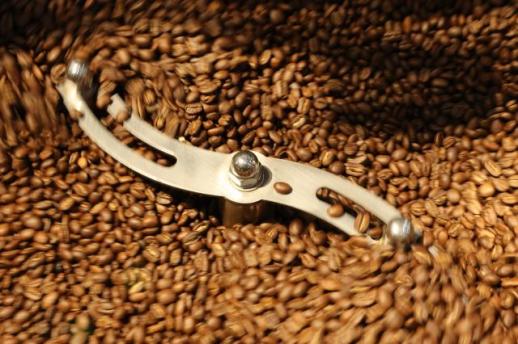 Annual coffee expo brings together industry professionals and coffee enthusiasts in Seoul SEOUL, April 17 (AJP) - A large-scale coffee expo is underway in southern Seoul this week, bringing together industry professionals, baristas, and coffee enthusiasts. Co-hosted by the Korea Coffee Association and COEX, the annual expo, now in its 15th year, kicked off its four-day run on Wednesday and runs until Saturday, showcasing coffee-related machines, equipment, beans, and other products. Under the slogan of "Blend the World," the expo features a special pavilion showcasing coffee brands and products from Viet Nam, selected as this year's guest country of honor. 2026-04-17 15:57:08
 -
 Car exports edge up last month despite Middle East conflict PYEONGTAEK, April 16 (AJP) - South Korea's car exports increased last month despite the prolonged conflict in the Middel East. According to a report by the Ministry of Trade, Industry and Energy on Thursday, the total amount of car exports stood at $6.37 billion in March, up 2.2 percent from the same period last year. Exports of hybrid vehicles drove the increase, surging by over 60 percent, despite a significant decline in shipments to the Middle East. 2026-04-16 17:44:49
 -
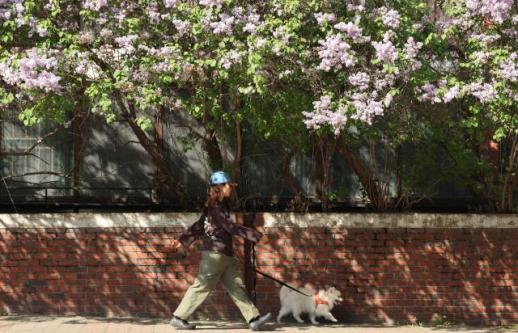 Spring gives way to early summer heat SEOUL, April 16 (AJP) - This year's spring, which had only just begun, has suddenly disappeared, giving way to early summer heat this week, with daily highs hovering above 20 degrees Celsius nationwide. According to the Korea Meteorological Administration (KMA), temperatures in most parts of Seoul and the surrounding metropolitan area soared to 27 degrees Celsius on Thursday, marking one of the warmest levels recorded for April. The unusually high temperatures, compared with seasonal averages, are expected to last through this weekend. 2026-04-16 17:30:42
 -
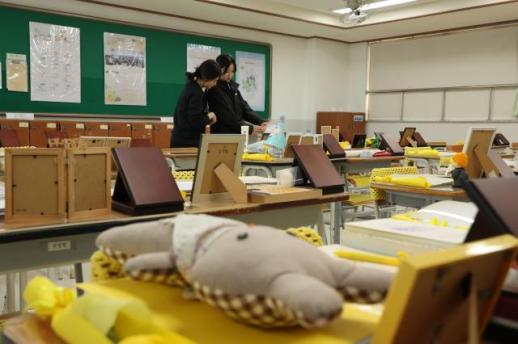 Remembering Sewol classmates, the silence still speaks 12 years later SEOUL, April 15 (AJP) -Desks remain as they were—names etched in pencil, jackets draped over chairs, notebooks opened mid-sentence. Time, here, does not move forward. It pauses, deliberately, asking each visitor to look closer. There are shoes that never made it home, ID cards that still carry smiling faces, and letters that were never meant to be final. Each object resists abstraction. This is not a number, not a headline, but 250 students and 11 teachers whose ordinary morning never found its way back. Visitors walk slowly. Some bow their heads. Others reach out, not to touch, but to feel the distance between then and now. The yellow ribbons—faded but persistent—tie grief to responsibility. The Memorial Classroom is not only about remembrance. It is an insistence. That safety is not an afterthought. That systems must answer for failure. That survival is not left to chance, nor to courage alone. The lesson is quiet, but it does not soften. Nothing here asks to be forgotten. 2026-04-16 07:26:35
 -
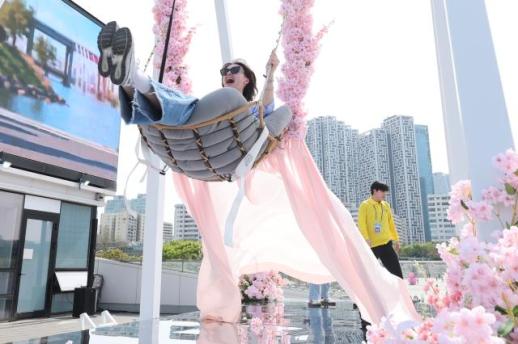 Seoul spring festival turns Han river into a theme park SEOUL, April 14 (AJP) - Seoul's signature spring festival, the "Seoul Spring Festival," has transformed the Han River into a vibrant cultural hub. Running from April 10 to May 5, the iconic seasonal festival is Seoul's premier culture and tourism event that offers visitors trendy experiences involving K-Beauty, K-Fashion, K-Pop, K-Food, and K-Art all in one place. This year's festival takes place along the Han River, featuring diverse programs including a drone light show, the Wonder Show, a large-scale performance combining traditional Korean music, classical music, dance, and K-pop, a Han River carousel, Han River swings installed on building rooftops, and water playgrounds. 2026-04-14 17:32:28
 -
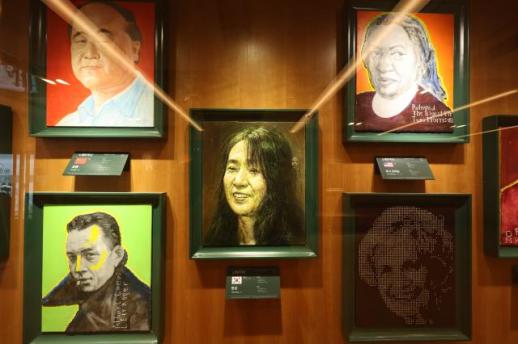 Nobel laureates greet visitors at downtown Seoul bookstore SEOUL, April 14 (AJP) - Portraits of Nobel Prize laureates line the Sejong-ro entrance corridor at Kyobo Book Centre in Gwanghwamun, offering passersby a glimpse of history's greatest minds. Among the portraits displayed are novelist Han Kang, who won the 2024 Nobel Prize in Literature, and Kim Dae-jung, South Korea's 15th president and recipient of the 2000 Nobel Peace Prize. The exhibition brings the achievements of Nobel laureates into the heart of the city, making their legacies accessible to daily visitors of one of Seoul's most prominent bookstores. 2026-04-14 13:57:36
 -
 Soaring fuel costs squeeze fishermen amid prolong Middle East crisis INCHEON, April 13 (AJP) - South Korea's average diesel price soared to 1,986 won (about US$1.34) on Monday amid the prolonged conflict in the Middle East. Diesel for fishing trawlers now costs around 280,000 won per drum (or 200 liters), up about 60 percent from a month earlier, adding to the financial burden on fishermen. 2026-04-13 17:59:56
 -
 South Korea gears up for local elections SUWON, April 13 (AJP) - With just two months left until local elections, large banners have begun appearing across the country, urging voters to cast their ballots. This year's local elections to elect about 4,000 metropolitan mayors, provincial governors and other heads of local governments nationwide are slated for June 3. 2026-04-13 17:49:54
 -
 Statue honoring wartime sex slavery victims accessible without barricade on Wednesdays SEOUL, April 10 (AJP) - A barricade that prevented people from approaching a statue honoring the victims of sexual enslavement during World War II in central Seoul was removed last Wednesday. The statue of an unsmiling girl symbolizing former sex slaves forced to serve Japanese soldiers during the war stands in front of the Japanese Embassy, where victims and their supporters have held protests every Wednesday for decades. It was the first time in about six years that the barricade installed for safety concerns was removed, as police decided to do so during the protesters' gathering hours. Marking the 1,000th weekly protest, the statue was first erected on Dec. 14, 2011, with more statues set up in South Korea and overseas including the one in Glendale, California to spread awareness of Japan's wartime atrocities. 2026-04-10 14:26:17
 -
 Stars of 'The Devil Wears Prada' arrive in Seoul to promote sequel SEOUL, April 8 (AJP) - Hollywood stars Meryl Streep and Anne Hathaway attended a red carpet event to meet South Korean fans in central Seoul on Wednesday, just weeks ahead of the release of their upcoming film. Their visit to Seoul comes as the sequel to their 2006 hit "The Devil Wears Prada" is scheduled for release on April 29. The sequel reunites the original cast in new roles, as they face new challenges and evolving careers in the fashion industry. It remains to be seen whether the much-anticipated global hit, arriving nearly two decades later, will captivate South Korean moviegoers. 2026-04-08 17:52:12