
Journalist

Elizabeth Englezos
-
 Bitcoin Nears $80,000 as Middle East Tensions Ease Bitcoin was closing in on $80,000 on expectations that geopolitical risks in the Middle East may ease. Bitcoin was trading at $79,201 as of 8 a.m. on the 4th, up 0.44% from a day earlier, according to CoinMarketCap. The cryptocurrency had fallen as low as the $66,000 range amid a war between the United States and Iran, but has moved within a roughly $78,000 band over the past week. The latest gains appeared to reflect rising hopes for reduced tensions. Iran recently delivered a new ceasefire proposal to the United States through mediator Pakistan. The United States was reported to have sent its response via Pakistan. Some in the market expect the current trend to continue for now, while noting that because April’s rise was driven largely by futures trading, a price correction could emerge over the coming months. Major altcoins also edged higher. Ethereum, the No. 2 token by market value, rose 0.88% to $2,344. Ripple (XRP), ranked third, gained 0.29% to $1.39. Solana added 0.43% to $84. In South Korea, bitcoin was trading at 117.17 million won (about $79,334) on the won-based exchange Bithumb at the same time, up 0.47% from a day earlier. The so-called “kimchi premium,” in which domestic prices trade above overseas levels, stood at about 0.49%.* This article has been translated by AI. 2026-05-04 08:33:14
 -
 Citi Cuts Samsung Electronics Target Price to 300,000 Won, Citing Labor Risk Global investment bank Citigroup has cut its target price for Samsung Electronics to 300,000 won from 320,000 won, citing an unusual reason: labor risk rather than a semiconductor downturn or weakening technology. Citi said it lowered its operating profit estimates for this year and next by 10% and 11%, respectively, to reflect a heavier burden from bonus-related provisions tied to intensifying labor-management conflict. The move suggests global investors are beginning to price labor issues directly into their view of Samsung Electronics. Samsung Electronics is a pillar of South Korea’s economy. Given its weight in market capitalization, contribution to exports, employment impact and supplier ecosystem, it is more than a single company. If its corporate value is discounted because of labor strife, the ripple effects could be significant, potentially prompting global capital to reassess the broader management environment for Korean companies. The core issue is not simply wage talks. What markets fear is a loss of predictability. Labor costs and performance bonuses can rise; the question is whether the process is managed under clear standards and a long-term strategy. When production schedules are disrupted, cost structures shift abruptly and decision-making is trapped in a prolonged standoff, markets tend to react quickly. Citi’s target cut reflects the cost of that uncertainty. Timing adds to the concern. Samsung Electronics is at a critical turning point as competition intensifies in high-bandwidth memory (HBM), advanced foundry services and next-generation packaging amid the spread of artificial intelligence. Companies in the United States, Taiwan and China are investing heavily. In an industry where even small delays can be damaging, a prolonged internal dispute would benefit rivals. It is not desirable for management capacity to be tied up at the bargaining table in the middle of a technology race. The union, too, needs to face realities. Protecting workers’ rights is legitimate, and calls for fair compensation for performance should be respected. But demands that ignore a company’s sustainability can erode jobs, shareholder value and the capacity for future investment. Global markets judge by numbers, and falling share prices and valuation discounts are the bill. Management should also recognize that if labor conflict has grown this severe, it points to a lack of communication and weakened trust in the compensation system. Samsung Electronics needs to move fully away from past top-down management practices. It needs transparent performance calculations, predictable compensation standards and standing channels for dialogue. Temporary fixes each time conflict erupts are no longer sufficient. The government should not stand aside. This is not an issue that ends as an internal dispute at one company. It is tied to the labor-management model across South Korean manufacturing, global investor confidence and capital-market assessments. While respecting autonomous bargaining under law and principle, it should move quickly to discuss institutional improvements when industrial competitiveness is at risk. Corporate value is not created only on factory floors. It is shaped in labor relations as well as in research, production and markets. Citi’s target cut is a warning beyond the numbers. If Samsung Electronics speaks of widening its technology lead while leaving internal conflict unresolved, its future value — and the premium attached to South Korean industry — is likely to fall. What is needed now is not a contest of strength but a restoration of trust. * This article has been translated by AI. 2026-05-04 08:16:45
 -
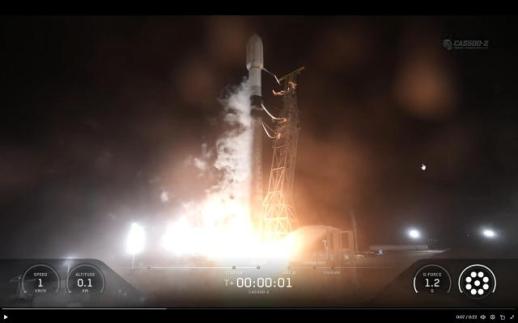 South Korea’s Next-Generation Mid-Sized Satellite 2 Reaches Orbit, Focus Shifts to Next Steps South Korea’s Next-Generation Mid-Sized Satellite 2 has been launched successfully and placed into orbit, with initial communications completed smoothly. The mission is significant because the satellite bus and key payloads were developed with domestic technology, marking a step forward for the country’s satellite industry. The satellite will conduct Earth observation for land management and disaster response. It can image the ground at 0.5-meter resolution in black and white and 2-meter resolution in color, enabling uses such as monitoring wildfires, floods and urban change. Used alongside the already-operational Satellite 1, it is expected to improve data accuracy and speed up response, supporting public safety and administrative efficiency. Still, the achievement should not be overstated as “complete space self-reliance.” While domestic development of the satellite and some core technologies is progress, South Korea remains dependent on foreign launch vehicles. This launch also used a U.S. SpaceX rocket. The nearly four-year delay linked to the Russia-Ukraine war underscored how vulnerable the space sector can be to geopolitical shocks. At this stage, the country is closer to a starting point for partial self-reliance than to full independence. The next task is to build step-by-step capabilities for core infrastructure, including launch vehicles. At the same time, a transitional strategy is needed because reliance on overseas launch services remains difficult to avoid. The article calls for diversifying launch partners beyond any single country or company and spreading risk through international cooperation, combining technology development with diplomatic strategy. The project also highlighted a shift toward greater private-sector leadership. Korea Aerospace Industries (KAI) oversaw development, strengthening a private-centered structure. The article argues that space is no longer an area that can grow on government-led research and development alone and that a market- and company-driven framework is needed for sustainability. However, it cautions against assuming the private sector can solve everything. Space projects require large upfront investment, long payback periods and carry high technical risk. In that environment, the government’s role remains important, but should focus on setting direction and building foundations, while the private sector leads technology development and commercialization. The global landscape is also tightening. Competition in the “new space” era, led by the United States, China and Europe as well as private companies such as SpaceX, has moved into a phase defined by speed and cost. The article says insisting on a “full self-reliance” model for every technology has practical limits. Instead, it calls for a “selective self-reliance” approach: secure strategic core technologies while filling gaps through global cooperation. The article summarizes the launch’s significance in three points: improved satellite development capability, expanded private participation, and a clearer need to overhaul space-industry strategy. It concludes that the key question is whether South Korea can sustain momentum beyond a single launch by continuing investment, sharpening strategy and clarifying the division of roles between government and industry.* This article has been translated by AI. 2026-05-04 08:15:20
 -
 Korea Market Focus: Semiconductor Leveraged ETFs Surge, Up as Much as 14-Fold in a Year ◆Aju Economy Top Stories ▷Semiconductor leveraged ETFs surge; up as much as 14-fold in a year -Korea’s exchange-traded fund market has been led over the past year by semiconductor leveraged products, with some posting returns of more than 1,000%. -Major products, including TIGER 200IT Leverage, track twice the daily move of their underlying indexes and have jumped on expectations for improving semiconductor conditions. -The gains have been supported by rising semiconductor-related indexes as expectations grew for stronger earnings, driven by expanding global AI investment and higher data-center demand. -Leveraged ETFs are designed to deliver 2x daily returns. In rising markets, compounding can amplify gains, but in volatile trading, losses can also widen quickly. -Securities firms have kept a positive view on the semiconductor cycle but said investors should be cautious, citing signs the cycle may be entering a later phase and volatility could increase. ◆Key Reports ▷Korea IPO Market - April IPO review and outlook from May -In April 2026, the IPO market was weak as SPAC listings increased while only two operating companies went public, reflecting a seasonal slowdown. -There were seven listings, slightly above average, but most were on KOSDAQ or SPACs, with none on the main stock market. -Offering size and market capitalization exceeded historical averages, but institutional bookbuilding demand (692:1) and retail subscription competition (1108:1) were below recent averages, signaling cooler sentiment. -Listed companies still posted strong gains: average returns from offering price to opening price were 79.9%, and 174.8% on an annual basis. -The May IPO market is expected to see a sharp drop in both the number of listings and offering size, with a gradual recovery forecast from June. ◆Key filings after the close (30th) ▷Samsung Electronics donated 3.8 billion won to the Ho-Am Foundation last year, up 380 million won from a year earlier ▷Hyundai AutoEver posts 21.2 billion won in Q1 operating profit, down 20.7% from a year earlier ▷Jigu Holdings to raise 1.6 billion won via third-party allotment of new shares ▷Golfzon posts 14.1 billion won in Q1 operating profit, down 47.4% from a year earlier ▷Hyundai AutoEver posts 21.2 billion won in Q1 operating profit, down 20.7% from a year earlier ▷Court holds hearing for JR REITs CEO over rehabilitation filing; assets and claims frozen ◆Fund flows (as of the 29th, excluding ETFs) ▷Domestic equity funds: +25.9 billion won ▷Overseas equity funds: +50.4 billion won ◆Key events today (4th) ▷Eurozone: Sentix investor confidence index (May) ▷United States: Durable goods orders (March) ▷Meeting: Eurozone finance ministers’ meeting ▷Markets closed: China, the United Kingdom, Japan* This article has been translated by AI. 2026-05-04 07:54:20
 -
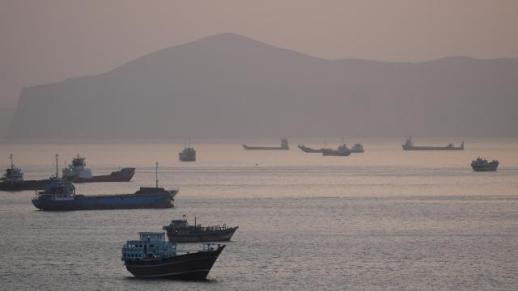 US to launch "Project Freedom" to guide trapped ships through Hormuz SEOUL, May 04 (AJP) -U.S. President Donald Trump said Sunday that Washington would begin guiding commercial vessels out of the Strait of Hormuz after ships became stranded amid the escalating conflict between the United States and Iran, raising fresh attention in South Korea where dozens of vessels and crews remain exposed to the disruption. “Countries from all over the World … have asked the United States if we could help free up their Ships, which are locked up in the Strait of Hormuz,” Trump wrote on Truth Social. He said the United States would help guide ships “safely out of these restricted waterways” so that global trade could resume. The initiative, dubbed “Project Freedom,” is set to begin Monday morning Middle East time, according to Trump and U.S. officials. As of Sunday, 26 South Korean-linked vessels with a total of 173 crew members remain waiting inside the Strait of Hormuz area. Seoul has been monitoring the situation around the clock while coordinating with shipping firms and related authorities to ensure the safety of ships and seafarers. The Seoul government is yet to respond whether it has been notified of the new U.S. venture. A senior U.S. official said the operation would create a coordination framework among governments, insurers and shipping organizations to move vessels through the strategic waterway. The effort does not currently involve direct U.S. Navy escorts for commercial ships, the official added. The move comes as concerns deepen over maritime security in the Gulf after Iran’s Islamic Revolutionary Guard Corps reportedly deployed naval mines in parts of the strait, increasing risks for passing vessels. The Strait of Hormuz handles roughly one-fifth of the world’s oil supply under normal conditions and is considered one of the most critical chokepoints in global energy trade. The latest U.S. initiative is expected to be closely watched in Seoul, as South Korea relies heavily on crude oil imports from the Middle East and prolonged disruptions in Hormuz could sharply affect energy prices, shipping costs and broader supply chains. Trump described the operation as a “humanitarian gesture” for the United States, Middle Eastern countries and Iran, while warning that any interference with the passage effort “will, unfortunately, have to be dealt with forcefully.” 2026-05-04 07:25:02
 -
 Rain and Strong Winds to Linger Into Morning, Then Clear Gradually On Monday, rain and gusty winds will affect parts of the country through the morning, then skies are expected to gradually clear from midday. Yonhap reported that rain will continue into the early morning in the Seoul metropolitan area, inland Chungcheong, eastern Jeolla and Jeju Island. Temperatures are forecast to range from 8-11 C in the morning to 18-21 C in the afternoon. Expected morning lows are 9 C in Seoul, Incheon and Cheongju; 8 C in Suwon; 58 in Chuncheon; 10 C in Gangneung and Daegu; and 11 C in Busan, Ulsan, Changwon and Jeju. Afternoon highs are forecast at 20 C in Seoul, Cheongju, Daejeon, Sejong, Busan and Ulsan; 18 C in Incheon, Gangneung and Jeju; 19 C in Suwon, Chuncheon, Jeonju, Gwangju and Changwon; and 21 C in Daegu. Forecast rainfall totals are 5-30 millimeters in Seoul, Incheon, Gyeonggi and Gangwon; 5-10 millimeters in Daejeon, Sejong, South Chungcheong, North Chungcheong and North Jeolla; and less than 5 millimeters in Gwangju, South Jeolla, southwestern inland and northern North Gyeongsang, and Jeju. Fine dust levels are expected to be in the "good" range nationwide. Most areas are also expected to see strong winds, with peak gusts around 55 kph, or about 70 kph in mountainous areas. Waves are forecast at 1.0-3.5 meters in the East Sea, 0.5-3.0 meters in the Yellow Sea and 0.5-2.5 meters in the South Sea. 2026-05-04 06:09:15
 -
 Korea’s Sleep Industry Booms as Bed Market Splits Between Premium and Budget As inflation persists, more consumers are spending on better sleep, expanding South Korea’s sleep industry. In the bed market, demand is increasingly splitting between ultra-premium products and mid- to low-priced options, a widening polarization trend. The Korea Sleep Industry Association said May 3 that the domestic sleep market grew sharply from about 480 billion won in 2011 to 3 trillion won in 2021 and about 5 trillion won last year. The mattress market, valued at 1.2 trillion won in 2024, is projected to grow 6.7% annually to about 2.3 trillion won by 2033. As the market expands, it is being reshaped around “premium” and “mid- to low-priced” brands. Premium bed maker Simmons has reinforced its leading position with its Beautyrest Black line. Despite prices above 10 million won, monthly sales topped 500 units in March. It was the first time since the line’s 2016 launch that monthly sales exceeded 500. The company said the results reflect a growing focus on sleep quality, along with the product’s comfort and safety. Simmons said it increased research and development spending to about 1.5 billion won last year, up 21% from the previous year, and raised labor costs by 10% as it sought to strengthen competitiveness. Swedish luxury brand Hastens is also stepping up its push into the ultra-high-end segment, expanding and renovating its Apgujeong Galleria store into a “sleep showroom,” even as its top products are priced in the 1 billion won range. The mid- to low-priced market, typically 1 million to 3 million won, is also shifting. Coway has gained traction among single-person households by promoting rental plans that reduce upfront costs and offering regular care services. Sealy and Best Sleep are expanding share with hybrid product lines and customized sleep solutions. Sealy plans to strengthen supply capacity with the completion of an integrated production base in Yeoju in the second half of this year. As these brands advance, Ace Bed, a long-time market leader, has struggled. Its revenue last year fell 2.7% from a year earlier, with bed-segment revenue down more than 6%. Industry officials said prolonged external uncertainty is expected, and that the market’s polarization is becoming a broader survival strategy rather than a passing consumer trend. “Consumers increasingly see sleep as an investment in health, and needs are clearly splitting by purchasing power,” an industry official said. “The mid-priced segment is gradually disappearing, and the structure will deepen, with premium dominated by Simmons and overseas brands and mid- to low-priced led by Coway and Sealy.”* This article has been translated by AI. 2026-05-04 06:05:59
 -
 South Korea to Use AI to Improve Harmful Algae Bloom Forecasts To better respond to recurring summer algae blooms, the South Korean government is introducing an artificial intelligence-based forecasting system. The National Institute of Environmental Research, under the Ministry of Climate, Energy and Environment, said it will begin operating a new algae-bloom forecasting service starting on the 4th. The service combines AI with existing methods to improve forecast accuracy. Until now, major drinking-water sources such as the Mulgeum-Maeri area of the Nakdong River and Daecheong Lake on the Geum River have received algae forecasts based on 3D numerical models, but those models have had limits in reflecting rapidly changing conditions. The institute said climate change has brought rising water temperatures and shifting rainfall patterns, increasing variability in when blooms occur and how severe they become. That has made early forecasting and preemptive response more important, it said. Beginning this year, the institute added AI-based forecasting to its numerical models to improve precision and deliver information more quickly. Monitoring will also expand through the algae alert system. Four additional drinking-water sites — Uiam Lake in the Han River system, Yeongcheon Lake in the Nakdong River system, Yongdam Lake in the Geum River system, and Okjeong Lake in the Yeongsan-Seomjin River system — will be added, bringing the total to 13. The institute plans to expand the number of alert sites to 28 by 2030. Forecast results will be posted regularly on the Mulmoa Platform twice a week from May through October and shared with relevant agencies for use in advance response planning. The institute said it will continue refining the AI model and aims to apply it by 2030 to all nationwide drinking-water sites covered by the algae alert system. Kim Kyung-hyun, head of the institute’s Water Environment Research Department, said combining advanced AI with numerical models will be a key tool to strengthen response to algae blooms. He said the institute will bolster scientific forecasting capabilities to help ensure a clean water environment the public can use with confidence.* This article has been translated by AI. 2026-05-04 06:05:02
 -
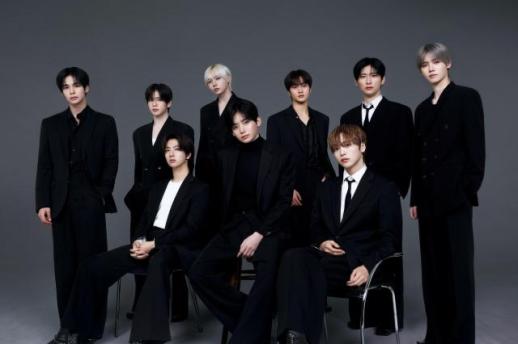 CRAVITY Returns With 'ReDeFINE,' Aiming to 'Redefine' the Group 그룹 크래비티(CRAVITY)는 데뷔 6주년을 앞두고 미니 8집 '리디파인(ReDeFINE)'을 내놓으며 팀의 방향을 다시 세웠다. 두려움과 갈망을 지나 흔들리더라도 앞으로 나아가겠다는 메시지를 전면에 내세웠다. "'리디파인'은 크래비티를 재정의하겠다는 의미기도 합니다. 그동안 사회에 대한 두려움이나 무언가를 향한 갈망과 쟁취를 노래 했다면 '데어 투 크레이브'를 통해 새로 태어나기도 했으니 '리디파인'으로 재정의를 해보면 좋겠다고 생각했어요. 그 사이에서 오는 두려움이 있지만 그 또한 '나'라는 걸 인정하며 흔들리더라도 나아가겠다는 의지를 담았습니다."(형준) 앨범의 핵심 키워드는 그리스 신화의 우로보로스다. 자신의 꼬리를 무는 뱀의 형상으로, 끝과 시작이 맞물린 순환과 재생을 상징한다. "우로보로스가 꼬리를 물며 계속 반복되잖아요. 이 모습을 '끝'이 아닌 '새시작'이라고 표현하고 싶었습니다. 남이 보았을 때는 반복하는 것처럼 보이지만, '완벽한 원'을 그리며 무한하게 성장하고 있다는 뜻이에요. 굳은 의지와 나아가겠다는 의미를 담은 앨범이라고 생각이 되었오 우리의 상황과도 맞물리면서 쉽게 공감할 수 있었어요."(형준) 멤버들은 불안과 두려움까지도 인정하고, 그것을 앞으로 나아가는 힘으로 삼겠다고 말했다. "그동안 활동하며 만족이나 행복도 느껴왔지만 그 사이 불안과 아쉬움의 순간도 있었던 게 사실이에요. 우리가 느끼는 어두운 면들이요. 그런 어두움을 직접적으로 드러내는 게 쉽지는 않았으니까요. 이번 앨범을 준비하며 '재정의'라는 키워드를 통해 완벽하지 않은 나여도 사랑할 수 있겠다는 생각을 했어요. 아쉬움이 생겼을 때 그 감정에 깊이 빠지기보다 아쉬워하는 나 자체도 받아들인다면 좋은 방향으로 나아갈 수 있지 않을까 싶었습니다. 그런 마음으로 몰입해서 작업했습니다."(원진) 올해 데뷔 6주년을 맞은 크래비티는 타이틀곡 '어웨이크(AWAKE)'를 포함해 '헬로-굿바이(Hello-Goodbye)' '피버(FEVER)' '어도어(Adore)' '럽 미 라이크 유 두(Love Me Like You Do)' '봄날의 우리(Spring, with You)'까지 총 6개 트랙을 앨범에 담았다. 멤버들은 작사와 작곡에도 참여했다. "'어웨이크'는 우로보로스를 키워드로 작사하려고 했어요. '끝을 삼킨다'는 가사를 통해 끝을 생각해 본 적 없다, 끝은 곧 시작이다 라는 생각을 가지고 가사를 써내려갔습니다."(세림) "제가 작사·작곡한 '럽 미 라이크 유 두'가 앨범에 담겼어요. 예전부터 크래비티의 곡을 쓰고 싶다고 말해왔는데 1년 만에 팬들에게 보여줄 수 있게 되어서 기뻤습니다. 멤버들의 목소리로 '럽 미 라이크 유 두'를 들을 수 있게 되어서 의미 있는 순간이었던 거 같아요."(태영) 원진과 앨런은 팬송 '봄날의 우리'의 가사를 직접 썼다고 밝혔다. 팬들을 향한 마음을 담는 과정에서 두 사람이 도움 없이 완성할 수 있었다고 설명했다. "우리가 봄에 컴백한다는 이야기를 듣고 '나에게 봄이라는 계절은 뭘까?' 생각해봤어요. 봄은 겨울을 보내고 새로운 시작을 맞이하는 순간이잖아요. 앨범으로 '새로운 시작'을 전해드리고 싶기도 해서요. 저희에게 겨울은 팬분들과 자주 만나지 못하는 비활동기 같은 시간과도 닮아 있는 것 같아요. 떨어져 있는 시간이 길어질수록 더 차갑고 춥게 느껴지기도 하니까요. 그런데 그런 시간이 끝이 아니라 새로운 시작이 될 수 있다는 걸 알려준 존재가 바로 러비티(팬덤명)였어요. 그래서 혹시 누군가 지금 겨울 같은 시간을 보내고 있다면 그 끝에는 늘 봄이 있다는 걸 전하고 싶었고요. 제가 사랑했던 그 모습 그대로 따뜻하게 웃고 있었으면 하는 마음으로 작업했습니다."(원진) "원진이와 함께 작사할 때도 느꼈지만 어려운 지점이 분명 있었어요. 저도 그렇고 원진이도 그렇고 가사를 쓰기 전에 정한 큰 테마에서 자주 벗어나는 편이거든요. 조금 더 깊게 가려고 하고 의미를 더 부여하려다 보면 점점 주제에서 멀어질 때가 있어요. 그런데 결국은 러비티를 위한 노래니까 너무 딥하게만 가지 말자고 생각했어요. 그래서 봄이라는 계절에서 바로 떠올릴 수 있는 이미지들, 조금 더 직접적이고 따뜻한 위로가 될 수 있는 가사들을 많이 담으려고 했습니다."(앨런) 퍼포먼스에 대해서도 강조했다. 한동안 밝은 이미지의 무대를 보여줬다면, 이번에는 데뷔 초의 강한 퍼포먼스를 다시 선명하게 꺼내 들고 싶었다고 했다. 이른바 '퍼포비티'로 불리던 팀의 강점을 되살리겠다는 취지다. "데뷔 초에는 신인다운 마음으로 퍼포먼스에 정말 많이 집중했고, 그래서 '퍼포비티'라고 불러주시기도 했잖아요. 이후에는 청량한 노래와 비주얼이 돋보이는 무대들을 보여드렸다면, 이번에는 재정의와 리브랜딩을 거치면서 다시 그 '퍼포비티'의 색을 살리고 싶다는 마음이 컸어요. 그래서 퍼포먼스에도 더 많이 신경 썼고요. 후렴구에는 중독적인 포인트 안무도 들어가 있습니다. 또 단순한 손동작 하나로 끝나는 게 아니라 안무 선생님이 의견을 주시면 저도 제 생각을 내고, 주신 선택지 안에서 같이 조율하는 식으로 많이 참여했어요. 벌스 부분은 다인원 팀의 장점을 살릴 수 있도록 구성이 들어갔는데, 장면 하나하나가 예쁜 그림처럼 보일 수 있겠다는 생각을 했고요. 그런 과정에서 '이 부분은 팔 동작을 이렇게 수정하면 어떨까' 같은 의견도 내면서 디테일을 함께 만들어갔습니다."(원진) 공개된 뮤직비디오도 팬들의 반응을 얻고 있다고 멤버들은 전했다. 크래비티는 사제가 되기 위한 신학생 역할을 통해 흔들리는 청춘과 성장의 메시지를 담았고, 멤버들이 직접 연기에 참여했다고 했다. "사제가 되기 위한 신학생 역할을 연기했어요. 사제를 완전한 존재로 보았고 신학생은 준비 단계 즉 불완전한 존재로 정의하고 촬영했습니다. '완전하지 않지만 나아간다'는 메시지를 담아보려고 했습니다."(성민) "(뮤직비디오에) 앨범에 담긴 의미가 컨셉추얼하게 딥하게 담겨있었거든요. 앨범에 담긴 뜻깊은 의미가 은유적, 비유적으로 뮤직비디오에 담겨있고 그런 의미를 풀어나가는 과정도 팬들과 소통할 수 있는 앨범 아닐까 생각합니다."(민희) 형준은 과거 인터뷰에서 크래비티를 둘러싼 '낯선 이미지'를 깨고 싶다고 말한 바 있다. 데뷔 6년차에도 여전히 신인처럼 보일 수 있다는 우려였다. 그는 이번에는 다른 기대가 생겼다고 말했다. "그때는 연차가 어느 정도 쌓였는데도 많은 분들이 저희를 여전히 신인처럼 봐주시는 느낌이 있어서, 그런 이미지를 조금은 깨고 싶다는 생각을 했었어요. 그런데 지금은 다크한 콘셉트로 다시 돌아오기도 했고 이 연차에 보여줄 수 있는 멋진 모습이 분명히 있겠다는 기대가 생겼어요."(형준) 데뷔 6년을 지나며 팀은 '선배'라는 호칭도 자연스럽게 받아들이는 시점에 들어섰다고 했다. 7년 차를 앞두고 멤버들은 현장에서 체감한 변화도 전했다. "7년 차가 됐다는 걸 실감한 순간도 있었어요. 최근 ‘아육대’를 했는데, 저희가 출연한 팀들 중 선배 순서로 두세 번째 정도 되더라고요. 그걸 보면서 ‘우리도 이제 연차가 꽤 쌓였구나’ 다시 느꼈어요. 게다가 회사에 후배 아티스트 키키도 생겼잖아요. 그래서 더 자랑스러운 선배가 되고 싶다는 마음으로 열심히 하고 있습니다."(형준) "솔직히 아직까지도 저희가 '선배'라는 게 낯설어요. 동생들이 찾아와서 '선배님'이라고 부르면 '내가 선배…?' 싶기도 하고요. 하하. 아직 어색함이 있는 거 같아요."(정모) "저희가 코로나 팬데믹 시기에 데뷔해서 그런지 우리조차 '벌써 7년차인가?'하고 놀랄 때가 있는 것 같아요. 그만큼 신인의 자체로 초심을 잃지 않고 열심히 준비 할 수 있는 것 같습니다."(원진) 멤버들은 오랜 시간 함께해 온 관계가 팀의 원동력이라고 말했다. 가까운 사이일수록 서로를 객관적으로 바라보고 붙잡아주는 태도가 중요하다고도 했다. "멤버들은 저한테 동료이기도 하지만, 가장 가깝고 자주 보는 가족 같은 존재라고 생각해요. 그렇게 늘 붙어 있으면서도 좋은 관계를 유지하고 일을 하면서 서로 피드백을 주고받으려는 게 중요하다고 느껴요. 가끔은 객관성을 잃게 되는 시기도 있잖아요. 그럴 때 서로를 생각하면서도 결국은 서로를 위한 초심을 잃지 않게 해주는 동료 관계라고 생각합니다." 이번 활동을 앞두고 멤버들은 목표도 밝혔다. "팀에 대한 기준치도 높고 저 자신에 대한 기준치도 높아서 아직은 만족을 못하는 시기인 것 같아요. 그래서 이번에는 빌보드에 올라가고 싶습니다."(태용)* This article has been translated by AI. 2026-05-04 06:03:18
 -
 Trump Rejects Iran’s New 14-Point Counterproposal for War-End Talks U.S. President Donald Trump said Saturday that Iran’s 14-point counterproposal for war-end negotiations was unacceptable, Israel’s public broadcaster Kan reported. In an interview cited by Yonhap News Agency, Trump repeated his rejection of the proposal, saying, “This is not acceptable. I reviewed everything, but it’s not acceptable.” The remarks came after the United States first presented a nine-point plan and Iran responded with a revised 14-point proposal. Earlier Saturday, Iranian Foreign Ministry spokesman Esmail Baghaei said Iran was reviewing the U.S. views delivered through Pakistan and that Iran’s response would be announced after the review. Baghaei said Iran’s 14-point proposal focused on ending the war and stressed that it did not include nuclear issues. Kan also reported that Trump again urged a pardon for Israeli Prime Minister Benjamin Netanyahu, who is on trial on charges including corruption. Trump, referring to Israeli President Isaac Herzog, said, “Tell your president to pardon Bibi,” using Netanyahu’s nickname. “If it weren’t for me and Bibi, Israel wouldn’t exist,” Trump added, saying Israel needs a prime minister who can focus on the war rather than “useless matters.” 2026-05-04 06:00:15