
Journalist

Jeon Woon
-
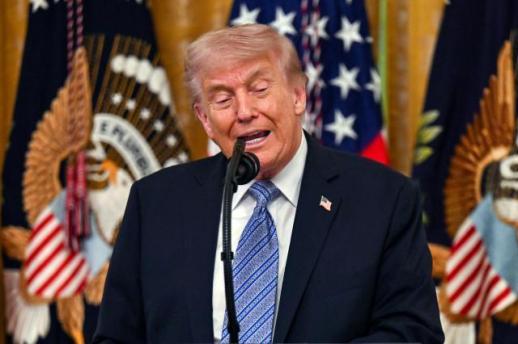 Trump's Net Worth Surges 165% to $6.1 Billion in 18 Months President Donald Trump's net worth has reportedly increased by 165% over the past 18 months, reaching $6.1 billion (approximately 9.2 trillion won), according to a report by The Times. On May 22, The Times cited estimates from Forbes, stating that Trump's net worth has risen to $6.1 billion. Bloomberg's estimates place it even higher at $7.1 billion (about 10.7 trillion won). The valuation of net worth varies based on assessments of private equity, real estate, and virtual assets. The surge in assets has been driven largely by virtual assets. The Times reported that the family's involvement with World Liberty Financial and its related token issuance played a significant role in expanding their wealth. This venture generated approximately $1.4 billion (around 2.1 trillion won) in revenue, with a book value estimated at $2 billion (about 3 trillion won). Additionally, Trump's branding efforts have contributed to the increase in assets. The value of licensing deals for products such as Bibles, mobile phones, and fashion items is estimated at $551 million (about 830 billion won). Existing real estate holdings and shares in Trump Media & Technology Group (TMTG) are also classified as major assets. However, concerns regarding potential conflicts of interest are growing. The Times noted that the intertwining of the presidency, family businesses, and brand value raises worries about blurring the lines between public office and private gain. While Trump's team maintains that they are separating business operations from presidential duties, critics argue that it is difficult to clearly distinguish between the policy influence of a sitting president and the profits of family businesses.* This article has been translated by AI. 2026-05-23 18:07:58
 -
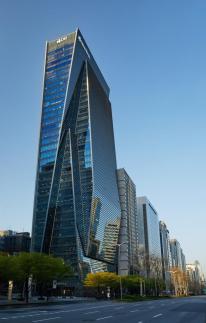 DB Insurance Completes $1.65 Billion Acquisition of U.S. Insurer Fortegra DB Insurance is set to finalize its acquisition of the U.S. specialty insurer Fortegra, a deal originally signed on September 26, 2025. This acquisition, the largest in the industry, is expected to accelerate the company's global expansion efforts. On May 22, DB Insurance announced that it will complete the acquisition of 100% of Fortegra's shares on May 30, 2026. The total value of the acquisition is $1.65 billion, with the final payment to be made to Tiptree and Warburg Pincus LLC on May 30. With this transaction, DB Insurance will become the first South Korean insurer to acquire a U.S. insurance company. DB Insurance entered the U.S. market in 1984, starting with a branch in Guam. The company has pursued a differentiated overseas strategy with the goal of establishing a second DB Insurance in the U.S. The acquisition of Fortegra is a result of this long-term strategy, providing a foothold for entry into the world's largest property and casualty insurance markets in the U.S. and Europe. Founded in 1978, Fortegra is a global insurance group headquartered in Jacksonville, Florida. It offers a portfolio of specialty insurance, credit and guarantee insurance, and related services. Fortegra has consistently demonstrated a stable combined ratio of around 90% and maintains a solid portfolio in insurance and related services. In 2025, Fortegra reported annual gross written premiums of $3.35 billion and a net profit of $160 million. The company operates across the U.S. and in 12 European countries, including the UK and Italy, and holds an A- rating from AM Best. DB Insurance stated, "Through this acquisition, we aim to secure a business platform for global growth by entering the world's largest property and casualty insurance markets in the U.S. and Europe, while enhancing revenue stability through diversification of risks at the national and product levels." Additionally, DB Insurance is focusing on the U.S. as a key overseas market while also establishing offices and investing in local insurers in countries such as China, Indonesia, Vietnam, and Myanmar to lay the groundwork for globalization. Notably, in 2024, DB Insurance plans to acquire stakes in Vietnam National Aviation Insurance (VNI) and Saigon-Hanoi Insurance (BSH), further strengthening its position among the top 10 property and casualty insurers in Vietnam and accelerating its expansion into the Southeast Asian market.* This article has been translated by AI. 2026-05-23 18:06:00
 -
 Police Accelerate Investigation into Starbucks 'Tank Day' Controversy Involving Shinsegae Chairman Police are intensifying their investigation into Shinsegae Group Chairman Jeong Yong-jin, who has been accused of mocking the May 18 Democratic Movement through Starbucks' 'Tank Day' promotion. According to police on May 22, the Seoul Metropolitan Police Agency's Public Crime Investigation Unit summoned Kim Soon-hwan, Secretary General of the Citizens' Committee for the Protection of the People’s Livelihood, to the Mapo Police Station to investigate the circumstances surrounding the complaint. On May 20, the Citizens' Committee filed a complaint against Jeong and former Starbucks Korea CEO Son Jong-hyun for defamation and insult. The committee alleged that Starbucks Korea used promotional phrases like 'Tank Day' and 'On the Desk' while marketing its 'Tank Tumbler Series' on May 18, the 46th anniversary of the democratic movement, thereby insulting the families of the victims and the citizens of Gwangju. They filed the complaint against Son, Starbucks Korea employees, and Jeong, the company's largest shareholder. Initially, the case was assigned to the Gangnam Police Station, but due to the seriousness of the matter, it was reassigned to the Seoul Metropolitan Police Agency's Public Crime Investigation Unit. The Gangnam Police were scheduled to conduct a witness investigation on May 29, but the Seoul police expedited the process and questioned Kim just one day after the case was reassigned. Meanwhile, Jeong was reportedly on a business trip abroad but returned to South Korea shortly after the incident. However, after issuing a public apology, he has not made any further statements, leading to ongoing protests from civic groups related to the May 18 movement.* This article has been translated by AI. 2026-05-23 18:03:23
 -
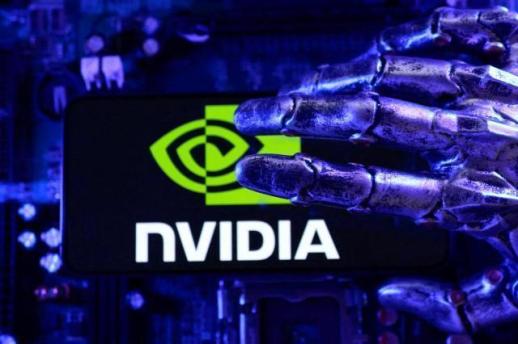 China Blocks NVIDIA's Game Chips Amid U.S.-China Semiconductor Tensions China has reportedly blocked the import of NVIDIA's game-specific graphics processing unit (GPU) designed for the Chinese market. This action marks a new phase in the ongoing semiconductor conflict between the U.S. and China, as even lower-performance models intended to comply with U.S. export regulations are unable to clear Chinese customs. According to the Financial Times on May 21, China has halted the import of NVIDIA's gaming GPU, the 'RTX 5090D V2.' This model is a modified version of the GeForce RTX 5090 series, designed to meet U.S. export control standards by reducing memory and computational performance compared to existing high-performance products. The blockade occurred at the customs level. Market research firm Jon Peddie Research reported that Chinese customs authorities informed logistics companies and GPU manufacturers that they would not grant import permits for the RTX 5090D V2. This situation differs from previous U.S. restrictions on NVIDIA's AI semiconductor exports to China, as it represents a direct action by China to prevent the entry of U.S.-made high-performance GPUs. This move aligns with China's recent trend of promoting domestic semiconductor use over foreign alternatives, particularly in light of the ongoing restrictions on NVIDIA's H200 and other AI chips. While the RTX 5090D V2 is primarily a gaming product, its high-performance capabilities make it suitable for AI tasks as well. Industry analysts view this as a signal that China aims to reduce its reliance on U.S. chips while fostering domestic companies like Huawei and Cambrian Technologies. China has not disclosed specific reasons for the import ban. NVIDIA now faces the challenge of navigating both U.S. export controls and Chinese import restrictions in its efforts to regain a foothold in the Chinese market.* This article has been translated by AI. 2026-05-23 17:58:44
 -
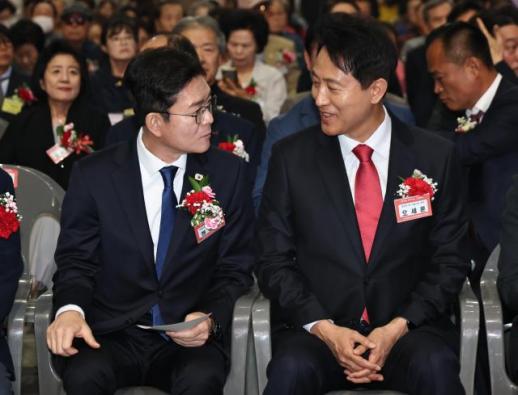 Oh Se-hoon Campaign Responds to GTX-A Rebar Controversy The controversy surrounding the omission of rebar in the construction of the GTX-A transfer center near Samseong Station in Gangnam, Seoul, has prompted the campaign of Oh Se-hoon to assert that "numbers don't lie," labeling the Democratic Party's and Jeong Won-oh's criticisms as politically motivated. Oh Joon-seok, spokesperson for Oh Se-hoon's campaign, stated, "The Democratic Party is attacking Oh Se-hoon using a 'fear frame' that stirs public anxiety, similar to their past tactics during the mad cow disease, THAAD, and Fukushima water contamination controversies. Politicizing scientifically verified issues prioritizes electoral gains over public safety." The campaign emphasized the legitimacy of safety and administrative procedures, citing the number '98,60915,51.' Oh Joon-seok explained, "The Ministry of Land, Infrastructure and Transport conducted a total of 98 trial runs on the affected GTX-A section after being informed of the rebar issue. Trial runs are only possible when there are no safety concerns." He further criticized the Korea Railroad Corporation, the project’s contracting agency, for wavering in its stance, noting that it had previously indicated that the issue had minimal safety impact, but the Democratic Party's politicization has caused confusion. The campaign also presented safety enhancement figures, stating that the 'steel plate reinforcement method' confirmed by the Seoul city government and the construction company in April would increase the rebar support strength to 60,915 kN, exceeding the original design strength of 58,604 kN. Oh Joon-seok added, "The additional construction cost of approximately 3 billion won will be borne by the construction company, and once the reinforcement work is completed, this section will be the safest among the entire GTX line." The campaign strongly refuted allegations of concealment, asserting that the Seoul city government had submitted a total of 51 reports to the Korea Railroad Corporation regarding the issue since last November, detailing problems, review results, and future handling plans. "Despite this, the Democratic Party has framed it as 'one-line reporting' and 'concealment,'" they claimed. Previously, Jeong Won-oh and the Democratic Party criticized the rebar omission as a symbol of poor construction and a lack of safety awareness in Seoul, questioning the city's response and reporting system. The National Assembly's Land, Infrastructure and Transport Committee has also seen ongoing disputes regarding the concealment and safety verification issues. However, there are interpretations within and outside the political arena that this controversy may escalate beyond a mere technical safety issue to become a key point in the upcoming June 3 Seoul mayoral election.* This article has been translated by AI. 2026-05-23 17:57:00
 -
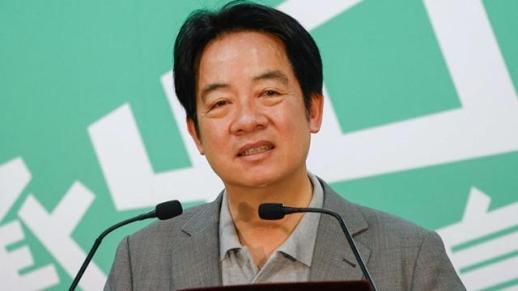 Trump Plans Call with Taiwan's President; Taiwan's Office Says No Contact Yet U.S. President Donald Trump has stated he intends to speak with Taiwan's President Lai Ching-te, but Taiwan's presidential office has reported that no specific communication has been received yet. This potential call comes ahead of a U.S. decision on arms sales to Taiwan, raising the likelihood of a backlash from China. According to Taiwanese media outlets, including the China Times and United Daily News, Taiwan's Presidential Office Secretary General Pan Meng-an said on May 22 that they have not been notified of any related calls regarding Trump's comments made the previous day. He added, "If a call occurs, we will disclose the relevant details," while assuring that communication channels between Taiwan and the U.S. remain open. On May 20, during a press conference at Joint Base Andrews in Maryland, Trump responded affirmatively when asked if he planned to speak with President Lai before the arms sales decision, although he did not specify when the call would take place. President Lai has previously expressed his intention to explain the need for peace and stability across the Taiwan Strait, as well as the ongoing necessity for military purchases from the U.S., should he have the opportunity to converse with Trump. If the call between the U.S. and Taiwan leaders takes place, it is expected to have diplomatic repercussions. Since the U.S. established diplomatic relations with China in 1979 and severed ties with Taiwan, no sitting U.S. president has directly communicated with a Taiwanese president. Trump did speak with then-President Tsai Ing-wen in 2016 when he was president-elect. China has consistently opposed official contacts and arms sales between the U.S. and Taiwan. Trump's mention of a potential call adds a new variable to U.S.-China relations in the context of Taiwan's military sales.* This article has been translated by AI. 2026-05-23 17:54:22
 -
 Korean Finance Ministry Strengthens Cooperation with EBRD on AI Hub The South Korean finance ministry and the European Bank for Reconstruction and Development (EBRD) are enhancing their collaboration to establish an artificial intelligence (AI) hub. They also agreed to expand the participation of Korean companies in EBRD investment projects. On May 22, Heo Jang, Deputy Minister of Finance, held a meeting with Greg Guyett, EBRD's First Vice President, at the Government Complex in Seoul. Earlier, on May 18, Deputy Prime Minister Koo Yun-cheol and EBRD President Odile Renaud-Basso signed a memorandum of understanding in London to express their intent to cooperate on the establishment of the Korea-EBRD AI hub. As a result, the 'AI K-Hub' will be responsible for integrating AI into EBRD's development cooperation projects in developing countries. During the meeting, both sides exchanged views on the next steps following the memorandum of understanding. Heo emphasized the need to strengthen cooperation between the South Korean government and EBRD staff to expedite the establishment of the Korea-EBRD AI hub. He also requested continued support and interest from Guyett. The discussion also covered EBRD's energy policies and green transition initiatives. Heo urged EBRD to facilitate the participation of Korean companies in investment projects related to power infrastructure. Finally, Heo requested that EBRD increase its support and interest in expanding opportunities for Korean professionals. In response, Guyett remarked, "Korean talent is a valuable asset for EBRD and contributes significantly to strengthening our international talent base."* This article has been translated by AI. 2026-05-23 17:51:26
 -
 TikTok Creators' Income Harder to Track Than YouTubers, Tax Agency Reports The market for platform-based creators, including YouTubers and TikTokers, is rapidly growing, but income from TikTok creators is significantly harder for tax authorities to track compared to YouTubers. This difficulty arises from a complex settlement structure involving overseas payment processors, leading to a high risk of income reporting omissions. According to a report by the Korea Institute of Public Finance titled "Current Status of Data Collection and Taxation Challenges for TikTok Income Capture" released on May 22, the revenue structure of TikTok is much more complicated than that of YouTube, creating a significant potential for tax evasion. YouTube's advertising revenue payment structure through Google AdSense is relatively straightforward. In contrast, TikTok's revenue streams are multifaceted, including live sponsorships, advertising and sponsorship deals, external affiliate commissions, and video rewards. Many of these transactions are processed through overseas payment processors like PayPal and Payoneer, making it difficult for tax authorities to track income flows. Additionally, TikTok's structure allows creators to accumulate earnings in their accounts before requesting withdrawals, which can delay income reporting and increase the risk of omissions. There are also instances where the timing of service provision and actual payment differs, complicating the application of the accrual accounting principle. In contrast, the tax infrastructure for YouTubers is being rapidly developed. The National Tax Service established a new industry code for "individual media creators" in 2019, and the number of individuals filing comprehensive income tax returns in this category surged from 2,776 in 2019 to 34,219 in 2021, an increase of more than 12 times. During the same period, reported income rose from 87.5 billion won to 858.9 billion won, nearly a tenfold increase. The National Tax Service is enhancing its management of overseas platform-based income by utilizing foreign exchange transaction data and comprehensive income tax return information. Foreign currency earnings exceeding $10,000 annually must be reported to the National Tax Service, and repeated large foreign currency deposits may be subject to anti-money laundering (AML) analysis. Many countries are also tightening information reporting obligations for platform operators. The United Kingdom and France require platform operators to report transaction information, while China mandates that platform companies regularly submit creator identity and income information. The researchers suggest that South Korea should also improve its data collection and reporting systems for platform-based income and enhance mechanisms for capturing foreign currency earnings through overseas payment processors. They also emphasize the need for expanded international information exchange and measures to encourage voluntary reporting.* This article has been translated by AI. 2026-05-23 17:48:59
 -
 Samsung Electronics Union Begins Vote on Wage Agreement, Participation at 25.56% The Samsung Electronics Union has commenced a vote among its members regarding this year's provisional wage negotiation agreement. The outcome of this vote will determine the legal validity of the agreement, drawing significant attention both inside and outside the company. According to industry sources, the joint negotiation team of Samsung Electronics began the online vote on the provisional agreement at 2:12 PM on May 22. Voting will continue for six days, concluding at 10 AM on May 27. For the agreement to be approved, a majority of participating union members must vote in favor. Voting rights are granted to members who completed their registration by 2 PM the previous day. The vote was initially scheduled to start at 2 PM but was delayed by about 12 minutes due to server overload on the union's website, beginning instead at 2:12 PM. Within less than 10 minutes of the vote's start, the participation rate among union members surpassed 25.66%. A key point of the provisional agreement is the allocation of 10.5% of operating profit to fund a 'special management performance bonus' for the semiconductor (DS) division. As a result, the memory business unit, which is driving overall company performance, is estimated to receive up to 600 million won in bonuses, including the special management performance bonus and existing excess profit bonuses (OPI). In contrast, non-memory divisions such as foundry and system LSI, which are experiencing poor performance, are expected to receive a minimum of 160 million won in special management performance bonuses, based on a 40% common fund distribution from the DS division. Given that a significant portion of union members belong to the memory business unit, the outlook for approval appears favorable. However, there are opposing sentiments among members from non-semiconductor divisions and the mobile and consumer electronics (DX) sectors, which could influence the outcome. The union leadership has stated that they will stake their positions on the vote's outcome. Chairman Choi Seung-ho remarked, "If the provisional agreement is rejected, I will accept that as a failure to satisfy our members. In that case, I will delegate future negotiation rights to the remaining leadership and hold a vote of confidence regarding my position as chairman."* This article has been translated by AI. 2026-05-23 17:47:07
 -
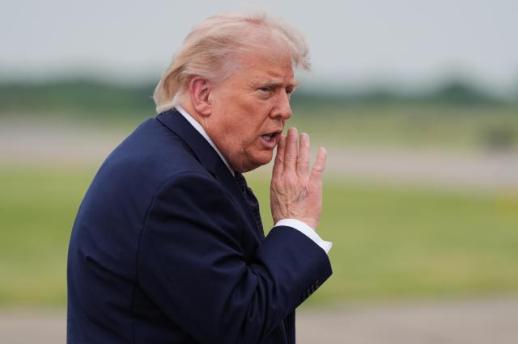 Trump weighs resuming strikes on Iran as talks hit deadlock SEOUL, May 23 (AJP) - U.S. President Donald Trump is considering a possible resumption of airstrikes on Iran, raising concerns that military confrontation between Washington and Tehran could return to the forefront after he canceled plans to attend his eldest son’s wedding and decided to remain in Washington. The move came as little progress has been made in negotiations since Washington delivered what U.S. media described as a “final offer” to Iran on May 20. Trump is reportedly seriously considering new strikes if Tehran does not accept the proposal soon. According to U.S. political circles and foreign media reports, Trump met with key national security officials at the White House on Friday, including Vice President JD Vance, Defense Secretary Pete Hegseth, CIA Director John Ratcliffe and White House Chief of Staff Susie Wiles, to review the status of negotiations with Iran and possible military options. Axios reported that Trump is increasingly frustrated with the talks and is seriously considering resuming strikes unless there is a breakthrough. Secretary of State Marco Rubio was absent due to a trip to Europe, while Gen. Dan Caine, chairman of the Joint Chiefs of Staff, did not attend because he was at the U.S. Naval Academy graduation ceremony, according to reports. Trump had initially planned to spend the Memorial Day weekend at his golf club in New Jersey after a speech in New York on Friday evening, before traveling to the Bahamas over the weekend for the wedding of his eldest son, Donald Trump Jr. But he said on Truth Social that he would skip the wedding due to “circumstances pertaining to the Government” and his “love of the United States of America,” adding that he felt it was important to remain at the White House during “this important period of time.” Defense and intelligence officials have also reportedly canceled holiday plans as they prepare for the possibility of renewed military confrontation in the Middle East. The U.S. and Iran have been engaged in indirect talks since agreeing to a temporary cease-fire on April 7, discussing Iran’s blockade of the Strait of Hormuz, its nuclear program and terms for ending the war. Washington reportedly delivered a final proposal to Tehran on May 20 that included terms for maintaining the cease-fire, handling nuclear material and guaranteeing passage through the strait. If Iran rejects the offer, the Trump administration is said to be reviewing renewed strikes on Iranian energy infrastructure, missile sites, nuclear-related facilities and leadership targets. Iran, however, has acknowledged that talks are continuing while maintaining that a deal is not imminent. Iran’s Foreign Ministry has said discussions on key issues are still underway, while figures close to the Islamic Revolutionary Guard Corps have reportedly said the talks are focused on ending the war and that other issues will not be addressed until that goal is achieved. U.S. officials have described the negotiations as “painful,” saying the process remains stuck in an exchange of draft documents with little substantive progress. At the same time, mediators including Pakistan and Qatar are said to be making last-minute efforts to prevent another escalation. Pakistan’s army chief Asim Munir arrived in Tehran on Friday to meet Iranian leaders, while Qatari officials are also reportedly involved in efforts to revive the talks. Some U.S. officials believe that unless an unexpected breakthrough emerges within the next 24 to 48 hours, Trump could move closer to ordering renewed airstrikes. 2026-05-23 17:45:48