
Journalist

Lee Jaeho
-
 Automakers under pressure to hike prices amid spiraling manufacturing costs SEOUL, May 19 (AJP) - Rising prices for car parts and other key materials, including batteries and semiconductors, coupled with the weak won, are adding to pressure on automakers to raise vehicle prices. With price hikes expected to accelerate in the second half of this year, concerns are also growing that demand could weaken if South Korea's temporary tax breaks for car buyers expire at the end of the year. According to industry insiders on Tuesday, prices for key materials and components used in electric vehicles (EVs) including lithium, aluminum, copper and semiconductors, have surged, prompting a series of price hikes by global automakers. Chinese automaker BYD already raised prices by more than 2,000 yuan for additional driver convenience features on some models in its Dynasty, Ocean and Formula Leopard lineups late last month. Xiaomi also recently raised prices across all trims of its SU7 series by 4,000 yuan, while fellow Chinese EV makers NIO and XPeng plan to increase prices for their major models in the second quarter. Battery materials, which account for about 30 percent to 50 percent of EV production costs, have risen especially sharply. According to market research firm Fastmarkets, lithium, a key material for lithium iron phosphate (LFP) batteries used in budget EVs, was priced at US$25.15 per kilogram as of last week, up 212 percent from an average of $8.1 in June last year. Nickel, another key material used in nickel-cobalt-manganese (NMC) batteries, rose 28.4 percent to $19,017 per metric ton from $14,879 at the end of last year. Higher memory chip prices are also driving up costs. Prices for high-performance automotive DDR and storage memory chips have surged 70 percent to 100 percent since the end of last year. "Major chipmakers such as Samsung Electronics and SK hynix are prioritizing semiconductor shipments for artificial intelligence (AI) servers for global big tech companies over automotive chips, which offer lower margins and require more rigorous certification processes, worsening overall supply instability," said an industry insider. "Despite surging demand driven by the rise of autonomous driving, supply remains insufficient, pushing prices sharply higher," he added. Price increases are becoming more visible in the domestic market. Tesla recently raised prices on some Model Y lines by 4 million won (US$2,700) to 5 million won, following increases in the U.S. Its midsize electric SUV Model Y Long Range AWD rose 4 million won to 63.99 million won from 59.99 million won. German automaker BMW is also expected to raise prices for some models next month. The increase is likely to be around 1 percent and could affect the 5 Series, X6, i4 and i5. If temporary tax breaks for EV buyers expire at the end of this year, consumers will have to pay more to buy vehicles, which could weaken demand overall. "Automakers may expand promotions such as zero-interest financing and other discounts, but rapidly rising manufacturing costs are leaving little room for price cuts," another industry insider said. 2026-05-19 09:40:28
 -
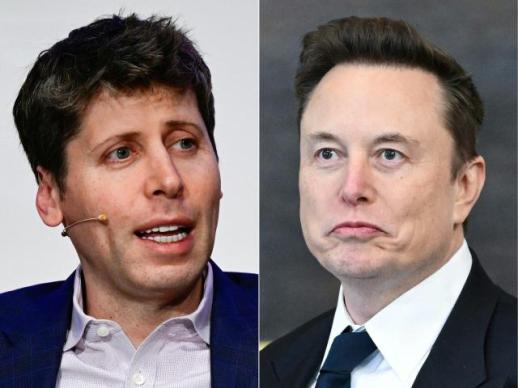 Elon Musk Loses Lawsuit Against OpenAI, Easing IPO Pressure Elon Musk, CEO of Tesla, has lost a lawsuit he filed against OpenAI. A jury determined that Musk had filed his lawsuit after the legal deadline, and the court accepted this finding, dismissing all of Musk's claims. This outcome is seen as a relief for OpenAI, which is planning to go public (IPO) later this year. On May 18, local time, a jury in the U.S. District Court in Oakland, California, unanimously ruled in favor of OpenAI. The jury concluded that Musk did not file his lawsuit within the legally mandated timeframe. Civil lawsuits have specific statutes of limitations for filing claims. In this case, Musk's allegations of 'breach of fiduciary duty' and 'unjust enrichment' had deadlines of three years and two years, respectively, starting from when the plaintiff became aware of the infringement. The jury found that Musk had already been aware of the issues before August 2021. Therefore, the court determined that Musk's formal filing in August 2024 was beyond the statute of limitations. Musk claimed that Sam Altman, CEO of OpenAI, had reassured him, causing him to delay filing the lawsuit. However, the jury did not accept this argument. After less than two hours of deliberation, the jury reached its verdict. While the jury's verdict is advisory, U.S. District Judge Yvonne Gonzalez Rogers accepted it immediately after the verdict was announced, dismissing all of Musk's claims. Judge Rogers stated, "There was substantial evidence supporting the jury's conclusion, and I was prepared to dismiss the case on the spot." Musk has alleged that OpenAI, along with Altman and Greg Brockman, deceived him into donating $38 million, subsequently attaching a for-profit entity to what was originally a nonprofit organization and raising billions from investors like Microsoft. In contrast, OpenAI argued that Musk's lawsuit was a "post hoc fabrication" unrelated to reality and a hypocritical attempt to undermine a competitor. With this verdict, OpenAI has alleviated a significant legal burden related to its IPO. Reuters reported that the ruling simplifies OpenAI's path to pursuing an IPO, which could be valued at $1 trillion (approximately 1,500 trillion won).* This article has been translated by AI. 2026-05-19 09:39:11
 -
 Anthropic Warns Against Unauthorized Stock Transactions Amid AI Market Growth AI startup Anthropic announced it will not recognize any transfers of its stock or stock-related rights that lack board approval. This warning comes as the over-the-counter market for unlisted AI company shares expands, raising concerns that investors purchasing indirect investment products may not secure actual shareholder rights. In a notice released on May 19, Anthropic stated that sales or transfers of its stock or related rights without board approval are invalid and will not be recorded in the company's books. Anthropic explained that investors who engage in such transactions will not be recognized as shareholders and will not possess shareholder rights. This move coincides with a growing demand for over-the-counter investments in Anthropic shares. As competition in generative AI intensifies, there is increasing interest in securing stakes in promising AI companies before they go public. Some brokerage platforms have promoted indirect investment products, citing the difficulty of directly purchasing unlisted stocks. Anthropic clarified that it does not permit transfers of both common and preferred shares without board approval. It also included indirect investments through special purpose vehicles (SPVs) in its prohibition. Proposals to offer existing investment round shares or future investment round participation rights through SPVs are also banned. Forward contracts, tokenized securities, and indirect investment funds have also been flagged as areas of concern. Anthropic indicated that structures providing general investors access to its shares through these methods may involve transactions that the company does not recognize, potentially invalidating the rights acquired by investors. Anthropic has placed companies such as Opendoor Partners, Unicorns Exchange, Pachamama, Lionheart Ventures, Hive, Foji's new offerings, Sidecar, and Upmarket on its warning list. The company stated it will not recognize any sales or transfers of Anthropic shares or related rights through these entities or products. Some of the mentioned platforms have countered these claims. Foji stated it does not facilitate transactions of unlisted company shares without explicit approval from the company and has requested that Anthropic remove it from the warning list. Hive also affirmed that it only intermediates transactions that have received issuer approval. Unicorns Exchange reported over 50 inquiries for purchasing Anthropic shares in the past three months, with total demand exceeding $1 trillion. However, it noted that no transactions have been completed without Anthropic's approval documentation. Legal issues remain unresolved. While it is not uncommon for unlisted startups to require board approval for stock transfers, the complexity of SPVs and forward contracts can make it difficult for issuers to track all transactions, potentially leading to disputes over the actual rights held by investors.* This article has been translated by AI. 2026-05-19 09:36:40
 -
 Samsung Union Leader's Controversial Remarks Spark Backlash Ahead of Strike As Samsung Electronics prepares for a general strike on May 21, tensions are rising following remarks made by the union leader targeting the non-semiconductor division. Choi Seung-ho, head of the super union, expressed his frustration by stating, "I can't deal with DX anymore," which has sparked controversy.On May 19, industry sources reported that Choi made these comments in a Telegram chat for union members after the second round of post-adjustments concluded the previous day. He suggested, "Once it's over, let's consider separating the union," and criticized the National Samsung Electronics Union (Jeonsamno) and the Donghaeng Union for their excessive demands.The Jeonsamno and Donghaeng unions, which have a significant number of members from the mobile and home appliance sectors (DX), contrast with Choi's super union, where over 70% of members are from the semiconductor division (DS). Choi's remarks are interpreted as a strong indirect criticism of the excessive performance bonus demands raised by unions focused on the DX sector during negotiations.After receiving backlash from union members regarding his comments, Choi apologized, stating, "I regret posting my grievances in the union's communication channel around 6:50 a.m."However, as news of his remarks spread through anonymous employee communities and open chat rooms, criticism mounted against him. One Samsung employee questioned, "Are we just going to abandon the DX division?" and called for Choi to provide an official explanation.Concerns have been ongoing among DX employees that the union prioritizes negotiations with management focused solely on the semiconductor division, neglecting the voices of those in the DX sector.This is not the first instance of harsh language from the union leadership. Lee Song-yi, deputy head of the super union, also made controversial statements the day before the second round of adjustments, declaring, "I will destroy the company" and "I speak with the resolve to spin off."In response to the growing backlash, Lee clarified that her comments were not about dismantling the company but about correcting improper practices and attitudes.* This article has been translated by AI. 2026-05-19 09:33:28
 -
 SK Securities Raises LG Target Price Amid Shareholder Return Expectations SK Securities announced on May 19 that it has raised its target price for LG from 110,000 won to 140,000 won, citing improved performance from subsidiaries and ongoing expectations for additional shareholder returns. The firm maintained its investment opinion at 'buy.' Choi Kwan-soon, a researcher at SK Securities, noted that while LG's consolidated performance was weak in the first quarter due to losses at LG Chem and a decline in rental income, a recovery is anticipated for the year based on profit improvements from major subsidiaries. He projected that LG's consolidated operating profit would increase by 65.5% year-on-year to approximately 1.5 trillion won. Choi emphasized that the key drivers for this performance improvement include increased net income from LG Electronics and expanded equity method gains from LG Chem's return to profitability. He also highlighted the company's dividend payout ratio of 64.9% and stable dividend policy, making it attractive for investors due to its eligibility for separate taxation on dividend income. Furthermore, he mentioned that LG plans to retire 2% of its treasury shares in the first half of this year and currently holds 1.3 trillion won in cash and cash equivalents, reinforcing expectations for additional shareholder returns. Choi indicated that if plans for utilizing the cash after the share buyback are clarified, there could be further re-rating potential. Choi also pointed out that LG's AI research institute has confirmed its competitiveness through a government-led foundation model project, which is a positive long-term outlook factor. He noted that the current price-to-book ratio (PBR) stands at only 0.6, indicating both valuation attractiveness and downside stability.* This article has been translated by AI. 2026-05-19 09:31:52
 -
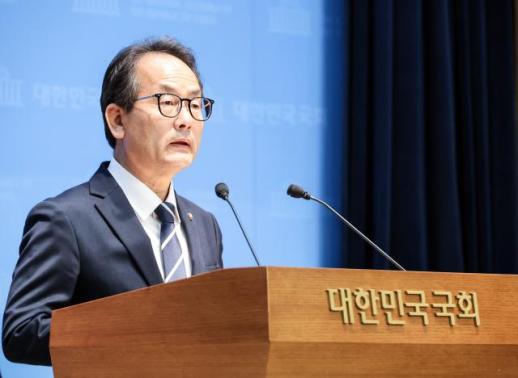 Ruling Party Criticizes Opposition Leader's Comments on Gwangju The Democratic Party harshly criticized Song Eon-seok, the floor leader of the People Power Party, for his comments made after he did not attend the 46th anniversary ceremony of the Gwangju Uprising on May 18, stating, "He has no right to mention the spirit of Gwangju, akin to 'Biden Season 2.'" Kang Jun-hyun, the party's chief spokesperson, spoke to reporters at the National Assembly on May 19, saying, "It is a day to remember the significance of May 18, yet yesterday, Song made a remark during a meeting that he did not attend because he did not want to go to Gwangju, saying, 'I don't know what might happen there.' He later corrected it to 'I didn't go because I was sad.' This is akin to 'Biden Season 2.'" Kang continued, "Whether it was because he found it dirty or sad, his attitude of acting as if he is a victim for not going to Gwangju is problematic. The constitutional amendment to include the spirit of May 18 was likely hindered by the People Power Party. They have no right to mention the spirit of Gwangju." He emphasized, "It is appropriate to sincerely acknowledge and apologize for past actions. What significance does it hold to make excuses?" Earlier, Song faced backlash after responding to a question from reporters about why he did not attend the May 18 ceremony by saying, "I didn't go because it was dirty." Following the controversy, he clarified that he meant he did not go because he was sad. Additionally, Kang warned against negative campaigning by People Power Party candidates ahead of the June 3 local elections and by-elections. He stated, "The issues surrounding People Power Party candidates Oh Se-hoon and Park Hyung-jun are serious. They have not adequately addressed concerns regarding the missing rebar in the GTX-A line and allegations related to LCT. The recent controversy surrounding candidate Kim Yong-nam should not be treated as a casual campaign tactic of 'let's just throw it out there and see what sticks.'"* This article has been translated by AI. 2026-05-19 09:30:00
 -
 Financial Supervisory Service Addresses AI Hacking and Leverage ETF Risks The Financial Supervisory Service (FSS) is intensifying its response to consumer risks associated with cyberattacks utilizing artificial intelligence (AI), the concentration of leverage exchange-traded funds (ETFs), and disorderly recruitment practices by corporate insurance agents (GAs). On May 18, FSS Chairman Lee Chan-jin presided over the second Consumer Risk Response Council, where key issues affecting financial consumers were discussed. This council serves as the highest-level advisory body within the FSS to proactively address potential consumer harm. The potential for cyberattacks using high-performance AI was a major topic of discussion. The FSS expressed concern that AI could quickly identify security vulnerabilities or facilitate simultaneous attacks, leading to significant consumer harm through disruptions in essential banking services. The agency plans to develop response strategies tailored to the characteristics of the financial sector in collaboration with relevant authorities and to enhance information security systems, including the use of generative AI for security purposes. In the insurance sector, issues related to incomplete sales and disorderly practices by GAs were highlighted. Some GAs may encourage unnecessary insurance purchases under the guise of tax, accounting, or labor consulting, or may even engage in illegal private financing. The FSS is considering regulatory reforms, including prohibiting GAs from simultaneously operating consulting services and establishing mutual regulations. In the capital markets, discussions were held regarding investor protection ahead of the launch of single-stock leverage ETFs on May 27. The FSS warned that excessive capital inflow into leverage and inverse ETFs could increase the risk of losses for individual investors and has decided to monitor trading trends and operational status closely. The agency also called for enhanced internal controls regarding securities firms' overseas stock events and investment advertisements. Illegal activities by financial influencers and investment advisors are also under scrutiny. The FSS plans to utilize an AI-based monitoring system to crack down on the provision of illegal investment information and suspicious trading activities on social media in real time. Inspections are being considered for advisory and management firms showing significant signs of illegal activity. Chairman Lee emphasized the need for vigilance regarding the risks and ripple effects associated with the convenience and efficiency of AI use. He stated, "We must respond with a high level of awareness to actions that encourage excessive debt investment and leverage investing, as well as to the disruptive activities of financial influencers and disorderly recruitment practices by GAs."* This article has been translated by AI. 2026-05-19 09:27:00
 -
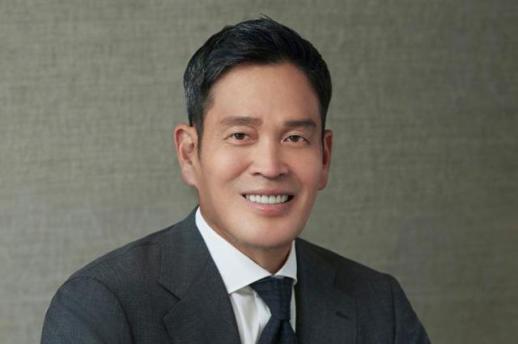 Shinsegae Group's Response to Controversial Marketing Tied to May 18 Movement Shinsegae Group, led by Chairman Jeong Yong-jin, has taken decisive action in response to a marketing controversy coinciding with the anniversary of the May 18 Democratic Movement. The company abruptly dismissed the CEO of its subsidiary, Starbucks Korea, and initiated disciplinary procedures against related employees. The swift involvement of top management in holding individuals accountable is notable, but whether this issue can be viewed as merely a personnel matter remains to be seen. The controversy centers on specific marketing phrases that evoke sensitive historical events. Criticism has spread online, suggesting that certain expressions recall the May 18 Gwangju Democratic Movement and the torture and death of Park Jong-cheol. While it is difficult to assert that the company explicitly intended this association, it is clear that many consumers felt discomfort and concern as a result. The essence of the matter lies more in the 'outcome' than the 'intent.' Businesses are not merely organizations that sell products; they are entities with social responsibilities. Large corporations and global brands grow based on trust with consumers. In this context, awareness of historical events and social values becomes a crucial evaluation criterion. Therefore, this incident reflects not just a marketing blunder but also the extent to which a company's sensitivity and internal verification systems are functioning. Chairman Jeong's strong response can be interpreted as an effort to mitigate risks early. However, it is worth questioning whether the dismissal of the CEO and disciplinary actions will provide a fundamental solution. The process leading to the public release of a phrase involves planning, review, and approval stages. The failure to filter out problematic content suggests flaws in the organization's overall verification system, extending beyond individual accountability. This incident highlights the importance of 'content risk management,' which is distinct from corporate security or internal controls. Recently, companies have been rapidly deploying marketing strategies centered on social media and mobile platforms. The use of short phrases to capture attention and elicit consumer responses has become commonplace. However, if sensitive expressions are used without sufficient review, the repercussions can extend beyond advertising effectiveness to damage corporate trust. Particularly with issues related to historical events, caution is paramount. In South Korea, May 18 is not merely a past event but is directly linked to current democratic values. Marketing elements that disregard this context inevitably provoke social backlash. This indicates that companies can no longer view historical issues as 'non-business areas.' The swift criticism from labor groups and civil society reflects this understanding. The assessment that the social impact is too significant to dismiss as a mere incident has influenced this response. Even if unintended, if a company causes social conflict, it must take appropriate responsibility. Shinsegae Group's announced measures to prevent recurrence—reviewing marketing processes and enhancing internal training—are valid in principle. However, if these remain merely formal actions, they will lack significance. It is essential to strengthen pre-review systems for sensitive content and improve structures to ensure diverse perspectives are reflected in decision-making processes. In particular, systematic education on historical and social issues should be implemented for teams responsible for brand communication. This incident sends a message that extends beyond a single company to the broader landscape of South Korean businesses. Corporate activities cannot be separated from society, and consumers are increasingly demanding higher levels of responsibility and sensitivity. Brand value stems not from products but from trust, which can be easily shaken by a single phrase. Ultimately, the focus should be on prevention rather than reaction. Whether this response will be a one-time crisis management effort or a catalyst for changing the organization's culture depends on future implementation. Respect for history must become ingrained in corporate culture to reduce similar controversies in the future. May 18 remains a living history. Ignoring the social consensus and sensitivity surrounding it will only increase corporate risks. This incident should remind businesses of the principle that 'standards are more important than speed.' If not, similar issues are likely to recur in different forms. 2026-05-19 09:21:47
 -
 Hana Bank Opens Cooling Centers Nationwide Amid Heat Wave Recently, a heat wave reminiscent of midsummer has swept across the country, prompting Hana Bank to take action in collaboration with the Ministry of the Interior and Safety. On May 19, Hana Bank announced that it will operate "cooling centers" at its branches nationwide. In April, the bank signed a memorandum of understanding with the Ministry of the Interior and Safety to promote the use of cooling and heating shelters. The cooling centers are part of the government's measures to combat extreme heat. Previously, these centers were primarily located in public facilities, but this year, the initiative has expanded to include bank branches. Designated cooling centers will feature signage to help the public locate them easily, and they will maintain a comfortable temperature and cleanliness to provide a pleasant resting space. The centers will be open until September 30, operating from 9 a.m. to 4 p.m. Visitors can access any nearby branch, regardless of whether they are Hana Bank customers. The bank also plans to operate heating shelters during the winter months. A Hana Bank representative stated, "We hope this cooling center will serve as a comfortable refuge for people to relax both physically and mentally during the summer heat and heavy rains. We will continue to provide various and practical support for local residents affected by natural disasters such as heat waves and cold snaps."* This article has been translated by AI. 2026-05-19 09:16:21
 -
 Plastic Surgeon Charged with Drug Violations Linked to Porsche Crash Police have referred a plastic surgeon to prosecutors for allegedly supplying propofol to a driver who crashed through the guardrail of the Banpo Bridge while driving recklessly in February. According to police on May 19, the Yongsan Police Station sent a 40-year-old male surgeon, identified as A, to prosecutors on May 15 for violations of drug control laws. Investigations revealed that A had excessively administered propofol to over ten patients visiting his clinic since August of last year, and had instructed a nurse to administer the drug even when anesthesia was unnecessary. He is also accused of neglecting the management and supervision of controlled substances at his clinic. The clinic is known to be the workplace of a former nurse, identified as B, who allegedly supplied propofol to a 30-year-old woman, identified as Hwang, the driver involved in the Banpo Bridge accident. In March, police conducted a search of the clinic and secured relevant documents, including prescriptions and records of drug inventory. Prosecutors have charged Hwang with violations of drug control laws, driving under the influence, and causing injury through reckless driving. B was also indicted in March for violations of drug control laws. On February 25 at around 8:44 p.m., Hwang was driving a Porsche on Banpo Road when she crashed through the guardrail and fell below the bridge. Her Porsche collided with a Mercedes-Benz traveling along the riverbank below the bridge before plummeting onto the Han River embankment. Both Hwang and the Mercedes driver sustained minor injuries, and their vehicles were severely damaged. Other vehicles on Banpo Bridge were also affected by the incident. Responding to reports of the crash, police discovered a large quantity of propofol, medical syringes, and tubes in Hwang's vehicle, prompting an investigation. Subsequent inquiries revealed that Hwang had been driving under the influence of propofol, leading to her emergency arrest for drugged driving.* This article has been translated by AI. 2026-05-19 09:11:08