
Journalist

Lim Sung-nam
-
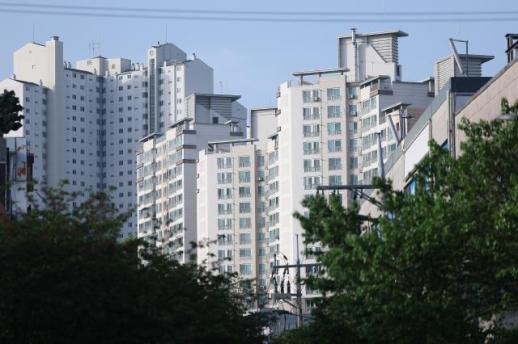 Seoul Housing Prices Rise After End of Capital Gains Tax Exemption Seoul's housing prices have resumed their upward trend following the end of the capital gains tax exemption. Even Gangnam has turned positive, while areas like Seongbuk and Jongno have recorded their highest growth rates since statistics began, reflecting a significant increase in mid-priced apartment areas. According to the Korea Real Estate Agency's April national housing price trend survey released on May 15, the comprehensive housing price index in Seoul rose by 0.55%. The increase was driven by strong demand in mid-priced areas. By district, Gwangjin saw the highest growth rate at 0.96%, primarily in the Junggok and Guui-dong areas. Seongbuk followed with a 0.92% increase, focusing on small to medium-sized apartments in Seongbuk and Gileum-dong, while Nowon recorded a 0.79% rise, mainly in the large complexes of Wolgye and Junggye-dong. Seodaemun (0.78%) and Dongdaemun (0.77%) also saw increases in areas like Bukgajwa and Hong-eun-dong, and Dapsimni and Huigyeong-dong, respectively. Gangseo (0.87%) showed growth in redevelopment areas of Gayang and Yeomchang-dong, Yeongdeungpo (0.83%) in the station areas of Singil and Yangpyeong-dong, Gwanak (0.74%) in Sinlim and Bongcheon-dong, and Guro (0.72%) in Gaebong and Gocheok-dong. However, Gangnam reported a decline of -0.22% in April, particularly in high-priced areas like Apgujeong and Gaepo-dong. However, the mood shifted dramatically this month following the end of the capital gains tax exemption. According to the Korea Real Estate Agency, the apartment sale prices in Gangnam rose by 0.19% in the second week of May, marking a turnaround after 12 weeks of decline. Major areas like Songpa (0.35%), Seocho (0.17%), and Yongsan (0.21%) also increased their growth rates. The rise in prices is also accelerating in the outer areas where mid-priced apartments are concentrated. In the second week of May, Seongbuk (0.54%) and Jongno (0.36%) recorded their highest growth rates since statistics began. Areas with strong demand, such as Seodaemun, Gangseo, Dongdaemun, and Nowon, continued to see upward trends, contributing to the overall increase in the market. Consequently, Seoul's apartment sale prices rose by 0.28% in the same week, significantly up from 0.15% the previous week. This marks the largest increase since the fourth week of January this year. Analysts suggest that the surge in sales aimed at tax savings, which occurred before the end of the capital gains tax exemption, has depleted available listings, leading to a simultaneous decrease in inventory and an increase in prices. The Ministry of Land, Infrastructure and Transport is encouraging listings by expanding the exemption of occupancy requirements in designated land transaction areas from certain multi-homeowners to all homes with tenants. Yoon Soo-min, a real estate expert at NH Nonghyup Financial Group, noted, "Price impacts vary by region. Areas with many mid-priced apartments have steady demand, making price stabilization difficult, while high-priced apartments have limited demand, suggesting a more stable trend may continue." Nam Hyuk-woo from Woori Bank's real estate research institute stated, "The upward trend has resumed, particularly in so-called 'value-for-money areas' where price burdens are lighter and living conditions are favorable. Areas like Seodaemun, Dongdaemun, and Gangseo have a small gap between transaction prices and listing prices, resulting in lower buyer resistance, and there seems to be an influx of demand from lower-tier to higher-tier areas." * This article has been translated by AI. 2026-05-15 11:36:45
 -
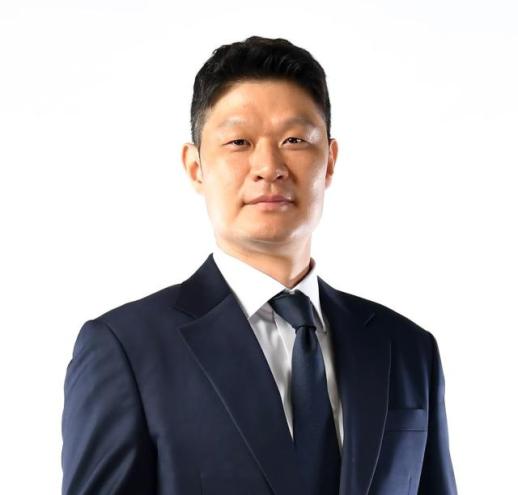 Wonju DB Basketball Team Appoints Lee Gyu-seob as New Head Coach Wonju DB has appointed Lee Gyu-seob, the former head coach of Busan KCC, as its new head coach. The DB team announced on May 15 that it has signed a three-year contract with Lee, who will lead the team until May 2029. Lee, a graduate of Korea University, was selected first overall in the 2000 rookie draft and played for Seoul Samsung. He won the Rookie of the Year award in his debut season and significantly contributed to the team's championships in the 2000-2001 and 2005-2006 seasons. Additionally, he represented the national team for a decade, winning a gold medal at the 2002 Busan Asian Games and a silver medal at the 2010 Guangzhou Asian Games. After retiring in 2013, Lee became the first Korean coach in the NBA G League, serving as a regular coach for the Santa Cruz Warriors. From 2014, he spent eight years with Samsung as a coach and interim head coach, later working as a broadcaster. In the 2025-2026 season, he joined KCC as an assistant coach, helping the team secure a championship. DB explained that Lee's extensive coaching experience and understanding of amateur basketball will aid in the development of rookie players like Yoo Jin and Kim Bo-bae. The team expressed confidence that he would effectively identify players' strengths and weaknesses, contributing to building a strong team in collaboration with the organization. Additionally, DB has re-signed Park Ji-hyun as the head coach to assist Lee. Previously, DB parted ways with head coach Kim Joo-sung, who led the team for three years. A franchise star who joined Wonju TG (the predecessor of DB) in 2002 and retired in 2018, Kim achieved a regular season championship in the 2023-2024 season, a seventh-place finish in 2024-2025, and a third-place finish in 2025-2026. However, the team faced disappointment in the playoffs, failing to reach the finals after being eliminated in the semifinals of the 2023-2024 season and losing to KCC in the quarterfinals of the 2025-2026 season. After careful consideration, DB decided to end its partnership with Kim and pursue a new direction.* This article has been translated by AI. 2026-05-15 11:33:00
 -
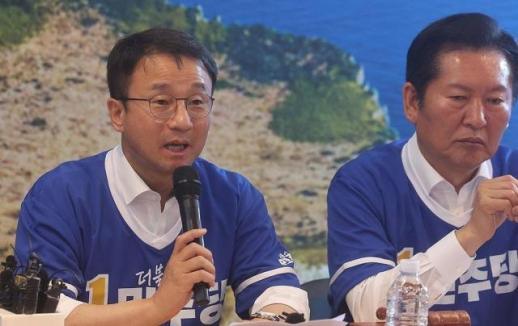 Han Byeong-do Criticizes Jang Dong-hyuk for Disrespectful Remarks Towards President Lee Han Byeong-do, the floor leader of the Democratic Party, criticized Jang Dong-hyuk, the leader of the People Power Party, for his disrespectful comments directed at President Lee Jae-myung. He urged Jang to maintain the dignity expected of the leader of the main opposition party. During a Central Election Campaign Committee meeting held in Jeju on May 15, Han stated, "Jang has been using informal language towards President Lee, the head of state, and engaging in slander and defamation." He added, "I hope you will stop trying to mislead the public with low-level remarks and focus more on developing local election promises." Han also pointed out that Jang made inappropriate comments during the official launch of the Central Election Campaign Committee, questioning, 'Shouldn't Lee Jae-myung also face trial and go to prison?' and 'Does Lee have the qualification or ability to protect the citizens of South Korea?' He noted that Jang had also posted on Facebook, stating, 'If you don't like Lee Jae-myung, everything is fake news,' and 'If Lee is an innocent victim, then so are Jo Joo-bin from the Nth Room case and drug lord Park Wang-yeol.' Han warned, "Remember that such behavior undermines your own credibility."* This article has been translated by AI. 2026-05-15 11:30:41
 -
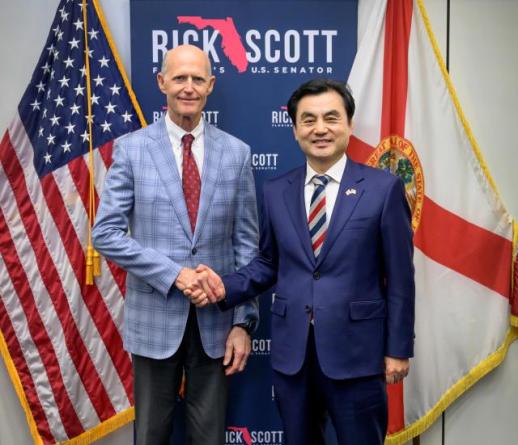 Seoul to unveil nuclear-powered submarine roadmap as early as this month SEOUL, May 15 (AJP) - South Korea is expected to unveil a roadmap for its nuclear-powered submarine program as early as the end of this month, government sources said Friday. The move is seen as an attempt by Seoul to present its own timeline for the long-sought project, as follow-up talks with Washington have been slow. The Ministry of National Defense, which leads an interagency task force on the issue, is expected to announce the plan, though the exact timing has yet to be finalized. The basic plan is expected to outline the mission and role of the submarines, including their defensive nature, as well as Seoul’s commitment to complying with the Treaty on the Non-Proliferation of Nuclear Weapons (NPT). During a visit to Seoul in April, International Atomic Energy Agency (IAEA) Director General Rafael Grossi said South Korea would need a separate safeguards arrangement with the agency if it moves ahead with nuclear-powered submarines, noting that “the nuclear material is not continuously accessible to inspectors” because of the nature of such vessels. He stressed the need for “technically sound arrangements” to verify that the material is used only for propulsion and does not contribute to nuclear proliferation. Nuclear-powered submarines have long been a priority for South Korea’s military, with discussions dating back to the Kim Young-sam administration. After years of failed attempts, the project gained momentum after South Korea and the United States agreed on the issue during their summit on the sidelines of last year’s APEC summit in Gyeongju. Defense Minister Ahn Gyu-back recently discussed cooperation on South Korea’s nuclear-powered submarine program during his visit to the U.S., where he met with U.S. Defense Secretary Pete Hegseth, the acting secretary of the Navy and key members of Congress. Powered by small nuclear reactors, nuclear-powered submarines can theoretically remain submerged for months and travel much faster than conventional diesel-electric submarines, making them a strategic asset. South Korea’s military has reviewed plans to build at least four nuclear-powered submarines with a displacement of 5,000 tons or more after the mid-2030s. As the project would mark the first domestic use of a nuclear reactor on a submarine, the government is also seeking to enact a special law on nuclear-powered submarines to establish a management framework for military nuclear energy. 2026-05-15 11:27:10
 -
 SM Vexel Returns to Profitability in Q1 with 500 Million Won Operating Income SM Vexel, a manufacturing affiliate of the SM Group, has successfully returned to profitability in the first quarter. According to a disclosure on May 15, SM Vexel reported consolidated sales of 36.6 billion won and an operating income of 500 million won for the first quarter of this year. While these figures show a slight decline compared to the same period last year (sales of 42.2 billion won and operating income of 800 million won), they represent an improvement over the previous quarter, which saw an operating loss of 300 million won and sales of 32.3 billion won. The defense boom has driven this strong performance. Earlier in February, SM Vexel successfully supplied lithium ampule batteries for the Cheonmu (K-239, Korean Multiple Launch Rocket System), a key weapon system in the K-defense sector. In the automotive division, diversification of the product portfolio has had a positive impact. SM Vexel has stabilized its business base for internal combustion engine parts while also expanding its portfolio to include hybrid vehicle engines. A company representative stated, "The automotive division has entered a recovery phase after confirming its lowest point, and the battery division continues to generate stable profits. With the notable performance of K-defense, we expect the high-profit structure of the defense business to contribute to our growth moving forward." Additionally, SM Vexel was awarded the top prize in the battery category at the 2026 Korea First Brand Awards for the second consecutive year in January. The company is also working to enhance its competitiveness by signing a memorandum of understanding (MOU) with Kongju National University for technology exchange and joint research and development (R&D) in eco-friendly automotive parts.* This article has been translated by AI. 2026-05-15 11:27:00
 -
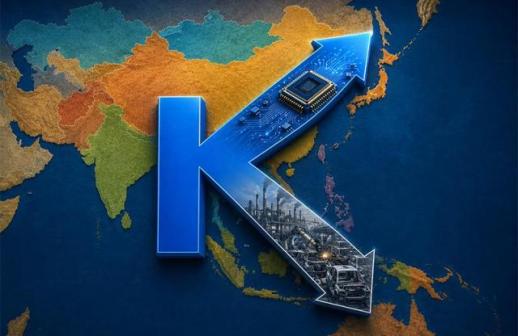 AI Boom and Hormuz Crisis Create Diverging Economic Trends in Asia The booming artificial intelligence (AI) sector and the blockade of the Hormuz Strait are sharply dividing the economic landscape in Asia. While semiconductor powerhouses South Korea and Taiwan are experiencing unprecedented growth, manufacturing-heavy countries like India, Thailand, and the Philippines are suffering from a historic oil price shock. Economists describe this phenomenon as an "Asian K-shaped recovery," where the benefits of the AI boom and the pains of fuel shortages are moving in opposite directions within the same region. The ongoing conflict between the U.S. and Israel against Iran has effectively closed the Hormuz Strait, exacerbating the widening gap between these two economic trajectories. The upper curve is dominated by semiconductor giants. Taiwan's GDP grew by 13.69% in the first quarter, marking its highest growth in 39 years. The Taiwanese stock market has risen to become the sixth largest globally, surpassing Canada. South Korea's KOSPI has surged nearly 80% this year, achieving the best performance among major global indices. South Korea has now overtaken the UK to become the seventh-largest stock market in the world, valued at $4.04 trillion. Six of the world's top ten stock markets are now in Asia, as investors begin to prioritize AI over geopolitical concerns. This shift is reflected in record operating profits for Samsung Electronics and SK Hynix in the first quarter. Samsung's market capitalization has surpassed $1 trillion, while Taiwan's TSMC accounts for over 40% of the market capitalization of the Taiwanese stock market. The United Nations Conference on Trade and Development (UNCTAD) projects that the global AI market will grow to $4.8 trillion by 2033, approximately 25 times larger than in 2023. This indicates that the semiconductor supercycle is solidifying into a new industrial paradigm. In stark contrast, the economic outlook for countries in southern and western Asia is grim. In the Philippines, where over 36% of the consumer price index (CPI) is linked to fuel, gasoline prices have exceeded 100 pesos (about $5.81) per liter. The Bangko Sentral ng Pilipinas (BSP) is caught in a dilemma over whether to raise interest rates to curb inflation or keep them steady to protect growth. The Manila government has even introduced a four-day workweek to reduce fuel demand. Thailand is facing a nationwide fuel shortage, and the Pakistani government has urged cricket fans to watch matches at home to conserve gasoline. Such administrative measures, typically unimaginable, are now being implemented. The United Nations Development Programme (UNDP) estimates that approximately 8.8 million people in the Asia-Pacific region are at risk of falling into poverty due to the war, which could reduce regional GDP by 0.3 to 0.8 percentage points. Households near the poverty line are being exposed to soaring fuel and food prices, shaking the social safety net. At the center of this divergence is the competition for heavy and medium crude oil, which is crucial for refining margins and underpins Middle Eastern exports. While the U.S. is the world's largest oil producer, most of its output is light shale oil, leading Asian refiners to engage in fierce bidding for non-Middle Eastern sour crude oil that bypasses the Hormuz Strait. The competition among South Korea, China, and Japan for the same quantities is intensifying, causing premiums to rise sharply. Jang Tae-hoon, a senior researcher at the Korea Energy Economics Institute, stated, "Unless a reasonable and effective resolution to the war is reached that can persuade shipowners and insurers, it will be extremely difficult for oil prices to return to pre-war levels in the long term." He added, "If the conflict continues, competition for crude oil outside the Middle East will become inevitable, with China and Japan also bidding for the same quantities." As of April 14, Brent crude was trading at around $106 per barrel. The number of vessels transiting the Hormuz Strait has plummeted from an average of 135 before the war to about 18. The World Bank reported that Brent crude prices surged by approximately 65% as of the end of March, marking the largest monthly increase on record. However, the benefits of the AI boom are not evenly distributed among the winning groups. The labor union representing about 30,000 members in Samsung Electronics' semiconductor division announced a strike from May 21 to June 7 after wage negotiations broke down on May 13. The union is demanding a 15% performance bonus based on operating profits and a 7% increase in base salary. JP Morgan Chase estimates that if the strike lasts 18 days, Samsung's quarterly operating profit could decline by as much as 12%. The situation in Taiwan is similarly concerning. Although the semiconductor industry accounts for only 4% of total employment, starting salaries for new hires are five times higher than in other sectors, raising concerns about polarization and economic concentration. As wealth and talent are drawn into one industry, the wage gap between traditional manufacturing and service sectors is widening. Officials and market experts warn that this growing disparity could have repercussions beyond Asia, impacting the global economy. Increasing inequality may dampen consumption, complicate monetary policy, and disrupt global trade flows. There are also concerns that fuel shortages could soon reach a critical point. Andy O'Brien, Chief Financial Officer of ConocoPhillips, stated during the first-quarter earnings call that some import-dependent countries could face severe shortages by June or July. Valero Energy, a U.S. refining company, also warned that supply chain pressures are likely to intensify. Valero CEO Lane Riggs noted, "Every day that the Hormuz Strait remains blocked adds at least three days to our inventory replenishment time," adding that it could take six to twelve months to fully restore inventory. The question remains: when will the upward curve driven by AI and the downward pressure from oil prices converge again? Market consensus suggests that this will ultimately depend on the resolution of the Hormuz Strait blockade. South Korea, benefiting from the semiconductor supercycle while grappling with the shocks to its energy and petrochemical supply chains, is particularly vulnerable to shifts in balance that could have more direct repercussions than in any other Asian country.* This article has been translated by AI. 2026-05-15 11:23:20
 -
 Man Arrested for Allegedly Kidnapping Woman in Nowon District A man in his 50s has been arrested by police in Seoul's Nowon District on suspicion of kidnapping a woman and holding her in a vehicle. The arrest followed a report from the victim's family, prompting police to track the vehicle and apprehend the suspect within approximately 25 minutes. According to Yonhap News, the Nowon Police Station arrested the suspect, identified as Mr. A, at around 10:10 p.m. on May 14, on charges of kidnapping and detention. Police received a call from the victim's family at approximately 9:45 p.m. that evening, stating that they believed the victim was being held inside a vehicle. Following the report, officers quickly initiated an investigation, tracing the suspect's vehicle and locating it near Nowon Station, where Mr. A was taken into custody. The time from the initial report to the arrest was about 25 minutes. At the time of the arrest, the victim was also found inside the vehicle, fortunately without any serious injuries or life-threatening conditions. Investigations revealed that Mr. A was not under the influence of alcohol or drugs at the time of the incident. It was also determined that the victim and Mr. A were acquaintances. Police are currently working to clarify the nature of their relationship and the circumstances surrounding the incident. Authorities plan to conduct a thorough investigation into how Mr. A came to have the victim in his vehicle, the route taken, and whether there was an intent to detain her. They will also assess the motive for the crime and the specific details of the incident based on the victim's statements before deciding whether to seek an arrest warrant.* This article has been translated by AI. 2026-05-15 11:19:30
 -
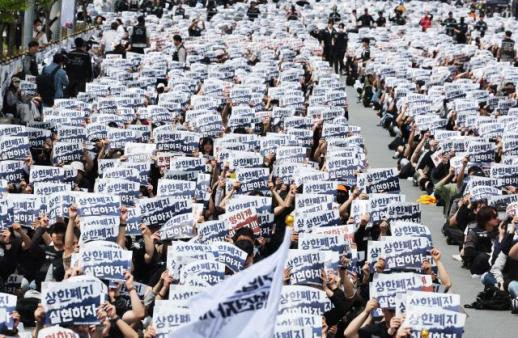 Samsung Electronics Union Members Seek Injunction to Halt Major Union Negotiations Internal conflicts among union members at Samsung Electronics are escalating. Disagreements between the semiconductor division (DS, Device Solutions) and the finished products division (DX, Device Experience) have led to plans for legal disputes, particularly among DX union members.According to industry sources on May 15, there are increasing calls within Samsung's internal community to file an injunction against the Super Union Labor Union Samsung Electronics Branch (Super Union), which is currently negotiating with management, to request a wage agreement and prohibit strikes.To support this initiative, members are currently raising funds for legal fees. They plan to select a law firm soon and finalize specific demands. With less than a week until a potential general strike, the process is expected to move quickly.This movement appears to be primarily driven by DX union members, who feel sidelined in recent labor negotiations. They are questioning the representation of the Super Union, which is centered around DS members. Reports indicate that hundreds of DX union members are participating, and a significant amount of funds has already been raised.In response to DS union members adding 'strike' to their internal messenger profiles, DX members are advocating for the inclusion of 'Oppose DS Strike' in their profiles.This push stems from dissatisfaction with the Super Union's focus solely on performance bonuses for the DS division, while ignoring the demands of the DX division.The Super Union has stated that it will not include common resources for the entire company in this matter. It is reported that about 80% of the Super Union's approximately 73,000 members belong to the DS division. Super Union Chairman Choi Seung-ho has emphasized that negotiations with management are concentrated on performance bonuses for the DS division, without addressing the treatment of employees in the struggling DX division.Choi commented on the DX neglect issue, saying, "First, we need to secure more resources for performance bonuses this year. Next year, we can distribute more rewards to the DX division as well."Meanwhile, a ruling on an injunction filed by Samsung Electronics to prohibit illegal strike actions is expected soon. The company has requested this injunction to ensure the normal maintenance of semiconductor safety facilities, prevent wafer degradation, and avoid occupation of key facilities. The Suwon District Court is expected to reach a conclusion by May 20, one day before the planned strike.Even if the court accepts the company's request, it will only prohibit illegal actions, not the strike itself. However, this could expose the union to legal risks, as the scope for lawful strikes may narrow, and violations of the court's decision could lead to increased liabilities for damages or obstruction of work, potentially dampening the momentum for the strike.* This article has been translated by AI. 2026-05-15 11:16:21
 -
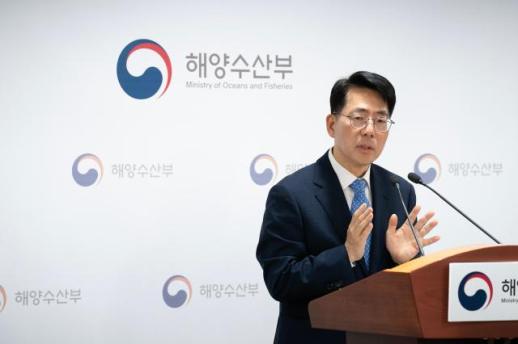 Minister Hwang Jong-woo Advocates for Regional Development and Arctic Route Expansion Hwang Jong-woo, the Minister of Oceans and Fisheries, stated on May 14 that revitalizing local economies and fostering growth from within regions are essential for future development, emphasizing that the promotion of maritime capital is a key task with a high likelihood of success. During his first press conference since taking office at the ministry's Busan headquarters, Hwang outlined key issues and plans for priority projects. He assessed that simply relocating HMM is insufficient to complete the vision of 'Maritime Capital Busan.' He stressed the need for comprehensive measures to create living conditions for young people to prevent brain drain. Hwang highlighted that the government's focus on developing the Arctic route aims to stimulate the economy and create jobs. "If the Arctic route opens, we can develop Busan into a logistics hub for Northeast Asia, creating numerous jobs," Hwang said. He emphasized the importance of proactively securing operational data and cargo in preparation for an era of regular Arctic route operations. The Ministry of Oceans and Fisheries plans to conduct trial operations for the Arctic route around September. Currently, the shipping company Panstar is supporting these trial operations, and preparations for a formal agreement are underway. Questions also arose regarding responses to the blockade of the Hormuz Strait due to the U.S.-Iran conflict. Hwang expressed caution about predicting the recovery of the international shipping route through Hormuz. However, he noted, "If the blockade is lifted, there are options such as utilizing the coast of Oman. A vessel loaded with crude oil has already unloaded at Yanbu Port, and three more are en route to Korea. For the time being, we can bring in crude oil via the Red Sea." Regarding the proposed tolls for passage through the Hormuz Strait, Hwang voiced his opposition, stating, "Tolls would violate international law. Ensuring free movement is a regulation of the International Maritime Organization (IMO) and an international agreement, so imposing tolls is inappropriate." As of now, there are 158 South Korean crew members confirmed to be inside the Hormuz Strait. The ministry is maintaining regular communication with them to alleviate any inconveniences and is providing counseling to address mental stress. Hwang projected that the 'roadmap for the relocation of public institutions under the ministry,' which was promised to be released in January, would gain momentum after the elections. The ministry, along with local governments and public institutions in Busan, is in discussions for the relocation, but the process is taking time as they review support measures. Hwang stated, "I believe that with the emergence of new local leaders after the elections, we can gain more momentum. Coordination is also needed regarding the second phase of public institution relocations, but the ministry is committed to relocating its subordinate agencies even before the second phase begins."* This article has been translated by AI. 2026-05-15 11:15:00
 -
 KakaoBank Lowers Interest Rates for New Hope and Sunshine Loans KakaoBank is taking steps to ease the financial burden on vulnerable borrowers by expanding inclusive finance.KakaoBank announced that starting May 15, it will reduce the interest rate for the New Hope Loan II by 0.30 percentage points.The New Hope Loan is a tailored product for low-income individuals or those with poor credit who find it difficult to secure loans from banks. The bank will also lower the interest rate for the Sunshine Loan by 0.75 percentage points to support consumers facing challenges in accessing formal financial services. With this rate reduction, the interest rates for both the New Hope and Sunshine loans are expected to fall to the mid-4% range annually.In July, a revision to banking laws will take effect, prohibiting banks from factoring in contributions from the Korea Inclusive Finance Agency when calculating loan interest rates. In anticipation of this change, KakaoBank is proactively implementing the expected rate cuts more than a month in advance to alleviate the financial burden on low-credit borrowers. The bank plans to continue reviewing improvements to its products for those with low to moderate credit ratings.A KakaoBank official stated, "We lowered the rates to ease the financial burden on borrowers facing economic difficulties. We will continue to lead in practicing inclusive finance for low to moderate credit individuals and those with insufficient financial history, based on competitive rates and convenience."* This article has been translated by AI. 2026-05-15 11:10:39