
Journalist

MIN JAE YONG
-
 Government to Revise Apartment Management Fees to Combat Corruption The South Korean government is set to revise its apartment management system to reduce corruption and opaque contracting practices in the execution of management fees. The Ministry of Land, Infrastructure and Transport announced that it will eliminate the exception that allowed properties to forgo external accounting audits with resident consent and will also limit the use of direct contracts. According to a report presented to the Special Task Force on Living Costs on May 21, the average management fee for apartments in March was 224,728 won per household, a 2.1% increase from 220,111 won in the same month last year. However, this figure represents a 7.26% decrease from the previous month’s average of 242,316 won. The ministry noted that the rise in labor costs had already been accounted for in January, and seasonal factors contributed to the drop in fees from the previous month. However, the ministry warned that management fees could rise again after May due to increased use of air conditioning and higher electricity and water consumption as temperatures rise. As of March, the breakdown of management fees included general management costs of 40,903 won, security costs of 27,181 won, cleaning fees of 18,657 won, and electricity charges of 49,001 won. The long-term maintenance fund was set at 22,079 won. From March 25 to April 9, the government conducted inspections of management fee assessments and executions across 19 apartment complexes in 16 cities and provinces. The inspections targeted properties that failed to comply with management fee disclosure regulations or did not release the results of their 2024 accounting audits, as well as those that exhibited multiple anomalies in the early warning system. The inspections resulted in 38 instances of on-site guidance and corrective measures, along with 19 pre-notices for fines. Major violations included failing to disclose management fee details or construction and service contracts for extended periods, not maintaining management fee records and supporting documents, improperly executing management fees, and engaging in direct contracts despite being subject to competitive bidding. Under current law, violations of disclosure obligations, failure to maintain accounting documents, and inappropriate direct contracts can result in fines of up to 5 million won. Improper calculation, assessment, or execution of management fees can lead to fines of up to 10 million won. To prevent misconduct by resident representative councils and management entities, the government plans to eliminate the exception for accounting audits. Currently, mandatory managed apartments must undergo annual audits, but those with fewer than 300 units can skip the audit if more than half of residents agree in writing, while those with more than 300 units require two-thirds approval. The government aims to abolish this provision to prevent the evasion of audits. Discussions on similar measures to eliminate exemptions from external audits have also been raised in the National Assembly. Sanctions against housing managers involved in management fee corruption will also be strengthened. The government is proposing to apply stronger penalties, including revocation of qualifications, for those who cause financial harm to residents through intentional or gross negligence or who receive improper benefits. Criminal penalties will also be increased. Currently, failing to maintain or falsifying records can result in up to one year in prison or fines of up to 10 million won, but this will be raised to a maximum of two years in prison or fines of up to 20 million won. Refusing to allow access to records or provide them will see penalties increase from a maximum fine of 5 million won to up to one year in prison or fines of up to 10 million won. Additionally, fines for failing to provide management fee details will be raised from a maximum of 5 million won to up to 10 million won. The contracting process for construction and services will also be revised. The government plans to limit direct contracts to urgent situations such as natural disasters or safety incidents, or when specific expertise is required. Insurance and general goods will be excluded from direct contracting. Existing contracts for cleaning and security services will also be subject to restrictions based on performance evaluations. Requirements for limited competitive bidding will be tightened. The Ministry of Land, Infrastructure and Transport has noted that excessive restrictions on participation qualifications undermine the principles of competitive bidding and contribute to rising management fees. In cases where limited competitive bidding is justified by technical capabilities, prior consent from residents will be required for patents or new technologies necessary for construction and services. The ministry cited a case from January 2023 in which a painting and waterproofing contract worth 2.1 billion won was awarded through collusion among companies due to restrictions on capital and technical capabilities. Next month, the ministry plans to revise guidelines for selecting housing managers and contractors and will propose amendments to the Apartment Management Act. If necessary, additional investigations and audits regarding management fee assessments and executions will be conducted, and administrative procedures for imposing fines will be initiated through local governments.* This article has been translated by AI. 2026-05-21 09:12:59
 -
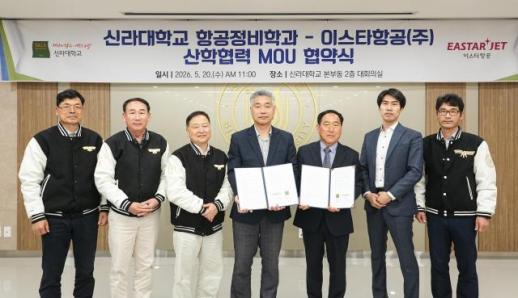 Eastar Jet Partners with Silla University to Train Aviation Maintenance Personnel Eastar Jet is taking the lead in training talent for aviation maintenance, repair, and overhaul (MRO).On May 21, Eastar Jet announced that it has signed a strategic memorandum of understanding (MOU) with the Aviation Maintenance Department at Silla University to foster talent in aviation MRO.The agreement aims to systematically develop aviation maintenance personnel and establish a foundation for early and stable workforce recruitment.The two parties will collaborate in various areas, including the joint development of aviation maintenance training programs, sharing educational infrastructure such as training facilities and equipment, exchanging information on aviation maintenance technology and regulations, and providing guest lectures and mentoring from industry professionals.Notably, during the summer and winter breaks, Silla University will offer an internship program for fourth-year students at Eastar Jet's maintenance center at Gimhae Airport.During the internship, Eastar Jet will provide high-quality curriculum support, including tours of B737-8 aircraft maintenance sites, hands-on training in the use of the maintenance history computerized system (ERP), and practical education on the maintenance quality management system (SMS), helping students grow into aviation maintenance experts.An Eastar Jet official stated, "We plan to expand opportunities for hands-on aviation maintenance education to support the development of skilled personnel. We will continue to nurture aviation maintenance talent across various regions, contributing to the competitiveness of the domestic aviation maintenance industry."Meanwhile, Eastar Jet has been expanding its foundation for training maintenance personnel through industry-academia cooperation since establishing a consolidated maintenance center at Gimpo Airport last October.* This article has been translated by AI. 2026-05-21 09:09:33
 -
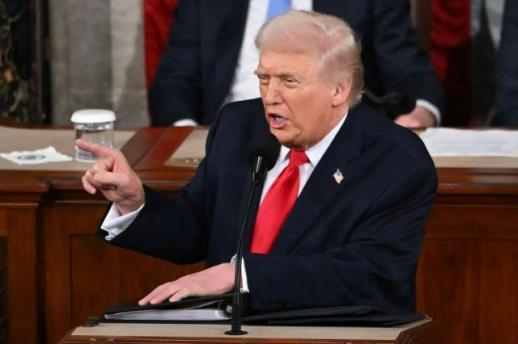 Trump Declares Cuba a 'Rogue State' Amid Increased Pressure On May 20, coinciding with Cuba's Independence Day, President Donald Trump labeled the Havana regime a "rogue state." He issued a warning against allowing hostile foreign military, intelligence, and terrorist activities just 90 miles from U.S. shores. In a message commemorating the holiday, Trump stated, "The United States will not tolerate a rogue state that allows hostile foreign military, intelligence, and terrorist operations just 90 miles from our homeland." He added, "We will not rest until the Cuban people reclaim the freedom their ancestors fought for over a century ago." Trump accused the Cuban communist regime of undermining political freedom for nearly 70 years, rejecting fair elections, and suppressing dissent. He attributed the collapse of the Cuban economy to corruption and control by the regime's elite. The U.S. has also intensified sanctions and prosecutions targeting the Cuban government. According to Reuters, on May 18, the U.S. government added 11 Cuban officials, along with the Cuban Directorate of Intelligence (DI), the Ministry of the Interior, and the National Revolutionary Police (PNR), to its sanctions list. On May 20, four individuals, including former Cuban National Assembly President Raúl Castro, were indicted in connection with the 1996 shooting down of a Cuban exile group's aircraft, facing charges of murder, conspiracy to kill Americans, and aircraft destruction. Simultaneously, the U.S. extended a conciliatory message to the Cuban people. Secretary of State Marco Rubio proposed $100 million in food and medical aid in a Spanish-language video message, emphasizing that the support should be distributed not through the Cuban government but via the Catholic Church or trusted humanitarian organizations. Cuba quickly responded, with Foreign Minister Bruno Rodríguez criticizing the White House's message as a "rude statement based on misinformation." The Cuban government has consistently argued that U.S. sanctions and pressure exacerbate its economic difficulties.* This article has been translated by AI. 2026-05-21 09:07:28
 -
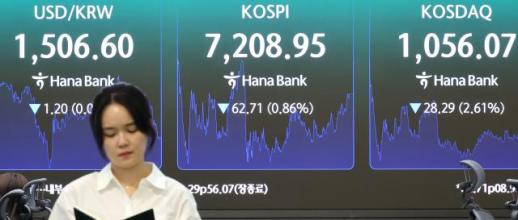 Nvidia's Strong Performance and Eased Samsung Strike Risks May Boost KOSPI U.S. stock markets rebounded overnight, buoyed by stabilizing Treasury yields and renewed optimism surrounding artificial intelligence (AI). This raises the possibility of a similar recovery in the domestic market. The positive performance of Nvidia and reduced strike risks at Samsung Electronics are also expected to enhance investor sentiment in semiconductor stocks. According to the financial investment industry, on May 20 (local time), the Dow Jones Industrial Average rose by 645.47 points (1.31%) to close at 35,059.35. The S&P 500 gained 79.30 points (1.08%) to finish at 4,432.91, while the tech-heavy Nasdaq composite climbed 399.65 points (1.55%) to end at 26,270.36. The stabilization of U.S. Treasury yields and international oil prices, which had contributed to recent market volatility, has led to a recovery in investor sentiment. The yield on the 30-year U.S. Treasury bond fell by 6.6 basis points to 5.114%, while the yield on the 10-year bond also decreased to around 4.58%. International oil prices saw a significant drop. July Brent crude futures fell by 5.63% to $105.02 per barrel, and July West Texas Intermediate (WTI) crude futures decreased by 5.66% to $98.26. Market attention is focused on Nvidia's earnings report. After the market closed on May 20 (local time), Nvidia announced its first-quarter results for the 2027 fiscal year (February to April), reporting revenue of $81.62 billion and earnings per share (EPS) of $1.87. The revenue exceeded market expectations of $79.2 billion, and both the gross profit margin (GPM) and second-quarter revenue guidance also surpassed forecasts. Nvidia projected second-quarter revenue of $91 billion. However, in after-hours trading, the stock showed a slight decline of about 1% due to concerns over guidance not reflecting sales in China and pre-emptive pricing pressures. Despite this, the trend of increased investment in AI remains strong. Major semiconductor stocks, including Micron and AMD, also performed well, and the Philadelphia Semiconductor Index surged by 4.49%. Market observers note that global tech giants like Microsoft, Amazon, and Meta continue to expand their AI infrastructure investments. In the domestic market, news of a labor agreement at Samsung Electronics has boosted investor sentiment in semiconductor stocks. Samsung's labor union and management reached a tentative agreement on wage negotiations for 2026 under the mediation of Minister of Employment and Labor Kim Young-hoon. As a result, a planned general strike has been postponed, with a vote for union members scheduled from 2 p.m. on May 22 to 10 a.m. on May 27. As of 8:44 a.m. on May 21, Samsung's stock price surged by 5.2% in pre-market trading on NextTrade (NXT). SK Hynix also showed a strong performance, rising by around 4%, indicating a broad buying trend across the semiconductor sector. Analysts suggest that while a technical rebound is likely following recent declines, high volatility driven by U.S. interest rates and geopolitical factors will persist. Han Ji-young, a researcher at Kiwoom Securities, stated, "As expectations for negotiations between the U.S. and Iran ease concerns over oil prices and interest rates, the stock market is experiencing a relief rally. However, it is important to note that the domestic market remains strongly characterized by earnings performance." She added, "Recent adjustments have brought the KOSPI's forward price-to-earnings ratio (PER) below the historically high buy rate of 8 times. Assuming current earnings consensus is maintained, a scenario of the KOSPI reaching 10,000 points is plausible."* This article has been translated by AI. 2026-05-21 09:04:10
 -
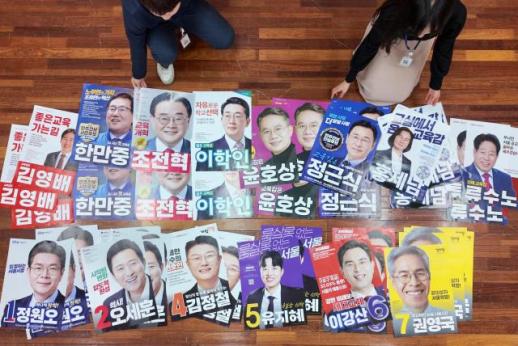 South Korea Prepares for Local Election Campaign Season as Posters Fill Seoul Streets SEOUL, May 20 (AJP) -Stacks of campaign posters wait to be sorted as election officials inspect candidate materials at the Seoul Metropolitan Election Commission in Seoul on May 20, on the eve of South Korea’s official campaign season for the June 3 local elections. Beginning May 21, the country’s streets, subway exits and neighborhood intersections will transform into a sea of banners, loudspeakers and campaign trucks as candidates fan out nationwide for 13 days of rallies and public speeches. Election posters will begin appearing at designated sites across Seoul and other cities by May 22, while households are set to receive campaign booklets introducing candidates and policy pledges by May 24. Under election rules, candidates may campaign in public from 7 a.m. to 11 p.m., though amplified broadcasts are restricted after 9 p.m. Social media, text messaging and online campaigning remain permitted throughout the election period, reflecting how digital platforms have become as central to Korean elections as street corners and traditional stump speeches. The National Election Commission also warned against the spread of AI-generated deepfake videos and false online information, both prohibited under election law ahead of the vote. 2026-05-21 09:01:33
 -
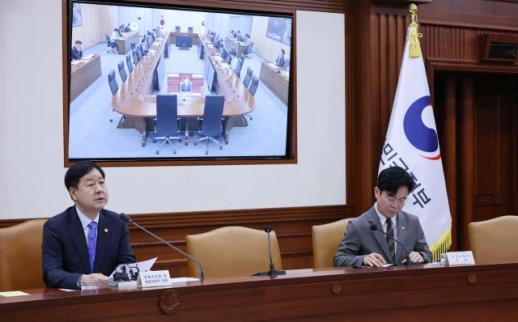 Korea to Announce Sixth Oil Price Cap Amid Inflation Concerns Deputy Prime Minister and Minister of Economy and Finance Koo Yun-cheol announced that the government will reveal the sixth oil price cap at 7 p.m. on May 21, in response to inflation concerns stemming from the prolonged conflict in the Middle East. He also stated that the government will immediately begin revising the enforcement decree of the Price Stabilization Act. During the ninth meeting of the Special Task Force on Price Management held at the Government Seoul Building, Koo noted, "As uncertainties from the Middle East conflict persist, producer prices continue to rise, and there is increasing upward pressure on consumer prices. The government will do its utmost to stabilize prices and minimize the burden on the public." The sixth oil price cap, which will take effect at midnight on May 22, will be announced based on a comprehensive assessment of international oil price trends and the economic burden on the public. Koo explained, "We will consider various factors, including international oil prices and the burden on households and the government." Additionally, the government will extend the fuel tax reduction measure, originally set to expire at the end of this month, until the end of July. This extension aims to alleviate the financial burden on consumers amid increased volatility in international oil prices due to the ongoing conflict. The meeting also addressed measures to enhance the effectiveness of price stabilization initiatives. The government plans to strengthen penalties and recovery systems for violations of the Price Stabilization Act, including prohibiting hoarding and price collusion. Koo emphasized, "We will revise the Price Stabilization Act to ensure that items facing supply concerns are distributed more swiftly and that illegal profits are thoroughly recovered." The government intends to implement measures that will impose orders and fines on those found violating price stabilization regulations, and in cases requiring urgent supply, confiscated goods may be sold immediately. Furthermore, a new system for imposing fines exceeding unjust profits and a reward system for reporting violations will be established to enhance private monitoring. Koo reiterated, "We will promptly begin revising the enforcement decree of the Price Stabilization Act and push for legislative changes as quickly as possible." The meeting also revealed the results of an investigation into price collusion among seven flour mills. The Fair Trade Commission plans to impose a record fine of 671 billion won for collusion on flour prices. The government will closely monitor any price increases that may exploit the rising costs due to the Middle East conflict.* This article has been translated by AI. 2026-05-21 08:57:00
 -
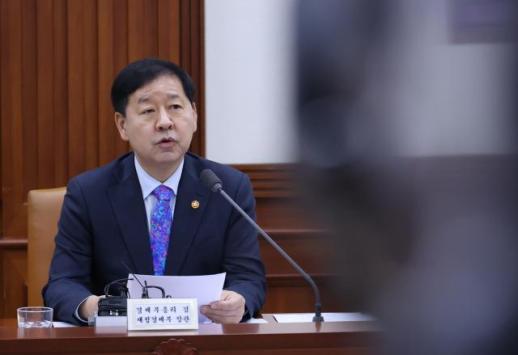 Korea to Provide $60 Million Financial Aid to Middle Eastern Countries Amid Ongoing Conflict Deputy Prime Minister and Minister of Economy and Finance Koo Yun-cheol announced plans to provide a total of $60 million in financial aid to Middle Eastern countries facing liquidity challenges due to the prolonged conflict in the region. He stated that the government will respond calmly and consistently to the U.S. Section 301 investigation into trade practices. During the 268th Foreign Economic Ministers' Meeting held at the Government Seoul Building on May 21, Koo noted, "The uncertainty surrounding our economy remains significant due to tensions in the Middle East and changes in the global trade environment. The government will focus its efforts on responses that the market and businesses can feel." The government plans to offer $30 million each through the Export-Import Bank and the Korea Trade Insurance Corporation to major contractors in the Middle East experiencing temporary liquidity crises due to the ongoing war. Koo explained, "As the saying goes, 'A friend in need is a friend indeed,' we are pursuing financial support for countries that have had close ties with the development of the Korean economy." The government also discussed measures to strengthen supply chain responses amid the resurgence of risks in the Middle East. Plans include supporting domestic production linked to production incentive tax systems and subsidies, as well as establishing new stockpiles of essential goods for industry and daily life. For items that cannot be produced domestically, the government will secure overseas production bases and diversify import sources. The goal is to reduce dependence on specific countries for economic security items to below 50% by 2030. Koo emphasized, "It is now time to move beyond a simple efficiency-centered structure and strategically invest in enhancing supply chain resilience." He added that the government will actively consult with the European Union to minimize industry damage following the EU's recent decision to reduce steel import quotas and strengthen tariffs on excess quantities. Regarding the U.S. Section 301 investigation, Koo stated that the government aims to ensure that the existing balance of interests between South Korea and the U.S. is not disrupted. Previously, the government has articulated its position through written comments and public hearings related to investigations into forced labor and overproduction by the U.S. Koo affirmed, "We will calmly respond by actively explaining our position in upcoming bilateral consultations with the U.S. government to ensure that the previously agreed-upon balance of interests is maintained." Additionally, the meeting reviewed the progress of the Comprehensive Economic Partnership Agreement (CEPA) with Serbia. The government plans to accelerate negotiations with China, India, and ASEAN countries while swiftly concluding the agreement with Serbia to strengthen its foothold in Europe.* This article has been translated by AI. 2026-05-21 08:53:06
 -
 Iran Establishes 'Controlled Area' in Strait of Hormuz, Requires Pre-Approval for All Vessels The Iranian government has announced the establishment of a 'controlled area' in the Strait of Hormuz, managed by the newly formed Persian Gulf Strait Authority (PGSA). On May 20, the PGSA stated via social media platform X (formerly Twitter) that the eastern boundary of the controlled area will be defined by a straight line connecting Iran's Kuhe Mobarak and Fujairah in the southern United Arab Emirates (UAE). The western boundary will connect the tip of Iran's Qeshm Island to Umm al-Quwain in the UAE. The authority emphasized that all vessels intending to transit the Strait of Hormuz through this controlled area must coordinate in advance and obtain official permission. Earlier, on May 18, the PGSA introduced itself on X, stating, "The authority is a regulatory body responsible for managing navigation in the Strait of Hormuz and serves as the legal representative of the Islamic Republic of Iran." It further warned, "Navigation within the designated area of the Strait of Hormuz, as established by Iranian military authorities and government officials, must be coordinated with this agency in advance, and unauthorized passage will be considered illegal." Reports from AP and CNN indicated that the Iranian government aims to formalize its control over the Strait of Hormuz with the establishment of the Persian Gulf Strait Authority, which was announced on May 7. CNN reported that the authority has mandated the completion of a 'Vessel Information Declaration' form for all vessels to ensure safe navigation. According to a document obtained by CNN, the form consists of over 40 items, requiring details such as the vessel's name and identification number, country of departure and destination, owner and operator information, crew nationality, and cargo details. Past names of the vessel must also be included, and this information must be submitted to Iranian authorities via email prior to passing through the Strait of Hormuz.* This article has been translated by AI. 2026-05-21 08:52:07
 -
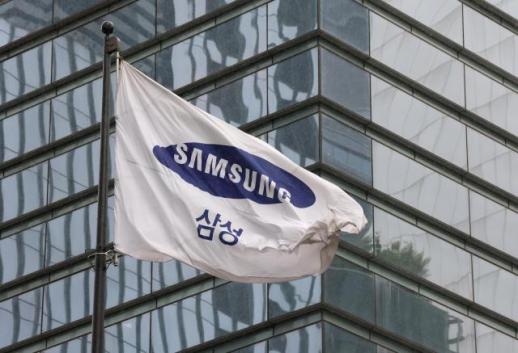 Samsung Electronics Raises Salary Cap and Agrees to 6.2% Wage Increase Samsung Electronics has reached a tentative agreement on its wage negotiations for 2026, raising the salary cap for managerial positions to 130 million won and increasing the first child birth support payment to 1 million won. According to industry sources on May 21, Samsung's labor and management agreed on a wage increase rate of 6.2% in the previous day's negotiations. This includes a base increase of 4.1% and a performance-based increase of 2.1%. The salary cap for managerial positions has also been unified at 130 million won, regardless of whether the role is in development or non-development. Previously, the cap was set at 122 million won for development roles and 120 million won for non-development roles. For assistant and deputy manager positions (CL3), the cap has been raised from 100 million won to 110 million won. The entry-level salary for new college graduates (CL2) has increased from 76 million won to 80 million won. The agreement also includes significant improvements to welfare benefits and working conditions. To enhance productivity through housing stability for employees without homes, a 'company housing loan system' will be implemented. Details regarding the amount of support, eligibility, and timing will be determined separately by the company. Childbirth support payments have been substantially increased. The payment for the first child has risen from 300,000 won to 1 million won, for the second child from 500,000 won to 2 million won, and for the third child and beyond from 1 million won to 5 million won. Compensation for employees on modified shift schedules has also been improved. If a member working modified shifts chooses to work on a designated holiday, they will receive an additional payment equivalent to four hours of their regular hourly wage, in addition to their usual holiday pay. Separately, the agreement on performance bonuses will be distinct from the collective agreement for 2025 and the wage agreement for 2026, and will remain in effect until February 28 of next year.* This article has been translated by AI. 2026-05-21 08:49:34
 -
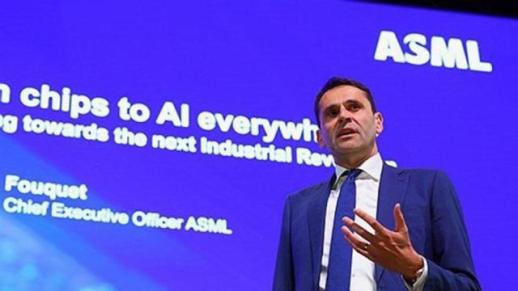 ASML CEO: Strong AI Demand Will Keep Semiconductor Supply Short A surge in demand for artificial intelligence (AI) is expected to prolong the global semiconductor supply shortage. The simultaneous growth in semiconductor needs for AI data centers, satellites, and robotics is outpacing production capabilities. On May 20, Christoph Hocke, CEO of ASML, stated at the Imec Technology Forum in Antwerp, Belgium, that "AI demand is extremely strong," and warned that the semiconductor market could remain in a state of supply shortage for a significant period. He projected that the global semiconductor market could grow to $1.5 trillion by 2030, highlighting the potential for bottlenecks throughout the supply chain. ASML is a key player in the advanced semiconductor lithography equipment market, which is essential for etching circuits onto semiconductor wafers. Major semiconductor companies, including TSMC, Samsung Electronics, SK Hynix, Micron, and Intel, utilize ASML's equipment for producing advanced logic chips and high-performance memory. Hocke also pointed to Elon Musk's plans for a large-scale AI semiconductor factory, dubbed 'TerraFab,' and the Starlink satellite project as factors that could further drive semiconductor demand. He mentioned discussions with Musk regarding these projects, stating, "Musk is very serious about these initiatives." If these large AI factories and satellite internet networks translate into actual investments, competition for semiconductor equipment and production capacity could intensify. In response to the strong demand, ASML is enhancing its equipment performance. The company is supplying next-generation high-NA EUV (extreme ultraviolet) lithography equipment capable of creating finer circuits. ASML is also developing related equipment for advanced packaging. Semiconductor products utilizing high-NA EUV technology are expected to be available within months, with companies like Intel, Samsung Electronics, and SK Hynix already in the process of adopting this equipment. The robust demand is reflected in ASML's financial outlook. Last month, the company raised its revenue forecast for 2026 to between €36 billion and €40 billion (approximately $56 billion to $62 billion) due to strong AI demand. Hocke noted, "Even then, semiconductor demand is outpacing supply," adding that clients are accelerating their production capacity expansion plans.* This article has been translated by AI. 2026-05-21 08:46:41