
Journalist

Park Yong-jun
-
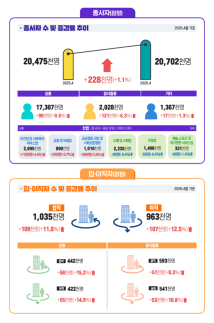 Wage Gap Widens Amid Performance Bonus Season Worker wages increased in the first quarter of this year, driven by expanded performance bonuses among large exporting companies. However, the improvement in real wages, adjusted for inflation, was limited. In March, the wage gap between businesses of different sizes exceeded 2.7 million won, indicating a growing polarization in the labor market.According to the 'April 2026 Business Labor Force Survey Results' released by the Ministry of Employment and Labor on May 28, the average nominal wage for employees in businesses with one or more regular workers was 4,555,000 won, a 3.4% increase (149,000 won) compared to the same period last year.However, real wages, which account for inflation, rose only to 3,847,000 won, reflecting a modest increase of 1.3% (49,000 won). The ongoing rise in consumer prices has significantly offset the nominal wage gains.In March, the total wage per worker across all sectors was 4,230,000 won, marking a 2.3% increase compared to the same month last year. This is a return to normal levels after a spike in February, when wage growth reached 17.8% due to the timing of holiday bonuses.March is typically a peak period for performance bonuses and special allowances, which highlighted the wage disparities based on company size.The average monthly wage for employees in businesses with 300 or more workers was 6,512,000 won, approximately 1.7 times higher than that of businesses with fewer than 300 workers, which stood at 3,743,000 won. While the wage growth rates for both categories were similar at 1.7% and 2.0%, the absolute wage gap reached 2,769,000 won.Special bonuses for regular workers averaged 526,000 won, reflecting a 4.4% increase from the previous year. This growth is attributed to the expansion of performance bonuses among large exporting firms in sectors such as semiconductors, automobiles, and shipbuilding.In contrast, small and medium-sized enterprises, facing sluggish domestic demand and high interest rates, have struggled to secure funds for performance bonuses, exacerbating the perceived wage gap. For instance, the total wage in the accommodation and food service sector in March was only 2,343,000 won, significantly below the overall average.The growth in real wages was also minimal. In March, real wages were 3,560,000 won, reflecting only a 0.1% increase compared to the same month last year. The persistent consumer price inflation, remaining in the 2% range, has limited the perceived improvement in wages.Employment trends continued to show a gradual increase. As of the last business day in April, the number of employees in businesses with one or more workers reached 20,702,000, an increase of 228,000 (1.1%) compared to the same month last year.Regular workers increased by 90,000 (0.5%), while temporary and daily workers rose by 121,000 (6.3%). By company size, businesses with fewer than 300 workers added 171,000 employees, while those with 300 or more added 57,000.By industry, the health and social welfare services sector saw the largest increase, adding 115,000 jobs. The finance and insurance sector added 32,000 jobs, and public administration, defense, and social security administration added 26,000. Conversely, the wholesale and retail sector lost 9,000 jobs, and the construction sector lost 5,000.Manufacturing, which employs the largest share of the workforce, saw an increase of 3,000 jobs, continuing its positive trend. Jeong Hyang-sook, head of the Labor Market Research Division, explained, "After adjusting the statistics to reflect the latest population data, manufacturing has shown a turnaround earlier than initially reported, marking its first increase in seven months."Last month, the number of new hires was 1,035,000, an increase of 109,000 compared to the same month last year, while the number of separations was 963,000, up by 107,000. Among these, voluntary separations totaled 339,000, an increase of 65,000 (23.7%).* This article has been translated by AI. 2026-05-28 12:03:00
 -
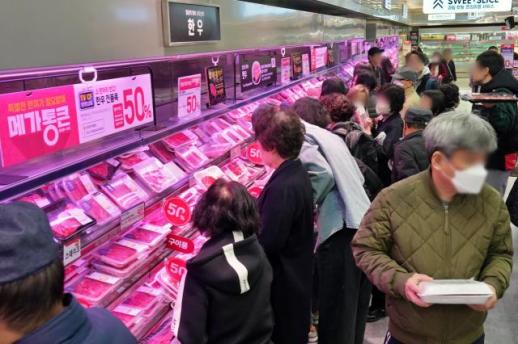 Income Growth Fails to Keep Pace with Consumer Spending in Q1 In the first quarter of this year, household consumption showed signs of recovery, but income growth lagged behind, leaving many low-income families feeling significant financial strain. Notably, the trend of 'deficit spending' is deepening among lower-income households, where expenditures exceed income. According to the National Data Agency's "2026 Q1 Household Trend Survey" released on May 28, the average monthly income per household reached 5.481 million won, a 2.4% increase compared to the same period last year. However, the real income growth rate, adjusted for inflation, was only 0.4%. Household spending rose to 3.105 million won, marking a 5.3% increase that significantly outpaced income growth. Consequently, the average household surplus decreased by 3.1% to 1.239 million won, while the average consumption propensity rose by 1.7 percentage points to 71.5%. This consumption propensity indicates the proportion of disposable income spent, suggesting that households are left with less disposable income. The recovery in consumer spending, which began in the previous quarter, has become more pronounced. Notably, expenditures on transportation and logistics surged by 12.1%, while spending on entertainment and culture increased by 12.0%, and health expenditures rose by 10.4%. This reflects a simultaneous increase in car purchases, a rebound in overseas travel demand, and rising medical costs. Analysts suggest that the recovery in consumer sentiment, stock market rebounds, and rising asset prices since late last year have contributed to some increase in spending capacity. However, the benefits of this recovery are not evenly distributed across income levels. Households in the lowest income quintile saw their average monthly income rise by only 2.7% to 1.17 million won, while their spending increased by 7.3%. Their average consumption propensity stood at 155.3%, indicating that their spending exceeds their disposable income. This suggests that many households are relying on debt or depleting existing assets to cover living expenses. In contrast, households in the highest income quintile experienced a 4.2% increase in average monthly income to 12.378 million won, with disposable income rising by 5.1%. Their spending also increased by 6.9%, but their average consumption propensity remained at a stable 57.7%. This indicates that higher-income households are seeing faster income growth and relatively stable spending capacity. The income gap continues to widen, with the income quintile ratio based on equalized disposable income rising to 5.91 times, up from 5.82 times a year earlier. Equalized disposable income accounts for differences in household size, serving as a measure of actual living standards. A higher ratio indicates a deepening income polarization. Despite increases in government transfer income, the widening gap in market income remains a concern. Notably, the growth rate of earned income has slowed. In the first quarter of this year, earned income rose by only 0.3% to 3.422 million won. This reflects a base effect from last year's significant increases due to improvements in the semiconductor industry and expanded bonuses, as well as a slowdown in employment in manufacturing and construction. Conversely, transfer income increased by 9.7%, driving overall income growth. This rise is attributed to increases in public transfer income, such as national pensions and basic pensions, as well as expanded government support. In fact, a similar trend of rising transfer income was observed in the fourth quarter of last year, which helped sustain overall household income.* This article has been translated by AI. 2026-05-28 12:03:00
 -
 Climate Ministry Reveals 158 Violations of Construction Waste Law, Including Major Firms Hyosung Heavy Industries, Daebang Construction, and the Korea Land and Housing Corporation (LH) are among the 158 entities publicly identified for violating the construction waste law last year. The Ministry of Climate, Energy and Environment announced that it will disclose the names of the corporations, project names, violations, and penalties for these infractions from January to December 2025 on its website for one year starting from May 28. This disclosure represents approximately 13.1% of the total 1,203 violations of the construction waste law recorded last year, a decrease of 14.1% from the previous year's 184 cases. The disclosed violations include administrative penalties, prison sentences, fines, and fines of less than 10 million won. The list includes private construction companies such as Hyosung Heavy Industries, Daebang Construction, Jungheung Construction, and Kyeryong Construction Industry, as well as public enterprises like LH's Southern and Northern Gyeonggi regional headquarters, Korea Electric Power Corporation, and Korea Expressway Corporation's Gimpo-Paju construction project team. Local public enterprises such as Gyeonggi Housing and Urban Corporation and Incheon Urban Corporation are also included. By type of violator, waste generators accounted for the largest share with 78 cases, followed by collection and transportation companies with 48 cases, and intermediate processing companies with 32 cases. In terms of penalties, there were 55 administrative penalties, 2 fines, and 101 fines. Among specific violations, waste generators had the highest number of infractions related to non-compliance with construction waste storage standards, totaling 61 cases. Collection and transportation companies reported 28 cases of violations, including exceeding waste acceptance limits and delays in processing, as well as environmental contamination. Intermediate processing companies had the most cases of failing to comply with permit changes, with 13 instances. Notably, many of the disclosed violations focused on inadequate site management, such as non-compliance with storage standards and delays in processing, rather than illegal dumping, highlighting the need for strengthened management systems at each stage of construction. Kim Go-eung, director of the Resource Circulation Bureau at the Ministry, stated, "Construction waste accounts for about 36% of total waste generation, so transparent and lawful management from the generation stage to final disposal is essential. We will prevent similar violations from recurring through the disclosure of violations and enhanced on-site training."* This article has been translated by AI. 2026-05-28 12:03:00
 -
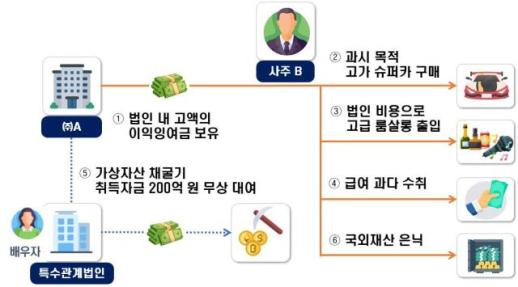 Tax Agency Targets Supercar Tax Evasion Among Corporations The National Tax Service (NTS) has launched investigations into individuals suspected of tax evasion by using corporate funds for personal luxury, including the private use of supercars registered under corporate names. Following the introduction of green license plates, there has been a resurgence in the purchase of high-value corporate vehicles, prompting the NTS to target these irregular tax practices involving 'corporate supercars.' On May 28, the NTS announced that it has selected 19 corporations suspected of supporting lavish lifestyles for their owners or engaging in improper gifting and fund misappropriation. The targeted companies collectively own 90 high-value vehicles, valued at approximately 30 billion won. The total amount of suspected tax evasion is estimated at around 300 billion won. The NTS plans to focus on several key areas during the investigation, including the use of corporate funds to support extravagant lifestyles, irregular accounting practices, and improper gifting to the owners' children. Despite the introduction of the green license plate system aimed at curbing the private use of high-value corporate vehicles, registrations have continued to rise. In fact, the number of new registrations for corporate vehicles valued over 100 million won increased from 48,894 in 2022 to 51,542 in 2023. Although the number dropped to 33,960 in 2024 due to the impact of the new license plate system, it has risen again to 39,429 this year. The NTS has also uncovered evidence that some owners have manipulated driving logs while using corporate supercars for personal visits to golf courses, entertainment venues, and luxury hotels. In one case, a corporation purchased six supercars worth 3.6 billion won using corporate funds for personal use by the owner’s family. Another company was found to have improperly classified approximately 1.5 billion won in entertainment expenses at a room salon as corporate costs over several years. Instances of overseas asset concealment and improper gifting have also been detected. One owner failed to report 17 billion won earned from overseas stock investments, hiding the funds in foreign accounts, while another individual is suspected of improperly gifting funds for the purchase of buildings worth several billion won to their underage children. The NTS noted an increase in irregular succession methods, such as transferring high-value vehicles to family companies at undervalued prices or providing large loans without interest. They plan to conduct thorough examinations of the overall flow of funds. Additionally, the NTS intends to verify fund flows through digital forensics, tracking financial accounts, and conducting on-site inspections. If intentional tax evasion is confirmed, they will pursue legal action under the Tax Offenses Punishment Act. An NTS official stated, "Using corporate vehicles and funds for personal purposes undermines tax fairness and creates a sense of relative deprivation. We will pursue luxury tax evasion relentlessly." 2026-05-28 12:03:00
 -
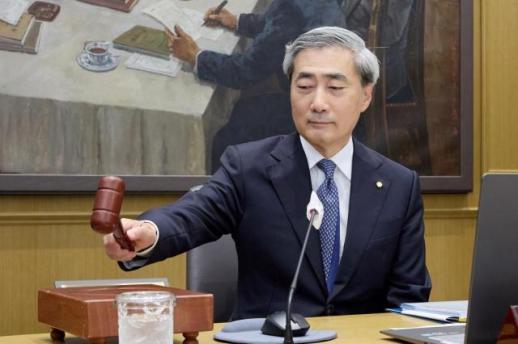 Bank of Korea Governor Shin Hyun-sung Calls for Interest Rate Increase Bank of Korea Governor Shin Hyun-sung stated on May 28 that raising the benchmark interest rate in the future would provide an opportunity to manage various economic factors consistently. During a press conference following the monetary policy committee's decision to maintain the interest rate at 2.50%, Governor Shin noted, "Inflation has directly impacted consumer prices, and growth showed positive numbers in the first quarter. The exchange rate is leaning towards weakness, and issues related to real estate and household debt are resurfacing." He added, "The core inflation rate was 2.2% in April, but other indicators suggest that inflationary pressures are clearly present. The living cost index has the most direct impact on expected inflation, and considering the current economic situation and price trends, I believe there are ongoing upward pressures on prices." Governor Shin explained, "The most challenging aspect of policy implementation is that there are multiple objectives that can conflict, creating a dilemma. However, in this case, when looking at inflation, growth, exchange rates, and real estate, the path forward is clear. Raising the benchmark interest rate will provide an opportunity to manage these various factors consistently." He continued, "We need to consider three issues: how quickly to raise the rate, how far to raise it, and the answers to these questions will be reflected in the dot plot released today." The dot plot revealed that out of 21 projections, 10 indicated a level above the current interest rate of 3.00%, while 7 projected 2.75%. A total of 19 out of 21 projections were above the current rate, indicating that most committee members expect an interest rate increase within six months. Although the committee has held the rate steady for the eighth consecutive time, there were minority opinions advocating for an increase during the monetary policy meeting. Governor Shin remarked, "Considering the uncertainty, we only have statistics on core inflation up to April, so there was a suggestion to weigh the uncertainty more heavily. The minority opinions can generally be viewed as strategic differences under the same overarching perspective."* This article has been translated by AI. 2026-05-28 11:51:00
 -
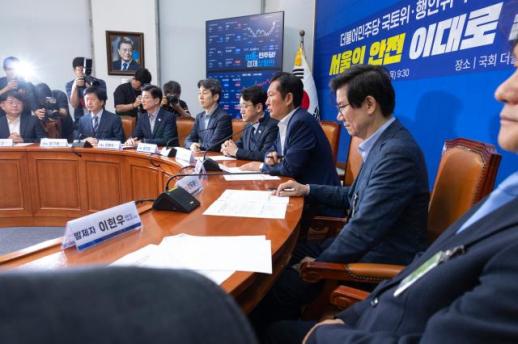 Ruling Party Calls for Thorough Investigation into Seoul Bridge Collapse Jung Cheong-rae, chairman of the Democratic Party, emphasized the need for a thorough investigation into the recent collapse of the Seosomun overpass and the missing rebar in the GTX-A line section at Samseong Station. "We must ensure that such incidents do not happen again by implementing effective preventive measures," he stated. On the morning of May 28, Jung convened an emergency forum with members of the Democratic Party's Land, Infrastructure and Transport Committee and the Administrative Safety Committee. He remarked, "To move toward a safer South Korea, we need to reassess our entire safety management system from top to bottom." He explained the forum's purpose, saying, "This is a critical issue that threatens the lives and safety of Seoul's citizens, and we must diagnose the causes to prevent similar accidents in the future." He added, "Those responsible must be held accountable." Jung also highlighted the need for legislative action, stating, "It was shocking to hear that there is no law regarding the dismantling of SOC (social overhead capital) in South Korea. This underscores the reality we face. We will review everything from immediate actions to long-term needs and take the lead in legislation and policy." After the forum, lawmaker Yoon Geon-young told reporters, "We discussed the issues arising from the lack of specific laws or procedures related to SOC dismantling. We will work on creating legislation and institutional improvements at the National Assembly level." Lawmaker Cheon Jun-ho criticized the Seoul city government's approach, saying, "There have been repeated safety issues at construction sites recently commissioned by the city. The belief that 'what the city does must be safe' has been shattered. Despite this, the city's attitude has been overly complacent." He continued, "The Seosomun collapse is also a reflection of safety negligence. Inspections were conducted without adequate safety measures, and there are concerns that the city approved the dismantling plan without sufficient review, selecting the construction company just six days later." Cheon concluded, "We can no longer rely solely on the city; we will discuss measures with the government." The forum was attended by lawmakers from the Administrative Safety Committee, including Yoon Geon-young, Mo Gyeong-jong, Park Min-kyu, Oh Gi-hyeong, Lee Hae-sik, and Chae Hyun-il, as well as Yeom Tae-young from the Land, Infrastructure and Transport Committee.* This article has been translated by AI. 2026-05-28 11:48:00
 -
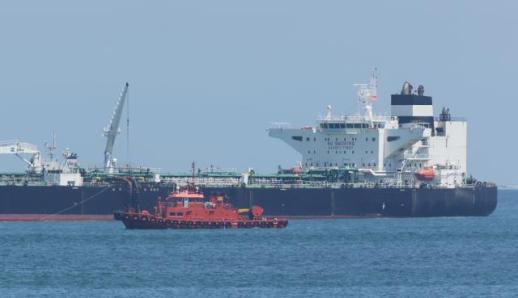 South Korea to Release 12 Million Barrels of Strategic Oil Reserves With about ten days remaining until the deadline for releasing strategic oil reserves under the International Energy Agency (IEA) joint resolution, the South Korean government has decided to lower the mandatory private stockpile days. This decision comes as refiners accelerate the import of alternative crude oil, and approximately 15 million barrels of strategic oil swap are already circulating in the market, leading to the conclusion that government releases would be less effective. Yang Gi-wook, head of the Ministry of Trade, Industry and Energy's Resource Security Division, announced on May 28 during a briefing at the Sejong Government Complex, "We have decided to implement the IEA international cooperation by adjusting the mandatory private stockpile days. We will issue a notice to reduce the requirement from 40 days to 20 days, effective from May 29." Previously, on March 11, shortly after the outbreak of war in the Middle East, the IEA decided to release a record 400 million barrels of strategic oil. South Korea's share of this release amounts to 22.46 million barrels, which must be completed by June 9. According to the Ministry of Trade, the IEA's release conditions differentiate between government releases from strategic oil storage facilities and private releases through the adjustment of mandatory stockpile days. Initially, the government had informed the IEA that it would utilize both government and private releases equally. This new approach indicates a preference for proceeding primarily with private releases. Yang emphasized, "We made this decision based on three factors: the national interest, the current domestic crude oil supply situation, and the prolonged uncertainty in the Middle East. Given that there are no significant issues with the current domestic supply situation, we are moving forward with private releases to comply with the IEA joint resolution." The estimated volume for the private release under the joint resolution is 12 million barrels. The government believes that reducing the mandatory private stockpile will allow refiners to manage their inventories more effectively. However, since refiners currently have sufficient stock, the release of private reserves is not expected to happen immediately. Yang noted, "This means that the private sector will have more flexibility in how they utilize their reserves, but it does not imply that they will be released right away. We also considered that the private stockpiles are not significantly different from pre-war levels in the Middle East." The government estimates that the private sector holds about 90 million barrels of crude oil and products, exceeding the mandatory holding requirement. Given the heightened uncertainty surrounding the Middle East conflict, the government plans to conserve its strategic reserves as much as possible. Yang stated, "During discussions with refiners, it was suggested that since they have secured alternative supplies, it would be prudent to proceed with strategic oil swaps for the time being, and to release government reserves only if the situation worsens. This was a comprehensive assessment considering the supply situation of the nation and refiners." Among the 22 million barrels to be released under the IEA joint resolution, the 10.46 million barrels not allocated for private release are unlikely to be released. Yang explained, "Of the 32 IEA member countries, four have not participated in the joint resolution, and as of June 8, ten countries have yet to release any strategic oil. Each country has considerable discretion in this matter." He added, "Since each country has flexibility regarding their situation, release methods, timing, and volumes, there are no penalties for not releasing. We believe that if we communicate our intentions adequately, the non-release of about 10 million barrels will not become a major issue." Yang also mentioned, "The strategic oil swap is being viewed as a new method for government reserves to enter the market, and we will be able to explain this adequately to the IEA in the future." Meanwhile, the government expects to secure crude oil at about 85% of the previous year's levels by July and anticipates no significant issues with crude oil supply in August. Yang remarked, "As we continue to secure alternative supplies, the supply situation does not seem to be difficult, and we do not expect significant differences from June and July."* This article has been translated by AI. 2026-05-28 11:39:00
 -
 Government Calls for Enhanced Safety Management at Power Plants Government officials have convened power generation companies to address recent serious accidents at power plants and to strengthen safety management across all operational phases. They emphasized the need for power companies to establish a responsible safety management system not only during operation but also during maintenance and decommissioning stages.On May 28, the Ministry of Employment and Labor held a meeting at the Government Sejong Center, led by Ryu Hyun-cheol, head of the Occupational Safety and Health Agency. Participants included representatives from the Ministry of Climate, Energy and Environment, five major power companies—Namdong, Nambu, Dongseo, Seobu, and Jungbu Power—and the Korea Occupational Safety and Health Agency.This meeting was organized to review measures to prevent the recurrence of serious accidents, following incidents such as the Taehan Thermal Power Plant entrapment accident and the collapse of the boiler building at the Ulsan Thermal Power Plant last year. The focus was on sharing risk factors across power plant sites and discussing safety management practices and areas for improvement specific to each company.During the meeting, the Ministry identified several common risk factors present at power plants, including collisions during crane and forklift operations, falls during scaffolding installation and dismantling, asphyxiation in confined spaces, explosions due to flammable gas leaks, and heat-related illnesses caused by extreme temperatures.Given the complex nature of operations involving high-temperature and high-pressure equipment, as well as the handling of chemicals and confined space work, the Ministry stressed that power companies must go beyond mere legal compliance and ensure that risk factors are effectively managed during actual work processes.The Ministry also shared findings from an inspection related to the Ulsan Thermal Power Plant collapse, conducted by HJ Heavy Industries. The inspection revealed deficiencies in the safety and health management system and improper use of industrial safety and health management funds, resulting in 52 criminal referrals, 306 fines totaling 880 million won, six work stoppages, and one equipment shutdown.During the meeting, power companies discussed the improvements made since the incidents and acknowledged the need for enhanced safety management support for subcontractors, identification of safety blind spots, and the refinement of work procedures.Ryu Hyun-cheol stated, "Safety management at power plants must be thorough across all phases, including operation, maintenance, and decommissioning. Power companies must ensure that worker safety is not compromised during the decommissioning process and take responsible safety measures."* This article has been translated by AI. 2026-05-28 11:33:00
 -
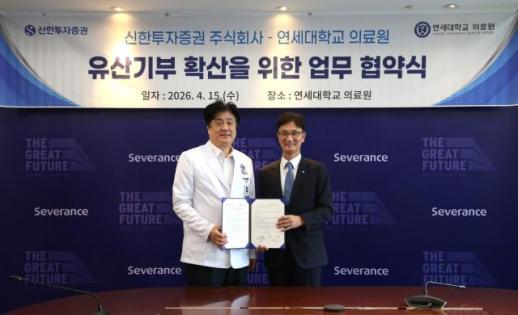 Lee Sun-ho, CEO of Shinhan Investment Corp., Rebuilding Trust in Finance Lee Sun-ho's leadership at Shinhan Investment Corp. begins with restoring trust rather than focusing solely on growth. He has taken on the role of rebuilding the organization, which was shaken by a major financial incident and internal control controversies. Since his appointment, he has emphasized that 'internal control is not just an obligation but a part of the organizational culture.' At the same time, he is pursuing new growth strategies, including the issuance of notes, digital assets, and AI-based asset management. His leadership is characterized by a focus on organizational stability and trust recovery while not neglecting digital transformation. Leadership Focused on Restoring Trust After Financial CrisisLee Sun-ho took the helm during a crisis. Shinhan Investment Corp. faced a loss of approximately 130 billion won during the management of an ETF LP in 2024, which was compounded by issues of internal record manipulation, shaking the entire organization’s trust. The market viewed this not merely as a management failure but as a fundamental issue with the internal control system.Lee made his direction clear immediately after taking office. He stated that internal control would be redesigned as a fundamental structure of organizational operations rather than merely a post-event inspection function. In practice, Shinhan Investment Corp. has reorganized the roles and responsibilities across its front, middle, and back offices and elevated the risk management department to a group level. A new customer risk management department was established, and operational risk management functions were strengthened.He repeatedly emphasized, "Internal control should not be an obligation imposed by someone but should become a habit." This is not just a slogan; following the top-down system establishment, he now demands a bottom-up cultural change within the organization. The implementation of a whistleblower system and a mandatory leave system, along with the introduction of an AI-based anomaly detection system, aligns with this approach.The core of Lee's leadership is ultimately 'finance that prevents accidents.' He aims to establish the trust structure of the organization before focusing on short-term performance. This approach, while not flashy, is considered the most necessary leadership in the current financial sector. Pursuing Growth Strategies Amid StabilityHowever, viewing Lee Sun-ho's leadership as merely stability-focused is insufficient. He is simultaneously pursuing growth strategies, with the issuance of notes being a prime example. Shinhan Investment Corp. secured approval for note issuance at the end of 2025, establishing a new funding base.This is not just a new business; it is an enterprise-wide infrastructure connecting corporate finance, management, and retail. Lee aims to strengthen the competitiveness of investment banking centered on productive finance and venture capital based on this foundation. In fact, he established a comprehensive investment banking department to provide financial solutions to emerging industries such as AI, semiconductors, healthcare, and green energy.He does not view note issuance merely as a funding tool. His statement, "We will create a virtuous cycle that supplies growth capital to companies and shares the fruits of growth with investors," reflects this direction.Performance is also showing signs of recovery. Shinhan Investment Corp.'s net profit reached 381.6 billion won, a 113% increase from the previous year, and operating profit also improved significantly. The recovery in performance was driven by increases in commission fees and profits related to financial products. Notably, the IRP yield ranked among the highest in the industry, enhancing wealth management competitiveness.Ultimately, Lee Sun-ho's strategy is not merely defensive. It is more about redesigning the growth structure based on internal control. Transforming Asset Management with AI and Life CareAnother focus for Lee Sun-ho is digital and life care asset management. He does not see asset management merely as the sale of financial products but aims to expand it into a service that designs the entire life of the customer.In fact, he emphasized in a recent essay that "asset management is evolving beyond simple investment management into life care." He believes that integrated solutions encompassing taxes, real estate, inheritance, and retirement planning will be key in the future.To this end, Shinhan Investment Corp. operates the 'Shinhan Premier Pathfinder' organization. This structure allows tax, real estate, legal, and foreign exchange experts to conduct a comprehensive diagnosis of customer assets. This strategy connects not just wealth management competition but the entirety of the customer's life within financial services.AI is also utilized in the same direction. Shinhan Investment Corp. is developing services that support customers' investment decisions through AI-based PB services and enhanced mobile trading systems. This is an attempt to provide 'understandable investments' and 'managed assets' rather than a transaction-centered platform.However, challenges remain. In the past five years, the number of IT system failures has been among the highest in the industry, and the ETF loss incident revealed limitations in internal systems. Ultimately, digital innovation must ensure stability alongside speed.Lee Sun-ho's leadership currently stands at a turning point. He emphasizes trust recovery and system stability over aggressive expansion. However, he also aims not to overlook future growth foundations such as note issuance, AI, and digital assets. Ultimately, his entrepreneurial spirit in finance connects to one question: Can finance that has regained trust grow again?* This article has been translated by AI. 2026-05-28 11:30:00
 -
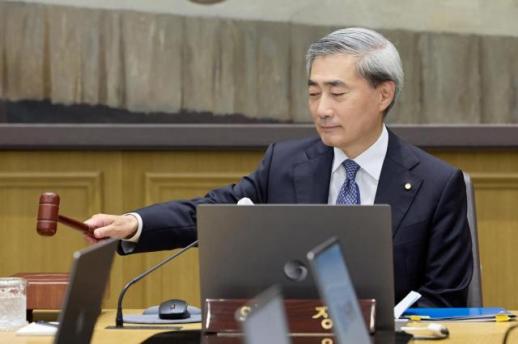 Bank of Korea Governor Shin Hyun-sung: Strong Semiconductor Market to Boost Growth by 0.7% Bank of Korea Governor Shin Hyun-sung stated on May 28 that a stronger-than-expected semiconductor market and the resulting increase in exports will raise the country's growth rate by 0.7 percentage points. Following a monetary policy committee meeting where the base rate was held steady at 2.50%, Shin held a press conference and noted that while the ongoing conflict in the Middle East is expected to lower growth by 0.4 percentage points, government fiscal measures and a booming stock market could boost growth by 0.2 and 0.1 percentage points, respectively. Regarding consumer price inflation, Shin predicted that the effects of the Middle East conflict would emerge. He remarked, "The government's price stabilization measures will help alleviate upward pressure, but the rising international oil prices are likely to impact the prices of industrial goods and services, leading to greater demand pressure than anticipated as the economy continues to improve." In fact, domestic prices surged significantly due to rising oil prices, with the consumer price inflation rate reaching 2.6% in April, and short-term inflation expectations hovering in the upper 2% range. Looking ahead to monetary policy direction, Shin indicated that an increase in the base rate would be necessary at an appropriate time. The Bank of Korea's monetary policy, which has maintained the base rate for eight consecutive meetings, is now more likely to shift toward a tightening stance. He explained, "With inflation expected to exceed target levels for an extended period and growth showing solid improvement, we need to remain cautious about financial stability, particularly regarding exchange rate volatility, housing prices in the metropolitan area, and household debt risks. Considering these factors, it will be necessary to raise the base rate at an appropriate time."* This article has been translated by AI. 2026-05-28 11:30:00