
Journalist

Wolfgang Preiser, Cheryl Baxter, Jean Nachega
-
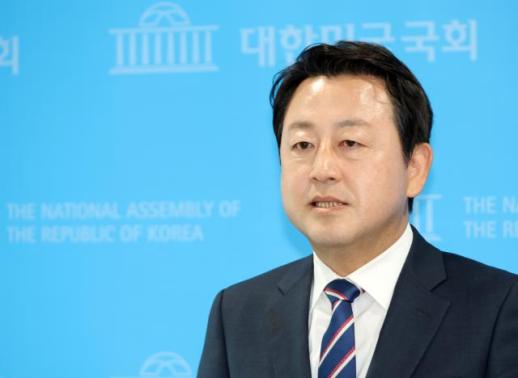 Kim Yong-nam Apologizes for Assault and Verbal Abuse Controversy Kim Yong-nam, the Democratic Party candidate for the Pyeongtaek re-election, issued an apology on May 19 in response to allegations of assault against his aides. He expressed deep regret, stating, "I sincerely reflect on my past immaturity and mistakes." He emphasized that the situation was entirely his fault and pledged to approach the citizens of Pyeongtaek with humility as he continues his campaign. In a statement, Kim said, "Regardless of the circumstances, I bow my head in sincere apology. I feel a heavy sense of regret and responsibility for the deep wounds caused by my harsh words and actions." He explained that the incident stemmed from the pressure he felt during his first term as a lawmaker to achieve results, admitting, "My inability to control my emotions and my outburst of anger were entirely my immaturity and mistake." Kim acknowledged that he failed to consider the feelings of his dedicated colleagues who worked tirelessly alongside him, vowing to reflect on himself strictly and to listen to the citizens of Pyeongtaek with the utmost humility. The candidate's campaign team also released a statement denying the allegations, asserting that no one in the camp has experienced or witnessed the violence or abusive language described in the reports. They stated, "As the election approaches in two weeks, the attacks will become sharper, but our staff and volunteers will remain steadfast. There is no top-down management style in our campaign that supports one politician over another." Earlier that day, a media outlet reported on the allegations of assault and verbal abuse against Kim during his first term as a lawmaker. An aide claimed that Kim kicked him in the shin with his shoe and subjected him to various verbal abuses, leading to the controversy.* This article has been translated by AI. 2026-05-19 12:43:48
 -
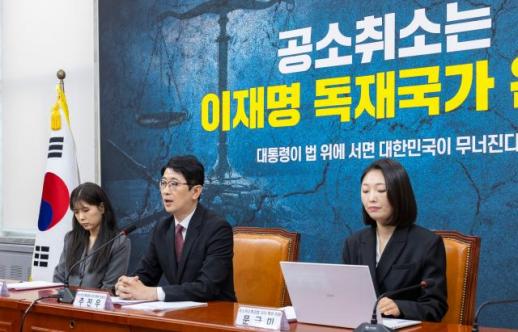 People Power Party to Oppose Special Prosecutor Law on Election Manipulation People Power Party officials announced on May 19 that they will work to block the ruling party's proposed special prosecutor law aimed at canceling the indictment of President Lee Jae-myung, which they claim was temporarily halted ahead of local elections but will be pursued immediately afterward. They also criticized the Supreme Prosecutors' Office for seeking severe disciplinary action against Prosecutor Park Sang-yong.Joo Jin-woo, chairman of the special committee to oppose the indictment cancellation law, held the committee's first meeting at the National Assembly and stated, "With inflation, exchange rates, and livelihoods in such dire straits, how can the top priority of the government be to eliminate its own trial?"Regarding reports that Prosecutor Park, who was involved in the investigation of the Ssangbangwool North Korea remittance case, would face severe disciplinary action, Joo criticized, "They are going beyond absurd claims of disciplining him for something trivial, and now they are saying they will impose severe penalties because a document was omitted during the investigation process. This is nonsensical."He added, "The investigation process confirmation document is merely an administrative formality, and there has never been a case where it has been used as a basis for disciplinary action since its introduction. The investigation and trial records related to the president's North Korea remittance case amount to hundreds of thousands of pages, so how can anyone accept that a few missing documents warrant disciplinary action?"Joo continued, "If other documents were properly prepared and the investigation was conducted correctly, doesn't that validate the legitimacy of this investigation?"He emphasized that if Prosecutor Park is disciplined, they will respond to ensure that the disciplinary decision is revoked at the committee level, stating, "The moment they discipline Park, he will return to the prosecution by court decision, marking the beginning of the lame duck period for the Lee Jae-myung administration."* This article has been translated by AI. 2026-05-19 12:42:33
 -
 Ruling Party Condemns Starbucks' 'Tank Day' Marketing as a Social Crime Against Human Rights The Democratic Party of Korea has condemned Starbucks Korea's 'Tank Day' marketing campaign, launched on the 46th anniversary of the May 18 Gwangju Democratization Movement, calling it a "social crime that tramples on human rights and democracy."During a party meeting on May 19, Han Byeong-do, the party's floor leader, stated, "Yesterday, Starbucks unveiled a truly bizarre event," adding, "Before the atmosphere of mourning could settle, they drove another nail into the hearts of Gwangju citizens. I am filled with anger beyond despair."He continued, "This is neither an expression of freedom nor a legitimate event. It is an inhumane act that shakes the foundations of our community and denies the values of democracy," expressing strong suspicion that this was not merely an act of thoughtless individuals. "We will not overlook this anti-historical behavior," he declared.Ahn Do-geol, another party member, emphasized, "Any act that trivializes the sacrifices of those who gave their lives for democracy in South Korea, turning them into a commercial event, is unacceptable for any reason." He called for a comprehensive overhaul of the historical and human rights sensitivity verification system, internal reviews, and accountability regarding this incident.He added, "The history of democracy is not a subject for mockery. The sacrifices of Gwangju should not be used as marketing material, and we must not take this matter lightly."Additionally, Lee Joo-hee, the party's spokesperson, hinted at forthcoming discussions within the party regarding the controversial event. After the meeting, she told reporters, "While we have not yet discussed specifics within the party, as emphasized by our leadership and members today, we are viewing this matter seriously. I believe there will be discussions within the party."She reiterated Han's statement, describing the issue as a significant matter that undermines the spirit of May 18, suggesting that various responses and considerations will follow.* This article has been translated by AI. 2026-05-19 12:39:24
 -
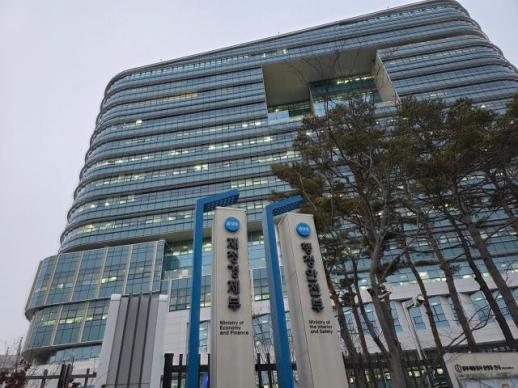 Deputy Minister Heo Jang Calls for Strengthening Corporate Cooperation through Supply Chain Financing Program 허장 재정경제부 2차관은 19일 "공급망안정화기금의 상생금융 프로그램으로 기업 간 안정적 협력관계를 다져 위기 대응 능력을 강화해야 한다"고 말했다. Heo Jang, Deputy Minister of the Ministry of Economy and Finance, stated on May 19 that the Supply Chain Stabilization Fund's cooperative financing program should be utilized to strengthen stable partnerships among companies and enhance their crisis response capabilities. During a signing ceremony for the Supply Chain Stabilization Fund's cooperation agreement held at the Korea Export-Import Bank, Heo met with representatives from major companies to discuss ways to strengthen the supply chain ecosystem and improve its structure. He emphasized, "This signing ceremony marks the starting point for solidifying the domestic supply chain ecosystem through the cooperative financing program of the Supply Chain Stabilization Fund. We must strengthen the collaboration among large, medium-sized, and small enterprises across the entire supply chain, including import, production, and distribution, to enhance our ability to respond to supply chain uncertainties." In March, the government established the 'Supply Chain Cooperative Financing Program' through the Supply Chain Stabilization Fund. This program aims to facilitate the flow of funds between large purchasing companies and small suppliers, thereby increasing liquidity across the supply chain. The Ministry of Economy and Finance plans to strengthen the domestic supply chain based on cooperative financing. The signing ceremony aims to enhance collaboration in critical sectors such as secondary batteries and nuclear power, where the value chain of large and small enterprises is vital. The Korea Export-Import Bank will play a role in providing financial support related to the supply and purchase of raw materials under this program. Participating large companies are required to recommend their collaborating small and medium-sized enterprises. Additionally, the bank will offer a preferential interest rate of up to 2.4 percentage points to collaborating small and medium-sized enterprises and increase the loan limit by 10% compared to the current level. In line with the government's regional development policy, an additional 0.2 percentage point interest rate reduction (within the 2.4 percentage point limit) will be applied to medium-sized and small enterprises located outside the capital region. Participants remarked, "In light of the ongoing supply chain instability due to recent events in the Middle East, timely financial support through the fund has enabled us to establish a stable supply system. We will strive for further cooperative efforts with small and medium-sized partners following today's signing ceremony."* This article has been translated by AI. 2026-05-19 12:36:50
 -
 Why China Invited Lei Jun to Trump's State Dinner "It is extremely rare for a single company to receive such intense attention," stated Chinese state media on May 19, highlighting Xiaomi's technological innovation, international openness, and entrepreneurial spirit. The New Tanqin account, part of the state-run Xinhua News Agency, noted that this year, several foreign leaders, including Spanish Prime Minister Pedro Sánchez, Abu Dhabi Crown Prince Khalid bin Mohammed Al Nahyan, German Chancellor Friedrich Merz, Singapore's Senior Minister Tharman Shanmugaratnam, and Taiwan's Kuomintang Chairman Eric Chu, have visited Xiaomi's factories in Beijing. Notably, during the state dinner held on May 13-15, which coincided with President Trump's visit to China, Lei Jun attended and interacted with prominent figures from the U.S. political and business sectors. On May 18, Chinese Premier Li Qiang also visited Xiaomi's factory, emphasizing the importance of technological innovation. He mentioned the need to foster future industries through the integration of artificial intelligence and manufacturing, interpreting this as a recognition of Xiaomi as a leading example of China's technological innovation. The New Tanqin account remarked, "Focusing on Xiaomi is essentially focusing on China's technological innovation," asserting that Xiaomi is no longer just a mobile phone manufacturer but a technology company rapidly joining the ranks of China's key tech firms, developing chips, operating systems, AI large language models, smart manufacturing, smart vehicles, and smart device ecosystems. The report highlighted that the state dinner included leaders from companies such as Fuyao Glass, Industrial and Commercial Bank of China, China National Chemical Corporation, Air China, and Xiaomi, representing key industries like finance, manufacturing, aviation, and technology, showcasing China's capabilities in global cooperation and competition. The media emphasized that the invitation of business leaders to the state dinner symbolically demonstrates China's continued emphasis on openness and cooperation, positioning Xiaomi as a representative case of Chinese tech companies expanding globally. It further noted that the visits by high-ranking foreign officials and Xiaomi's invitations to major diplomatic events reflect the company's technological prowess, global market influence, and mature internationalization capabilities. The New Tanqin also stated, "Whether Xiaomi can become a century-old enterprise depends on the accumulation of technological innovation, development strategies, and the perseverance and challenges faced by its entrepreneurs," indicating that the interest of domestic and foreign dignitaries in studying Xiaomi underscores recognition and encouragement for the company's entrepreneurial spirit focused on research and development. Particularly regarding Lei Jun, the report praised his diligence, self-discipline, and long-term vision, noting that despite already achieving business success, he continues to challenge himself in new industrial areas such as software, smartphones, electric vehicles, and semiconductors. The New Tanqin concluded, "The world is witnessing a more confident China and a societal atmosphere that values innovation. Pursuing both self-reliance and openness, like Xiaomi, is a common challenge faced by today's Chinese tech companies." Given the nature of state media in reflecting government positions, this report suggests that the Chinese government views Xiaomi as a 'national representative technology company' with technological innovation and global competitiveness. This is not the first time Chinese state media has praised Xiaomi. The People's Daily, the official newspaper of the Chinese Communist Party, described it in a front-page article last December as a representative case showcasing the achievements of China's manufacturing upgrade. Earlier this year, China Central Television also referred to Xiaomi as "a microcosm of China's smart manufacturing," emphasizing its alignment with the government's core industrial strategies in AI, semiconductors, and smart manufacturing.* This article has been translated by AI. 2026-05-19 12:34:01
 -
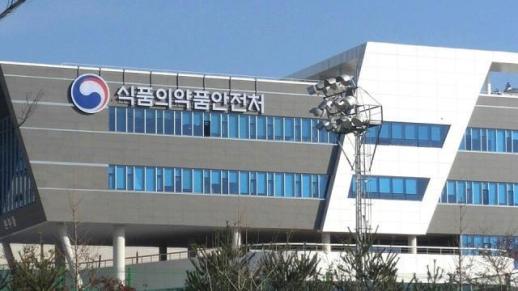 Korea's Ministry of Food and Drug Safety Hosts First Annual GMP Seminar The Ministry of Food and Drug Safety (MFDS) is set to host the first annual seminar on Good Manufacturing Practices (GMP) in collaboration with the Korea Pharmaceutical and Bio-Pharma Manufacturers Association. The MFDS believes this seminar will enhance the understanding and implementation capabilities of GMP policies among manufacturing companies. On May 19, the MFDS announced that the seminar will take place at the ST Center in Gangnam, Seoul, targeting representatives from pharmaceutical manufacturing companies. The event will cover trends in GMP policy implementation and share technical insights on aseptic drug GMP compliance. Topics to be discussed include: the current status of GMP policy implementation, updates on the operation of a global GMP compliance support committee, and trends in GMP inspections by the U.S. Food and Drug Administration (FDA), along with strategies for responding to unannounced inspections. Notably, the policy updates will be broadcast live on the MFDS YouTube channel. Additionally, the seminar will address industry interests regarding the revision of aseptic drug regulations, including strategies for the operation of the Pre-Use Post-Sterilization Integrity Testing (PUPSIT) and case studies of its application, as well as the latest technological trends in freeze-drying processes and global regulatory developments. The MFDS stated, "We plan to regularly hold policy briefings and annual seminars to strengthen the GMP compliance capabilities of the pharmaceutical industry and support the harmonization of global regulations."* This article has been translated by AI. 2026-05-19 12:31:12
 -
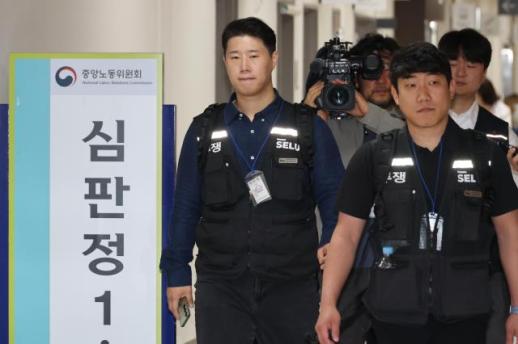 Samsung Electronics and Labor Union Resume Final Negotiations Ahead of Strike Samsung Electronics and its labor union began their final round of negotiations on May 19, ahead of a planned general strike on May 21.The two sides met at the Central Labor Relations Commission in Sejong at 10 a.m. to resume wage negotiations for the year.Park Soo-geun, chairman of the commission, stated as he entered the meeting room, "We will see if both sides can reach an agreement. If not, we will present a mediation proposal. There is still a possibility of an agreement, so we will assess that."Regarding the potential for an agreement, Park noted, "Some issues are being narrowed down," adding that he would confirm the points of disagreement from the previous day.He also mentioned that a draft mediation proposal had not yet been prepared.Both parties arrived at the meeting earlier than scheduled. Ye Myung-gu, a senior executive in the semiconductor division, arrived at 8:20 a.m. and expressed, "We will do our best" as he entered the meeting room.Choi Seung-ho, the union's chief negotiator, silently headed to the meeting room at 8:51 a.m.The negotiations, which began at 10 a.m., are expected to conclude by 7 p.m. However, if discussions extend, the end time may be pushed back, and there is a possibility that negotiations could continue until May 20, the day before the strike.The first round of post-adjustment talks, held on May 11-12, extended past midnight on May 12, concluding around 3:30 a.m. on May 13.With the union's planned general strike set for May 21, this second round of negotiations is viewed as the last opportunity for dialogue.* This article has been translated by AI. 2026-05-19 12:30:00
 -
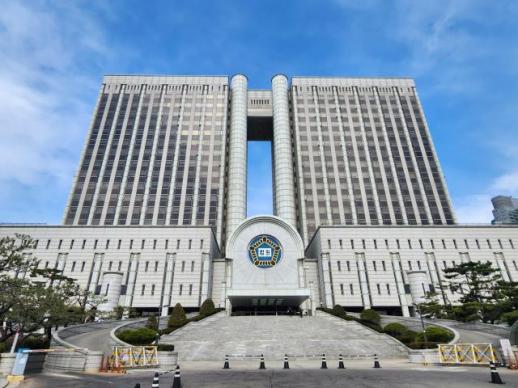 Court to Decide on Arrest of Lee Eun-woo, Former KTV Director, on Sedition Charges The arrest status of Lee Eun-woo, former director of the Korea Policy Broadcasting (KTV), who faces sedition charges related to the emergency martial law, is expected to be decided on the 21st. According to legal sources on the 19th, Judge Lee Jong-rok of the Seoul Central District Court will conduct a warrant review for Lee on the 21st. On the 18th, the Special Prosecutors' Team, led by Kwon Chang-young, filed for an arrest warrant against Lee on charges of promoting sedition. This marks the first attempt by the Special Prosecutors' Team to secure the suspect's custody since its establishment in February. Lee is accused of using his authority over public channel news broadcasts to repeatedly and intensively report on the legitimacy of the martial law and proclamations from December 3 to 13, 2024, while selectively blocking and deleting news that criticized or prevented seditious acts, thereby promoting sedition. Previously, the Special Prosecutors' Team for Sedition, led by Jo Eun-seok, had only indicted Lee without detention for abuse of authority related to the deletion of scroll news on December 4, 2024. However, the Comprehensive Special Prosecutors' Team has decided to reopen the investigation into the sedition promotion charges. The Comprehensive Special Prosecutors' Team stated, "Upon reviewing the records of the sedition promotion case against a suspect previously not indicted by the first sedition special investigation, it was confirmed that the suspect's actions supported and protected seditious forces, forgetting the media's duty to check and monitor state power, both during and after the martial law period. Therefore, the suspect's actions fall under the scope of the Comprehensive Special Prosecutors' law investigation." Meanwhile, during a sentencing hearing on the abuse of authority case against Lee held on the 15th by the 23rd Criminal Division of the Seoul Central District Court, the Sedition Special Prosecutors' Team requested a five-year prison sentence. The court plans to conduct the sentencing hearing for this case on June 26.* This article has been translated by AI. 2026-05-19 12:27:22
 -
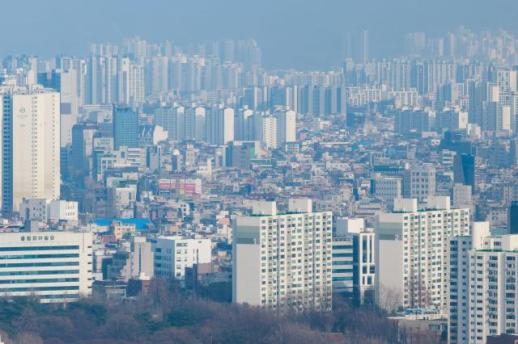 May Housing Business Outlook Index Rises Amid Investment Shift to Non-Metropolitan Areas The outlook for the housing business improved in May as investment demand shifted to non-metropolitan areas due to stricter real estate regulations in the metropolitan region. On May 19, a survey of housing developers revealed that the housing business outlook index rose by 13.9 points from the previous month to 77.6. While the metropolitan area saw a decline of 5.3 points to 72.9, non-metropolitan areas experienced an increase of 18.0 points to 78.6. In the metropolitan region, the index fell as follows: Gyeonggi Province dropped by 8.5 points (from 76.9 to 68.4), Seoul decreased by 5.3 points (from 87.8 to 82.5), and Incheon fell by 2.2 points (from 70.0 to 67.8). This decline is attributed to rising interest rates, concerns over tax and loan regulations, and increased construction costs. As mortgage rates rise, the financial burden on buyers has increased, leading to a cautious market stance amid discussions on the end of the temporary suspension of capital gains tax for multiple homeowners and stricter taxation for non-resident homeowners. Conversely, major cities in non-metropolitan areas all reported increases. Ulsan rose by 25.8 points (from 58.8 to 84.6), Daejeon by 25.5 points (from 61.1 to 86.6), Gwangju by 23.5 points (from 52.9 to 76.4), Daegu by 18.2 points (from 68.1 to 86.3), Sejong by 17.3 points (from 75.0 to 92.3), and Busan by 10.5 points (from 60.0 to 70.5). In provincial areas, Chungbuk increased by 29.6 points (from 45.4 to 75.0), Gyeongnam by 29.4 points (from 61.5 to 90.9), Gangwon by 21.7 points (from 58.3 to 80.0), Jeonbuk by 20.3 points (from 61.5 to 81.8), Gyeongbuk by 18.0 points (from 66.6 to 84.6), Chungnam by 6.1 points (from 66.6 to 72.7), Jeju by 3.3 points (from 52.9 to 56.2), and Jeonnam by 2.5 points (from 60.0 to 62.5). This shift in investment demand to non-metropolitan areas is analyzed as a response to the stricter regulations in the metropolitan region. Notably, the Ulsan and Gyeongnam areas benefited from strong performance in the shipbuilding and automotive industries, supporting local economic growth and housing demand. However, regions that experienced significant declines in the previous month showed substantial rebounds, indicating some base effect. The national financing index for May is projected to rise by 6.9 points to 73.0, driven by growing expectations for a recovery in the housing market, particularly in non-metropolitan areas. The easing of financing conditions, including discounts on guarantee fees from the Korea Housing and Urban Guarantee Corporation (HUG) and extensions of project financing guarantees, is also cited as a contributing factor. However, challenges remain, including rising interest rates, tightening project financing loans, and delays in recovering funds due to unsold inventory. The Korea Housing Institute noted, "This increase reflects a slight easing of psychological distress compared to the previous month." The material supply index is projected to fall by 12.5 points to 67.1. This decline is attributed to increased concerns over procurement and construction costs due to the prolonged conflict in the Middle East, which has led to instability in oil and raw material prices. A representative from the Korea Housing Institute stated, "The instability in oil and raw material prices due to the prolonged conflict in the Middle East is increasing construction cost burdens and negatively impacting business outlooks. However, there remains potential for housing prices in the metropolitan area to rise due to the influx of funds from the securities market and concerns over locked-up inventory."* This article has been translated by AI. 2026-05-19 12:22:35
 -
 Government to Offer Up to 40% Discount on Stocked Seafood Amid Seasonal Price Fluctuations The government will supply stocked seafood at prices discounted by up to 30-40% as the fishing season begins and production declines. According to the Ministry of Oceans and Fisheries on May 19, the entry into the fishing season in May is likely to increase price volatility for seafood. To stabilize prices, the ministry plans to release up to 8,000 tons of stocked seafood into the market from May 20 to July 15. Typically, seafood production decreases during the fishing season. The National Fisheries Research Institute reported that in May of last year, production of mackerel, horse mackerel, squid, anchovy, hairtail, and croaker all fell below average levels. The government’s stocked seafood will be available through traditional markets, supermarkets, online and offline wholesale markets, and business-to-business transactions. Consumers can expect to purchase items at prices 30-40% lower than usual. Products such as mackerel fillets, cut pollock, and dried squid will be offered as processed goods, providing consumers with a variety of choices. The supply will include 5,500 tons of pollock, 1,000 tons of mackerel, 900 tons of squid, and 600 tons of hairtail, marking the largest government supply during the fishing season. The ministry prioritized items that have seen price increases or unstable supply and demand. Future market supply will be adjusted based on price fluctuations during the supply period. Minister of Oceans and Fisheries Hwang Jong-woo stated, "We decided to supply stocked seafood considering high prices, the onset of the fishing season, and seafood supply trends." He added, "We hope this supply allows consumers to enjoy quality seafood at reasonable prices, and we will closely monitor seafood prices for stability until fishing resumes."* This article has been translated by AI. 2026-05-19 12:19:21