

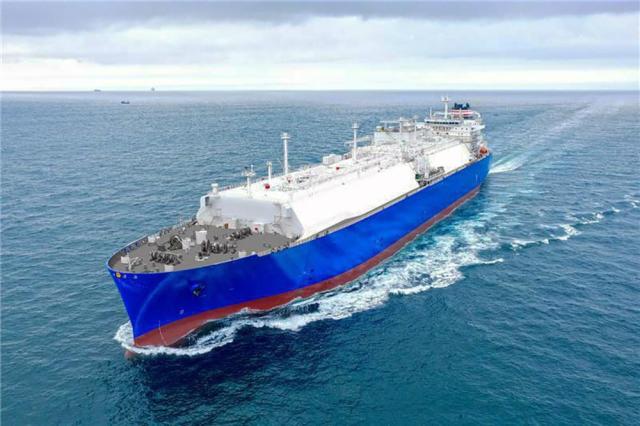
Industry officials said Qatar plans to double its LNG production capacity by 2030. The International Energy Agency also forecast that global LNG supply will rise this year at the fastest pace since 2019, led by the United States. To meet the increase in supply, the industry expects additional orders for about 70 LNG carriers.
Chinese shipyards are winning LNG carrier orders at prices about $30 million lower than Korean rivals. Still, owners have continued to choose Korean yards, citing confidence in technology and on-time delivery.
With Chinese yards’ 2029-2030 delivery slots effectively sold out, analysts said owners wanting ships delivered in that period will have fewer options, narrowing choices to Korea and strengthening Korean builders’ pricing power.
“In 2025, shipowners were watching geopolitical developments, so orders leaned more toward container ships than LNG carriers,” an industry official said. “This year, LNG development projects in various countries are expected to move forward in earnest, so expectations for more LNG carrier orders are high.”
Clarksons Research data showed global ship orders in January totaled 5.61 million CGT, or 158 vessels, up 27% from 4.43 million CGT a year earlier. LNG carrier prices were about $248 million, and Korean shipbuilders’ market share was about 40%.
Hanwha Ocean said in a conference call this month that it expects to achieve revenue on par with last year and that overall market conditions should improve as U.S. LNG export projects accelerate.
Samsung Heavy Industries said in a conference call last month that Chinese yards have allocated Qatar-related work through 2031 deliveries, consuming available slots, and stressed that Korea could benefit from upcoming U.S. orders.
HD Korea Shipbuilding & Offshore Engineering also projected Korean builders would maintain market share, saying Chinese-built LNG carriers still lag Korea in quality and technology.
Hanwha Ocean posted 12.6884 trillion won in revenue last year, up 18% from a year earlier, with balanced performance in its commercial and special-purpose ship businesses. HD Korea Shipbuilding & Offshore Engineering said revenue rose 17.2% to 29.9332 trillion won, citing a higher share of high-priced ships, improved productivity and increased output. Samsung Heavy Industries also exceeded its revenue guidance and returned to the “10 trillion won club” with 10.65 trillion won in revenue.
* This article has been translated by AI.
Copyright ⓒ Aju Press All rights reserved.