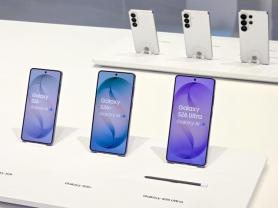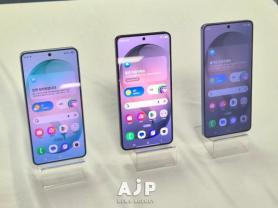
SEOUL, March 12 (AJP) - Samsung Electronics’ latest AI-strong flagship is off to a bar-raising debut, signaling a shift in the premium handset race from hardware specifications toward practical artificial intelligence features.
The Galaxy S26 series, launched Wednesday in more than 120 countries including South Korea and the United States, logged 1.35 million preorders in its home market, the highest ever for the Galaxy S lineup.
Industry observers say the strong early demand reflects a broader change in consumer priorities as smartphones increasingly compete on usable AI functions rather than processor speed or camera upgrades.
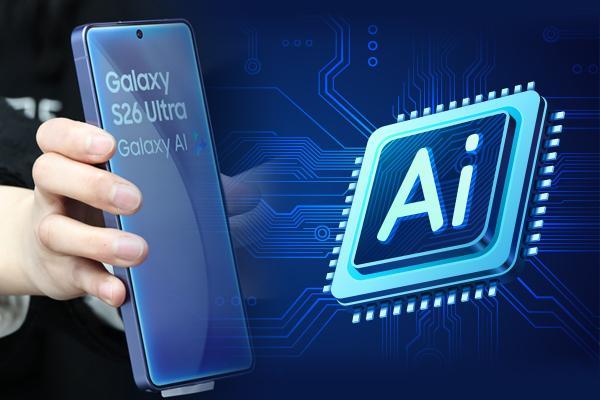
Samsung’s new lineup centers on agentic AI, designed to move beyond passive assistance and carry out tasks autonomously for users.
Among the most notable features is on-device real-time translation that works without an internet connection, allowing conversations across languages without relying on cloud processing. The phone also introduces generative AI tools such as “Call Screening,” which can answer incoming calls and summarize them for the user, and “Privacy Display,” a feature that blocks side-angle viewing to protect information in public spaces.
The emphasis on practical AI utilities has become a key differentiator as rivals struggle to bring comparable capabilities to global users.
Apple, which dominates the premium smartphone segment, has faced hurdles rolling out its Apple Intelligence system internationally. The platform’s expansion has been slowed by delayed support for non-English languages and staggered updates to core features, frustrating many users outside the United States.
Recent survey data suggests that the AI gap may be influencing consumer loyalty. A study by resale marketplace SellCell of more than 2,000 smartphone users found that 16.8 percent of iPhone owners said they would consider switching to a Galaxy device for better AI features, compared with 9.7 percent of Samsung users willing to move to Apple for its AI system.
The shifting sentiment is already beginning to show up in market data. Powered by aggressive deployment of on-device AI functions, Samsung has gradually narrowed Apple’s market-share lead in the United States to about 11 percentage points by late 2025, according to industry estimates.
Real-world users echo the trend.
“I tried my husband’s Galaxy, and it’s definitely much more user-friendly when it comes to AI,” said Kyuri Kim, a longtime iPhone user in Seoul. “I wish I could have those features on my iPhone. It gets frustrating at times.”
“Choosing a smartphone without AI is now akin to buying a car without a navigation system or autonomous driving capabilities,” said Lee Soo-jun, a professor of business administration at Sejong University. “Privacy is the biggest concern with AI today, but Samsung’s on-device processing ensures that personal data remains strictly on the phone without leaking externally, which is a decisive factor for consumers.”
With the smartphone industry entering what analysts describe as the “AI utility era,” the market is closely watching whether Samsung’s early push into practical, on-device intelligence can finally dent Apple’s long-standing dominance in the premium segment.

Copyright ⓒ Aju Press All rights reserved.