

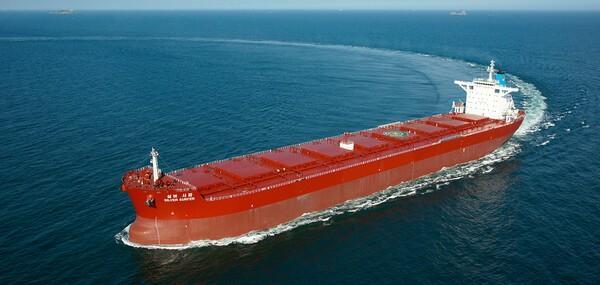
Industry sources said March 17 that Janggeum Shipping has recently been securing about $500,000 a day in charter fees for VLCCs, or about 750 million won. That is about 10 times last year’s average, as freight rates that jumped after the war have flowed directly into profits.
The gains did not come by chance. Before the war intensified, Janggeum Shipping, through its tanker unit Janggeum Maritime, moved aggressively to secure VLCCs. Ship data firm VesselsValue said Janggeum Maritime has completed about 30 VLCC transactions so far this year. With those deals, the VLCCs it operates have risen to more than 100 ships, about 12% of the estimated global VLCC fleet of 880.
Janggeum Maritime is led by Chung Ga-hyun, vice chairman and son of Janggeum Shipping Chairman Chung Tae-soon. Chung Ga-hyun owns 100% of Janggeum Maritime, which the industry views as a key growth pillar for the group. Analysts say a shift toward a tanker-heavy portfolio and early investment have put management to the test, with this shipping cycle offering evidence of results.
The article said the war’s impact has also lifted earnings as the Strait of Hormuz was blocked, turning Janggeum’s VLCCs into floating crude storage. With onshore storage reaching its limits, refiners have increasingly chartered tankers as temporary storage, it said.
The strategy has drawn attention abroad. Bloomberg recently highlighted Janggeum Shipping’s tanker buildup and profit structure, calling it “one of the smartest beneficiaries” amid turmoil in global energy markets.
Bloomberg said Janggeum Shipping amassed large crude tankers before the war and, as a result, has emerged as one of the biggest winners from the disruption. It also said early fleet deployment and aggressive investment have shaken up the global tanker market.
Janggeum Maritime’s rapid growth is also being watched for what it could mean for governance. As fleet size and profitability expand, the unit could become central to a future succession structure, the article said. The broader shift in emphasis from containers to bulk and tankers is also expected to accelerate alongside second-generation management.
“One industry boom at Janggeum Shipping is not just a simple wartime windfall, but the result of a generational transition and a shift in business structure coming together,” a shipping industry official was quoted as saying. “On top of a strategy that quietly expanded the fleet, the second generation’s execution is emerging as a variable that can reshape the global shipping market.”
* This article has been translated by AI.
Copyright ⓒ Aju Press All rights reserved.