


With TWS’ first VR concert, “TWS VR CONCERT : RUSH ROAD,” selling out day after day, Lee said word-of-mouth is lifting expectations.
“Honestly, the response has been better than we expected, so I think it could set our best results yet,” he said. “As people talk about VR content, audience demand is going up. Albums cost money, concert tickets cost much more, and getting tickets is hard, so a VR concert film can be a good way to see an artist. I love concerts too, but it’s not easy to see a top artist right in front of you. This is much more of an up-close experience, so I think it’s a medium that fits music well.”
AMAZE did not start out focused only on concerts. Lee said that while thinking about what might come after mobile, the company bet on “space” and VR headsets, tried multiple formats, and found concerts delivered the biggest impact.
“It’s been 10 years since I started the company,” he said. “AMAZE is made up of early Kakao members, engineers who worked together back then. I used to work at a consulting firm, but seeing mobile as a new innovation and media paradigm led me to start a business. Then I thought about what would come next, and when the paradigm shifts, I wanted to go global. What we bet on was ‘space’ and ‘VR headsets.’ At first we didn’t do only music — we tried films and other things — but the biggest impact was concerts. So we decided to expand that and build content step by step, centered on entertainment.”

That approach also shaped interactive features such as letting fans pick a favorite member and use a virtual light stick. Lee said the experience becomes denser when fans can respond and participate, not just watch.
“Because these are K-pop artists, we thought it would be good if fans could choose their favorite member and keep watching that person,” he said. “So we added things like ‘pick your favorite’ and a ‘light stick.’ The elements can differ by artist. Recognizing hands and actions like waving a light stick can ultimately make the experience bigger.”
Lee also drew a clear line between watching VR at home and watching it in a theater. When people who like the same artist gather and react together, he said, the content shifts from a private viewing to a shared event.
“Of course you can watch at home,” he said. “But the feelings you get watching an artist you love with other people are definitely different. That’s why I think in the AI era, the value of 2D content or 2D images could gradually fall. What we make is, in a way, like Disneyland — we’re building an attraction for an artist. We’ll keep thinking about how to help audiences experience it with more immersion and a stronger sense of being there. And we plan to make it available online too for people with headsets at home. Even now, like selling concert DVDs, we sell a version you can watch by inserting a phone.”
He said the format could expand beyond K-pop, and that U.S. and Chinese artists have shown significant interest. For now, he said, the company is weighing how to broaden genres without limiting itself to one market.
“First, we’re thinking about expanding genres,” he said. “We’re not only thinking about K-pop artists. We’ve been getting a lot of contact from U.S. artists and Chinese artists, so we’re thinking about how to expand this. At the moment, male idol groups seem relatively easier in some ways. But we’re not limiting ourselves to that, and I think there’s a lot we can do with other artists too.”
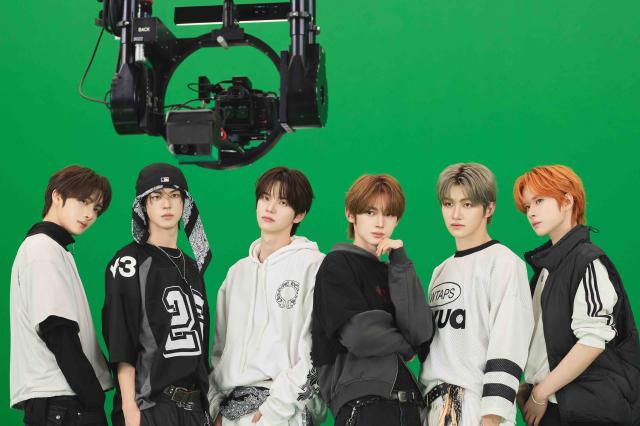
Lee said AMAZE’s edge is technology, built on two pillars: computer graphics based on Unreal Engine and AI. But he argued that, rather than competing with general-purpose image-generation AI, the key is accumulating VR-specific data and postproduction techniques.
“Basically, we have two technical pillars,” he said. “One is CG-based technology like Unreal Engine used in games, and the other is AI. But AI should be viewed differently. AI that makes 2D video or images is closer to the domain of big companies like Google or OpenAI, and it’s not easy for an independent company to own that space — it’s expensive and competition is intense. But VR content is a different format. In this area, unique data for specific categories keeps accumulating, and learning based on that is how the technology advances. We have technology optimized for VR content. Using it, postproduction, image-quality improvement and interactive implementation can keep getting better. In VR, it’s important to raise image quality and immersion together. As that technology builds, audiences feel more like they’re on site, and we can add more spatial design and interactive elements. It matters that a single title does well, but we think it’s important to keep building that technology.”
Asked why he believes the format will matter more in the future, Lee pointed to what he called an “irreplaceable experience.”
“I think content keeps evolving,” he said. “The grammar we’ve built so far is centered on music concerts, but I don’t think this kind of new spatial experience will stay only with music. To get people to pay and come, it has to be a different experience from existing 2D content. We’re in an era of content overload, so it will only get harder to make people spend extra money on 2D content they can watch on a phone or TV. In the end, if it’s not more immersive and valuable, people won’t spend easily. Even in the AI era, I think what matters is an irreplaceable experience. We film real artists and create a real experience with sweat, time and a story inside it. AI can make fake performances, but I don’t think people will spend money on them in the same way.”
Some viewers may still see the 33,000 won price and the VR format as barriers. Lee said he expects the market to move away from one-size-fits-all hits and toward sharper individual tastes.
“I’m not sure how much longer traditional mass content will be possible,” he said. “There could be another case like ‘Wangsnam,’ but I don’t think it will repeat often. In the end, I think people spend money on experiences they truly love. Even if they spend 10,000 to 20,000 won on some content, they can spend much more on what they really like. I think we’re heading into an era of ‘micro interests’ — an era where people spend more deeply on what they truly like. Rather than focusing only on making each individual title a hit, we’re closer to building an environment and paradigm where more of those experiences can be made.”
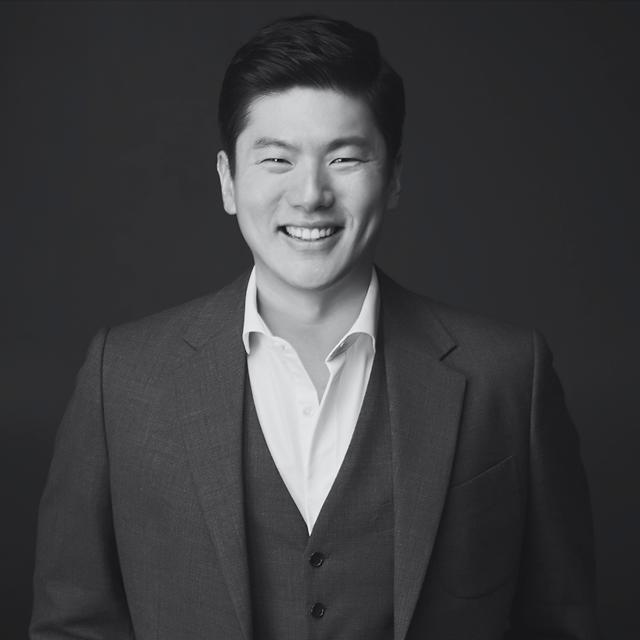
Lee said motion sickness — a frequent concern in VR — should be addressed differently depending on an artist and fan base.
“Because each artist’s fan base differs in age and gender, the level of camera movement they can accept also differs,” he said. “Motion sickness happens because you’re still but the world moves. Taking that into account, if we later build dedicated theaters, we’ll make the chairs move in sync with the camera movement. We’re considering ways to make it less dizzying while delivering a more dynamic experience.”
Ultimately, Lee said he is aiming for dedicated venues that go beyond putting on a headset. He said he wants to design the full experience so that, from the moment people enter, it feels like stepping into an artist’s world.
“If we go in the direction I’m thinking, there would be motion chairs, and if we add elements like haptics matched to the music, the physical sensation could be much bigger,” he said. “It won’t end with just watching in a theater. We’ll likely design the space so people can enjoy things from the moment they arrive, and feel like they’re entering the artist’s musical world. This isn’t a far-future story — it’s at the stage of being discussed now.”
* This article has been translated by AI.
Copyright ⓒ Aju Press All rights reserved.