

The prolonged war in the Middle East is raising concerns that disruptions in raw materials and shipping could spill over into unstable supplies of medical products in South Korea. With early signs of shortages in medical disposables and pharmaceutical packaging, hospitals and pharmacies are stepping up vigilance.
Industry officials said the conflict has made supplies of petrochemical feedstocks such as naphtha and bunker fuel less reliable, disrupting production of drug packaging and medical consumables. Naphtha is a key material for PVC and plastic pill bottles, IV and injection containers, and dispensing paper used for prescriptions.
A pharmaceutical distribution official said volatility in raw material prices and uncertainty in ocean freight rates have led some suppliers to adjust shipments. Another pharmaceutical company official said there has not yet been major disruption to production and packaging lines, but added the company is closely watching the situation as the war drags on.
Hospitals are already hearing talk of price increases for medical disposables. Suppliers of single-use items such as syringes, needles and sanitary gloves are said to be considering price hikes of about 10% to 20%.
An official at a major hospital said suppliers began discussing price adjustments as early as last month, adding that the industry expects prices could rise in the first half of the year.
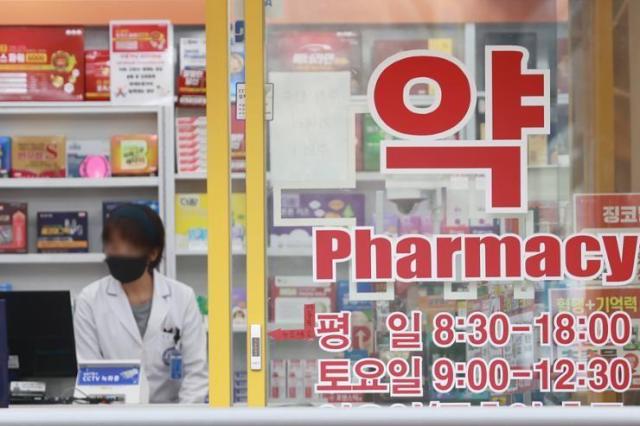
Concerns are also spreading to neighborhood pharmacies, which rely on steady supplies of packaging materials such as dispensing paper, roll paper, dosing bottles and plastic pill containers. Some packaging firms have been partially controlling volumes or delaying deliveries since March, according to industry sources.
A pharmacy owner in Seoul’s Jongno district, identified only as A, said any disruption in packaging supplies would immediately make it difficult to dispense and package medicines.
Some pharmacies are also showing signs of stockpiling. A wholesaler said orders for dispensing paper and plastic pill containers have increased over the past month or two compared with usual levels, attributing the rise to growing anxiety.
The government plans to inspect distribution, pricing and supply chains to prevent broader instability in supplies of medical products and medicines. The Ministry of Food and Drug Safety and the Ministry of Health and Welfare said they will update their response manual for drug and medical device supply and take strong action against market-disrupting practices such as hoarding.
Related agencies said they are continuously monitoring supplies of medical disposables and pharmaceutical packaging and preparing stockpiling and alternative production plans for items expected to face disruptions.
* This article has been translated by AI.
Copyright ⓒ Aju Press All rights reserved.