

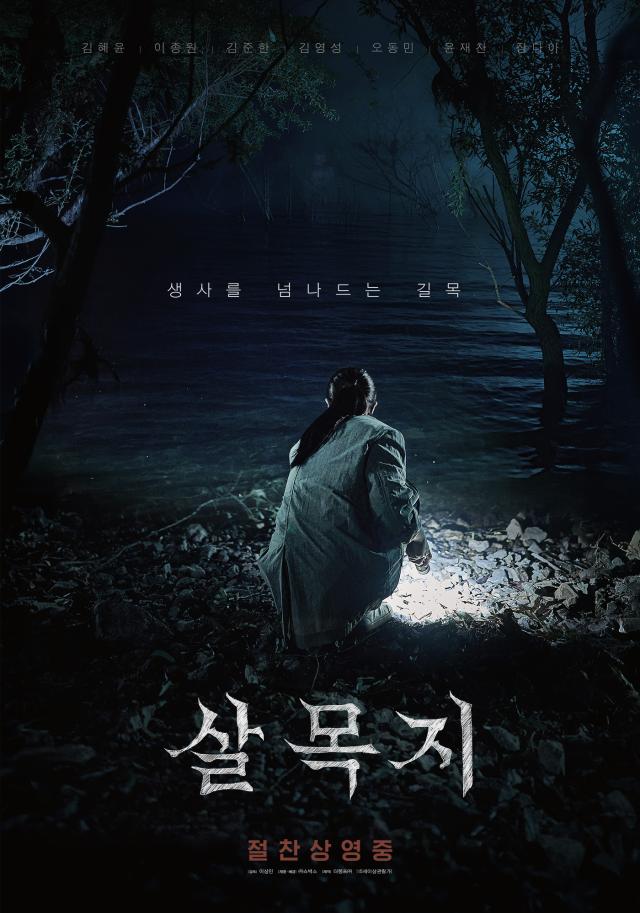
Since the horror film 'Salmokji' opened, short reactions and proof photos have flooded online. Posts saying viewers spilled popcorn — along with screenshots of heart rates captured right after the movie — quickly turned 'Salmokji' reviews into a kind of game. The trend has become another clue to the film’s box-office run, as personal experiences are reposted and recirculated online, extending the buzz beyond simple word-of-mouth that it is "scary."
According to the Korean Film Council’s integrated ticketing network on the 21st, 'Salmokji' added 46,984 admissions the previous day, bringing its cumulative total to 1,508,824. That is well above its break-even point of 800,000. The film also ranked No. 1 at the weekend box office for two straight weeks and has held the top spot for 12 consecutive days. For April — typically considered an off-season for theaters — the sustained performance of a horror title has stood out.
The reactions that spread fastest among Gen Z audiences were not detailed reviews. They were brief posts such as "First time I’ve ever thrown popcorn because I got startled," "The person next to me spilled all their popcorn," and "Salmokji review: spilled popcorn." Many were paired with screenshots from smartwatches or phone apps showing elevated heart rates. In other words, the reaction — photos and numbers — was consumed before the appraisal.
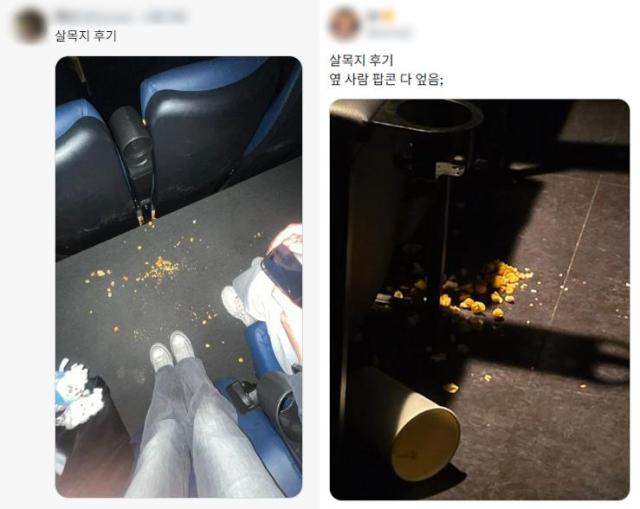
Showbox said it views "popcorn proof" and "heart-rate proof" as part of a moviegoing verification culture. "It’s not just watching the film and being done — leaving reactions afterward and sharing them is helping secondary word-of-mouth," the company said. Showbox added that while popcorn and heart-rate reactions are not unheard of for horror films, sharing them in a more deliberate way after viewing can have a positive effect on box-office performance.
If the early buzz resembled a challenge-style trend, repeat viewings were driven by audiences trying to reread the story and its hidden meanings. Online, viewers traded differing interpretations of the open ending and debated the relationship between Suin and Gitae. Others dug into the characters’ psychology and dynamics in detail, extending the experience from fear to analysis.
Showbox said that since the COVID-19 pandemic, audiences have seemed eager to expand offline experiences or find ways to enjoy content after watching a film. The company said the broader trend has included pop-ups and other in-person experiences that extend beyond the screen, adding that films with more to talk about and engage with tend to generate attention that feeds back into theater attendance.
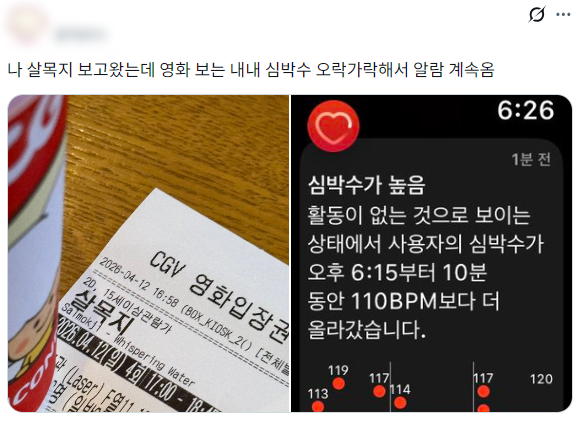
As ending theories and relationship debates continued, 'Salmokji' kept generating conversation well after its release. Startled reactions created the first wave of attention; interpretation and character-focused discussion helped sustain it. The film’s scares did not end in the theater — they were revived online.
That is why 'Salmokji’s' 1.5 million admissions are not captured by a single number. Fear experienced in the cinema moved into online proof posts, which then became a new source of buzz. With ending interpretations and relationship debates added on, the film was consumed again — offering a snapshot of how younger audiences are changing the way they watch and share horror movies.
* This article has been translated by AI.
Copyright ⓒ Aju Press All rights reserved.