

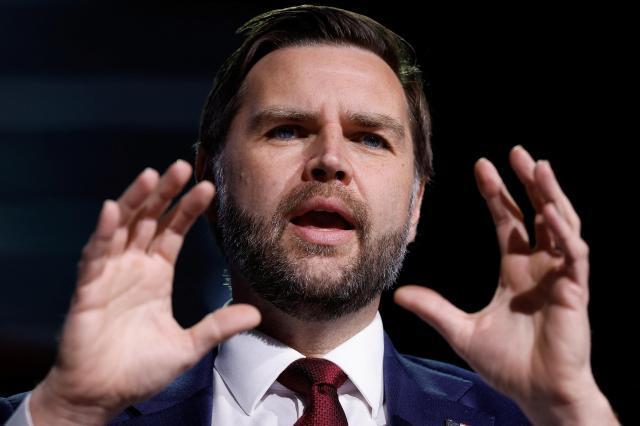
CNBC reported that Vance had been expected to travel to Pakistan for the second round of peace talks with Iran, but the schedule was delayed. The New York Times, citing a U.S. official familiar with the matter, said the departure was postponed because Iran has not replied to the U.S. negotiating position.
The uncertainty quickly rippled through markets. U.S. stocks fell and international oil prices rose on renewed concern that potential U.S. and Israeli military action against Iran may not be contained through diplomacy.
Reuters quoted a senior Iranian official as saying Pakistan has not yet resolved what he described as a U.S. naval blockade of Iranian ports near the Strait of Hormuz. “Iran cannot accept negotiations under pressure or talks premised on surrender,” he said, while leaving open the possibility of meeting U.S. officials in Pakistan if Washington drops what he called its pressure-and-threat approach.
The reports came as a two-week cease-fire, brokered on the night of the 7th, was nearing its end. The timing of the U.S. negotiating team’s departure for Islamabad also remained unclear. President Donald Trump said the U.S. delegation “is going now,” but CNBC later cited a source saying the team was “getting ready to leave soon.”
In an interview with CNBC, Trump said he believed the United States would ultimately reach “a good deal” with Iran, but added that the chances of extending the cease-fire further were low.
After the cease-fire took effect, Vance previously traveled to Islamabad with Steve Witkoff and Jared Kushner for talks with Iranian representatives. That meeting ended without an agreement after 21 hours.
The White House said Vance was attending an additional policy meeting on Monday. CNN reported that Vance’s motorcade was seen arriving at the White House later that afternoon.
* This article has been translated by AI.
Copyright ⓒ Aju Press All rights reserved.