

The most striking feature of the decision was not the outcome but the division behind it. Four dissenting votes among 12 members was the first such split since 1992. One dovish member argued for a rate cut, while three hawkish members called for removing an easing bias, highlighting how mixed the economic signals have become.
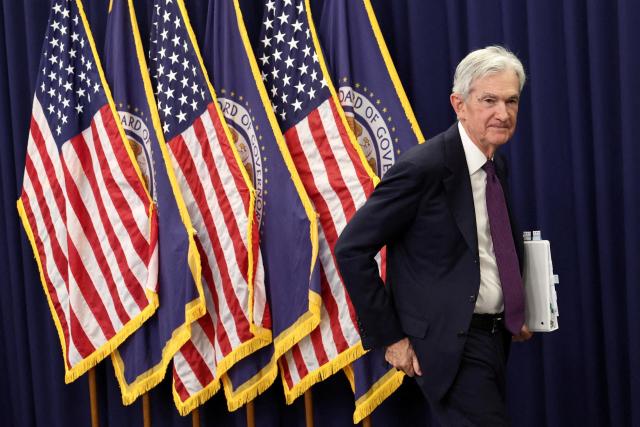
With inflation picking up again amid the fallout from the war in the Middle East, neither growth nor prices has clearly taken priority. The article describes the moment as a transitional period as the Jerome Powell era ends and a Kevin Warsh chairmanship begins, leaving the Bank of Korea to design policy around a more unpredictable external backdrop.
South Korea’s domestic picture is also complicated. First-quarter real GDP growth came in at 1.7%, an “earnings surprise” that nearly doubled the Bank of Korea’s 0.9% forecast. The result, driven by strong semiconductor exports, weakens the case for a rate cut aimed at supporting growth.
Inflation indicators, however, remain a concern. March consumer inflation was 2.2%, appearing stable on the surface, but petroleum product prices jumped by nearly 10%, pushing up producer prices. Stronger growth can bolster the case for tightening, while elevated inflation makes easing harder. The government is also supporting the economy with a 26 trillion won supplementary budget, but that could add liquidity and complicate efforts to stabilize prices.
Attention is now on the Bank of Korea’s Monetary Policy Board meeting on May 28, the first policy decision since Gov. Shin Hyun-song took office. At his confirmation hearing, Shin said he would put more weight on prices given South Korea’s sensitivity to oil shocks, a stance that points to a hawkish hold in May.
With the Korea-U.S. rate gap holding at 1.25 percentage points at the upper end, and the timing of Fed cuts unclear, South Korea has limited room to move first. A pre-emptive cut could trigger a weaker currency and capital outflows. The Bank of Korea is therefore likely to stick with a wait-and-see approach, watching April inflation data and geopolitical risks in the Middle East.
The economy is at an inflection point, with a semiconductor boom colliding with the risk of supply-chain shocks tied to the Middle East. As the Fed’s internal split suggests, the era of a single, predictable monetary-policy answer is fading.
The Shin-led central bank will need to do more than hold rates; it must deliver clear and precise guidance to markets. With even the possibility of rate hikes in the second half being discussed, any wobble in policy consistency could fuel market volatility. The article calls for flexible, data-driven decisions paired with strategic communication focused on the central bank’s core mission of price stability.
* This article has been translated by AI.
Copyright ⓒ Aju Press All rights reserved.