

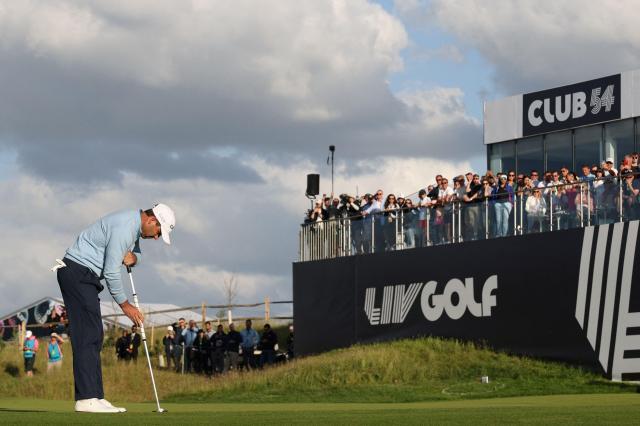
The spending has drawn sustained criticism abroad as “sportswashing,” a term used for efforts to burnish a country’s reputation through high-profile events while obscuring allegations of human rights abuses, corruption or political repression. The concept gained wider attention after Azerbaijan hosted the first European Games in 2015 and has since been applied to Russia, Qatar and Saudi Arabia.
Now, Saudi Arabia’s investment posture appears to be shifting. After moves such as buying England’s Newcastle United and launching LIV Golf, the oil-fueled expansion across sports is giving way to broad cost-cutting. With large projects increasingly weighing on public finances, the focus is turning from scale to efficiency and returns.
The clearest example is LIV Golf. Launched in 2022 to challenge the PGA Tour’s dominance, LIV became a symbol of Saudi sports investment, offering huge signing bonuses and prize money to recruit top players. Over four years, it spent more than $5 billion on player deals and operating costs, but struggled to generate revenue, including from media rights, amid weak U.S. TV ratings. Its cumulative losses are reported to have exceeded $1 billion.
Against that backdrop, the Public Investment Fund has decided to pull back. Major foreign outlets including The Wall Street Journal reported April 30 that PIF plans to stop funding LIV Golf after this season. Governance has also been shaken. Sports Business Journal, citing an internal source, reported that PIF Gov. Yasir Al-Rumayyan, a central figure in LIV’s launch and its key backer, stepped down as chairman of LIV’s board.
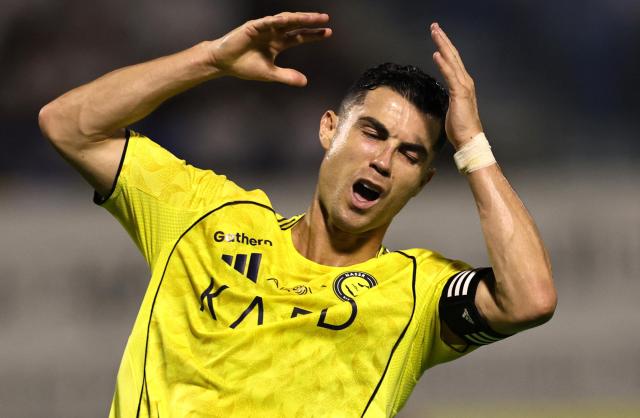
The retrenchment extends beyond golf. The Saudi Pro League, which drew attention by signing stars such as Cristiano Ronaldo, Neymar and Karim Benzema, has moved to control spending. PIF sold a 70% stake in Al Hilal — one of four leading SPL clubs it held — to the private firm Kingdom Holding Co. The league also introduced stricter financial rules this season, capping spending at 80% of a club’s total revenue to improve financial health.
Cuts are also spreading to state-led mega-events. Plans for the 2029 Winter Asian Games — to be staged with an artificial-snow resort as Saudi Arabia sought to overcome its lack of winter-sports infrastructure — were postponed indefinitely after running into limits including the cost of desalination facilities. The Saudi Snooker Masters, initially signed under a 10-year deal, was canceled after two years. Plans to extend hosting of the WTA Finals and a bid for the 2035 Rugby World Cup also fell through. The International Olympic Committee and Saudi Arabia also mutually terminated a 12-year agreement to launch the Olympic Esports Games next year.
The pullback reflects mounting financial pressure. According to major foreign outlets including WSJ and Bloomberg, PIF manages about $940 billion in assets, but its readily available cash has shrunk to $15 billion, the lowest in four years. The reports cited a roughly one-third drop in dividends from Aramco and an $8 billion decline in asset values tied to large development projects such as the futuristic city of Neom.
At the same time, deficits have widened. After the economy grew 8.7% in 2022 on the back of higher oil prices, Saudi Arabia pushed ahead with big sports projects. But Saudi fiscal authorities said that last year, falling oil prices combined with heavy spending produced a budget deficit of about $73 billion. With cash tighter, loss-making ventures such as LIV Golf and events requiring major infrastructure, including the Winter Asian Games, became prime targets for cuts.
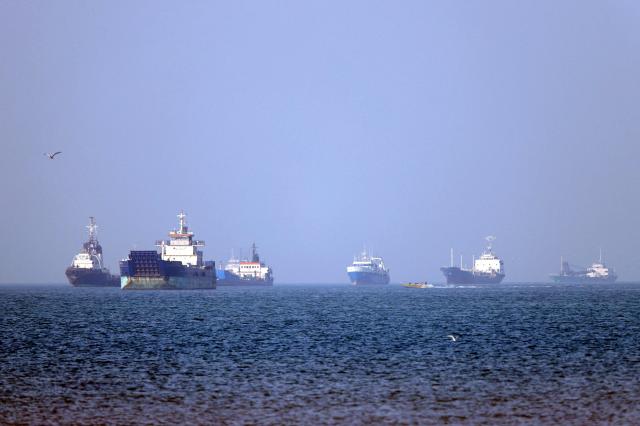
External uncertainty is also weighing on the outlook. Rising Middle East tensions, including conflict involving the United States and Israel and Iran, have hit the broader economy. A prolonged closure of the Strait of Hormuz, a key route for oil exports, has also prevented Saudi Arabia from fully benefiting from higher oil prices. Analysts also say Saudi-led efforts to manage oil prices could be weakened after the United Arab Emirates declared it would leave OPEC.
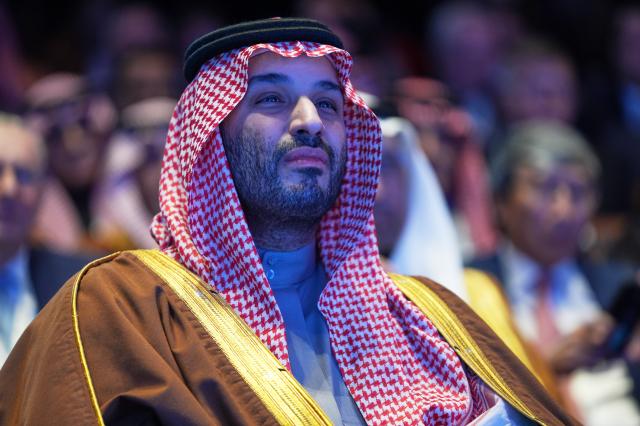
Some critics say Saudi Arabia’s sportswashing strategy is reaching its limits. Justin Nolan, director of the Australian Human Rights Institute, told Nine on May 2 that the kingdom invested billions to improve its image but instead drew more global scrutiny, including controversy around LIV Golf. “As a reputation management strategy, it hasn’t been successful,” he said.
Economists, however, describe the shift as a profit-driven recalibration. Johan Rewilak, a sports management professor at Loughborough University, told the BBC on May 1 that with the 2034 FIFA World Cup approaching, Saudi Arabia faces enormous infrastructure and operating costs. He said it is reasonable for the government to redistribute capital and reassess its sports portfolio, adding that geopolitical tensions and rising construction costs are pushing spending priorities toward security and essential infrastructure rather than showcase sports assets. Neil Quilliam, an associate fellow at Chatham House, wrote in a May 1 report that a review of mega-projects was already underway internally and that the current geopolitical crisis is being used to justify a shift in spending priorities.
PIF has also signaled a strategic change. In a new five-year operating plan, it said it would move from rapid growth to “sustainable value creation,” strengthening investment efficiency, transparency and governance. That direction is reflected in PIF’s “2026-2030 new strategy report,” which reorganizes its portfolio into three pillars — a domestic “Vision Portfolio,” a “Strategic Portfolio” of national core assets, and a global “Financial Portfolio” — and removes sports as a standalone priority area.
As a result, Saudi Arabia is expected to reduce investment in newer, higher-uncertainty sports events and focus more on areas with clearer returns, such as artificial intelligence data centers, and on national projects with broad impact, including the 2030 World Expo and hosting the 2034 World Cup.
* This article has been translated by AI.
Copyright ⓒ Aju Press All rights reserved.