

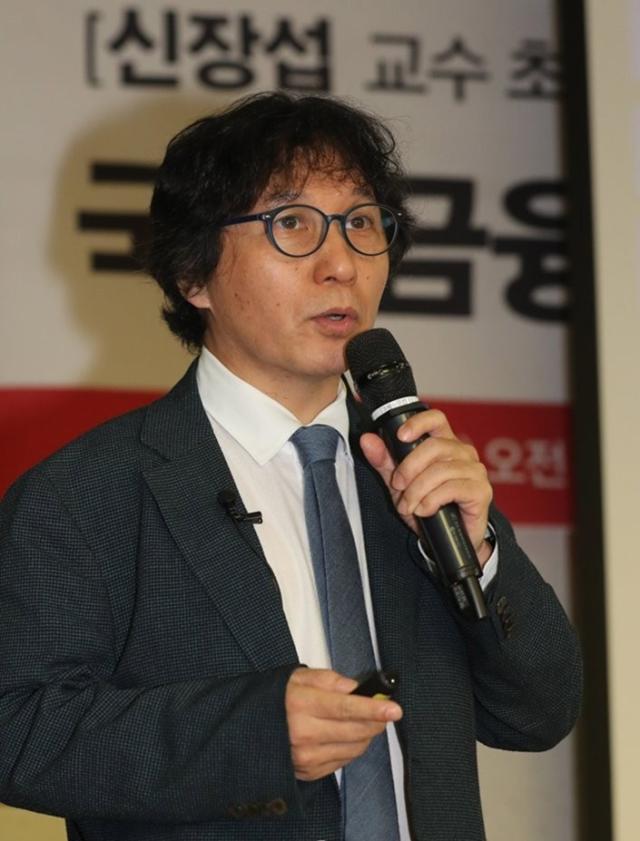
Two comments have drawn attention. One expert described the company as a “community for long-term prosperity.” Another warned that “a strike could have a serious impact on the national economy.” They were made by Shin Jang-seob, a professor at the National University of Singapore, and Shin Je-yoon, chairman of Samsung Electronics’ board. The wording differed, but both framed Samsung as more than a single company — either a community or a pillar of the national economy.
Samsung employees’ frustration is also easy to understand. Semiconductors are a high-pressure, intensely competitive business. Technology cycles have accelerated and workloads have grown heavier. As competition in AI chips intensifies, the fight with Nvidia, TSMC and SK hynix has taken on the feel of a war. When the company posts record-level profits, employees naturally ask: “Who created these results?”
That question underpins the union’s argument: If workers produced the performance, they should share more of the gains. In South Korea, the idea of “sharing performance” has increasingly mattered as much as base pay, with a sharper focus on why employee rewards appear limited when a company grows rapidly.
SK hynix has become a powerful point of comparison. After rising quickly in the high-bandwidth memory, or HBM, market, SK hynix drew attention for an aggressive performance-reward system, fueling complaints among Samsung employees about why they cannot receive similar treatment.
Shin Jang-seob, however, argued that a simple comparison is risky. In an interview with the JoongAng Ilbo, he said Samsung is a diversified company spanning foundry, system semiconductors, mobile devices and home appliances, unlike SK hynix’s memory-centered structure. His point was that bonus debates should be weighed alongside corporate structure and long-term strategy.
He used the phrase “community for long-term prosperity,” emphasizing that a company is not an organization that earns money one year and immediately distributes it. It must survive over time, which requires continued investment. Semiconductors are capital-intensive: Building a single plant can cost tens of trillions of won, and missing an investment window can quickly erode market position.
Samsung’s semiconductor strength was not built overnight. Shin said sustained investment and research and development since the 2010s helped produce today’s results. In that view, current profits reflect not only today’s workforce but also past investment and the capacity for future investment.
He said compensation should be considered in two parts: rewards for past performance, which can rise with strong results, and rewards aimed at future performance, which he said should be approached more like investment than simple cash payouts.
As an alternative, he pointed to RSUs — restricted stock units — as a long-term equity incentive. If employees receive shares they cannot sell for a set period, they may focus more on the company’s long-term value. Shin said restrictions of at least five years are needed.
Critics respond that workers do not control management and should not be forced to shoulder the risk of management failure. Rank-and-file employees have little say over large investments or strategic direction, yet broader use of long-term stock compensation could expose them to share-price declines driven by executive decisions or an economic downturn.
Stock options are common in Silicon Valley, but that model rests on high base pay, freer job mobility and a strong capital-market culture. South Korea still has limited structures for worker participation, making it difficult to justify risk-sharing solely with appeals to a “long-term community.”
Still, Shin’s underlying concern is not simply shifting risk to workers. It is closer to a warning that a system in which labor and capital are completely separated may not be sustainable.
In South Korea, calls to “share” profits are common when earnings rise, but when losses occur, shareholders typically bear the final burden. When Samsung’s results fell sharply during a semiconductor downturn, employee wages were not cut drastically and suppliers were not asked to return payments. The stock price, however, dropped, and shareholders absorbed the losses.
That reflects the concept of residual claims: Companies pay wages, supplier bills, interest and taxes first. Shareholders receive what remains — and are also last in line when losses occur. Shin’s long-term community argument, in effect, calls for recognizing that structure and considering how responsibility is shared not only in good times but also in downturns.
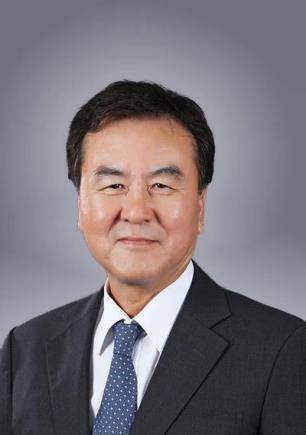
Shin Je-yoon’s remarks reflect a similar concern. In an internal post, he said that “once a strike begins, both labor and management will lose their footing.” He also stressed that in semiconductors — a “national foundation industry,” in his words — timing and customer trust are crucial.
The warning is rooted in the industry’s dynamics. If customer confidence is shaken, supply chains can be reshaped. In the current race for AI semiconductors, speed matters and customers will not wait. If development schedules slip and production is disrupted, global clients can move quickly to competitors.
That is why Shin said a strike could seriously affect the national economy. The article argues Samsung is tied to exports, tax revenue, the stock market and a broad supplier ecosystem, and that its performance can influence the won-dollar exchange rate, markets and pension-fund returns — leaving the broader economy vulnerable if the company falters.
But another question follows: Should workers’ demands be suppressed in the name of the national economy? The article notes that South Korea has often used economic arguments to ask workers to accept sacrifices, an approach that may quiet conflict without resolving it.
The dispute is not easily reduced to one side being wrong. The union is seeking what it sees as fairer rewards for performance. The company and some economists warn that a short-term, cash-heavy approach could weaken long-term competitiveness. Both arguments carry weight.
The larger issue, the article says, is that South Korea has not reached a clear agreement on how to share long-term gains. Silicon Valley companies often combine cash pay with long-term equity, allowing key employees to share in growth over time. But the U.S. system also features freer labor mobility and different capital-market norms, making a direct transplant difficult and pointing to the need for a distinct Korean model.
The Samsung dispute, then, is more than a bonus negotiation. It raises questions about who a company belongs to, how far labor is part of a shared enterprise, why shareholders receive residual profits, and how far corporate social responsibility should extend.
Shin Jang-seob spoke of a “long-term community.” Shin Je-yoon spoke of the sustainability of the national economy. The article says both point to the same conclusion: Samsung should not be viewed only as a venue for short-term distribution. At the same time, it argues that workers on the front lines of semiconductor competition cannot be met only with calls to endure for the company’s future.
What is needed, it concludes, is balance — recognizing short-term performance while protecting long-term competitiveness, acknowledging labor’s contribution while preserving room for future investment, and recognizing shareholder risk without ignoring social responsibility. The conflict at Samsung, the article says, is ultimately asking where Korean capitalism is headed — a question larger than any single bonus figure.
* This article has been translated by AI.
Copyright ⓒ Aju Press All rights reserved.