

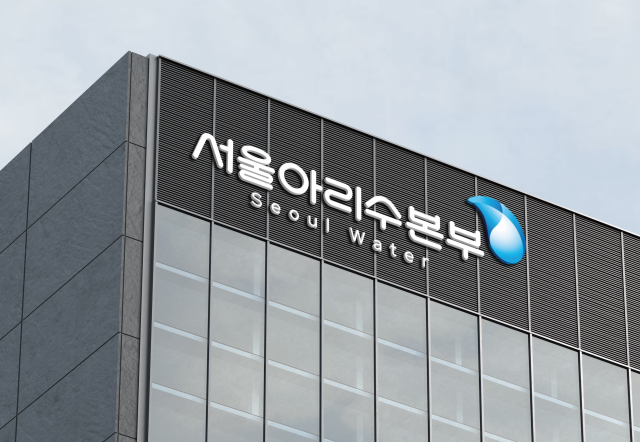
The city of Seoul is sharing its advanced water supply technology, known as 'Arisu,' with developing countries, leading to actual improvements in overseas water facilities. Once a city that sought to learn from advanced nations, Seoul is now recognized as an 'administrative export city' where global cities come to learn its techniques.
From May 18 to 28, Seoul is hosting 15 officials from 10 cities across eight countries, including East Timor, Laos, and Mozambique, to share its Arisu policies and technologies through a training program.
This training goes beyond mere observation. It is a hands-on program where Seoul shares decades of expertise in water supply policies, purification technology, water quality management systems, and water loss management with overseas city managers.
Participants will visit the Arisu Field Training Center, the first of its kind established by a local government in South Korea, as well as the Arisu Purification Centers in northern Seoul. They will experience the entire water supply operation, from purification and production to water quality management. Following this, they will discuss local water supply issues and develop action plans tailored to their countries' needs.
Notably, this technology exchange is leading to actual overseas projects. Since 2012, Seoul has conducted 24 training sessions for 305 water supply experts from 95 cities in 40 countries. The collaborative networks formed during these sessions have evolved into tangible improvements in overseas water facilities.
Prominent examples include projects in Tanzania and Laos. In Tanzania's Dodoma, Seoul is collaborating with KOICA (Korea International Cooperation Agency) on a project worth 5.1 billion won to upgrade aging water facilities and establish a management system, which began in 2023. In Laos's Vientiane Province, a project worth 8.1 billion won for water purification and distribution system upgrades has been underway since March of this year. Together, these projects total approximately 13.2 billion won.
Seoul's water supply management experience is also expanding to projects in Hue, Vietnam, and Tegucigalpa, Honduras. Observers see this as a model of 'administrative technology export' that goes beyond simple official development assistance (ODA). Seoul first shares its policies and technologies, which then connect with KOICA projects and local water-related businesses and technologies in infrastructure initiatives.
This marks a stark contrast to the past when Seoul sought to learn from advanced cities about water supply and urban management systems. Now, officials from overseas cities come to Seoul to learn about its water management systems, and Seoul's technologies and policies are being applied to local projects.
CityNet, an Asia-Pacific urban cooperation organization, is also participating in this training to expand cooperation among cities. Seoul plans to leverage the CityNet network to strengthen connections between overseas cities and water-related institutions and businesses, as well as to explore follow-up cooperation projects.
A KOICA official stated, "Seoul's water supply policies and operational experience are providing practical solutions to local urban issues. The significance lies in the fact that this is not just training but leads to actual field projects."
Joo Yong-tae, head of the Seoul Arisu Headquarters, remarked, "Seoul's water supply policies and technologies are already recognized for their global competitiveness. We will continue to expand cooperation and technology exchange tailored to the conditions of each city."
From May 18 to 28, Seoul is hosting 15 officials from 10 cities across eight countries, including East Timor, Laos, and Mozambique, to share its Arisu policies and technologies through a training program.
This training goes beyond mere observation. It is a hands-on program where Seoul shares decades of expertise in water supply policies, purification technology, water quality management systems, and water loss management with overseas city managers.
Participants will visit the Arisu Field Training Center, the first of its kind established by a local government in South Korea, as well as the Arisu Purification Centers in northern Seoul. They will experience the entire water supply operation, from purification and production to water quality management. Following this, they will discuss local water supply issues and develop action plans tailored to their countries' needs.
Notably, this technology exchange is leading to actual overseas projects. Since 2012, Seoul has conducted 24 training sessions for 305 water supply experts from 95 cities in 40 countries. The collaborative networks formed during these sessions have evolved into tangible improvements in overseas water facilities.
Prominent examples include projects in Tanzania and Laos. In Tanzania's Dodoma, Seoul is collaborating with KOICA (Korea International Cooperation Agency) on a project worth 5.1 billion won to upgrade aging water facilities and establish a management system, which began in 2023. In Laos's Vientiane Province, a project worth 8.1 billion won for water purification and distribution system upgrades has been underway since March of this year. Together, these projects total approximately 13.2 billion won.
Seoul's water supply management experience is also expanding to projects in Hue, Vietnam, and Tegucigalpa, Honduras. Observers see this as a model of 'administrative technology export' that goes beyond simple official development assistance (ODA). Seoul first shares its policies and technologies, which then connect with KOICA projects and local water-related businesses and technologies in infrastructure initiatives.
This marks a stark contrast to the past when Seoul sought to learn from advanced cities about water supply and urban management systems. Now, officials from overseas cities come to Seoul to learn about its water management systems, and Seoul's technologies and policies are being applied to local projects.
CityNet, an Asia-Pacific urban cooperation organization, is also participating in this training to expand cooperation among cities. Seoul plans to leverage the CityNet network to strengthen connections between overseas cities and water-related institutions and businesses, as well as to explore follow-up cooperation projects.
A KOICA official stated, "Seoul's water supply policies and operational experience are providing practical solutions to local urban issues. The significance lies in the fact that this is not just training but leads to actual field projects."
Joo Yong-tae, head of the Seoul Arisu Headquarters, remarked, "Seoul's water supply policies and technologies are already recognized for their global competitiveness. We will continue to expand cooperation and technology exchange tailored to the conditions of each city."
* This article has been translated by AI.
Copyright ⓒ Aju Press All rights reserved.