

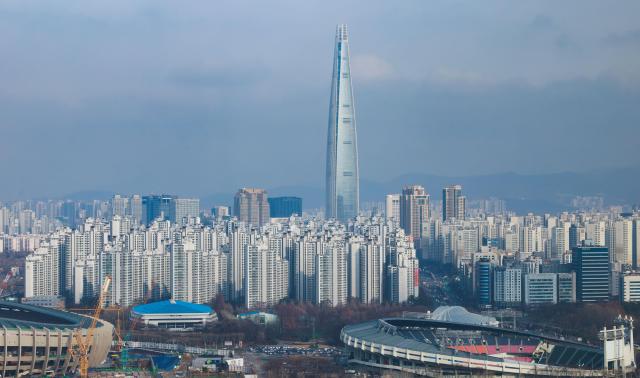
The jeonse market in Seoul's northeast region is becoming increasingly inaccessible. With loan regulations and the designation of land transaction permission zones closing off gap investment opportunities, the reintroduction of heavy capital gains taxes has further restricted landlords from converting to monthly rentals. This has exacerbated the shortage of jeonse listings in the area.
According to the real estate big data platform 'Asil,' the total number of jeonse listings for apartments in Seoul increased by 4.2% compared to ten days ago. However, the northeast region is experiencing a rapid contraction in its jeonse market. Dobong District saw the largest decline in listings, plummeting by 15.8% during the same period, while Seongbuk District followed with an 8.4% decrease. In contrast, areas under pressure from high jeonse loan regulations, such as Seocho and Mapo districts, saw increases of 14.1% and 14.2%, respectively, highlighting a significant mismatch in inventory.
As the supply-demand imbalance intensifies, price statistics and market sentiment are reaching critical levels. The Korea Real Estate Agency reported a 0.28% increase in the weekly jeonse price index for Seoul as of the second week of May, up from 0.23% the previous week. Notably, Seongbuk District recorded the highest increase at 0.54%, with Gangbuk and Dongdaemun districts also showing strong performance at 0.33% each.
KB Real Estate's jeonse outlook index for Seoul stood at 132.4, significantly above the baseline of 100, while the jeonse supply-demand index soared to 113.7, indicating the most severe 'jeonse drought' since 2021. Actual transactions are also setting new records, with the 'Dream Forest I-Park' in Jangwi New Town recently signing a jeonse contract for an 84 square meter unit at 890 million won, marking an increase of over 150 million won since the beginning of the year.
With gap investment demand blocked by loan regulations and land transaction permissions, the deposit gap between new and renewal contracts for Seoul apartments widened to 55 million won from January to April. Existing tenants are utilizing their rights to renew contracts, further reducing the number of available listings.
Additionally, the reintroduction of heavy capital gains taxes has left landlords with multiple properties unable to sell, leading them to shift existing jeonse listings to monthly or semi-monthly rentals to pass the tax burden onto tenants, further depleting pure jeonse inventory.
Recent concentrated demand from relocation due to redevelopment projects is also putting additional pressure on the northeast jeonse market. The Mia 3 District in Gangbuk, with 1,037 units, has seen relocation demand since the second half of last year, drawing residents from nearby Seongbuk and Gangbuk districts. The Jangwi 14 District within Jangwi New Town, comprising over 2,500 units, has recently entered the appraisal and relocation planning stages.
On the ground, the sense of a jeonse crisis is becoming more palpable. A representative from a real estate agency in Jangwi-dong, Seongbuk District, stated, "In Seongbuk, jeonse prices are now determined by what the market will bear. Large complex jeonse listings attract immediate interest as soon as they are posted online." They added, "The remaining relocation inventory from Imun and Hwikyung New Towns, combined with demand from Sanggye New Town, is likely to further exacerbate the shortage of jeonse listings and drive prices higher across the northeast region."
* This article has been translated by AI.
Copyright ⓒ Aju Press All rights reserved.