

Journalist

Han Young-hoon
han@ajunews.com
-
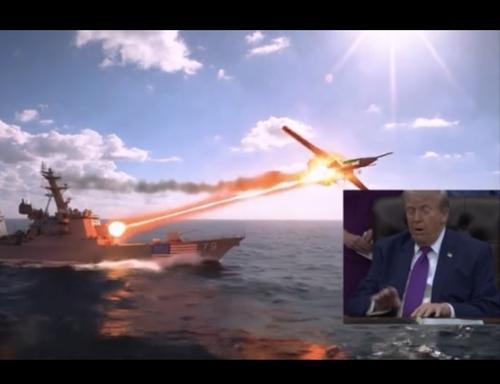 Trump Posts AI Video of Striking Iranian Military Aircraft, Intensifying Negotiation Pressure Donald Trump, the President of the United States, has posted an artificial intelligence (AI) generated video depicting the destruction of an Iranian military aircraft. This post comes on the same day he warned Iran that "time is running out," suggesting an escalation in military pressure amid stalled peace negotiations. On May 17, Trump shared a 5-second video on his social media platform, Truth Social. The video shows a U.S. warship firing a high-powered laser at an Iranian military aircraft bearing the Iranian flag. In the video, Trump can be heard saying, "Okay. It's coming our way," followed by, "Fire. Boom." He also posted a larger version of the same video along with similar content. While the video is not based on actual military operations, the fact that a sitting U.S. president has shared a depiction of U.S. forces shooting down an adversary's aircraft makes it more than just an ordinary online post. It visually conveys a warning that military action could be intensified if Iran does not comply with U.S. demands. On the same day, Trump issued a direct warning to Iran on Truth Social, stating, "Time is running out. They need to move quickly. Otherwise, they will have nothing left." He emphasized that "time is of the essence," indicating that Iran could face stronger pressure if it does not respond promptly to U.S. proposals for peace. Trump has publicly rejected a recent peace proposal from Iran. Reports suggest that additional military options against Iran are being considered within the United States. According to Reuters, Trump is scheduled to hold a meeting with national security advisors regarding Iran in the White House Situation Room on May 19.* This article has been translated by AI. 2026-05-18 07:45:48
 -
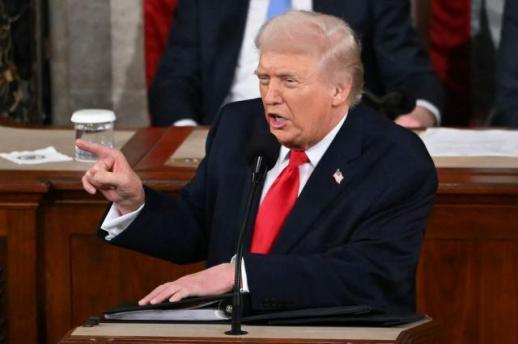 Trump Joins Effort to Defeat Republican Thomas Massie in Costly Primary The primary election for U.S. Representative Thomas Massie's re-election has become the most expensive in House history. This surge in costs is attributed to significant advertising spending by Donald Trump's camp and pro-Israel organizations aimed at defeating Massie. According to Politico, the total advertising expenditure for the Kentucky Republican primary has exceeded $32 million, marking the highest amount ever recorded for a House primary, according to ad tracking firm AdImpact. Pro-Israel groups, including the American Israel Public Affairs Committee (AIPAC), have invested over $9 million in efforts to unseat Massie. Additionally, a super PAC associated with Trump has spent approximately $7 million. Trump's involvement has been a key factor in escalating the stakes of the primary. He has endorsed former Navy SEAL Ed Gallein as Massie's challenger. Politico reported that Trump's intervention has disrupted the stable re-election landscape for Massie, who had held his seat for over a decade, prompting pro-Israel factions to ramp up their spending. Massie is known for his non-interventionist and libertarian views within the Republican Party. He has repeatedly opposed military support for Israel and pro-Israel resolutions, making him a target for pro-Israel groups. Massie has argued that his opposition to foreign aid is not aimed solely at Israel. Pro-Israel organizations are directly targeting Massie. The Republican Jewish Coalition's Victory Fund has aired six attack ads against him, spending over $4 million. AIPAC's super PAC, the United Democracy Project, has also invested around $5 million to highlight Massie's opposition to pro-Israel resolutions. This primary has transcended a simple district contest, emerging as a litmus test for the political costs of criticizing Israel within the GOP. This comes amid a growing trend among younger Republican supporters to adopt a more critical stance toward Israel following conflicts in Gaza and Iran. In response, Massie has pushed back, asserting that he is neither anti-Semitic nor anti-Israel. He emphasized that criticism of the Netanyahu government's policies should not be equated with anti-Semitism. As the election nears, AIPAC has proposed legislation requiring registration under the Foreign Agents Registration Act (FARA). The race is tight. A Quinteros Insights poll shows Gallein leading Massie by 8 percentage points, while a Big Data Poll indicates Massie ahead by 1 percentage point. Trump's support and external funding have elevated Gallein as a formidable challenger in this federal election. However, Massie remains a well-established incumbent with a solid local base. His libertarian leanings align with the political inclinations of Kentucky's 4th district. Whether Trump's backing and the substantial advertising campaign from pro-Israel groups can actually unseat the incumbent is a critical factor in this primary.* This article has been translated by AI. 2026-05-18 07:33:56
 -
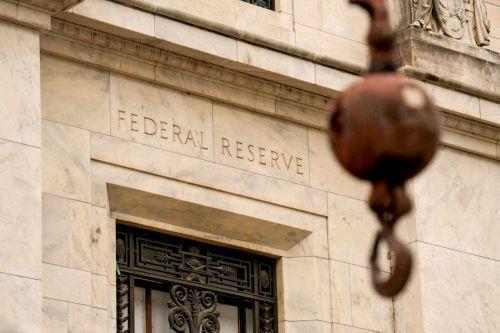 Wall Street Bond Expert: Fed Likely to Raise Rates Instead of Cutting This Year ‘Bond King’ Jeffrey Gundlach, CEO of DoubleLine Capital, has predicted that the Federal Reserve will find it nearly impossible to cut interest rates this year. He cited rising oil prices due to ongoing conflicts in the Middle East and tariff pressures as factors pushing inflation higher, suggesting that market expectations for rate cuts are overly optimistic. On May 17, Gundlach appeared on Fox News' 'Sunday Morning Futures,' stating, "Inflation pressures are persisting, making it difficult for the Fed to lower interest rates." He noted that Kevin Warsh, who has been nominated as the next Fed chair, will face a challenging environment, adding, "The Fed's next policy direction may not be a cut but rather an increase." Gundlach expressed particular concern that inflation is not decreasing as quickly as the market anticipates. He pointed out that movements in the two-year U.S. Treasury yield are undermining expectations for rate cuts, stating, "It is hard to justify a rate cut." He also predicted that the next Consumer Price Index (CPI) could rise to around 4%. In a previous interview with CNBC, Gundlach reiterated similar concerns. According to DoubleLine, he warned that if rising oil prices and tariff impacts do not dissipate easily, the CPI, including food and energy, could enter the 4% range in the short term. He emphasized, "In this environment, a rate cut by the Fed is virtually impossible," and added that the likelihood of an increase is higher than a cut by the end of the year. Market expectations are also shifting rapidly. According to Reuters, Bank of America (BofA) has revised its forecast, predicting that the Fed will keep rates steady for the remainder of the year, with the first cut expected in July or September 2027. Goldman Sachs has also pushed back its forecast for the first cut from September 2026 to December 2026. Reuters reported that the prolonged conflict in the Middle East is driving up energy prices, prompting global investment banks to reassess their outlook for U.S. rate cuts. The Fed held interest rates steady during its Federal Open Market Committee (FOMC) meeting on April 29, with a vote of 8 in favor and 4 against, marking the closest decision since 1992. With U.S. inflation still above the Fed's target of 2%, the market reflects a likelihood that the Fed will maintain rates at the current level of 3.50% to 3.75% through the end of the year. Gundlach's comments also serve as a warning regarding the pricing of risk assets. He cautioned that investors buying stocks and other risk assets based on expectations of rate cuts may be making a miscalculation. According to Business Insider, Gundlach stated, "There will be no rate cuts this year," urging an increase in defensive asset allocations such as cash, gold, and commodities.* This article has been translated by AI. 2026-05-18 07:01:15
 -
 Trump Warns Iran to Act Quickly or Face Consequences President Donald Trump has warned Iran that it must act quickly or risk losing everything. As negotiations surrounding Iran's nuclear program and navigation through the Strait of Hormuz remain stalled, U.S. military pressure appears to be escalating. On May 17, Trump posted on his social media platform Truth Social, stating, "There is not much time left regarding the Iran issue. Iran must move quickly; otherwise, there will be nothing left." He emphasized that "time is of the essence." In a phone interview with Axios on the same day, Trump further pressured Iran, saying, "If Iran does not present a better deal, it will face much stronger consequences." He added, "We want a deal, but they are not where we need them to be. They must reach that point." The U.S. has been demanding that Iran reduce its nuclear program and normalize navigation through the Strait of Hormuz. However, Iran has largely resisted these demands, and discussions through mediating countries have yet to yield significant breakthroughs. While Trump did not specify a deadline for negotiations, his comments urging Iran to act quickly suggest a potential for increased military action if Iran does not comply. This warning follows Trump's recent emphasis on the principles of preventing Iranian nuclear weapons and reopening the Strait of Hormuz after announcing the outcomes of a U.S.-China summit. Tensions in the Middle East are rising. According to Axios, Trump discussed the situation in Iran with Israeli Prime Minister Benjamin Netanyahu on May 17. U.S. officials indicated that Trump is scheduled to meet with his national security team in the White House Situation Room on May 19 to discuss military options.* This article has been translated by AI. 2026-05-18 07:00:40
 -
 Trump and Xi Confirm Joint Goal of North Korean Denuclearization Donald Trump, the President of the United States, and Xi Jinping, the President of China, have confirmed their joint goal of denuclearizing North Korea. This comes amid speculation that the Trump administration may effectively recognize North Korea as a nuclear state, as the White House officially included "North Korean denuclearization" in its documents. On May 17, the White House released a fact sheet from the US-China summit, stating that Trump and Xi "confirmed their joint goal of denuclearizing North Korea." The White House noted that this summit marked the first visit by a U.S. president to China since 2017, emphasizing that the two leaders reached consensus on various issues to enhance stability and trust for global businesses and consumers. However, no specific roadmap regarding North Korean denuclearization was disclosed. Details on negotiation methods, China's pressure tactics on North Korea, and the timeline for resuming U.S.-North Korea dialogue were not included in the fact sheet. While the statement is largely declarative, the confirmation of denuclearization as a joint goal by the two leaders in an official document could serve as a reference point for future discussions on North Korea. The White House also outlined the fundamental direction of the bilateral relationship. The fact sheet indicated that the U.S. and China agreed to build a "constructive strategic stability relationship" based on fairness and reciprocity. Xi is expected to visit Washington this fall, and both countries agreed to support each other as hosts of the upcoming G20 and APEC summits. Middle Eastern issues were also addressed. Both leaders agreed that Iran should not possess nuclear weapons. They called for the reopening of the Strait of Hormuz and expressed that no country or organization should impose tolls on passage through it. The issues of North Korean denuclearization, Iran's nuclear situation, and the Hormuz transit were presented as security concerns. In the economic sector, the establishment of a U.S.-China trade and investment committee was highlighted as a key achievement. The two nations agreed to create a trade committee and an investment committee. The trade committee will manage trade between the two countries, focusing on non-sensitive items, while the investment committee will serve as a forum for discussing investment-related issues between governments. The White House emphasized China's commitment to purchasing more U.S. products and expanding market access. China agreed to address U.S. concerns regarding disruptions in the supply chain of rare earths and critical minerals. Additionally, it was decided that China would approve an initial purchase of 200 Boeing aircraft for its airlines. China also committed to buying at least $17 billion worth of U.S. agricultural products annually from 2026 to 2028 and to renewing registrations for over 400 U.S. beef facilities and resuming poultry imports. The situation on the Korean Peninsula was also discussed in a call between Trump and South Korean President Lee Jae-myung. According to Reuters, Trump explained the outcomes of the US-China summit during their conversation. The two sides discussed U.S.-China relations, economic and trade agreements, the Korean Peninsula situation, and the Middle East. Trump expressed his intention to work closely with South Korea to contribute to peace and stability on the Korean Peninsula.* This article has been translated by AI. 2026-05-18 06:53:05
 -
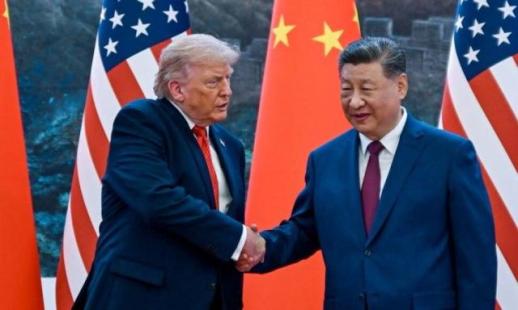 Xi Jinping Emphasizes Stability in U.S.-China Relations During Trump Visit Xi Jinping, the President of China, emphasized the importance of stable development in U.S.-China relations during a meeting with U.S. President Donald Trump at Zhongnanhai. His remarks underscored the need to implement agreements reached during their previous summit and to manage conflicts that could destabilize the bilateral relationship. According to China Central Television (CCTV) on May 15, Xi described Trump's visit as "historic and symbolic." He noted that the two countries had reached significant consensus on stabilizing economic and trade relations, expanding practical cooperation, addressing mutual concerns, and enhancing communication on international and regional issues. Xi stated, "Both sides must accurately set the direction and eliminate obstacles to promote the stable development of U.S.-China relations," indicating the need to translate the agreements confirmed during their May 14 meeting into actionable policies and cooperation. During the previous day's talks, Xi outlined a broader framework for U.S.-China relations, asserting, "The two countries should be partners, not adversaries," and emphasized the need for mutual achievement and shared prosperity. He proposed a new standard for U.S.-China relations: a "constructive strategic stable relationship." On economic and trade issues, Xi stressed the importance of maintaining negotiations. He remarked, "The essence of U.S.-China economic and trade relations is mutual benefit and win-win cooperation," adding that equal negotiations are the only correct choice when faced with disagreements and friction. He also noted that the economic and trade teams from both countries had achieved balanced and positive results overall, urging both sides to maintain the favorable momentum they have gained. Xi raised the stakes regarding the Taiwan issue, stating, "The Taiwan issue is the most important issue in U.S.-China relations." He warned that while proper handling could stabilize bilateral relations, mishandling could lead to conflict and put the entire U.S.-China relationship in jeopardy. He added, "'Taiwan independence' and peace in the Taiwan Strait cannot coexist," urging the U.S. to handle the Taiwan issue with caution. CCTV reported that the two leaders also discussed international and regional issues, including the situation in the Middle East, the war in Ukraine, and matters concerning the Korean Peninsula. They agreed to support each other in successfully hosting the upcoming Asia-Pacific Economic Cooperation (APEC) summit and the Group of Twenty (G20) summit this year.* This article has been translated by AI. 2026-05-15 22:27:54
 -
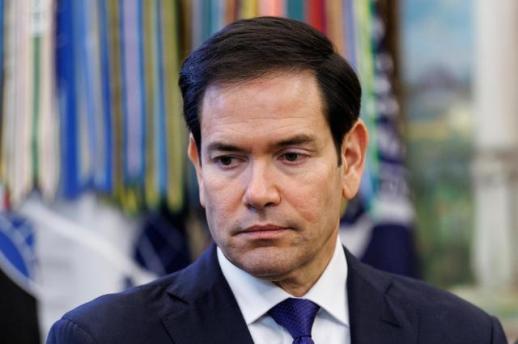 U.S. Secretary of State Rubio: No Change in Taiwan Policy Amid China Tensions The U.S. State Department has reaffirmed that its policy toward Taiwan remains unchanged. Despite discussions on Taiwan during a meeting between President Donald Trump and Chinese President Xi Jinping in Beijing, the U.S. has indicated it will maintain its existing stance. On May 14, in an interview with NBC, Secretary of State Marco Rubio stated, "As of today, and based on today's meeting, the U.S. policy on Taiwan has not changed." He added, "They always raise this (Taiwan) issue, and we clarify our position before moving on to other topics." Rubio also drew a line regarding the possibility of China's military unification with Taiwan, warning that such an action would be a "big mistake." He cautioned that any aggressive moves would have repercussions not only from the U.S. but also from the international community. He clarified that the issue of arms sales to Taiwan was not a central topic of the recent meeting. "It is well known that China opposes U.S. arms sales to Taiwan, but this issue was not prominently addressed during the Trump-Xi meeting," he said. He noted, "Arms sales to Taiwan are a matter for the President to decide, and Congress also plays a procedural role." Rubio's comments came shortly after Xi strongly emphasized the Taiwan issue during their meeting, stating that it is the most critical matter in U.S.-China relations and warned that failure to address it properly could lead to conflict and tension between the two nations. However, the White House's briefing materials did not separately mention the Taiwan issue. Taiwan welcomed the reaffirmation of U.S. policy. The Taiwanese Foreign Ministry expressed gratitude for the U.S. emphasis on peace and stability in the Taiwan Strait and the maintenance of existing policies. Taiwan criticized the ongoing activities of the Chinese military, stating that Beijing remains a major risk factor for regional peace and stability.* This article has been translated by AI. 2026-05-15 21:28:28
 -
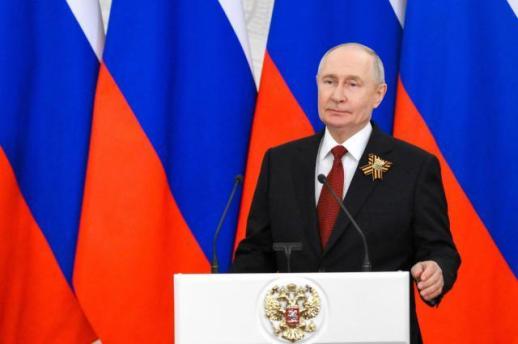 Putin's Visit to China Nears Final Coordination, Expected on May 20 Russian President Vladimir Putin's upcoming visit to China is in the final stages of coordination. The Kremlin has announced that preparations for the visit are nearly complete, and the South China Morning Post (SCMP) reports that Putin is expected to visit Beijing for a one-day trip on May 20. On May 14, Dmitry Peskov, the Kremlin spokesperson, stated during a briefing that the date of Putin's visit would be announced very soon. He noted, "The visit is in preparation, and I can say that the preparations are already complete. Only final touches remain. It will happen very soon." While the Kremlin has not disclosed a specific date for the visit, SCMP cited multiple sources indicating that Putin is scheduled to visit Beijing next week, with May 20 being the anticipated date. This visit is particularly noteworthy as it follows President Donald Trump's trip to China. Trump visited China from May 13 to 15 to discuss trade, the Iran conflict, and Taiwan issues with Chinese President Xi Jinping. TASS previously reported that Putin is expected to travel to Beijing shortly after Trump's visit. If Putin's trip to China proceeds as planned, key topics for discussion are likely to include the Ukraine war, the situation in the Middle East, and issues related to energy and trade cooperation. Amid prolonged Western sanctions, Russia aims to expand its economic and diplomatic collaboration with China. Meanwhile, China seeks to maintain strategic cooperation with Russia while managing its relationship with the United States.* This article has been translated by AI. 2026-05-15 15:09:00
 -
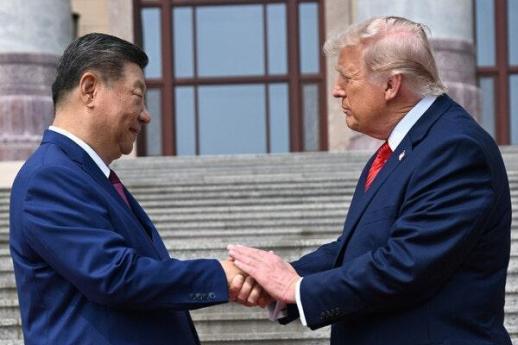 China and U.S. Reach New Consensus During Trump’s Visit Chinese Foreign Ministry officials announced that U.S. President Donald Trump and Chinese President Xi Jinping reached a "series of new consensuses" during their recent summit. However, they did not confirm Trump's claims of a "fantastic trade agreement" or any specific cooperation regarding Iran and the Hormuz Strait. Instead, China emphasized the importance of maintaining stable U.S.-China relations over concrete outcomes. On May 15, a spokesperson for the Chinese Foreign Ministry stated that the two leaders engaged in deep discussions on significant issues affecting both nations and the world, resulting in a series of new agreements. This visit marks Trump's first trip to China as president in nine years, according to the ministry. The Foreign Ministry noted that both leaders agreed to establish a "constructive strategic stability relationship" as a new standard for U.S.-China relations. This framework is expected to provide strategic guidance for the relationship over the next three years and beyond. The ministry added that it aims to promote stable, healthy, and sustainable development in bilateral relations, contributing to global peace, prosperity, and progress. The schedule of the summit was also highlighted. The Foreign Ministry reported that Xi hosted a welcome ceremony and banquet for Trump the previous day, and the two leaders visited Tian Tan together after their discussions. The ministry assessed that their interactions enhanced mutual understanding and trust, benefiting practical cooperation and the welfare of both nations' citizens. However, there is a noticeable difference in tone between the Chinese statement and the U.S. announcement. Following the meeting, Trump claimed they had reached a "fantastic trade agreement" and highlighted China's commitment to increasing purchases of U.S. agricultural products and cooperation on issues related to Iran and the Hormuz Strait. In contrast, the Chinese statement did not mention specifics regarding the trade agreement, U.S. agricultural purchases, imports of U.S. crude oil, or the reopening of the Hormuz Strait. Instead, China emphasized communication on international and regional issues. The Foreign Ministry stated that the two leaders reached an important consensus on appropriately addressing each other's concerns and agreed to strengthen communication and coordination on international and regional matters. While this could encompass issues like the Iran conflict and the Hormuz Strait, it does not imply specific concessions or commitments from China on these matters. Regarding the Taiwan issue, a firm stance was reiterated in a separate briefing. Foreign Ministry spokesperson Geng Shuang stated that Xi told Trump that "the Taiwan issue is the most important issue in U.S.-China relations." He warned that mishandling the situation could lead to conflict or confrontation, pushing U.S.-China relations into a very dangerous situation.* This article has been translated by AI. 2026-05-15 14:28:35
 -
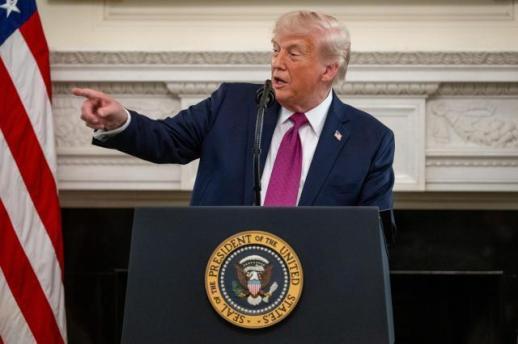 Trump Highlights Trade Agreement with Xi During China Visit President Donald Trump concluded his visit to China by emphasizing the outcomes of his summit with Chinese President Xi Jinping. He highlighted a trade agreement and the expansion of U.S. agricultural product purchases, while also stressing China's alignment with the U.S. on issues related to the Iran conflict and the Strait of Hormuz. On May 15, Trump told reporters in Beijing after a private meeting with Xi, "The visit was unbelievable," adding, "We reached a fantastic trade agreement for both countries." He noted that they addressed several issues that others had failed to resolve. Trump stated that topics discussed during the meeting included trade, technology, Taiwan, and the Iran conflict. In the realm of trade, the expansion of Chinese purchases of U.S. agricultural products was a key achievement. Jamieson Greer, the U.S. Trade Representative, expressed optimism that an agreement would lead to China purchasing "tens of billions of dollars" worth of U.S. agricultural products annually over the next three years. Reuters reported that this could include not only soybeans but also corn and sorghum, in addition to existing commitments. Energy discussions were also part of the agenda. According to AP, Trump explained that China could increase its imports of U.S. crude oil. This move is seen as an effort to diversify China's energy import structure away from reliance on the Middle East and expand U.S. energy exports. Regarding the Iran issue, Trump emphasized China's cooperation, stating, "President Xi expressed his willingness to help end the Iran conflict." He also noted that Xi indicated China would not supply military equipment to Iran. Trump remarked, "We feel very similarly in that we do not want Iran to have nuclear weapons and we want the Strait of Hormuz to remain open." Greer also mentioned in an interview with Bloomberg that China desires to keep the Strait of Hormuz open without tolls or military control. He explained that China views the easing of tensions in the Middle East pragmatically and has shown a willingness to limit military support to Iran. However, it is difficult to view this meeting as a resolution to the underlying U.S.-China conflicts. Xi raised the Taiwan issue as a core matter in U.S.-China relations, sending a warning to the United States. AP noted that while both sides projected a friendly atmosphere, complex issues regarding Iran, Taiwan, and technology controls remain unresolved.* This article has been translated by AI. 2026-05-15 14:16:20