

Journalist

Han Young-hoon
han@ajunews.com
-
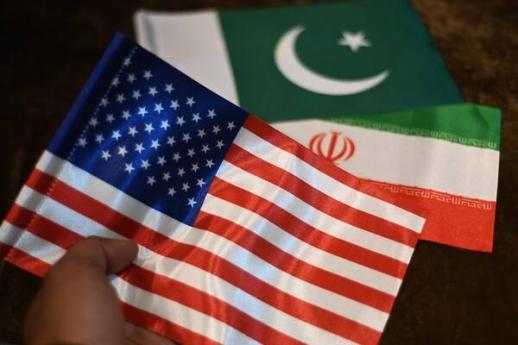 Pakistani Officials Continue Visits to Tehran as Prime Minister Sharif Heads to China Pakistani officials are making a series of visits to Tehran. Prime Minister Shehbaz Sharif is scheduled to visit China from May 23 to 26. As U.S.-Iran ceasefire negotiations remain stalled, Pakistan's diplomatic efforts are expanding towards Tehran and Beijing. According to the Pakistani daily Dawn on May 21, Interior Minister Mohsin Naqvi traveled to Tehran to deliver an 'important message' to Iranian leaders. This marks Naqvi's second visit to Tehran in less than a week. Dawn reported that "Pakistan is intensifying its diplomatic efforts amid a situation that could jeopardize the U.S.-Iran ceasefire." There are also discussions about a potential visit by Pakistan's military leadership to Iran. Dawn noted that speculation is growing that Army Chief Asim Munir may visit Iran soon. Reuters reported that Munir is considering a trip to Tehran as part of mediation efforts. Iranian news agency ISNA stated that Munir is expected to visit Tehran on May 21 for discussions, although Pakistani authorities have not officially confirmed this. Pakistan is acting as a conduit between Tehran and Washington. During his visit, Naqvi reportedly met with Iranian President Ebrahim Raisi and senior officials from the Islamic Revolutionary Guard Corps. Dawn described this meeting as an attempt by Pakistan to maintain the possibility of resuming negotiations. Pakistan's diplomatic activities are also extending to China. Prime Minister Sharif's official visit to China from May 23 to 26 is aimed at strengthening economic and digital cooperation and attending a business-to-business forum. This visit coincides with Pakistan's involvement in U.S.-Iran mediation efforts. Differences between the U.S. and Iran regarding Iran's nuclear program, sanctions relief, and the opening of the Strait of Hormuz remain significant. U.S. President Donald Trump has indicated that while he is open to the possibility of an agreement, military action could resume if a resolution is not reached. Although Pakistan's mediating role is becoming more prominent, the substantial gap between U.S. and Iranian positions raises uncertainty about the actual resumption of negotiations.* This article has been translated by AI. 2026-05-21 20:43:38
 -
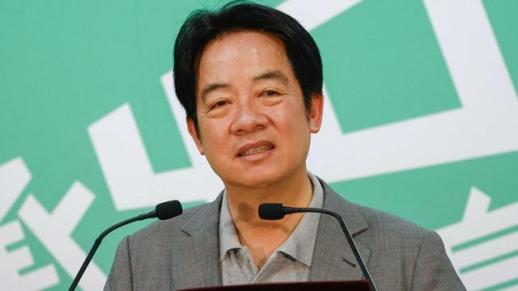 Taiwan President Tsai Ing-wen Declares Taiwan a Sovereign Nation Tsai Ing-wen, the President of Taiwan, stated that "Taiwan is already a sovereign independent nation." Her remarks came as U.S. President Donald Trump mentioned the possibility of a call with her. Tsai reaffirmed her stance of rejecting China's claims of sovereignty while emphasizing the need to maintain the status quo across the Taiwan Strait. According to Reuters on May 20, during a press conference marking her second anniversary in office, Tsai declared, "The Republic of China, Taiwan, is a sovereign independent nation." She asserted, "No country has the right to annex Taiwan," and added, "Taiwan's future cannot be determined by external forces." Tsai emphasized that the Taiwanese people pursue democracy and freedom, which should not be seen as a provocation. On the same day, Trump indicated he would speak with Tsai. Direct communication between the leaders of the U.S. and Taiwan has been considered a sensitive issue in U.S.-China relations since the U.S. severed diplomatic ties with Taiwan in favor of recognizing China in 1979. Tsai expressed her intent to convey to Trump that China is undermining peace and stability in the Taiwan Strait. She reiterated that Taiwan supports maintaining the status quo and that cross-strait dialogue should occur on the principles of equality and dignity. The necessity of strengthening Taiwan's defense capabilities was also highlighted. Tsai noted that acquiring U.S. weapons is essential for maintaining peace and stability in the Taiwan Strait. Taiwan aims to continue its security cooperation with the U.S. amid increasing military pressure from China. China responded strongly to Tsai's statements. The Taiwan Affairs Office of the State Council criticized her remarks as filled with falsehoods, deception, and hostility. They pointed out that Tsai's assertions of "sovereign independence" and "mutual non-subordination" reflect a narrative that China views as advocating for Taiwan's independence. The Chinese Foreign Ministry also stated that it would not accept any attempts to support Taiwan's independence. China considers Taiwan part of its territory and has not ruled out the use of force. In contrast, the Taiwanese government rejects China's sovereignty claims and maintains that the future of Taiwan should be determined by its people. The outcome of any potential call between Trump and Tsai could further escalate tensions in U.S.-China relations.* This article has been translated by AI. 2026-05-21 18:32:32
 -
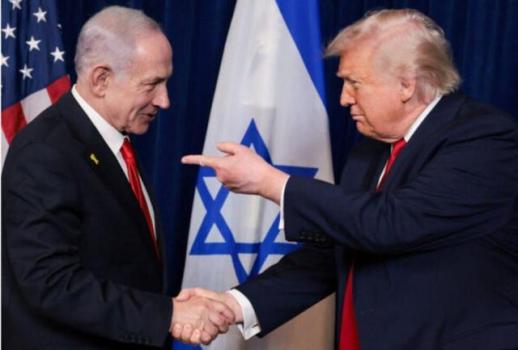 Trump and Netanyahu Clash Over Iran Peace Proposal President Donald Trump and Israeli Prime Minister Benjamin Netanyahu have expressed differing views on a proposed peace plan regarding Iran. As the U.S. and Middle Eastern mediators seek a diplomatic resolution, Netanyahu is reportedly advocating for the resumption of military operations against Iran. On May 20, Axios reported that Trump and Netanyahu engaged in a lengthy phone call the previous day regarding the Iran peace agreement. Sources indicated that the conversation was tense, with one U.S. source stating, "Netanyahu was visibly agitated after the call." The disagreement stems from a new proposal aimed at ending the war with Iran. Trump appears open to the possibility of a diplomatic resolution, while Netanyahu insists on the necessity of further weakening Iran's military capabilities and key facilities through military action. The peace proposal was developed under the leadership of Qatar and Pakistan. Axios noted that these countries sought to bridge the gap between the U.S. and Iran by incorporating the views of other mediators, including Saudi Arabia, Turkey, and Egypt. Mediators are reportedly preparing a document outlining principles for negotiations that both the U.S. and Iran could sign. This document is said to include a declaration to end the war and a 30-day negotiation period addressing Iran's nuclear program and the opening of the Strait of Hormuz. Trump has publicly indicated a dual approach of negotiation and pressure. During an event at the U.S. Coast Guard Academy, he suggested that if Iran does not sign the document, the U.S. could take direct action to resolve the issue, implying potential military action if Iran does not comply. Iran has stated it is reviewing the new proposal, although there has been no clear indication of a change in its position. Iran demands the cessation of U.S. seizures of Iranian vessels and the release of frozen funds as conditions for a negotiated settlement. Additionally, it has called for an end to the conflict in Lebanon concerning Israel. The possibility of Netanyahu visiting Washington is also a factor. Israeli sources reported that Netanyahu wishes to meet directly with Trump in Washington within the next few weeks.* This article has been translated by AI. 2026-05-21 17:04:40
 -
 Nvidia Confirms Strong Demand for AI Semiconductors Amid Market Concerns Nvidia has demonstrated robust demand for artificial intelligence (AI) semiconductors, reporting results that exceeded market expectations. However, regulatory challenges in China and the development of in-house chips by major tech companies pose potential risks for the future. According to reports from Reuters and the Associated Press on May 20, Nvidia's revenue for the first quarter of fiscal year 2027 (February to April 2026) reached $81.62 billion (approximately 122.2 trillion won), marking an 85% increase compared to the same period last year and surpassing market expectations of around $78.9 billion. The data center segment was the primary driver of this growth, with revenue soaring 92% to $75.2 billion year-over-year. The demand for graphics processing units (GPUs), networking equipment, and server systems necessary for AI development and service operations significantly boosted sales. Nvidia's outlook for the next quarter also exceeded market expectations. The company projected second-quarter revenue (May to July) at $91 billion, surpassing Wall Street's forecast of $86.84 billion, as reported by Reuters. Nvidia also announced a plan to buy back $80 billion of its shares. Jensen Huang, Nvidia's CEO, emphasized the expanding demand for AI semiconductors, stating, "Building AI factories is the largest infrastructure expansion in human history, and it is progressing at an incredible pace." AI factories refer to large data centers that support AI services. He noted that the demand for GPUs and servers continues to rise as AI services evolve beyond chatbots to include more complex business applications. Media outlets echoed this sentiment. The Associated Press noted that "demand for AI semiconductors drove Nvidia's performance improvement," while Reuters viewed Nvidia's results and outlook as key indicators of global investment trends in AI data centers. The Guardian highlighted the surge in data center revenue, pointing out that the expansion of AI infrastructure is ongoing. However, the stock market reaction was muted. Nvidia's shares rose 1.3% during regular trading but fell 1.26% in after-hours trading following the earnings announcement. Analysts suggest that the already high growth expectations may have been priced into the stock. Reuters reported that "investor interest is shifting from short-term results to the sustainability of AI investments." The key variables will be whether AI investments continue over the next one to two years and how much competition will grow in the inference semiconductor market necessary for AI service operations. China also remains a significant variable. With U.S. export restrictions and China's import bans intersecting, the timeline for revenue recovery remains uncertain. Nvidia did not factor in a recovery of data center sales in China for its next quarter outlook. Huang stated regarding the Chinese market, "I believe the market will open over time," but the H200 chips intended for sale in China have yet to receive approval from Chinese authorities. In a CNBC interview, he expressed, "I have no expectations regarding H200 sales," adding, "We have effectively ceded that market to them (Huawei)." From a long-term perspective, the development of in-house chips by major tech companies poses another variable. Companies like Alphabet, Amazon, and Microsoft are developing their own AI chips while still relying on Nvidia's semiconductors. AMD and Intel are also targeting the inference semiconductor market, indicating ongoing challenges to Nvidia's long-term dominance.* This article has been translated by AI. 2026-05-21 17:00:20
 -
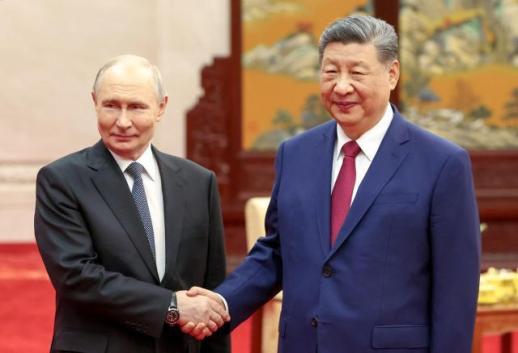 China and Russia Formalize Joint Front Against U.S. with Enhanced Military and Economic Cooperation China and Russia have agreed to expand their joint front against the U.S.-led international order across military, economic, and technological sectors. The two nations extended their existing friendship treaty and criticized U.S. missile defense plans and sanctions against Russia. They also aligned their positions on issues concerning Taiwan, the Ukraine war, and Iran, while agreeing to enhance joint military exercises and naval and air patrols. On May 20, Chinese President Xi Jinping and Russian President Vladimir Putin held a summit in Beijing, where they signed a joint statement on strengthening comprehensive strategic cooperation and deepening friendly ties. Putin visited China for two days starting May 19, and both leaders attended the opening ceremony of the 2026-2027 'China-Russia Year of Education.' Security Cooperation Aimed at the U.S. The core focus of the China-Russia partnership is its long-term sustainability. Both countries emphasized that this year marks the 30th anniversary of their strategic partnership and the 25th anniversary of the 'China-Russia Treaty of Good-Neighborliness and Friendly Cooperation.' They agreed to extend the treaty, stating that their relationship is characterized by non-alignment, non-confrontation, and not targeting third countries. However, the statement included language that appeared directed at the U.S. and the West regarding security, economic, and regional issues. The language targeting the U.S. was particularly strong. The statement declared opposition to “hegemonism and unilateralism,” as well as to unilateral and secondary sanctions, discriminatory tariffs, and restrictive measures. It also criticized actions that freeze, seize, or divert the national assets of other countries, interpreted as a reference to Western moves to use frozen Russian assets for aid to Ukraine and the U.S.-led sanctions regime. In the security domain, the statement directly criticized the U.S. 'Golden Dome' missile defense initiative. China and Russia argued that this plan, which combines ground and space-based defense systems, undermines strategic balance and increases the risk of an arms race in space. They effectively defined the U.S.-led next-generation missile defense system as a common security threat to both nations. Military cooperation was also specifically outlined. The two countries agreed to enhance mutual trust in military affairs and improve their cooperation framework. They committed to expanding joint exercises and naval and air patrols, as well as strengthening security coordination within bilateral and multilateral frameworks. Unified Stance on Taiwan, Ukraine, and Middle East Issues On the Taiwan issue, Russia fully supported China's position, reaffirming its commitment to the One China principle and stating that “Taiwan is an inseparable part of Chinese territory.” Russia opposed any form of “Taiwan independence” and expressed support for China's national unification efforts. China, in turn, affirmed its support for Russia's national security, sovereignty, and territorial integrity. Regarding the Ukraine war, the statement echoed Russian claims, asserting that the “root causes of the Ukraine crisis must be addressed” and emphasizing the need for “long-term and sustainable peace.” Russia praised China for taking an “objective and fair stance” on the Ukraine issue. The joint statement also addressed Northeast Asian issues, criticizing NATO's expansion into the Asia-Pacific and the AUKUS security pact involving the U.S., the U.K., and Australia. On the Korean Peninsula, they opposed diplomatic isolation, economic sanctions, and military pressure on North Korea, calling for a political and diplomatic resolution. In the Middle East, the statement directly criticized the U.S. and Israel, stating that “the military attacks by the U.S. and Israel against Iran violate international law and fundamental principles of international relations, undermining stability in the Middle East.” They called for a sustainable ceasefire and humanitarian access in Gaza and emphasized that the Palestinian issue should be resolved based on a two-state solution. Expanding Economic Cooperation in Response to Sanctions; Gas Pipeline Agreement Fails In the economic sphere, the focus was on responding to sanctions and stabilizing supply chains. The two nations agreed to expand cooperation in sectors such as automotive, shipping, civil aviation, digital economy, artificial intelligence, e-commerce, and mineral development. They also committed to increasing transactions in their national currencies and enhancing cooperation in banking and capital markets. Energy cooperation was also a major agenda item. Both countries agreed to strengthen collaboration in oil, gas, coal, civilian nuclear power, and renewable energy, ensuring stable operation of energy transport networks. However, the anticipated major gas pipeline project, 'Power of Siberia 2,' did not reach a final agreement. The Kremlin stated that there was a broad consensus, but key conditions such as pricing and timelines remain unresolved. Norms for AI and space cooperation were also included in their strategic partnership. They stated their opposition to using AI as a geopolitical tool for maintaining hegemony. Russia welcomed China's proposal to establish a global AI cooperation organization. In the space sector, they agreed to promote international lunar research bases and deep space exploration cooperation, as well as enhance the integration of the BeiDou and GLONASS satellite navigation systems.* This article has been translated by AI. 2026-05-21 15:55:46
 -
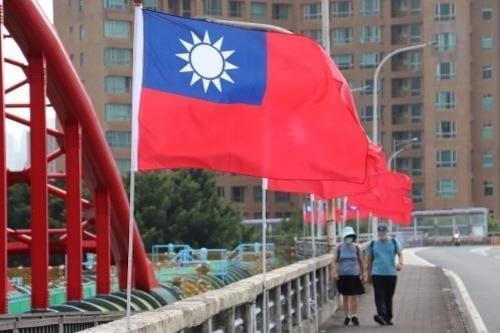 Taiwan to Provide Monthly Cash Support for Children to Combat Low Birth Rate 대만이 저출산 대응을 위해 18세까지 매달 현금을 지급하는 방안을 추진한다. 0~18세 아동·청소년에게 매달 5000대만달러(약 23만원)를 지원해 양육 부담을 낮추겠다는 취지다. On May 20, Taiwan's Central News Agency and Minshi News Network reported that President Lai Ching-te announced a "New Population Policy Strategy" during a press conference marking his second anniversary in office. A key component of this strategy is the proposal to provide a monthly growth allowance for children aged 0 to 18. Executive Yuan Minister Su Tseng-chang stated that the program is set to be implemented next year. Taiwan's demographic indicators are deteriorating rapidly. The total fertility rate fell to 0.695 last year. As of the end of April this year, the total population stood at 23,262,544, marking a decline for 28 consecutive months. The proportion of the population aged 65 and older has surpassed 20%, indicating that Taiwan has entered an ultra-aged society. Details regarding the payment structure are still under review. For children aged 0 to 6, the allowance is intended for parental childcare expenses, while for those aged 6 to 18, part of the funds may be deposited into a "Child Future Account." This account would allow the savings to be used for education or startup costs once the child reaches adulthood. The estimated budget for this initiative is around 200 billion New Taiwan dollars (approximately $9.4 billion). President Lai stated, "Considering Taiwan's economic scale and tax revenue growth, this is a manageable level." He clarified that this funding will not come from cuts to other budgets. This growth allowance is one of 18 policies included in the "Family Support Package." The Taiwanese government aims to reduce the burdens of marriage and childbirth for young people by bundling the growth allowance with support for marriage, pregnancy, childcare, work-life balance, and housing assistance.* This article has been translated by AI. 2026-05-21 15:36:23
 -
 Gartner Projects 47% Surge in AI Spending This Year, Driven by Infrastructure Investment Global spending on artificial intelligence (AI) is expected to increase by 47% this year, with infrastructure investments leading the charge. Technology companies and hyperscalers are pouring significant funds into AI servers, semiconductors, and networks, driving overall expenditure upward. According to market research firm Gartner, global AI spending is projected to reach $2.5957 trillion this year, up from $1.7649 trillion last year. By 2027, spending is expected to rise to $3.4934 trillion. Infrastructure will account for the largest share of this spending. Gartner estimates that AI infrastructure spending will reach $1.4315 trillion this year, representing over 45% of total AI expenditure. This category includes AI-optimized cloud infrastructure (IaaS), AI servers, networking equipment, AI semiconductors, and AI devices. The increase in infrastructure investment is driven by the need for large-scale computing facilities to support generative AI models and AI agents. John David Lovelock, a vice president and analyst at Gartner, stated, "The demand for facilities to run AI will continue over the next few years, making AI infrastructure the largest segment of the market." He anticipates that spending on AI-optimized servers will triple over the next five years. Expenditures on services and software are also expected to rise. Gartner forecasts that AI service spending will reach $585.5 billion this year, while AI software spending is projected at $453.2 billion. Spending related to the development and use of AI models is expected to increase by 110% from last year, reaching $32.6 billion. However, investments in AI by traditional enterprises are still in the early stages. Lovelock noted, "So far, AI spending has primarily been led by technology companies and hyperscalers, while traditional enterprises have not yet fully embraced AI investment." He views 2026 as a turning point, explaining that companies are currently prioritizing limited implementations aimed at improving operational efficiency and productivity over large-scale structural changes.* This article has been translated by AI. 2026-05-21 15:00:11
 -
 Alibaba Unveils In-House AI Chip 'Zhenwu M890' to Reduce Dependence on Nvidia Alibaba has unveiled its in-house artificial intelligence (AI) chip, the 'Zhenwu (젠우) M890,' as part of a strategy to reduce reliance on foreign high-performance AI semiconductors like those from Nvidia amid ongoing U.S. export restrictions on advanced semiconductors to China. On May 20, during the Alibaba Cloud Summit held in Hangzhou, the company showcased the next-generation AI chip, which was developed by its semiconductor design subsidiary, T-Head. According to the company, the performance of the Zhenwu M890 is three times greater than that of its predecessor, the Zhenwu 810E. The Wall Street Journal reported that this chip features 144GB of GPU memory and supports both AI training and inference tasks, unlike previous models. Alibaba stated, "The new chip is suitable for agent-type AI tasks that require processing multiple stages and utilizing various AI models simultaneously." Alongside the chip, Alibaba also introduced a new server and a large language model (LLM). The 'Panjiu (판지우) AL128' server is a high-performance system that combines 128 Zhenwu M890 chips. Reuters reported that this system will be offered to corporate clients through Alibaba Cloud's AI model platform in China. The next-generation LLM, 'Qwen3.7-Max,' was also launched. This model is designed for complex coding, intricate reasoning, and multi-stage tasks that require extended processing time. The company noted that the Qwen3.7-Max and the infrastructure based on the Zhenwu M890 can handle complex AI tasks for up to 35 hours without performance degradation. Alibaba also presented its AI chip roadmap, planning to release a follow-up product, the V900, in the third quarter of 2027, and the J900 in the third quarter of 2028. The V900 is expected to achieve approximately three times the performance of the Zhenwu M890. T-Head has reportedly shipped over 560,000 units of the Zhenwu product line, with more than 400 clients across 20 industries, including automotive and finance, adopting the technology. This announcement aligns with the trend of China's big tech companies striving for semiconductor independence. As the U.S. continues to limit exports of high-performance AI chips to China, companies like Alibaba and Huawei are accelerating their in-house chip development. Previously, Alibaba announced plans to invest 380 billion yuan (approximately $53 billion) over three years in cloud and AI infrastructure.* This article has been translated by AI. 2026-05-21 12:18:52
 -
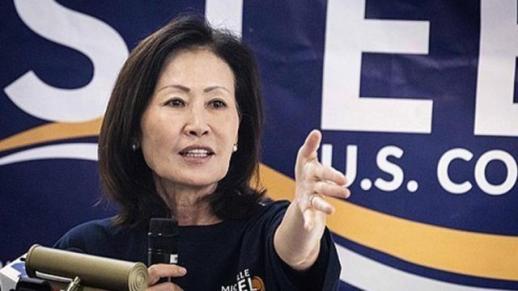 U.S. Ambassador Nominee Michelle Steel Advocates for Equal Market Access for American Companies in Korea Michelle Steel, the nominee for U.S. Ambassador to South Korea, stated that American companies operating in Korea should be guaranteed equal market access. Issues surrounding non-tariff barriers in Korea and regulations affecting U.S. tech companies have emerged as significant trade concerns for the next U.S. ambassador. During her confirmation hearing before the Senate Foreign Relations Committee on May 20, Steel remarked, "American companies doing business in Korea deserve the same market access that Korean companies enjoy in the United States." Her comments came amid discussions regarding the treatment of U.S. firms in Korea. Senator Bill Hagerty raised concerns about regulatory issues affecting U.S. tech companies, citing the case of Coupang. In response, Steel assured, "If confirmed, I will work to ensure that American companies are not treated unfairly in Korea." The discussion extended beyond technology companies. Senator Pete Ricketts highlighted non-tariff barriers affecting U.S. agricultural products and the reduction of low-tariff quotas on U.S. soybeans. Steel stated, "I will discuss market access issues for agricultural products, including soybeans, with the Korean government." The commitment of South Korea to invest $350 billion (approximately 525 trillion won) in the U.S. also became a point of contention. Steel expressed her intention to clarify the funding mechanisms for this investment, indicating a focus not only on the investment amount but also on its actual implementation.* This article has been translated by AI. 2026-05-21 10:36:35
 -
 Samsung Union Delays Strike, Easing Semiconductor Supply Chain Concerns Samsung Electronics' union has postponed its planned strike, prompting relief among international observers who feared disruptions to the global semiconductor supply chain. However, tensions over profit distribution from the booming artificial intelligence (AI) semiconductor market remain unresolved. Analysts caution that uncertainty persists as a union vote is still pending. On May 20, local time, Reuters and Bloomberg reported that Samsung Electronics and its union reached a tentative agreement on wages and collective bargaining. As a result, the 18-day strike originally scheduled from May 21 to June 7 has been postponed. Reuters noted that the largest union at Samsung Electronics, representing approximately 48,000 members, could have imposed significant burdens on the Korean economy and the global semiconductor supply chain had the strike proceeded. International media viewed the situation as more than just a wage negotiation. The Associated Press highlighted that the surge in AI demand has improved the semiconductor market, making the issue of profit-sharing a central point of contention. The union has been advocating for the elimination of performance bonus caps and profit-sharing linked to operating income. According to Reuters, the tentative agreement includes provisions for eliminating performance bonus caps, a performance bonus structure tied to operating income, and long-term stock compensation. Additionally, if the company achieves annual operating profits exceeding 200 trillion won from 2026 to 2028 and over 100 trillion won from 2029 to 2035, further compensation will be provided. However, Samsung Electronics has not publicly commented on the specifics of the agreement. With the strike postponed, immediate concerns about production disruptions have diminished. Bloomberg assessed that fears of production delays at the world's largest memory chip maker have eased due to the last-minute agreement. Had the strike occurred, it could have not only disrupted Samsung's production but also driven up prices for DRAM and NAND flash memory, affecting supply schedules for customers. The roles of the courts and government have also drawn attention. The Financial Times noted that a local court had previously mandated that essential personnel be maintained during a strike to protect safety, facilities, and quality, which contributed to reducing fears of a complete production halt. Reuters reported that the South Korean government had even considered invoking emergency mediation powers. The postponement of the strike resulted from a combination of labor negotiations, court rulings, potential government intervention, and supply chain concerns. Market reactions reflected this relief. The Wall Street Journal reported that Samsung Electronics' stock rose by 0.2% following the announcement of the agreement. Earlier, as concerns about the strike grew, rival Micron's potential gains were highlighted. Barron's noted that Micron's stock rose amid fears of a Samsung strike, while Jefferies analyzed that a strike could disrupt about 3% of global memory chip production. MarketWatch suggested that concerns over Samsung's production could lead Micron to demand higher prices or receive additional orders. With the strike postponed, such expectations may be tempered. The remaining uncertainty lies in the union vote. The tentative agreement must be ratified by union members. If approved, Samsung Electronics could alleviate short-term production concerns. However, international observers believe this situation has revealed new risks in the AI semiconductor supply chain, highlighting not only technological competition but also profit-sharing and labor disputes as emerging variables.* This article has been translated by AI. 2026-05-21 10:13:41