
Journalist

Lee Hyo jung
hyo@ajunews.com
-
 Samsung Biologics, Celltrion expand CDMO investment as labor and safety risks rise Samsung Biologics and Celltrion, after posting record results last year, are pressing ahead this year with multitrillion-won investments centered on contract development and manufacturing (CDMO) to expand capacity, industry officials said. Even with strong growth, both companies face rising internal and external risks, including labor friction, a factory safety incident and geopolitical uncertainty. Samsung Biologics reported 4.55 trillion won ($4.55 trillion won) in revenue and 2.06 trillion won in operating profit last year, reinforcing its No. 1 position in the CDMO sector, according to the industry. The company is reinvesting earnings to build Plants 5 and 6 in Songdo, Incheon, and plans to spend about 7 trillion won to develop a third bio campus. It is also moving to expand overseas production, including a $280 million investment to acquire a plant in Rockville, Maryland, as part of its strategy to widen its lead. Celltrion posted 4.16 trillion won in revenue and 1.16 trillion won in operating profit last year, and has been assessed as a global player spanning biosimilars and new drugs. It plans to invest 1.2265 trillion won to complete Plants 4 and 5 in Songdo. In the United States, it plans to invest $330 million to expand its Branchburg, New Jersey, facility to 75,000 liters. Once domestic and overseas expansions are completed, Celltrion expects to secure total production capacity of 570,000 liters, building infrastructure not only for new drugs and biosimilars but also for its contract manufacturing business. Risks have also intensified. At Samsung Biologics, labor-management tensions have deepened in recent years over disputes tied to revisions of internal rules on information security and discipline, including the introduction of a “three strikes” policy. A document was disclosed showing the human resources department separately classified and managed participants in a lawsuit over ordinary wages and union members, prompting allegations of discrimination in promotions and personnel decisions. Distrust has also lingered after negotiations over wages and working hours reductions. In this year’s wage talks, the union has demanded a 4.5-day workweek, higher starting pay and a new hazard allowance for ADC work, with talk of a possible strike. If a strike occurs, production stoppages could delay deliveries to clients and damage global confidence, given the industry’s reliance on continuous operations. It could also disrupt completion of Plants 5 and 6 and the Rockville plant, the report said. Celltrion is also under scrutiny after a subcontractor worker fell to his death at its Songdo plant, drawing criticism over industrial safety and health management. The Ministry of Employment and Labor issued a work stoppage order and launched a full investigation, including whether the case violated the Serious Accidents Punishment Act. At Celltrion’s shareholders meeting on March 24, Chairman Seo Jung-jin appeared in person for the first time in 11 years to address concerns and emphasize “responsible management,” the report said. Geopolitical uncertainty is another factor. As the war in the Middle East drags on, volatility in raw materials and fuel prices and broader supply-chain risks have increased, and there are signs global drugmakers are adjusting clinical and production budgets, the report said. “Companies are facing a new test in which they must design growth and responsibility at the same time, with good news and bad news coexisting,” an industry official said. How well they manage labor issues, major safety risks and geopolitical uncertainty “appears to be a key variable that will determine sustainable growth going forward,” the official said.* This article has been translated by AI. 2026-03-26 16:36:00
 -
 Chong Kun Dang CEO Kim Young-joo Pledges Profit Growth, Higher Corporate Value in 2026 Major drugmakers including Chong Kun Dang, Dong-A ST and Ildong Pharmaceutical held annual shareholder meetings on March 26, approving agenda items as proposed, including new director appointments and cash dividends aimed at boosting shareholder value. According to the industry, Chong Kun Dang held its 13th annual general meeting that morning at its headquarters in Chungjeong-ro. Shareholders approved a cash dividend of 500 won per share, equal to 20% of par value. In opening remarks, Chong Kun Dang CEO Kim Young-joo said the company would “deliver profit growth this year” by launching new products on schedule, strengthening product competitiveness and improving market responsiveness. He said it would also raise drug development efficiency through Achela, described as an NRDO (No Research Development Only) specialist, and “increase corporate value” by building a Baegot bio complex development cluster to secure biotech competitiveness. Chong Kun Dang Holdings also held its 71st annual general meeting on March 26. The company reported 2025 consolidated revenue of 959 billion won and operating profit of 58.3 billion won, and approved a cash dividend of 1,400 won per share, equal to 56% of par value. Dong-A ST held its 13th annual general meeting at its headquarters in Seoul’s Dongdaemun district, approving six items as proposed, including approval of financial statements, amendments to the articles of incorporation and director appointments. Shareholders approved a cash dividend of 700 won per common share and a stock dividend of 0.05 shares per share. The meeting also approved a 30 billion won reduction in capital reserves and a transfer to retained earnings to secure funding for tax-exempt dividends. CEO Jeong Jae-hoon said the company is also stepping up investment in digital health care, which he said will be central to future medical technology, and is building a foundation for growth. Dong-A Socio Holdings also held its 78th annual general meeting at its headquarters in Seoul’s Dongdaemun district. Shareholders approved five items as proposed: approval of the 78th financial statements and consolidated financial statements, partial amendments to the articles of incorporation, director appointments, appointment of an outside director who will serve on the audit committee, and approval of the cap on director compensation. They also approved a cash dividend of 1,000 won per share and a stock dividend of 0.03 shares per share. The company said the dividend is tax-exempt and not subject to dividend income tax. Ildong Pharmaceutical and Ildong Holdings each held annual shareholder meetings on March 26 at Ildong Pharmaceutical’s headquarters in Seoul’s Seocho district. Ildong Pharmaceutical CEO Yoon Woong-seop said the company will focus this year, under its management policy of “creating results with competitive advantage,” on generating sales and profit, securing new growth engines and building a sustainable business structure, while strengthening its core businesses such as pharmaceuticals and concentrating capabilities on future growth including R&D. At the meeting, all agenda items were approved as proposed, including approval of financial statements, partial amendments to the articles of incorporation, and the appointment of directors and an auditor. Ildong Holdings also approved its agenda items as proposed, including approval of financial statements reflecting its dividend plan, partial amendments to the articles of incorporation, and the appointment of directors and an auditor. Ildong Holdings CEO Park Dae-chang said the company will continue to pursue management efficiency and reform across group affiliates to strengthen its business foundation and build momentum for growth, adding that it also plans to work to enhance corporate value and increase shareholder returns.* This article has been translated by AI. 2026-03-26 15:33:00
 -
 SK Biopharm’s Xcopri posts record U.S. sales, lifts earnings outlook SK Biopharm said its central nervous system drug cenobamate, sold in the United States as Xcopri, drove record results as the company expanded its foothold in the U.S. epilepsy market. The company said U.S. sales of cenobamate totaled 630.3 billion won last year, up 44% from a year earlier. SK Biopharm reported total revenue of 706.7 billion won and operating profit of 203.9 billion won, up 29.1% and 111.7%, respectively, from the previous year. The company said that compares with 246.2 billion won in revenue in 2022, nearly tripling over that period. The company said cenobamate is an epilepsy treatment that became the first new drug developed by a South Korean company to win U.S. Food and Drug Administration approval in 2019. It said U.S. prescriptions in the fourth quarter jumped 29.2% from a year earlier, pushing the 2025 monthly average above 47,000. Market watchers have credited a strengthened U.S. sales organization and “line of therapy” marketing for expanding early prescribing. SK Biopharm said, “As new patient inflows continue, the foundation for growth has become solid,” and raised its 2026 guidance for U.S. cenobamate sales to $580 million, about 860 billion won. Lee Dong-hoon, SK Biopharm’s CEO, attended the company’s “2026 National Sales Meeting” in Florida earlier this year and said, “Based on a shared goal, we will break down organizational boundaries and move in the same direction,” adding that the company would pursue business expansion on the back of cenobamate’s success. Lee, described by the company as an investment professional, has led the global sales expansion of cenobamate. He also serves as CEO of SK Life Science, SK Biopharm’s U.S. subsidiary, and oversaw the buildout of a direct U.S. sales system that helped lift operating profit above 200 billion won last year. The company said Choi Yoon-jung, head of the strategy division and the eldest daughter of SK Group Chairman Chey Tae-won, is overseeing investments and shaping a mid- to long-term roadmap. It said she was promoted to strategy chief in a recent reorganization and is directly managing future growth initiatives, including the launch of a radiopharmaceutical therapy, or RPT, division. SK Biopharm said it plans to use cenobamate’s momentum to increase research and development spending and accelerate pipelines that apply precision-medicine approaches, including for Parkinson’s disease. Some in the market have said expanding cenobamate’s share and moving RPT into clinical trials could speed the company’s push toward a top-tier biotech position. Analysts said cenobamate is expected to hold a favorable position because it is the only branded new drug among epilepsy treatments. Huh Hye-min, an analyst at Kiwoom Securities, said, “For now, cenobamate is the only branded new drug, so favorable market penetration is expected,” and added that because most R&D catalysts remain at early stages ahead of Phase 1 entry, the company is likely to expand R&D investment to secure growth drivers after Xcopri’s patent expiration. SK Biopharm said it traces its origins to the “P Project” launched at the Daejeon research complex in 1,993 under the late SK Group Chairman Choi Jong-hyun’s vision to build new growth engines. The company said the “P” stood for the first syllable of “pharmaceutical,” and that it began with six researchers focused on developing new drugs. It said it later built a global base by establishing a cooperation system with a pharmaceutical research center in New Jersey and is now pursuing global markets with a CNS-focused pipeline. The company said it is also expanding beyond cenobamate into next-generation modalities such as RPT and targeted protein degradation, or TPD, as it seeks to demonstrate SK Group’s “30-year commitment” to biotech.* This article has been translated by AI. 2026-03-25 18:27:00
 -
 Samsung Biologics Joins DCAT Week 2026 in New York to Boost Global Contracting Samsung Biologics said March 25 it is taking part in DCAT Week 2026, being held March 23-26 (local time) in New York, to step up global contract-winning efforts. With more than 130 years of history, DCAT Week is a global pharmaceutical and biotech networking event that began in 1890 under the New York Chamber of Commerce. Samsung Biologics has attended the event for 11 consecutive years since 2016, except in 2020 when it was not held because of COVID-19. The company said it set up a dedicated meeting room in a main location at the venue and plans to hold more than 50 business meetings with global drugmakers. CEO John Rim is also attending to discuss strategic partnerships with key industry figures. On the first day of the event, March 23, Kevin Sharp, vice president in charge of sales and operations at the company’s sales center, spoke at a member company presentation forum. Only companies selected through DCAT screening can participate, and just 20 companies were given a chance to present this year. Sharp shared recent results under the theme of expanding production capacity and developing networks, including the acquisition of a plant in Rockville, the purchase of land for a third Bio Campus, an open innovation partnership with Eli Lilly, and a vaccine manufacturing partnership with the Coalition for Epidemic Preparedness Innovations, or CEPI. Samsung Biologics also worked to raise brand awareness. It joined a presentation session on March 24 as a co-sponsor and promoted its CDMO capabilities before and after the session. The company also installed banners and promotional materials at the venue. At DCAT’s main gala dinner on March 26, Samsung Biologics will participate as a sponsor alongside global CDMO companies including Lonza and Thermo Fisher Scientific. The company said it plans to expand networking and build business partnerships with industry leaders attending the dinner. * This article has been translated by AI. 2026-03-25 17:18:00
 -
 Celltrion Chairman Seo Jung-jin Returns as Shareholder Meeting Chair, Predicts Sales Growth Seo Jung-jin, chairman of Celltrion Group, returned to the role of chair at the company’s shareholder meeting for the first time in 11 years, since the 2015 meeting, saying he wanted to explain mid- to long-term responses directly to shareholders as the global business environment shifts rapidly, including the U.S.-Iran war in the Middle East. Seo chaired Celltrion’s 35th annual general meeting of shareholders on the morning of March 24 at Songdo Convensia in Incheon and spoke with shareholders in person. Citing the fast-changing environment, he said, “Our company is export-oriented, so we are not affected by oil prices,” adding, “Since there is no major impact on ongoing business, sales will grow this year as well.” On the stock price, Seo said he does not believe it is “overvalued compared with performance.” Celltrion posted record results last year, with revenue topping 4 trillion won and operating profit exceeding 1 trillion won. This year, it is targeting revenue in the 5 trillion won range. The company also presented a development roadmap for an obesity drug. Seo said Celltrion is developing a fourth-generation obesity treatment and plans to enter Phase 1 clinical trials next year. “The fourth-generation obesity treatment we are developing shows less muscle loss and consistent efficacy, and we are among the leaders in the fourth generation,” he said, adding that clinical development “will move quickly.” Celltrion said it will secure new production capacity, including a major expansion investment of more than 1 trillion won at its Songdo headquarters, to meet demand for its biopharmaceuticals and strengthen global manufacturing competitiveness. The investment will be carried out in stages from this year through 2030 and will expand infrastructure across the Songdo campus in Korea, a U.S. production base and domestic sites. Specifically, it will invest 1.2265 trillion won to expand Plants 4 and 5 simultaneously at its Incheon Songdo campus, bringing total capacity to 180,000 liters. It also finalized an expansion plan for its Branchburg, New Jersey, facility, which is expected to increase capacity to 141,000 liters. “That would make us third in facilities, after Samsung Biologics and Lonza,” Seo said.* This article has been translated by AI. 2026-03-24 14:36:00
 -
 Middle East War Raises Risks for South Korea’s $1B Pharma-Biotech Export Market As the Middle East is shaken by war between the United States and Iran, South Korea’s pharmaceutical and biotech industry is bracing for fallout in what it calls a 1 trillion won export market. The region has been a strategic growth hub for high-margin products such as biosimilars and botulinum toxin, and companies with heavier exposure are watching for a threefold hit: shipment disruptions, delayed payments and rising costs. According to foreign media reports and industry officials on the 23rd, the war — sparked by U.S. and Israeli airstrikes — is showing signs of dragging on, putting Korean drugmakers and biotech firms on heightened alert. Companies have expanded exports to the Middle East across pharmaceuticals, medical devices and aesthetic and cosmetic medical products. The Korea Health Industry Development Institute said South Korea’s biohealth exports to the Middle East totaled $1.03 billion (about 1.55 trillion won) last year, the highest on record. Growth has been led by so-called K-beauty and medical products, including biosimilars, botulinum toxin and hyaluronic acid fillers. Daewoong Pharmaceutical entered the Middle East and North Africa, or MENA, starting with the United Arab Emirates in 2020 with its botulinum toxin product Nabota, and later expanded to Saudi Arabia and Qatar. Hugel has increased supplies of Botulax using the UAE and Kuwait as hubs. Medytox’s Neuramis filler and Hanmi Pharmaceutical’s Rolontis have also continued exports under supply contracts with local partners. With the U.S.-Iran conflict taking on the shape of a prolonged fight, conditions on the ground are shifting quickly. Disruptions are expected in parts of the region’s sea and air logistics networks, and tensions are spreading to nearby countries, prompting Korean companies to activate contingency plans. Some medical and pharmaceutical firms with bases in Dubai and elsewhere have moved to remote work and reduced business travel for safety, creating unavoidable gaps in local sales and marketing. An industry official said companies can still manage the situation through measures such as adjusting shipping schedules or handling delays, but warned that a prolonged conflict would likely cause damage. The official added that, given the common practice among Middle East buyers of taking time to settle payments after shipment, the burden of managing financial risk could grow. Concerns also extend to global supply chains. South Korea’s pharmaceutical and biotech sector relies heavily on imported active pharmaceutical ingredients, and a Middle East-driven shock, combined with production disruptions elsewhere, could trigger broader supply instability. Jeong Yun-taek, head of the Korea Pharmaceutical Industry Strategy Research Institute, said South Korea has already experienced the risks of overseas dependence during the COVID-19 pandemic, citing shortages of Tylenol. He said expanding regional risks could disrupt international medicine supply chains. The Ministry of Food and Drug Safety said the domestic self-sufficiency rate for active pharmaceutical ingredients stood at 25.6% as of 2023. Rising crude oil prices are another concern. If prices climb for basic chemicals such as naphtha, which is essential to synthesizing drug ingredients, manufacturers’ costs can rise directly. A won-dollar exchange rate stuck in the 1,500-won range may help exporters, but it also increases the burden of importing raw materials, raising concerns about negative effects. The government and industry said they are monitoring developments closely and preparing steps to minimize damage. The Korea Health Industry Development Institute and related ministries are tracking export trends to the Middle East and changes in shipping routes and flights, and are reviewing possible support measures if needed. A pharmaceutical company official said the industry is watching for logistics disruptions and weakening local demand after achieving record-high drug export results last year. * This article has been translated by AI. 2026-03-23 18:09:00
 -
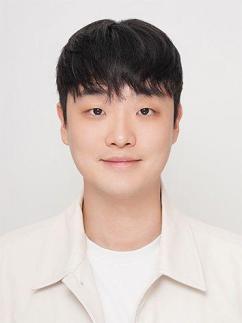 Dongkook Pharmaceutical Promotes Founder’s Grandson Kwon Byung-hoon to Executive Role Dongkook Pharmaceutical is expected to accelerate its shift toward a third-generation management structure under the company’s founding family. The company said on the 20th that it carried out executive appointments for eight people, including promoting Kwon Byung-hoon, head of a unit and the eldest son of Chairman Kwon Ki-beom, to director (treatment) effective April 1. Born in 1995, Kwon double-majored in policy analysis & management and economics at Cornell University in the United States. He previously worked at Boston Consulting Group, Mirae Asset Venture Investment and Magna Investment, and joined Dongkook Pharmaceutical’s financial planning office in April 2024. Dongkook Pharmaceutical posted record consolidated revenue of 926.9 billion won last year. Operating profit rose 20.1% to 96.6 billion won over the same period, and the market views the company as likely to reach 1 trillion won in annual sales this year. The following is the list of executive promotions. ◇ Executive promotions (effective April 1) △ Yeom Seon-ho, vice president, Health Functional Foods Business Division △ Lee Jae-wook, vice president, Production Headquarters △ Heo Jeong-moo, vice president, Communications Headquarters △ Kang Seong-oh, executive director, ETC Business Headquarters △ Kwon Byung-hoon, director (treatment), Financial Planning Office △ Myeong Chang-hoon, director (treatment), ETC Business Headquarters △ Yoo Ho-myeong, director (treatment), Production Headquarters △ Choi Moon-seok, director (treatment), Sales Management Department* This article has been translated by AI. 2026-03-20 17:45:00
 -
 Celltrion Wins Canada Approval for Stekima Auto-Injector as Pharma, Biotech Updates Roll Out Celltrion: Stekima Auto-Injector Wins Approval in Canada Celltrion said it has secured additional approval for an auto-injector version of its autoimmune disease treatment Stekima (ustekinumab). The company said March 20 that Health Canada approved Stekima in auto-injector (AI) form, adding two presentations in Canada: 45 mg/0.5 mL and 90 mg/1.0 mL. “With Stekima, we have added an AI formulation that the original product does not offer in Canada, completing a full lineup across doses and formulations and further strengthening competitiveness,” Celltrion said. Celltrion said the approval supports its strategy to accelerate its push into the North American market. A company official said demand for self-injection options has been rising in major markets, including North America. “With tailored prescribing now possible based on administration settings and patient characteristics, we plan to respond strategically to needs across diverse clinical sites,” the official said. Celltrion said it also aims to quickly raise market share by leveraging synergies with its existing portfolio built in Canada as it expands its presence in the autoimmune disease market. Protein, Vitamins Added: Koryo Eundan Launches ‘Balance Care Energy Bar’ Koryo Eundan said March 20 it has launched the “Balance Care Energy Bar.” The company said the bar uses ingredients such as peanuts, oats and lentils and is designed for convenient nutrition or as a meal replacement. It contains 7 grams of plant-based protein — about the amount in one egg — and 4 grams of dietary fiber, which the company said is comparable to 1.5 bananas. Koryo Eundan said it also includes 12 vitamins and minerals formulated with premium ingredients from global supplier DSM. The company said each bar contains about 0.19 grams of sugars, positioning it as a low-sugar product. “We planned a bar-type product so people can easily supplement nutrition as outdoor activities increase,” the company said. “It can be used in various situations, such as a meal replacement or a snack before or after exercise.” HK inno.N Partners With Seongnam Mental Health Center for Employee Program HK inno.N said March 20 it will work with the Seongnam Mental Health Welfare Center to run a workplace mental health management program for employees. The company said it held a memorandum-of-understanding ceremony with the center on March 18 to promote employee mental health and prevent job-related stress. HK inno.N said the partnership is part of its ESG efforts in safety and health management. It also cited a revision last year to the Korea Occupational Safety and Health Agency’s KOSHA GUIDE, which emphasizes preventing job stress through organization-level health promotion programs. Under the agreement, HK inno.N will recruit participants and, starting in April, run a six-week program with 12 sessions. The company said activities will include mental health checkups, meditation and horticulture, aimed at teaching effective ways to manage mental well-being. Seoul National University Hospital Reports 15-Year Benefits After Total Knee Replacement Patients who underwent total knee arthroplasty (TKA) saw major improvements in function and quality of life within six months, and those gains remained above pre-surgery levels up to 15 years later, Seoul National University Hospital said March 20. The hospital said an orthopedic surgery team led by professors Choi Byeong-seon, Noh Doo-hyun and Han Hyeok-su tracked patient-reported outcome measures (PROMs) for up to 15 years in 1,264 patients ages 50 and older who received TKA between 2005 and 2013. The average age was 68.5, and 93.7% were women. The team analyzed changes from before surgery through six months and at 1, 2, 5, 10 and 15 years. All measures improved significantly within six months. While patterns differed by indicator afterward, all measures remained higher than pre-surgery levels at 15 years, the hospital said. Disease-specific indicators were relatively stable through about five years. However, the KSFS score — reflecting daily activities such as walking and climbing stairs — showed a clinically meaningful decline between 10 and 15 years after surgery, it said. By age group, patients in their 80s and older had lower physical function scores than younger patients but higher social function scores, which remained elevated over the long term, the hospital said. The findings were published in the latest issue of The Journal of Bone and Joint Surgery (JBJS).* This article has been translated by AI. 2026-03-20 15:48:00
 -
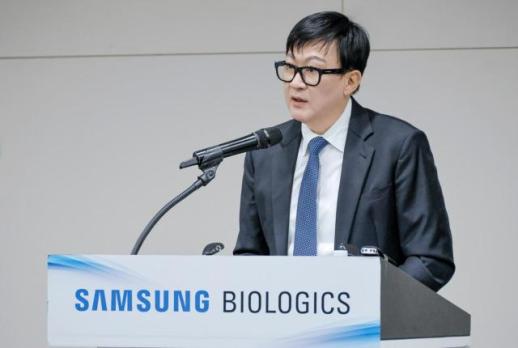 Samsung Biologics shareholders approve third term for CEO John Rim, boosting CDMO push Samsung Biologics shareholders on March 20 approved a third term for CEO John Rim, extending his leadership through March 2029 as the company accelerates its contract development and manufacturing organization, or CDMO, strategy. The company said the meeting, held at Songdo Convensia in Incheon’s Yeonsu district, passed the agenda item to reappoint Rim as an inside director as proposed. Marking Samsung Biologics’ 15th anniversary, Rim said the company would continue efforts to raise shareholder value by enhancing corporate value and to contribute to South Korea’s bio industry and economic development. He said the company carried out structural changes and strategic investments for future growth, adding that it completed a spin-off to establish a governance structure that allows greater focus on the CDMO business, improves transparency and clarifies a shift to a pure-play CDMO model. Samsung Biologics said it will speed up construction of a large-scale CDMO production hub centered on Songdo. With plants 1 through 4 and the recent completion of plant 5, it has secured capacity of 785,000 liters. It is preparing plant 6, with 180,000 liters of capacity, targeting completion in 2027. Once finished, total capacity would reach 965,000 liters. The company also plans to diversify its global supply chain through its Rockville, Maryland, plant with 60,000 liters of capacity. The expansion and increased orders have been reflected in results. Samsung Biologics said it has posted record performance for three consecutive years since 2022 and became the first company in South Korea’s pharmaceutical and biotech sector to surpass 4 trillion won in annual revenue. After operating profit exceeded 1 trillion won in 2023, the company said it nearly doubled that figure within two years, posting 2025 revenue of 4.557 trillion won and operating profit of 2.0692 trillion won. It aims to top 5 trillion won in revenue this year, the company said. Rim said that during his next three-year term the company plans to expand global production bases, diversify its business portfolio and pursue digital innovation to strengthen its position as a top-tier global bio company. Also approved at the meeting were the reappointment of Vice President Noh Gyun, head of the EPCV Center, and the appointment of Kim Jeong-yeon, a professor at Ewha Womans University Law School, as an outside director and audit committee member. Shareholders also passed amendments to the articles of incorporation reflecting revisions to the Commercial Act, including mandatory cumulative voting, and approved financial statements for fiscal 2025, the company said. Separately, Samsung Epis Holdings, which was spun off from Samsung Biologics in November and serves as a holding company leading the group’s biosimilar business, held its first shareholders meeting on March 20. At the meeting at Songdo Convensia, shareholders approved six agenda items, including approval of the company’s first financial statements, appointments of inside directors and audit committee members, and the cap on directors’ compensation, the company said. Samsung Epis Holdings also appointed Vice President Kim Hyeong-jun, who previously served as head of the management support office at Samsung Bioepis, as a new inside director. Kim Gyeong-a, president of Samsung Epis Holdings, said the company will work to enhance shareholder value by building a long-term growth foundation, including expanding its biosimilar product portfolio and broadening into new drug development. * This article has been translated by AI. 2026-03-20 13:42:00
 -
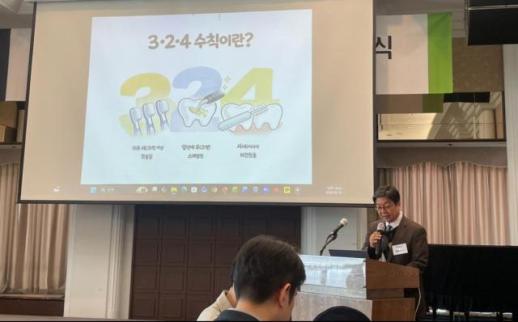 Study: Poor Gum Health May Raise Risk of Esophageal, Colorectal Cancer Periodontal disease is among South Korea’s most common conditions. National Health Insurance Service data show that, as of 2024, more than 19.5 million people received treatment for periodontal disease, with covered costs totaling about 2.3 trillion won. Against that backdrop, researchers presented findings suggesting that poorer gum health may be linked to a higher risk of certain cancers. Experts note that because the mouth is directly connected to the digestive tract, inflammation from periodontal disease can negatively affect overall health. Park Jae-yong, a professor of gastroenterology at Chung-Ang University College of Medicine, presented an analysis on March 19 at the Korea Press Center in Seoul during the 18th Gum Day event, focusing on the relationship between poor gum health and esophageal cancer. Park said the study was based on a hypothesis that swallowing saliva could repeatedly carry oral inflammation, leading to chronic inflammation and potentially esophagitis. He said the analysis found the risk was about 16% higher among people with tooth loss and about 10% higher among those with periodontal disease. Neglecting oral care, he said, may increase the risk of digestive-tract cancers due to bacteria associated with gum disease. He added that significant associations were also found between esophageal cancer and poor oral hygiene habits, including brushing fewer than three times a day, not brushing before bed, and not using interdental cleaning tools. Separately, speakers cited a 2024 study published in Nature on how gum-disease bacteria can affect the colorectal cancer environment. Kook Joong-ki, a professor in the Department of Oral Biochemistry at Chosun University’s College of Dentistry, said animal experiments showed that a specific bacterium — Fusobacterium nucleatum subspecies animalis C2 — can worsen cancer when it reaches the colon. Dongkook Pharmaceutical and the Korean Academy of Periodontology have designated March 24 as Gum Day since 2009 to raise public awareness of periodontal disease and its links to health. This year’s 18th event was held under the theme, “Thorough gum care reduces the risk of digestive-tract cancers.”* This article has been translated by AI. 2026-03-19 15:48:00