

Journalist

Hwang Jin-hyun
jinhyun97@ajunews.com
-
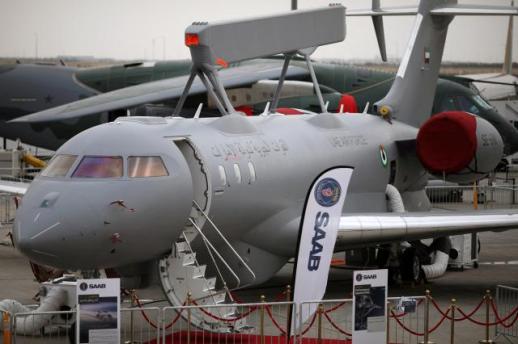 Canada Chooses Swedish Saab Over Boeing for Next-Gen Surveillance Aircraft The Canadian government has selected Sweden's Saab to supply its next-generation surveillance aircraft, opting for the GlobalEye model instead of the U.S. Boeing option. This decision reflects Canada's efforts to reduce its reliance on U.S. defense systems and enhance its Arctic defense capabilities amid strained relations since the Trump administration took office. On May 27, Canadian Prime Minister Mark Carney announced the plan to acquire Saab's GlobalEye during a defense conference in Ottawa. The GlobalEye is based on Bombardier's Global 6500 jet. Although Boeing's E-7 Wedgetail was also a contender, it was ultimately not selected due to delays in delivery and cost overruns. Reuters reported that this decision aligns with the Canadian government's strategy to decrease dependence on U.S. defense contractors. Carney stated, "Saab's GlobalEye, equipped with advanced sensors and mission systems, will be a key asset for the Canadian military to detect and deter threats across the Arctic region." While Canadian military officials did not disclose the specific contract value, they previously indicated plans to purchase six surveillance aircraft. Saab has expressed intentions to invest in research and development in Canada if the contract is finalized. Canada has historically relied on cooperation with the U.S. to monitor its vast Arctic territory, which spans over 4.4 million square kilometers. In March, Carney affirmed that Canada would take full responsibility for defending its Arctic territory. Recently, Canada has indicated a shift towards strengthening cooperation with Nordic countries on Arctic defense and security issues, citing a perception that the U.S. has become a relatively less reliable partner. Philip Lagassé, associate professor of international relations at Carleton University in Ottawa, told The Guardian that Canada's decision to purchase the GlobalEye is a significant test of the Carney government's policy to move away from U.S. military capabilities. He noted that this decision reinforces the relationship between Canada and Sweden, a new NATO ally. Swedish Prime Minister Ulf Kristersson also commented on social media, stating, "GlobalEye is already creating jobs in Canada and collaborating with Canadian supply chains. This decision will further strengthen the ties between our two countries." Saab is also pursuing the sale of its Gripen fighter jets as part of Canada's fighter jet acquisition program. Canada has a contract to purchase 88 Lockheed Martin F-35 fighter jets, but following the imposition of tariffs on key Canadian imports by the U.S. last year, Carney instructed the military to consider reducing order sizes and exploring options for aircraft from other manufacturers. Meanwhile, Canada's reassessment of its reliance on U.S. weapons is evident in other procurement initiatives. According to military media outlet The War Zone, the Canadian military plans to acquire 250 armored combat vehicles within the next five years and is considering upgrades to its existing Leopard 2 tanks. Notably, candidates to replace U.S.-made M-113 armored vehicles include models from Germany, South Korea, and Sweden.* This article has been translated by AI. 2026-05-28 10:33:22
 -
Canada Chooses Swedish Saab Over Boeing for Next-Gen Early Warning Aircraft The Canadian government has selected Sweden's Saab for its next-generation early warning aircraft program, opting for Saab's model over that of U.S. defense contractor Boeing. This decision reflects Canada's efforts to reduce its reliance on U.S. defense systems and enhance its Arctic defense capabilities amid strained relations since the Trump administration. On May 27, Canadian Prime Minister Mark Carney announced the plan to acquire Saab's GlobalEye early warning aircraft during a defense conference in Ottawa. The GlobalEye is based on Bombardier's Global 6500 jet. Boeing's E-7 Wedgetail was also a contender for the project, but delays in delivery and cost overruns led to its exclusion. Reuters reported that this decision aligns with the Canadian government's strategy to decrease dependence on U.S. defense contractors. Carney stated, "Saab's GlobalEye, equipped with advanced sensors and mission systems, will be a crucial asset for the Canadian Forces to detect and deter threats across the Arctic region." While Canadian military officials did not disclose the specific contract value, they previously indicated plans to purchase six early warning aircraft. Saab has expressed intentions to invest in research and development within Canada if the contract is finalized. Historically, Canada has relied heavily on cooperation with the U.S. to monitor over 4.4 million square kilometers of Arctic land and waters. In March, Carney declared that Canada would take full responsibility for defending its Arctic territory. In light of recent assessments that the U.S. has become a relatively less reliable partner, Canada has signaled its intention to strengthen collaboration with Nordic countries on Arctic defense and security issues. Philip Lagassé, associate professor of international relations at Carleton University in Ottawa, told The Guardian that Canada's decision to purchase the GlobalEye is a significant test of the Carney government's policy to move away from U.S. military capabilities, reinforcing ties with Sweden, a new NATO ally. Swedish Prime Minister Ulf Kristersson also commented on social media, stating, "GlobalEye is already creating jobs in Canada and collaborating with Canadian supply chains. This decision will further strengthen the bond between our two countries." Saab is also pursuing the sale of its Gripen fighter jets as part of Canada's fighter aircraft procurement program. Canada has a contract to purchase 88 Lockheed Martin F-35 fighter jets, but following the imposition of tariffs on key Canadian imports by the U.S. last year, Carney instructed the military to consider reducing order sizes and explore options for aircraft from other manufacturers. Meanwhile, Canada's reassessment of its reliance on U.S. weapons is evident in other procurement initiatives. According to military publications, the Canadian Armed Forces plans to acquire 250 armored combat vehicles within the next five years and is considering upgrades to its existing Leopard 2 tanks. Notably, candidates to replace U.S.-made M-113 armored personnel carriers include models from Germany, South Korea, and Sweden.* This article has been translated by AI. 2026-05-28 10:33:00
-
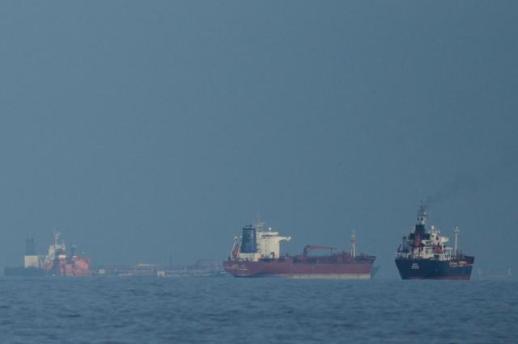 Explosions Reported Near Iranian Port City Amid U.S.-Iran Negotiations Reports have emerged of explosions in southern Iran near the strategic Hormuz Strait as U.S.-Iran negotiations for a ceasefire face significant challenges. According to local news outlets, including the Fars and Mehr news agencies, three explosions were heard around 1:30 a.m. local time on May 28, east of the southern port city of Bandar Abbas. Following the blasts, the air defense system in Bandar Abbas was reportedly activated for several minutes. Fars news agency also reported similar sounds in the areas surrounding Sirik and Jask, near the Hormuz Strait. Mehr news agency stated that the situation is currently under control and there is no cause for concern following the explosions east of Bandar Abbas. However, the exact locations and causes of the explosions have not yet been confirmed. Local media indicated that authorities are conducting investigations to determine the source and reason for the blasts. This marks the second instance of explosions being reported in southern Iran within two days. Previously, U.S. Central Command announced that it had conducted defensive strikes against Iranian military facilities and vessels threatening U.S. troops in the region. Iran had warned of immediate retaliation, but it remains unclear if any such actions have taken place. The recent explosions come as the U.S. and Iran continue to engage in tense negotiations over a memorandum of understanding aimed at achieving a ceasefire.* This article has been translated by AI. 2026-05-28 10:25:00
 -
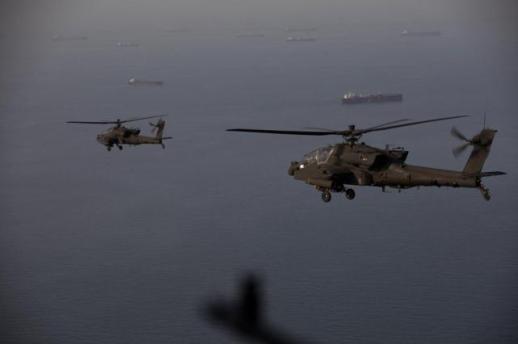 U.S. Military Strikes Iranian Military Facilities Near Hormuz Strait The U.S. military has reportedly conducted additional strikes on Iranian military facilities deemed a threat to U.S. and commercial maritime traffic in the Strait of Hormuz. Tensions in the area have escalated following local reports of explosions near the southern Iranian port city of Bandar Abbas. Reuters cited a U.S. official on May 27, who confirmed that the military targeted Iranian military sites in the Strait of Hormuz that posed a threat. The official, who spoke on condition of anonymity, also stated that U.S. forces intercepted and shot down several Iranian drones that posed similar threats. These reports emerged after Iranian media indicated that explosions were heard near the Strait of Hormuz. According to Iranian news agencies Fars and Mehr, three explosions were reported around 1:30 a.m. local time on May 28, east of Bandar Abbas. It was also reported that air defense systems were activated for several minutes following the explosions. Fars news agency noted that similar sounds were heard in the areas surrounding Sirik and Jask, which are near the strategic waterway. Mehr news agency reported that the situation was under control following the explosions and there was no cause for concern. However, local media have not confirmed the exact locations or causes of the explosions. Authorities are reportedly working to determine the source and cause of the sounds. The explosions in southern Iran come just two days after U.S. Central Command announced defensive strikes against Iranian military facilities and vessels that threatened U.S. forces in the region.* This article has been translated by AI. 2026-05-28 10:24:47
 -
U.S. Military Strikes Additional Iranian Military Facilities Near Hormuz Strait U.S. military forces have reportedly targeted additional Iranian military facilities deemed a threat to U.S. and commercial maritime traffic in the Strait of Hormuz. This follows local reports of explosions near the southern Iranian port city of Bandar Abbas, heightening tensions in the region. Reuters, citing a U.S. official on May 27, reported that the military struck Iranian facilities identified as posing a threat in the Strait of Hormuz. The official, who spoke on condition of anonymity, also noted that U.S. forces intercepted and shot down several Iranian drones that posed similar threats. These reports emerged after Iranian media indicated that explosions were heard near the Strait of Hormuz. According to Iranian news agencies Fars and Mehr, three explosions were reported around 1:30 a.m. local time on May 28, east of Bandar Abbas. It was also reported that air defense systems were activated for several minutes following the blasts. Fars news agency mentioned that similar sounds were heard in the areas surrounding Sirik and Jask, which are near the strategically significant Strait of Hormuz. Mehr news agency stated that following the explosions east of Bandar Abbas, the situation is under control and there is no cause for concern. However, Iranian media have not confirmed the exact locations or causes of the explosions. Authorities are reportedly conducting investigations to determine the source and cause of the sounds. The explosions in southern Iran come two days after U.S. Central Command announced defensive strikes against Iranian military facilities and vessels that posed a threat to U.S. forces in the region.* This article has been translated by AI. 2026-05-28 10:24:33
-
U.S. Military Strikes Additional Iranian Military Facilities Near Hormuz Strait The U.S. military has reportedly struck additional Iranian military facilities deemed a threat to U.S. and commercial maritime traffic in the Strait of Hormuz. This follows local reports of explosions near the southern Iranian port city of Bandar Abbas, indicating heightened tensions in the region. Reuters, citing U.S. officials, reported on May 27 that the military targeted Iranian facilities identified as posing a threat in the Strait of Hormuz. An anonymous source stated that U.S. forces also intercepted and shot down several Iranian drones that posed similar threats. These reports emerged after Iranian media indicated that explosions were heard near the Strait of Hormuz. According to Iranian news agencies Fars and Mehr, three explosions were reported around 1:30 a.m. local time on May 28, east of Bandar Abbas, with air defense systems activated for several minutes thereafter. Fars reported similar sounds near the strategic waterways of Sirik and Jask, while Mehr stated that the situation is currently under control and there is no cause for concern following the explosions east of Bandar Abbas. However, local media have not confirmed the exact locations or causes of the explosions, and authorities are reportedly investigating the source and reasons behind them. The explosions in southern Iran come just two days after the U.S. Central Command announced defensive strikes against Iranian military facilities and vessels that threatened U.S. personnel in the region.* This article has been translated by AI. 2026-05-28 10:24:18
-
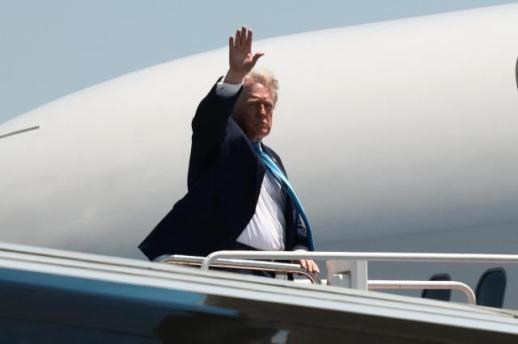 Trump Says Iran Negotiations Are in Final Stages as Iran Demands Sanction Relief Amid a prolonged conflict in the Middle East, President Donald Trump announced that negotiations with Iran are in the final stages, suggesting a potential end to hostilities. Meanwhile, Iran confirmed it is reviewing U.S. proposals but insists that the release of frozen assets and the cessation of maritime blockades must be prerequisites for any dialogue. On May 20, during a visit to the Coast Guard Academy in New London, Connecticut, Trump told reporters, "We are in the final stages regarding Iran," adding, "Let’s see what happens." He continued, "We will either reach an agreement or face some rough situations, but I hope that doesn’t happen." When asked if he was rushing to resolve the Iran conflict ahead of the November midterm elections, Trump replied, "Everyone talks about the midterms, but I am not rushing at all." Earlier that day, Punchbowl News reported that Republican Congressman Tom Cole, chairman of the House Appropriations Committee, indicated that the Pentagon's funding for operations related to Iran could run out by August, highlighting growing concerns within the GOP about the war. Cole expressed worry that Congress may not have enough time to address additional funding for Iran. In the same vein, Trump did not shy away from applying pressure on Iran. During his commencement address at the Coast Guard Academy, he stated, "We will be watching what happens. We have hit them very hard. We may have to hit them even harder, but maybe not." He emphasized, "We will not allow Iran to have nuclear weapons. It’s very simple." Trump also claimed that Iran's military capabilities have significantly weakened. He stated, "Everything has disappeared. Their navy is gone. Their air force is gone. Almost everything is gone," adding, "The only question is whether we will go in and finish it or whether they will sign a document." Iran Demands Economic Sanctions Relief First As Trump mentioned both the possibility of an agreement and further pressure, Iran confirmed it is reviewing the U.S. proposals. Iranian Foreign Ministry spokesman Esmail Baghaei stated in an interview with state television, "We have received the U.S. perspective and are currently reviewing it closely," explaining that the visit of Pakistan's Interior Minister to Tehran is aimed at facilitating message exchanges between the two countries. Earlier, Iranian state news agency IRNA reported that Pakistani Interior Minister Mohsin Naqvi visited Iran again on May 20 following a previous visit on May 16. Baghaei outlined the prerequisites for dialogue to end the war, emphasizing the need for the release of frozen assets and the cessation of U.S. maritime blockades. He stated, "At this stage, we are focused on ending the war on all fronts, including Lebanon. Our demands are clear: the release of Iran's frozen assets, issues related to piracy, and actions targeting Iranian shipping have all been clearly stated from the beginning." He added, "If this process is based on Iran's legitimate demands, we can say diplomacy has succeeded; otherwise, if unreasonable demands persist, we will obviously not succeed." Meanwhile, Israel has reportedly expressed strong opposition to the ongoing negotiations between the U.S. and Iran. Axios reported that Prime Minister Benjamin Netanyahu criticized the negotiation process during a phone call with Trump, advocating for a resumption of hostilities against Iran. Sources indicated that Trump informed Netanyahu that mediators are preparing a 'letter of intent' to secure signatures from both the U.S. and Iran. This letter is said to outline a 30-day negotiation period to officially end the war and discuss Iran's nuclear program and the reopening of the Strait of Hormuz. Netanyahu remains skeptical about the negotiations with Iran, asserting that military action should be resumed to weaken the Iranian regime and its military capabilities. A U.S. source noted, "Netanyahu was very angry after the call with Trump."* This article has been translated by AI. 2026-05-21 16:36:31
 -
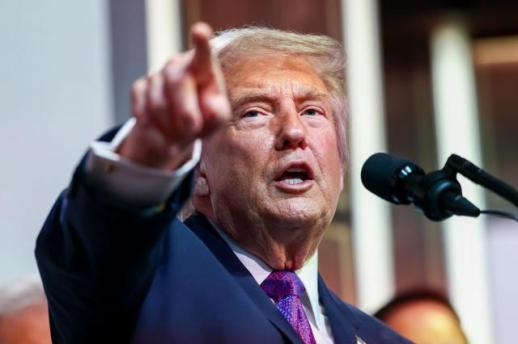 Concerns Grow Over Iran War Budget Depletion Within Three Months Concerns have emerged within the U.S. Republican Party that funding for the Iran war could run out in three months. As the conflict approaches its third month and shows signs of prolongation, worries are growing among Republicans ahead of the midterm elections scheduled for early November. On May 20, Tom Cole, the Republican chair of the House Appropriations Committee, warned that the Department of Defense's funding for the Iran-related war could be depleted by August. Cole expressed his concerns, stating, "We are running out of time to process additional budget proposals," adding that he is "very worried" about the situation. The House Appropriations Chair plays a crucial role in the federal budget process. Cole's comments indicate that the financial burden of the Iran war is becoming a significant issue within the Republican Party. This concern arises amid declining public support for the Iran war. A recent poll conducted by The New York Times and Siena College, released on May 18, revealed that 64% of respondents viewed the Iran war as a "bad decision," while only 30% considered it a "good decision." Congressional pushback is also intensifying. The U.S. Senate recently voted to advance a resolution limiting President Trump's war powers regarding Iran, passing the procedural motion with 50 votes in favor and 47 against. In this vote, Republican Senators Susan Collins (Maine), Lisa Murkowski (Alaska), Rand Paul (Kentucky), and Bill Cassidy (Louisiana) supported the measure. Only Senator John Fetterman (Pennsylvania) from the Democratic Party voted against it. Since the onset of the Iran war, the Strait of Hormuz, through which about one-fifth of the world's oil maritime transport passes, has effectively been closed. Consequently, international energy prices have surged, increasing the economic burden associated with the prolonged conflict.* This article has been translated by AI. 2026-05-21 16:03:47
 -
 Anthropic Projects $10.9 Billion Revenue for Q2, Eyes First Profit Anthropic, the developer of the AI model Claude, is projected to achieve its first quarterly profit, driven by a surge in revenue. Bloomberg reported on May 20, citing sources familiar with the matter, that Anthropic's revenue for the second quarter is expected to reach $10.9 billion (approximately 16.4 trillion won). This figure represents more than a doubling from the previous quarter and is based on materials disclosed to investors. During the same period, operating profit is anticipated to be $559 million (around 840 billion won). However, the sources indicated that due to increased spending on computing resources and other expenses, sustaining profitability in future quarters may be challenging. Once considered a latecomer trailing behind competitors like OpenAI, Anthropic has rapidly increased its revenue by enhancing the performance of its AI agent tools. The company is particularly noted for expanding its market share among corporate clients. Currently, Anthropic is in discussions to secure new investments that would recognize its valuation at over $900 billion (approximately 1,360 trillion won). If successful, this could surpass OpenAI's recent valuation in the private market. Bloomberg previously reported that Anthropic is considering an initial public offering (IPO) as early as October. OpenAI is also aiming for a potential listing this fall. Dario Amodei, CEO of Anthropic, stated on May 6 that while the company planned for tenfold growth this year, it is currently experiencing a growth rate of 80 times. Last month, Anthropic announced that its annualized revenue had surpassed $30 billion (approximately 44.4 trillion won), a significant increase from $9 billion at the end of the previous year.* This article has been translated by AI. 2026-05-21 15:31:51
 -
 Jensen Huang: NVIDIA Has Given Up on China's AI Chip Market to Huawei Jensen Huang, CEO of NVIDIA, expressed disappointment that U.S. export restrictions have allowed Huawei to dominate the Chinese artificial intelligence (AI) chip market. In an interview with CNBC on May 20, Huang stated, "We have effectively ceded that market to them, and the local semiconductor ecosystem is thriving because we have withdrawn from it. Huawei has had a record year and is expected to achieve remarkable results next year as well." He added, "We have essentially given that market to them." Recently, Huang joined a delegation during former President Donald Trump's visit to China, raising hopes for the resumption of exports of NVIDIA's H200 chips to the country. However, Huang cautioned against optimism. "I have no expectations," he said, advising analysts and investors to "not invest or expect anything." Nonetheless, he affirmed his desire to return to the Chinese market, noting, "There are many customers and partners there, and we have been doing business there for 30 years." NVIDIA reported that its revenue for the first quarter of the fiscal year (February to April) reached $81.62 billion, marking a 20% increase from the previous quarter's record of $68.13 billion and setting a new record for the 12th consecutive quarter. Compared to the same period last year, revenue surged by 85%, surpassing market expectations of $78.85 billion, as reported by the London Stock Exchange Group (LSEG). The adjusted earnings per share (EPS) stood at $1.87, exceeding Wall Street's forecast of $1.76. The growth was driven by the data center segment, which generated $75.2 billion in revenue, a 92% increase year-over-year. Within this, data center computing revenue was $60.4 billion, and networking revenue was $14.8 billion. The edge computing segment, which includes PCs, gaming consoles, and autonomous vehicles, reported $6.4 billion in revenue, up 29% from the previous year. NVIDIA projected second-quarter revenue of $91 billion, exceeding market expectations of $86.84 billion. The company also anticipates that its central processing unit (CPU), Vera, will generate $20 billion in annual revenue, accounting for about 5% of NVIDIA's expected annual revenue. Following the earnings announcement, NVIDIA's stock rose 1.3% during regular trading but turned downward in after-hours trading. As of 8 p.m., shares were trading at $220.66, down $2.81 (1.26%).* This article has been translated by AI. 2026-05-21 14:52:03