

Journalist

Park Sujeong
psj2014@ajunews.com
-
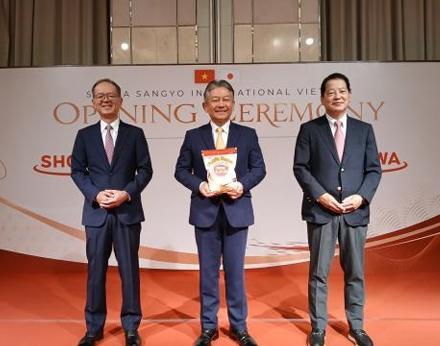 Showa Sangyo Launches Tempura Flour Tailored for Vietnam Market Showa Sangyo, a food company that produces flour and other products, held an opening ceremony on the 22nd for its local unit, Showa Sangyo International Vietnam, at a hotel in central Ho Chi Minh City. The company invited local media and influencers and unveiled a premixed tempura flour made at its Vietnam factory, highlighting adjustments in flavor and color to suit Vietnamese tastes. At the event, the company held cooking demonstrations and tastings using tempura flour produced at the factory, which began operating in March. Showa Sangyo said its immediate goal is to win market share among Vietnamese consumers and restaurants, and it will also consider exporting to global markets. The company said the product was developed to match local preferences. Based on market research, it said Vietnamese consumers tend to prefer a stronger yellow color than typical Japanese tempura, and they rate highly a “crispy” texture with a firm bite. The head of the Japanese cuisine section at the event venue, Hotel Nikko Saigon, demonstrated tempura preparation. “Showa Sangyo’s tempura flour stays crispy for a long time even after frying, which is excellent from an operational standpoint,” he said. Showa Sangyo said it is looking beyond retail sales to supply Japanese restaurants and other food-service operators in Vietnam. It also plans to expand its production lineup step by step, including products for bakeries. For now, the company said it will focus on building share in Vietnam, while longer term it will consider expansion to other countries, including neighboring markets. President Hideyuki Tsukagoshi said the company is also looking to global markets, including across Asia as well as Europe and North America. He added that it aims to create new value by combining the quality control and product development capabilities built in Japan with Vietnam’s rich food culture.* This article has been translated by AI. 2026-04-23 15:26:48
 -
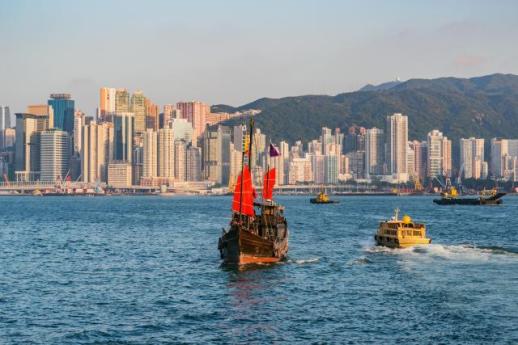 Hong Kong Confirms First Locally Acquired Dengue Fever Case This Year Hong Kong’s Centre for Health Protection said on April 21 it had confirmed the city’s first locally acquired dengue fever case this year and will work with relevant government departments on measures to prevent further infections. The patient is a 21-year-old man. He developed fever, headache, muscle pain and a rash on April 12 and sought diagnosis and treatment on April 16 at a public hospital in Tai Po, in the New Territories. A blood test returned a positive result for the dengue virus, and his condition was reported as stable. Investigators said the man lives in a housing estate in Tai Po and had been working on a road construction project on Lantau Island. He reported no travel outside Hong Kong during the incubation period from March 29 to April 9 and said he was bitten by mosquitoes near the work site. Dengue is transmitted by mosquitoes including the Aedes aegypti. The health protection center said rising temperatures and humidity make it easier for mosquitoes to breed and urged residents to take steps to prevent mosquito infestations.* This article has been translated by AI. 2026-04-23 15:09:51
 -
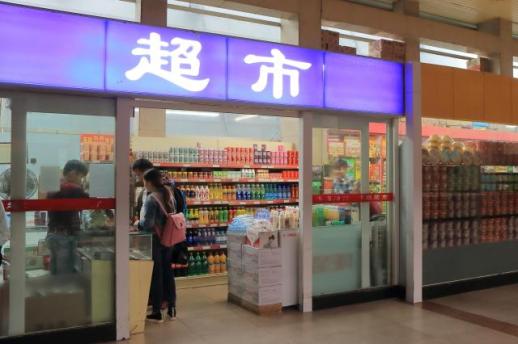 China Convenience Store Top 100 Chains Surpass 208,000 Stores China’s top 100 convenience store brands operated a combined about 208,000 outlets at the end of 2025, up about 11,000 stores, or 5.6%, from a year earlier, according to the 2026 edition of the “China Convenience Store Top 100” compiled by the China Chain Store & Franchise Association (CCFA). The number of chains with at least 1,000 stores was unchanged from the previous year at 38 brands. Meiyijia ranked No. 1 by store count, expanding to 40,147 outlets, an increase of 2,204 from a year earlier. The rest of the top 10 were: Yijie with 28,689 (up 54); Kunlun Haoke with 19,814 (up 114); Tianfu with 7,718 (up 197); Lawson with 7,068 (up 416); Zuolin Youshe and Shenghuo Yizhan with 6,238 (up 928); Furong Xingsheng with 5,940 (up 102); 7-Eleven with 5,565 (up 926); Shizu and Zhishang with 4,217 (down 164); and Jianfu with 3,680 (up 645). The top five rankings were unchanged from the previous year.* This article has been translated by AI. 2026-04-23 12:03:15
 -
 Taiwan’s Delta Briefly Tops NT$5 Trillion Market Cap as Shares Hit Record Taiwan power supply unit maker Delta (Taidah Electronics Inc.) saw its shares rise to NT$1,980 on the Taiwan stock market on April 20, briefly pushing its market capitalization above NT$5 trillion, the Economic Daily reported April 21. The report said buying spread after moves by institutional investors. Delta is the second company in Taiwan to exceed a NT$5 trillion market cap, after Taiwan Semiconductor Manufacturing Co., the world’s largest foundry chipmaker. Delta reported consolidated March revenue of NT$59.77999 billion, up 37.6% from a year earlier. A securities industry official said Delta’s results are benefiting from surging demand for high-voltage direct current power equipment for cloud solution providers, lifting both average selling prices and gross margin.* This article has been translated by AI. 2026-04-22 16:08:22
 -
 Thailand’s SSP to Sell Stake in Yamaga Solar Plant in Japan’s Kumamoto Thailand-based solar power company SSP (Sermsang Power Corporation) said its board on the 9th approved a plan to sell the Yamaga Solar Power Plant it operates in Japan’s Kumamoto prefecture. According to a filing with the Stock Exchange of Thailand (SET), SSP will sell its 90% stake in the plant, held through subsidiaries Sergi Energy and S Global Power, to a Japanese renewable energy power producer. The sale price is expected to be about 4.976 billion yen, and the transaction is set to be completed during the second quarter (April-June). The Yamaga plant has capacity of 34,500 kilowatts. It began operating May 30, 2020, and sells electricity to Kyushu Electric Power under a contracted capacity of 30,000 kW on a 20-year term.* This article has been translated by AI. 2026-04-22 15:55:06
 -
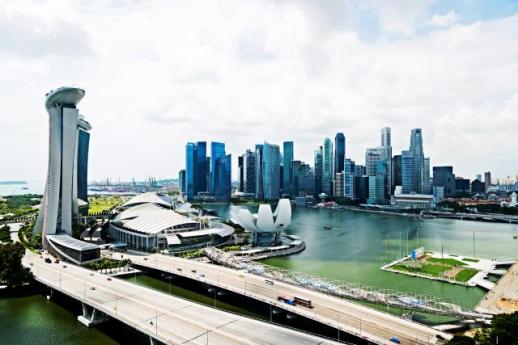 Survey: Over 90% of Singapore Firms Face Higher Costs From Middle East Tensions More than 90% of Singapore companies are facing higher costs as Middle East tensions push up energy prices, according to a survey by the Singapore National Employers Federation, or SNEF. Many companies cited rising utility bills and fuel costs. Among firms that have taken steps to cope, hiring freezes or delays in expansion plans were common. SNEF surveyed companies across a wide range of industries and received responses from 210 firms. Information and communications, finance, insurance, professional services, education and social services made up the largest share at 37%. Manufacturing accounted for 32%, hospitality, food and wholesale 15%, and transport and warehousing 10%. A total of 96% said they were facing higher costs due to a surge in energy prices linked to worsening conditions in the Middle East. The most common response was that business costs rose 11% to 25% (41%), followed by 1% to 10% (36%) and more than 25% (19%). By category, utilities and fuel were cited most often, at 70% each. Raw materials and consumables were named by 59%, and air and sea freight costs by 53%. Asked whether they were reviewing staffing and workplace deployment because of the energy price spike, 83% said no. SNEF said, “Many companies are exploring whether operational adjustments are possible before taking measures that directly affect employees.” Among those that said yes, the most common actions (multiple responses allowed) were hiring freezes or postponing plans to add staff, at 67%. Redeployment and cross-training, and headcount reductions through attrition, were each cited by 33%. Bonus and allowance cuts were reported by 25%, and reduced working hours, including overtime, by 19%. As support measures to address rising costs (multiple responses allowed), companies most often called for tax-related support such as tax cuts (83%), subsidies for energy costs (77%), and delaying the implementation of employment policies related to manpower (55%).* This article has been translated by AI. 2026-04-22 15:43:08
 -
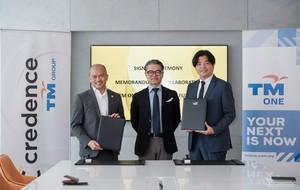 Fujifilm Malaysia Partners With Telekom Malaysia Unit on Cloud Medical Imaging Fujifilm Malaysia said on April 20 it signed a partnership with Credence, a cloud and digital services company and a subsidiary of Malaysian telecommunications firm Telekom Malaysia (TM), to roll out a cloud-based medical imaging information system in the country. Under the memorandum of understanding, the companies plan to combine TM’s cloud infrastructure, nationwide telecommunications network and cybersecurity capabilities with Fujifilm’s medical imaging and diagnostic technology. The aim is to standardize and enable sharing of imaging information across Malaysian health care institutions, improving access to imaging records for medical staff and supporting faster diagnoses and more consistent patient care. The plan calls for operating Fujifilm’s vendor-neutral archive system, Synapse VNA, on TM’s Cloud Alpha Edge platform to centrally manage medical images and data stored across imaging management systems from different manufacturers and across hospital department systems.* This article has been translated by AI. 2026-04-22 15:27:14
 -
 WFP Warns Middle East Tensions Could Deepen Myanmar Food Crisis The U.N. World Food Programme warned on the 20th that rising tensions in the Middle East could further worsen Myanmar’s food crisis. WFP said limits on supplies of imported fertilizer and higher prices are hurting agriculture and disrupting rice planting for the rainy season. It warned of falling farm output and growing pressure on rural livelihoods. About one-quarter of the population — 12.4 million people — is already facing severe food insecurity, it said. Independent outlet The Irrawaddy reported on the 20th that Myanmar’s agriculture sector relies heavily on imported fertilizer, with imports in fiscal 2025 (April 2025 to March 2026) topping 1.1 million tons. About half is supplied by China, but China’s restrictions on fertilizer exports in late March have intensified shortages inside Myanmar. Market prices for urea fertilizer have surged to 90,000 to 150,000 kyat per bag (about 50 kilograms), undermining rice farmers’ profitability. A farmer in the lower Irrawaddy River delta said, “Even if I sell 10 bags of rice, I can’t cover the cost of even one bag of fertilizer,” adding that soaring costs are making it difficult to keep farming. Production costs have risen to more than about 1 million kyat per acre, while rice market prices are said to be below about 1.5 million kyat per 100 bags, leaving many farmers struggling with losses. Harvests are also declining. One farmer said output from a paddy field of about 1.2 hectares fell to 130 bags (about 3 tons) from the usual 300 bags (about 7 tons) as fertilizer and irrigation costs climbed and damage from harmful animals added to losses.* This article has been translated by AI. 2026-04-22 15:19:19
 -
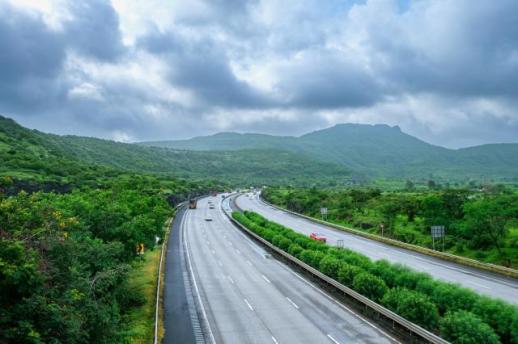 Uttar Pradesh’s 594-km Ganga Expressway to Open April 29 India’s Ganga Expressway, linking Meerut in western Uttar Pradesh with Prayagraj in the east, is expected to open on April 29. The expressway spans 594 kilometers (369 miles) and runs through Hapur, Bulandshahr, Amroha, Sambhal, Budaun, Shahjahanpur, Hardoi, Unnao, Rae Bareli and Pratapgarh before connecting Meerut and Prayagraj. Prime Minister Modi is expected to attend the opening ceremony in Hardoi. Officials expect the new route to enable faster and safer travel. Improved connectivity is also expected to cut logistics costs, strengthen supply chains for fresh goods such as agricultural products, boost tourism and attract more investment, supporting growth in both rural and urban areas. Uttar Pradesh has been pushing ahead with expressway development.* This article has been translated by AI. 2026-04-22 15:11:46
 -
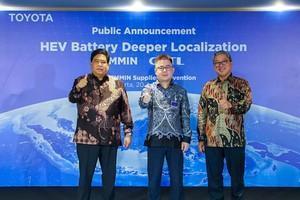 Toyota Indonesia Unit to Produce Hybrid Battery Cells, Modules With China’s CATL Toyota Motor Manufacturing Indonesia, Toyota Motor Corp.’s manufacturing unit in Indonesia, said on the 20th it will work with China’s automotive battery maker CATL to produce battery cells and modules for hybrid vehicles. TMMIN said it will invest 1.3 trillion rupiah (about 12.0639 billion yen) and plans to begin exports in the second half of this year. The cells and modules, now largely imported, will be made at a CATL plant being built in West Java. TMMIN currently packages batteries for hybrid versions of the multipurpose vehicle KIJANG INNOVA ZENIX, the small MPV VELOZ and the small SUV YARiS CROSS at its Karawang plant in the same province. By producing cells and modules locally, the company aims to raise the local content ratio, known as TKDN. TMMIN said the project will help develop Indonesian talent, reduce reliance on imports and strengthen Indonesia’s position as a production and export hub for vehicles and auto parts. CATL, through its subsidiary CBL, is also pursuing an integrated production project with Indonesian state-owned companies, including Indonesia Battery Corp., a holding company for automotive battery manufacturing, and mining firm Aneka Tambang Tbk. The project includes a nickel smelter and an electric-vehicle battery plant. Nickel is also used in hybrid-vehicle batteries.* This article has been translated by AI. 2026-04-22 11:40:16