
Journalist

Tthe Embassy of Uzbekistan in the Republic of Korea
swatchsjp@ajunews.com
-
 Seoul establishes committee to honor resistance against martial law decree SEOUL, March 10 (AJP) - The government finalized plans on Tuesday to establish a presidential committee dedicated to honoring the citizens who defended the constitutional order during the emergency martial law of December 3, 2024. During a cabinet meeting on March 10, 2026, the administration approved the Regulations on the Establishment and Operation of the Light Committee. This new body will oversee the issuance of Light Certificates to individuals recognized for their contributions to preserving democracy during the six-hour crisis. The ministry will also evaluate the potential designation of a national commemorative day to mark the civilian-led movement. Applications for the certificates will be accepted through online portals, registered mail, and in-person submissions. Interior Minister Yun Ho-jung stated that the initiative aims to provide formal state recognition to those who resisted the unconstitutional decree. "With the establishment of the Light Committee, we can now officially honor and treat with respect the citizens who resisted the December 3 martial law," the department director said. He further noted that through the committee, the government will achieve national unity and expand the values of K-democracy. The historical context for the committee's formation dates back to a late-night television broadcast on December 3, 2024, when the former president declared martial law. He alleged that anti-state forces were paralyzing the government and cited a need to protect the nation from communist influence. Martial Law Command Proclamation No. 1 immediately followed, banning political gatherings and imposing military censorship over all press outlets. This move triggered a rapid mobilization of special forces to the National Assembly in an attempt to block legislative functions. Thousands of ordinary citizens responded by converging on the legislative grounds in Yeouido to form a human blockade against military transport vehicles. Protesters outside the gates faced off against armed troops, using non-violent resistance and physical presence to prevent the military from seizing control of the chamber. Inside the hall, 190 lawmakers bypassed security cordons to cast a unanimous vote demanding the immediate lifting of the emergency decree. By 4:30 a.m. on December 4, the former leader was forced to rescind the order, effectively ending the shortest period of martial law in the history of Seoul. The failure of the decree led to a series of legal and political collapses for the previous administration. An impeachment vote followed on December 14, 2024, which was later upheld by the Constitutional Court. This vacancy led to the June 2025 snap election won by Lee Jae Myung. On February 19, 2026, the judiciary sentenced the former head of state to life in prison for his role in the insurrection. The newly formed committee now seeks to institutionalize the memory of the civilian resistance as a cornerstone of the current democratic framework. 2026-03-10 13:57:13
 -
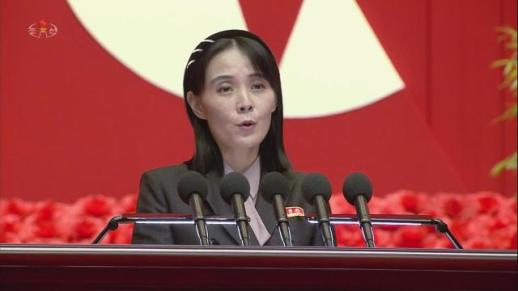 North Korea threatens 'super-offensive' response to US-South Korea military maneuvers SEOUL, March 10 (AJP) - Pyongyang’s second most powerful official, Kim Yo-jong, issued a stern warning on March 10, characterizing the ongoing joint military exercises between the United States and South Korea as a "provocative and aggressive war rehearsal." The statement, released via the state-run Korean Central News Agency, asserted that the maneuvers currently underway on the Korean peninsula are "intensively revealing once again their inveterate repugnancy toward the DPRK and habitual hostile policy toward it." The department director stated that the drill is "not a 'military game'" and warned that the "muscle-flexing of the hostile forces near the areas of our state's sovereignty and security may cause unimaginably terrible consequences." The joint military exercise, known as Freedom Shield, officially commenced on March 9 and is scheduled to run through March 19. According to military authorities in Seoul and Washington, the drill involves approximately 18,000 personnel, a figure consistent with previous years. This year’s iteration focuses on realistic threats derived from recent global conflicts, incorporating elements of information warfare and artificial intelligence technology. A primary objective is to evaluate and verify the conditions necessary for the transfer of wartime operational control to Seoul. While the personnel count remains stable, the scale of field training exercises has seen a marked reduction under the administration of President Lee Jae Myung. The current schedule includes 22 outdoor maneuvers, representing less than half of the 51 sessions conducted during the March 2025 exercises. Government officials in Seoul have indicated that this adjustment toward dispersing field training throughout the year is intended to create a stable diplomatic environment. This tactical shift coincides with reports that the U.S. President is scheduled to visit Beijing from March 31 to April 2. Despite the reduction in visible field maneuvers, the rhetoric from Pyongyang has shifted toward a more permanent stance of hostility. Kim Yo-jong dismissed the defensive nature of the drills, stating that the "clear confrontational nature of the high-intensity large-scale war drill staged by the most hostile entities in collusion at the doorstep of the DPRK never changes." She further emphasized that her state would "perfectly counter the strategic threats to the security of the state and the region through the bolstering of destructive power." This follows a broader doctrinal change where the supreme leader recently declared there is "no reason to speak with Washington." The supreme leader has also used recent public addresses to condemn the government of Lee Jae Myung for what he described as "double-sidedness." Kim Jong-un asserted that "it is undoubtedly a law and iron principle that the most powerful offensive capability constitutes the most reliable deterrent." He signaled that his state would no longer engage in what he deemed futile diplomatic overtures with Washington. This ideological pivot frames Seoul as a primary enemy state, a designation that the recent press statement reinforces. The latest communication warns that any violation of sovereignty will be met with an "extraordinarily overwhelming and preemptive super-offensive." The Freedom Shield exercises are proceeding as planned across the land, sea, and air domains of South Korea. 2026-03-10 10:32:42
 -
 Joint research team develops mRNA platform effective for aging and obesity SEOUL, March 10 (AJP) - A joint research team from the Korea Advanced Institute of Science and Technology (KAIST) and the Catholic University of Korea has developed a new mRNA platform designed to maintain high therapeutic efficacy in elderly and obese populations. The technology improves the production of therapeutic proteins by optimizing specific regulatory sequences within mRNA molecules, addressing a major limitation where current treatments lose effectiveness due to age or metabolic conditions. While mRNA vaccines gained global recognition during the COVID-19 pandemic, their performance can vary significantly depending on the biological environment of the recipient. In older individuals or those with obesity, high levels of oxidative stress often hinder the process by which cells translate genetic instructions into functional proteins. This reduced efficiency has remained a hurdle for the broad application of next-generation RNA therapeutics. To overcome this, the researchers focused on the 5' untranslated region (5' UTR) of the mRNA. This segment does not encode the protein itself but acts as a control center that dictates the volume and speed of protein synthesis. By analyzing vast amounts of biological big data, including tissue transcriptomes and individual cell expression patterns, the team identified specific 5' UTR sequences that remain resilient under cellular stress. The research utilized multiple advanced analytical techniques, such as RNA sequencing and ribosome profiling, to minimize bias across different species and cell types. The team discovered that their newly designed sequences are regulated by specific protein factors, including LARP1 and LARP4. These factors allow the mRNA to continue producing proteins effectively even when standard cellular pathways are compromised by aging or obesity. Preclinical trials using animal models confirmed that the optimized mRNA platform significantly improved both protein expression and immune responses. Unlike conventional mRNA sequences that showed decreased performance in aging and obesity models, the newly engineered sequences maintained high levels of activity. "This research establishes a design methodology that allows mRNA to produce proteins more effectively by leveraging large-scale biological datasets," said Professor Lee Young-suk of the KAIST Department of Bio and Brain Engineering. "It provides a foundation for ensuring that mRNA vaccines and treatments remain reliable for patient groups where drug efficacy is typically lower, such as the elderly or those with obesity." The study, led by Professor Lee Young-suk and Professor Nam Jae-hwan of the Catholic University of Korea, featured Yoon Su-bin and Cho Hyeong-gon as joint first authors. The findings were published online in the international journal Molecular Therapy on January 2. (Paper information) Journal: Molecular Therapy (impact factor: 12.0) Title: Designing 5' UTR sequences improves the capacity of mRNA therapeutics in preclinical models of aging and obesity DOI: https://doi.org/10.1016/j.ymthe.2025.12.060 2026-03-10 09:44:37
 -
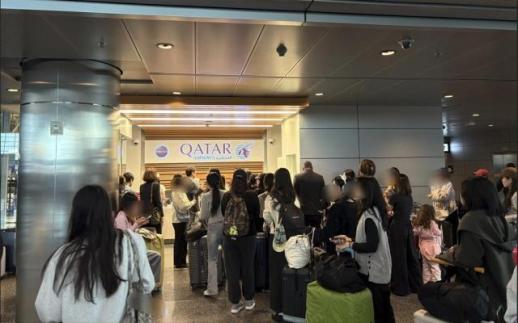 Qatar government organizes emergency flight for South Koreans stranded in Doha SEOUL, March 09 (AJP) - An emergency direct flight carrying South Koreans departed Doha on Monday following negotiations between the South Korean Embassy in Qatar and the Qatari government. The Qatar Airways flight, carrying some 300 South Korean nationals, took off at approximately 3:45 p.m. (0645 GMT). According to the Ministry of Foreign Affairs (MOFA), the aircraft is scheduled to land at Incheon International Airport at 12:21 a.m. on Tuesday. The flight was arranged as the regional airspace remains under heavy restrictions due to the ongoing war involving Iran. Qatari airspace has been operating under a limited-opening policy, primarily allowing select emergency flights to Europe. MOFA stated that the South Korean Embassy in Qatar requested the resumption of flights to facilitate the return of its citizens. The Qatari government accepted the request, leading to the organization of this emergency departure. The evacuation follows a similar operation in the United Arab Emirates, where both commercial and chartered flights were used to transport South Koreans who had been stranded by the sudden closure of flight paths. South Koreans in neighboring countries, including Jordan, Kuwait, and Bahrain, have also sought assistance as commercial travel remains highly volatile throughout the Persian Gulf. South Korea has been coordinating with local governments across the Middle East to secure safe passage for its nationals since the escalation of hostilities in Iran led to widespread flight cancellations. Regional authorities have maintained that while most commercial corridors remain closed, humanitarian and evacuation flights are being reviewed on a case-by-case basis. 2026-03-09 16:55:38
 -
 Go grandmaster urges shift to AI collaboration decade after AlphaGo match SEOUL, March 9 (AJP) - Former South Korean Go grandmaster Lee Se-dol returned to the site of his historic 2016 match against AlphaGo on Monday to advocate for a new era of cooperation between humans and artificial intelligence. Speaking during a press conference held at the Four Seasons Hotel in Seoul, the same location where he faced the Google DeepMind program 10 years ago, Lee reflected on how the perception of AI has evolved from a competitive threat to a collaborative tool. The event was hosted by Enhans, a South Korean AI startup, as part of a campaign for the commercialization of agentic AI. According to the event organizers, the global showcase was also broadcast live in major international hubs including New York and Tokyo. Lee, who appeared in a suit similar to the one he wore during the 2016 matches, said that while many programs can now outperform humans at the game of Go, there is a distinct lack of AI specifically designed for educational purposes. He suggested that utilizing AI for instruction could significantly lower the barrier to entry for the complex strategy game. "Go is the only perfect abstract strategy game created by humanity, but its difficulty is both its strength and its weakness," Lee said. "Go is now in the realm of education, and it is no longer necessary to play as well as a professional." In March 2016, Lee faced AlphaGo in a five-game series that ended in a 4-1 victory for the machine. Despite the loss, Lee's victory in the fourth game remains the only time a human has defeated that version of the AlphaGo system in a formal setting. He famously retired from professional play in 2019, stating that AI had become an entity that could not be overcome. Information regarding the match history and his retirement was sourced from public news archives. Lee noted that the global situation has changed since he first sat across from the machine. He said that while the world previously viewed AI as an opponent, the current focus should be on working together to solve unsolvable problems and create new value. Addressing concerns about job security, Lee said he believes AI will transform the nature of work rather than lead to its disappearance. He described the current period as an early stage where technology will eventually present and create new opportunities for people. During the event, Lee participated in a demonstration using voice commands to direct an AI agent in building a Go game model. The demonstration was intended to show how human intent can guide AI to perform technical tasks. Lee, who currently serves as a professor at the Ulsan National Institute of Science and Technology, continues to explore the integration of technology in traditional sports and culture. His current academic role was confirmed through university appointment records. 2026-03-09 15:17:10
 -
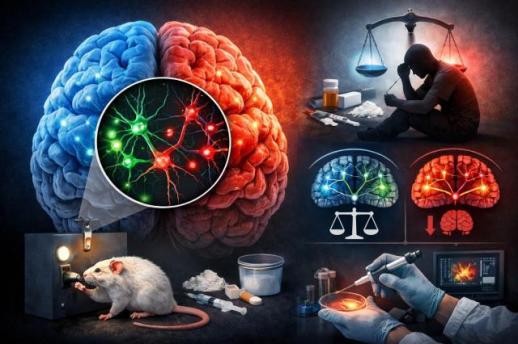 Joint research team identifies neural mechanism behind drug addiction relapse SEOUL, March 09 (AJP) - A joint research team from South Korea and the United States has identified a specific neural circuit in the brain that controls drug-seeking behavior. This discovery challenges the long-held belief that addiction relapse is caused by a general decline in willpower or a permanent loss of function in the prefrontal cortex. A team led by Professor Baek Se-bum of the Korea Advanced Institute of Science and Technology (KAIST) and Professor Lim Byung-kook of the University of California, San Diego (UCSD) announced on March 9 that they have discovered how specific inhibitory neurons in the prefrontal cortex regulate cocaine addiction. Addiction is notoriously difficult to treat because even minor triggers can revive intense cravings long after a person has stopped using drugs. Until now, this phenomenon was largely attributed to the weakening of the prefrontal cortex (PFC), the area of the brain responsible for impulse control. However, the new findings indicate that relapse is actually driven by an imbalance in specific neural circuits rather than a simple decrease in overall brain activity. The study focused on parvalbumin-positive (PV) inhibitory neurons. These cells act as a brake gate in the brain by suppressing the activity of other neurons to maintain neural balance. By monitoring mice exposed to cocaine, the researchers tracked when these neurons activated and how they sent signals to lower brain regions. The researchers found that PV neurons, which make up 60 to 70 percent of inhibitory cells in the PFC, became highly active when the mice sought cocaine. When the mice underwent extinction training—a process to stop them from seeking the drug—the activity of these cells significantly decreased. This suggests that the behavior of PV cells is not permanently damaged by addiction but can be readjusted through behavioral training. To confirm the role of these cells, the team artificially suppressed PV neuron activity, which resulted in a major reduction in cocaine-seeking behavior. Conversely, activating these cells caused the mice to continue seeking drugs even after their training was complete. This effect was specific to drug addiction and did not occur with natural rewards like sugar water, nor was it observed in other types of inhibitory cells such as somatostatin (SOM) neurons. The study identified that the PFC sends these regulatory signals to the ventral tegmental area (VTA), a core part of the brain reward system. The PV neurons act as a control switch in this pathway, influencing dopamine signals to determine whether to maintain or suppress addictive behavior. The findings prove that relapse is determined by whether this specific pathway between the PFC and the reward circuit is properly regulated. Professor Baek Se-bum stated that the research shows drug addiction is a circuit-level problem caused by a collapse in the regulatory balance of specific neurons and downstream circuits. He noted that the discovery of PV cells acting as a gate for addictive behavior provides a critical lead for developing precision-targeted treatment strategies in the future. The study, with Dr. Chung Min-ju of UCSD as the lead author, was published online in the journal Neuron on February 26. The work was supported by institutional funding and international research grants. (Paper information) Journal: Neuron Title: Distinct Interneuronal Dynamics Selectively Gate Target-Specific Cortical Projections in Drug Seeking DOI: https://doi.org/10.1016/j.neuron.2026.01.002 2026-03-09 11:12:03
 -
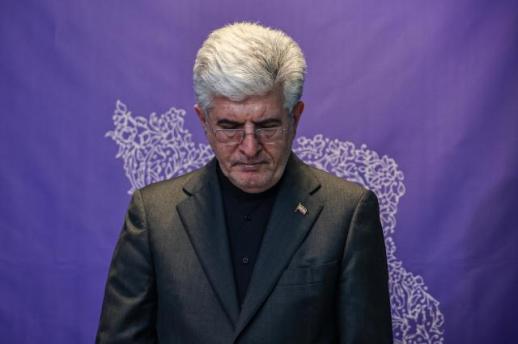 Iranian embassy in Seoul opens condolence book for late supreme leader SEOUL, March 09 (AJP) - The Iranian embassy in South Korea notified the South Korean Ministry of Foreign Affairs on March 8 of the death of Supreme Leader Ayatollah Seyyed Ali Khamenei, whom the mission described as a martyr. In a formal diplomatic note, the embassy said the Iranian leader died February 28 in what it characterized as a "brutal and unjust attack" by the United States and Israel. The message marks the first formal communication from the mission to the South Korean government regarding the leadership transition in Tehran following the start of hostilities in late February. The death of the 86-year-old leader occurred during a wave of joint U.S. and Israeli airstrikes targeting government and military infrastructure across Iran. While U.S. President Donald Trump described the operation as a necessary step to address Iran's nuclear program and regional influence, Iranian officials have condemned the strikes as a violation of national sovereignty and a war crime. The embassy announced it will open a book of condolences at its compound in the Yongsan district of Seoul. The book will be available for signatures on March 9 and March 10, between 10 a.m. and 4 p.m. The diplomatic note, which was also circulated to other foreign missions and international organizations based in South Korea, concluded with standard formal assurances of the embassy's "highest consideration" for the South Korean Ministry of Foreign Affairs. The announcement comes as Iran enters a period of high-stakes political transition. On March 8, the Iranian Assembly of Experts named Mojtaba Khamenei, the son of the late leader, as the new supreme leader. According to reports from the Islamic Republic of Iran Broadcasting, the 56-year-old takes power as the country remains engaged in active military conflict and faces significant internal security measures. South Korean officials have not yet issued a formal response to the embassy's characterization of the event or confirmed whether a representative will visit the mission to sign the condolence book. The South Korean government has previously coordinated the evacuation of its citizens from the region as the security situation deteriorated. 2026-03-09 10:23:43
 -
 Sookmyung Women's University researchers identify protein key to maintaining healthy muscle SEOUL, March 06 (AJP) - Professor Yang Young and Dr. Han So-ra from the Department of Biological Sciences and the Research Institute of Women's Health at Sookmyung Women's University have identified that CTRP1, a myokine produced in muscles, plays a critical role in maintaining healthy skeletal muscle. The research team found that CTRP1 regulates mitochondrial homeostasis in immature muscle cells to support normal muscle differentiation. This process induces the formation of muscle fibers favorable for mitochondrial respiration, thereby contributing to the maintenance of healthy muscle tissue. In cases where CTRP1 was absent, the researchers observed muscle damage and reduced muscle strength. These findings align with observations in tissues from patients with muscular diseases, where CTRP1 expression was notably decreased. The study further demonstrated that restoring CTRP1 in deficient cells normalized mitochondrial function and muscle differentiation. The study identifies CTRP1 as a core factor in regulating muscle homeostasis and suggests it as a potential target for gene therapy in muscular diseases. Professor Yang Young stated that the research confirms the possibility of using CTRP1 as a new strategy for regeneration and recovery in the treatment of muscle disorders. The findings were published online in January in Molecular Therapy, the official journal of the American Society of Gene and Cell Therapy and a member of the Cell Press family. (Paper information) Journal: Molecular Therapy (impact factor 12.0, JCR top 2.6 percent) Title: CTRP1 regulates skeletal muscle differentiation through quality control of mitochondrial dynamics and function DOI: https://doi.org/10.1016/j.ymthe.2025.12.063 2026-03-06 15:28:55
 -
 Day 7 Middle East War: Tehran power vacuum rattles Gulf order As the war triggered by U.S.–Israeli strikes on Iran enters its first week, AJP examines how the conflict began and evolved, the emerging power vacuum in Tehran and its implications for Iran and the Gulf states, and the broader impact on global energy routes, financial markets and the international order. SEOUL, March 06 (AJP) - Exactly who is in control in Tehran remains unclear after Supreme Leader Ayatollah Ali Khamenei was killed during the opening hours of the United States’ Operation Epic Fury and Israel’s concurrent Operation Roaring Lion. The conflict ignited on February 28 after U.S. President Donald Trump authorized a massive joint air campaign alongside Israel. Ali Khamenei was killed during the opening salvos of the bombardment. What he removed was more than a leader figurehead, according to Lee Hee-soo, a prominent expert on Islamic culture and Professor Emeritus at Hanyang University. "Khamenei held the status of a spiritual leader for approximately 300 million Shia Muslims worldwide," and the loss was a "spiritual blow" that the West may have underestimated. The uncertainty deepened after U.S. President Donald Trump said Washington should have a say in selecting Iran’s next leader, warning that figures he considers unacceptable could "just end up dead." The sudden removal of Iran’s supreme leader and several senior military officials has left the Islamic Republic navigating a rare leadership vacuum while confronting the most intense military assault on its territory in decades. An interim leadership council composed of President Masoud Pezeshkian, judiciary chief Gholam-Hossein Mohseni-Eje’i and senior cleric Ayatollah Alireza Arafi is temporarily overseeing the state. Meanwhile, Iran’s powerful Assembly of Experts is expected to begin the process of selecting the country’s next supreme leader. Mojtaba Khamenei, the slain leader’s son, is widely viewed as a potential successor, though the succession process—traditionally handled within Iran’s clerical establishment—now faces unprecedented external pressure. Lee called the potential rise of Mojtaba Khamenei as the "final card" for a regime. "In a state of war, the population often unites under a banner of patriotism," he added noting that Iran’s 1,200-year history since the time of Alexander the Great has been a "history of resistance." Decentralized retaliation and power Despite heavy damage to Iran’s military infrastructure, retaliation has continued across multiple fronts. Israeli officials say successive waves of U.S.–Israeli strikes have destroyed roughly 80 percent of Iran’s air defense systems and more than half of its missile launch infrastructure. Yet missile and drone attacks from Iranian forces and allied groups continue to target Israel as well as U.S. installations across the Gulf. Iran’s ability to sustain attacks reflects a contingency strategy developed by the Islamic Revolutionary Guard Corps (IRGC) known as the "Mosaic Defense Doctrine." Under the doctrine, Iran’s military was divided into 31 autonomous regional commands capable of operating independently if central leadership were eliminated. Professor Lee notes that the IRGC is not merely a military wing but a central power pillar controlling approximately 40 percent of the Iranian economy. "The Revolutionary Guard holds political, economic, and information power. This makes a simple regime change extremely difficult," Lee observed. Regional IRGC units appear to be acting with pre-authorized authority to launch missiles and deploy drone swarms. While Iran's high-tech capabilities are degraded, it reportedly maintains a production capacity of over 400 drones per day, including the Shahed drones currently utilized in the Russia-Ukraine conflict. Drawing parallels to the eight-year Iran-Iraq War, Lee warned that asymmetric warfare lacks a clear "end game" and could settle into a permanent state of chaos. Moreover, the weakening of centralized leadership has also activated Iran’s broader regional proxy network, the Axis of Resistance. Hezbollah forces in Lebanon have intensified attacks against northern Israel, triggering heavy Israeli strikes in Beirut. In addition to targeting Israel and U.S. bases, Iranian drones struck neighboring Azerbaijan—marking the first expansion of the conflict into the Caucasus. The Hormuz dilemma and the Beijing channel One of the most immediate global consequences of the conflict has been the disruption of maritime traffic through the Strait of Hormuz. The narrow corridor carries roughly one-fifth of global oil shipments and remains the world’s most critical energy chokepoint. Naval units associated with the IRGC and allied Houthi forces have effectively created a de facto blockade. Professor Lee warned that the risks remain extreme: "The blockade is Iran's life-line and their most potent asymmetric weapon." Based on current tracking data from maritime intelligence firms like Vortexa and Kpler as of Friday, the maritime paralysis has reached critical levels. Roughly 300 oil tankers and 280 dry bulk carriers are currently trapped inside the Persian Gulf. Outside the passage, at least 150 tankers carrying crude and LNG have dropped anchor in the Gulf of Oman. Approximately 3,200 vessels—representing 4 percent of total worldwide shipping tonnage—are currently idle. China can surface a mediating actor in the conflict, Lee said as Beijing purchases approximately 80 percent of Iran’s oil. The upcoming summit between U.S. President Donald Trump and Chinese President Xi Jinping in Beijing on March 31 therefore can service as the true "inflection point," he said, Gulf security under pressure Iran’s retaliation has also sent shockwaves across the Gulf monarchies. Missile and drone attacks during the opening days targeted multiple countries in the Gulf Cooperation Council (GCC), including the United Arab Emirates, Saudi Arabia, Qatar and Oman. Several strikes damaged civilian infrastructure, including airports, shaking the region’s image as a safe global business hub. The United Arab Emirates bore the brunt of early attacks, threatening its reputation as a stable financial center. Oman, traditionally known for its neutral diplomacy and role as a mediator, was also targeted. The attacks are forcing Gulf states to reassess their national security strategies. For decades, Gulf governments assumed that hosting U.S. military bases would guarantee protection, but some are now questioning whether the security benefits still outweigh the risks. A region entering a new strategic era Whether Iran ultimately survives the conflict intact or emerges deeply weakened, the Gulf that emerges from the war will likely be very different. Iran’s attacks on Gulf states have eroded the neutrality and mediation roles those countries once played. At the same time, the leadership vacuum in Tehran and the rise of decentralized proxy warfare are transforming the structure of regional conflict. The war that began as a targeted U.S.–Israeli military campaign is now evolving into a fragmented regional confrontation stretching from the Persian Gulf to the Mediterranean and the Caucasus. The conflict has now expanded to involve 14 countries. The death toll continues to rise, with officials reporting at least 1,230 fatalities in Iran and more than 120 in Lebanon. As the conflict enters its second week, the central question facing the region is no longer simply how Iran will respond to the strikes. It is whether the Middle East’s fragile balance of power—already under strain—can survive the collapse of centralized authority in Tehran. 2026-03-06 14:57:29
 -
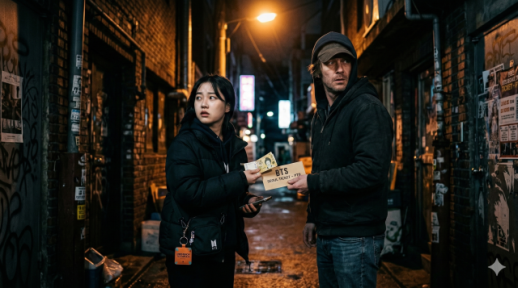 BTS Comeback D-16: South Korea to launch anti-scalping system ahead of BTS comeback concert SEOUL, March 05 (AJP) - South Korean authorities are rolling out a dedicated counter-scalping system to protect fans ahead of the upcoming BTS comeback concert at Gwanghwamun Square on March 21. The Ministry of Culture, Sports and Tourism confirmed the plan following a surge in illegal ticket trading for the high-profile event. Choi Hwi-young, the Minister of Culture, Sports and Tourism, called ticket scalping a "chronic disease" during a press briefing on February 12. The minister said that the government is monitoring the situation with extra care because free events, like the "BTS The Comeback Live: ARIRANG" show, often see even more aggressive resale activity than paid concerts. The ministry is coordinating its response through a specialized subcommittee of the Popular Culture Exchange Committee. This group includes officials from the ministry and HYBE, the management agency for BTS. The culture minister noted that while the government has developed specific countermeasures, it will not reveal the technical details to prevent scalpers from finding ways to bypass the new safeguards. The concert is expected to draw a crowd of about 15,000 to the landmark civic square in Seoul. Although the tickets are free, concerns are high that prices on the black market could skyrocket. During the group’s 2022 concert held in the southern port city of Busan, tickets for the free show reportedly reached prices as high as 4 million won ($2,731). According to data from the Korea Creative Content Agency, suspected online scalping cases have skyrocketed from 6,237 in 2020 to more than 259,000 as of August 2025. Approximately 75 percent of the cases reported in 2024 involved music performances, with many scalpers using automated "macro" software to snatch up tickets the moment they are released. To combat this, the South Korean government passed amendments to the Public Performance Act on January 29. The new rules ban the use of macro programs for ticket purchases and allow the state to confiscate profits from illegal sales. Violators could face fines up to 50 times the amount of the original resale price, though the law will not be fully enforced until later this year. The crackdown also involves tax authorities, who recently identified 17 high-volume professional scalpers. These individuals, who included public-sector employees and business owners, allegedly moved more than 20 billion won worth of tickets through illegal channels. Minister Choi said the government will lead a public campaign to discourage ticket hoarding and illegal sales before the new legal penalties take full effect. He stated that the goal is to see a significant reduction in scalping during the busy autumn performance season. 2026-03-05 16:59:00