

Journalist

Woo Joo-seong
wjs89@ajunews.com
-
 Daewoo Engineering's CEO Visits Austria and Czech Republic to Enhance Nuclear Cooperation Daewoo Engineering has initiated extensive communication efforts with local communities to successfully advance new nuclear power projects in Europe. The company announced that CEO Kim Bohyun visited Austria and the Czech Republic from May 11 to 14 to assess collaboration frameworks for nuclear projects and engage in community development activities. On May 12, Kim met with key officials from the International Atomic Energy Agency (IAEA) in Vienna, where they discussed global trends in the nuclear power market and the status of small modular reactor (SMR) development. During the meeting, Daewoo Engineering emphasized its strong construction capabilities and project management skills in the South Korean nuclear industry, expressing a commitment to expand international collaboration opportunities starting with the Czech nuclear project. On May 13, Kim traveled to the Czech Republic, where he participated in a fire truck donation ceremony in the municipality of Náměšť nad Oslavou, near the planned nuclear site. This donation was initiated in response to the need for enhanced local firefighting infrastructure, with the specialized vehicle completed after approximately 14 months of production. The ceremony was attended by local dignitaries, including Náměšť Mayor Jan Kotásek and Vysočina Region Governor Martin Kukla. Representatives from South Korea, including CEO Kim, Ambassador Hong Young-ki, and officials from Korea Hydro & Nuclear Power and Doosan Enerbility, were also present, reinforcing the unity of 'Team Korea.' Following the donation ceremony, Kim held discussions in Prague with key figures from the Czech Ministry of Industry regarding practical cooperation measures. A Daewoo Engineering official stated, "This visit goes beyond mere sales efforts; it is a genuine initiative to gain the trust of local residents and municipalities. We aim to successfully lead the Czech nuclear project based on our accumulated construction capabilities and establish a foothold for entering the European market." Shin Dae-hyun, a researcher at Kiwoom Securities, noted, "In the first quarter, overseas plant sites recorded high margins, resulting in profitability exceeding expectations. We anticipate securing the Czech Dukovany nuclear project in the second quarter, along with contracts for the Papua New Guinea LNG project throughout the year."* This article has been translated by AI. 2026-05-15 13:40:03
 -
 Kumho Construction Reports 121 Billion Won Operating Profit in Q1, Up 112% Year-on-Year Kumho Construction has achieved a significant rebound in its financial performance for the first quarter of 2026 through improved profitability and solid management practices.In its quarterly report released on May 15, Kumho Construction announced that its consolidated revenue for the first quarter reached 453.4 billion won, with an operating profit of 12.1 billion won and a net profit of 10.8 billion won. While revenue saw a slight decline compared to the same period last year, operating profit surged by 112% from 5.7 billion won in the first quarter of the previous year, more than doubling. Net profit also saw a substantial increase, rising from 800 million won last year to 10.8 billion won this quarter.The reduction of risks associated with previously high-cost projects, which have now been completed, has contributed to this improvement, along with a greater focus on profitable new ventures.Kumho Construction is expanding its operations beyond public housing and private participation projects to include energy sectors such as LNG combined cycle power plants and electrical infrastructure projects, which are currently in high demand. Analysts attribute the rise in profit margins to a strict selective bidding strategy, enhanced site management, and efforts to reduce interest expenses.The stabilization of financial indicators is also noteworthy. With improved performance, the collection of receivables has become smoother, significantly increasing cash liquidity. As of the first quarter, cash and cash equivalents stood at 275.6 billion won, a 72% increase from 160.7 billion won at the end of last year.With the secured cash, the company is also reducing its debt levels. During the first quarter, Kumho Construction repaid approximately 26 billion won in borrowings, accelerating its financial structure improvement. Consequently, total borrowings decreased from 157.1 billion won at the end of last year to 131.1 billion won in the first quarter.A Kumho Construction official stated, "We are maintaining a management policy that strengthens both profitability and financial stability. We plan to continue our stable profit structure based on thorough cost management and a selective bidding strategy."Shin Dae-hyun, a researcher at Kiwoom Securities, commented, "Kumho Construction is expected to continue its growth in size and profitability through the expansion of private participation projects. The government is planning to focus on public housing supply, and the increase in private participation project tenders this year is also a favorable factor. However, many private participation projects have experienced delays in commencement, so government action is needed to initiate these projects."* This article has been translated by AI. 2026-05-15 13:22:01
 -
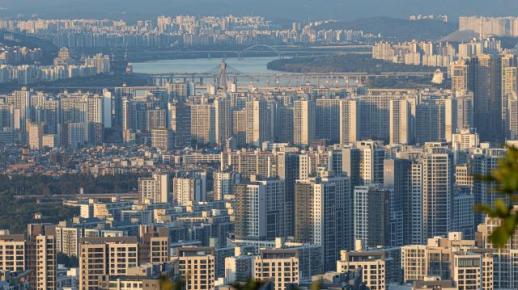 Experts Say Shortening Approval Process Alone Won't Solve Housing Supply Issues Seoul mayoral candidates from both major parties are competing to present promises for redevelopment projects, but experts agree that simply shortening the approval process will not resolve the housing supply crisis. They point out that the proposals lack specific alternatives to address the core issues of regulatory conflicts and rising construction costs. Additionally, both candidates have failed to present short-term measures for non-apartment housing to alleviate the immediate supply shortage, and there is a need for consistency with central government policies from the proposal design stage.On May 14, experts evaluating the real estate policies of the mayoral candidates expressed agreement with the general direction of the proposals but criticized their superficial analysis, noting a significant gap from reality. They emphasized that while shortening the approval process is like starting the engine, it is essential to simultaneously release the brakes of finance and regulation for the supply clock to function properly.Shim Hyung-seok, head of the Woo Dae-bbang Real Estate Research Institute, stated, "In a situation where regulations such as restrictions on the transfer of reconstruction association member status are in place, projects are often delayed due to members being blocked from progressing even if they want to move forward. Shortening the approval process without regulatory relaxation is merely half a measure."Shim also pointed out that substantial incentives for private projects need to be clearly outlined in the proposals, especially amid soaring construction costs. According to the Korea Construction Technology Institute, the construction cost index rose to 134.42 in March, a 0.49% increase from the previous month and more than 30% higher compared to the base year of 2020 (100). The surge in construction costs leads to conflicts between associations and construction companies. Industry voices have consistently called for the introduction of standard contracts from the selection stage of construction companies and for the decisions of dispute resolution committees to have practical enforceability to alleviate this structural bottleneck.Kim In-man, head of the Kim In-man Real Estate Economic Research Institute, criticized both candidates for lacking immediate short-term measures for non-apartment housing that could release supply into the market. He suggested supporting private construction financing to ease the financial burden on small builders and proposed direct development of parking laws and infrastructure as alternatives. He emphasized the need to strengthen oversight to ensure high-quality non-apartment housing is supplied to the market without defects. Kim stated, "Creating an environment where the private sector can supply high-quality non-apartment housing that is livable, even if not at the level of apartments, is a realistic supply measure that the Seoul city government can implement immediately. It is crucial to encourage the private sector to provide high-quality non-apartment housing rather than purchasing existing villas with tax money, which is the key to short-term supply."Concerns have also been raised that without clearly distinguishing between promises that can be implemented solely by the Seoul city government, those requiring legislative action from the National Assembly, and those dependent on cooperation from the central government, the promises may stall during the term due to 'external factors.'Seo Jin-hyung, a professor at Kwangwoon University, noted, "The key to realizing the promises lies in how closely both candidates can cooperate with the central government. Promises that do not differentiate between what can be achieved within the authority of the Seoul city government and what cannot may end up being mere election rhetoric." He added that specific financial initiatives at the city level are needed to address stalled projects due to issues like relocation costs or project financing.Song Seung-hyun, head of Urban and Economy, emphasized that without regulatory relaxation, it is challenging for projects to progress, pointing out that there tends to be a disconnect between policies of the Seoul city government and the central government. He stressed the need for policy coordination and role-sharing with the central government to address economic issues such as construction costs.* This article has been translated by AI. 2026-05-14 18:32:01
 -
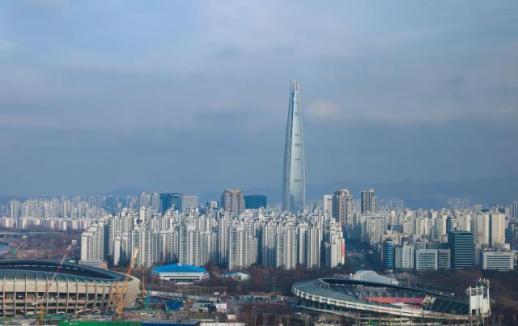 Candidates Clash Over Housing Supply Plans Ahead of Seoul Mayor Election The race for the Seoul mayoral election is narrowing down to a competition between Democratic Party candidate Jeong Won-o and People Power Party candidate Oh Se-hoon over housing supply promises. Both candidates emphasize accelerating the housing supply by streamlining administrative procedures, but doubts remain about the feasibility of their funding plans and timelines. Concerns are growing about potential physical limitations and procurement challenges, highlighting the need for a concrete execution roadmap.According to the redevelopment industry on May 14, Jeong Won-o announced on May 12 that he aims to supply a total of 360,000 housing units across both private and public sectors by 2031. Last month, he unveiled a blueprint for his 'smooth development' initiative, which aims to reduce the typical 15-year project timeline to within 10 years by supporting the entire redevelopment process until occupancy.Additionally, Jeong plans to implement a 'simultaneous application system' that allows for concurrent progress on basic plans and designation of redevelopment areas, as well as approval of redevelopment plans in a single assembly meeting. He also aims to expedite the early construction of 32,000 affordable housing units in the city and increase the annual supply of rental units, including villas and officetels, to between 7,000 and 9,000.In contrast, Oh Se-hoon plans to expedite the supply of 310,000 housing units during his term by designating 85 projects that have reached the critical point of management approval as 'core strategic redevelopment areas.' His strategy involves mobilizing all city resources to advance construction timelines by more than a year.To address the chronic delays in redevelopment projects, Oh intends to launch a 'rapid integration' system to streamline administrative processes and establish a unified review system for project implementation and management approvals.However, both candidates have yet to provide clear execution plans or realistic timelines for construction and occupancy.Jeong's proposal for 360,000 units, which is 50,000 more than Oh's, relies on 'purchase rentals,' but the feasibility of securing funding is considered low. The funds needed to secure an additional 50,000 rental units vary based on the purchase method and unit price, but even at 500 million won per unit, it would require at least 25 trillion won. Given the city's annual budget, it is challenging to allocate over 25 trillion won within a specific term.Moreover, implementing the simultaneous application system requires amending the current Urban and Residential Environment Improvement Act, necessitating cooperation with the central government and the National Assembly.For Oh, among the 310,000 units, 85,000 in the 'core strategic redevelopment areas' are already at the management approval or relocation/demolition stages, making a 2031 construction start feasible, according to industry assessments. However, the timeline for the remaining 225,000 units remains uncertain. Oh's flagship rapid integration planning initiative has seen only two out of 224 candidate sites begin construction as of the end of last year, resulting in an execution rate of just 0.9%.Oh also proposed supporting construction funding through special housing project accounts and housing promotion funds by 2031, along with expanding low-interest loans. However, critics argue that these funds are already earmarked for existing rental housing management and housing benefit support, and the total amount remains insufficient for large-scale redevelopment projects.Critics have pointed out that the proposed construction timelines from both candidates may not be realistic. The standard duration for redevelopment projects typically spans 10 to 15 years. To meet the promised 2031 construction start, all target areas must reach at least the 'association establishment approval' stage by the end of this year. Adding the 3 to 4 years required for completion after construction begins suggests that the actual occupancy for the promised 2031 housing supply could extend into 2034 or 2035.An industry insider noted, "The anxiety felt on the ground stems not only from the speed of approvals but also from the soaring construction costs and interest rate burdens, which create structural delays in securing construction timing even after management approval. Concrete solutions for funding procurement and conflict resolution must be included in the candidates' pledges."* This article has been translated by AI. 2026-05-14 18:27:24
 -
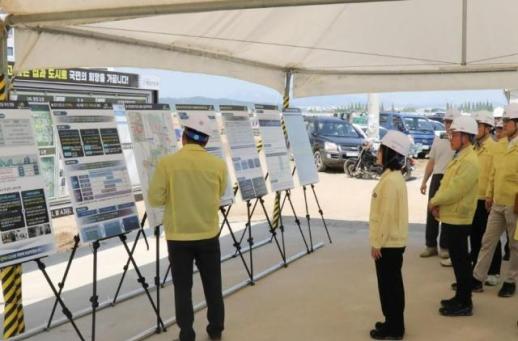 LH Conducts Special Inspection at Incheon Gyeyang, First Site for Third New Town Residents The Korea Land and Housing Corporation (LH) announced on May 14 that it conducted a special inspection at the Incheon Gyeyang Techno Valley public housing site, where the first residents of the third new town are expected to move in by the end of this year.On this day, Acting President Jo Kyung-sook visited the A2 block (747 public sale units) and A3 block (538 newlywed hope town units), where housing finishing works are underway. Jo listened to concerns from site officials and discussed solutions. This inspection was organized to ensure construction quality and prevent safety accidents amid rising raw material prices and supply instability due to recent tensions in the Middle East. The focus was particularly on the status of the A2 and A3 blocks, which will be the first to welcome residents among the third new towns. Currently, infrastructure work, including roads and water supply systems, is ongoing in the Incheon Gyeyang area, with the A2 and A3 blocks set for occupancy in December. Jo emphasized, "As Incheon Gyeyang marks the starting point for the third new town's occupancy, essential facilities like schools and parks, as well as transportation infrastructure, must be established in a timely manner," urging that safety and quality on-site should be the top priorities. Incheon Gyeyang is a key project of the third new town, being developed over 3.35 million square meters in the Bakchon-dong area of Incheon, with plans for 18,000 housing units. It aims to create a self-sufficient city centered on advanced industries, securing land 1.4 times larger than Pangyo Techno Valley. The project features improved access to Seoul through the introduction of S-BRT and expanded road networks. It is the fastest-moving project among the third new towns, with the first resident move-ins scheduled for the end of this year.An industry insider noted, "Gyeyang is not only the fastest project among the third new towns but also has significant geographical advantages due to its proximity to the Magok district in Seoul. If the planned future industrial infrastructure is completed as scheduled, it will reshape the residential landscape of the northwestern metropolitan area."* This article has been translated by AI. 2026-05-14 18:20:59
 -
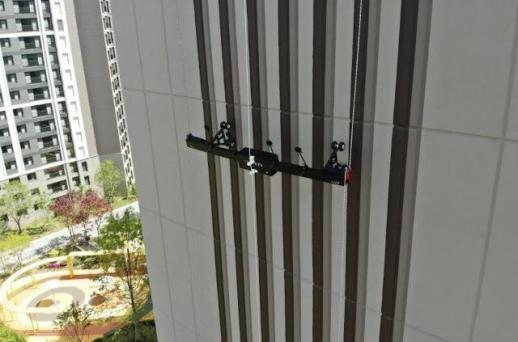 Hoban Construction Tests AI-Based Technology for Detecting Wall Cracks Hoban Construction has enhanced its diagnostic capabilities through the introduction of an AI-based wall crack inspection robot, marking a significant step in smart construction technology.On May 13, Hoban Construction announced the successful completion of a field demonstration of the AI wall crack inspection robot at a residential complex in Gyeonggi Province. This demonstration was the result of an open innovation collaboration with FD Tech, a company recognized as a promising technology in the 'AI Bridge Commercialization Project' by the Seoul Economic Promotion Agency. Hoban Construction provided the testing site and supported technology validation.The robot utilizes AI analysis to inspect the internal condition of walls, automatically determining the presence and location of cracks and damage. This advancement is expected to enhance the objectivity and reliability of inspection results while significantly improving site safety by reducing the need for human involvement in high-risk tasks.Technologically, the robot employs four cameras for close-up imaging and utilizes non-destructive testing, acoustic, and ultrasonic technologies to accurately diagnose wall damage. Its portability and ease of assembly also contribute to reduced preparation time for inspections.Hoban Construction plans to refine quality management through simultaneous internal and external wall diagnostics and intends to use accumulated data for crack history management and prioritizing repairs in the overall maintenance of buildings. Following the validation of the technology's accuracy based on the demonstration results, the company aims to establish an 'All-in-One Crack Management Process' that integrates inspection and repair.FD Tech, the developer of this technology, specializes in AI-based facility inspection robots and has received recognition for its technological prowess, having won an innovation award at CES 2026.Hoban Group's construction division is expanding its site-centered smart construction technologies. Last month, the company signed a memorandum of understanding with AI specialist Upstage and is collaborating with Pobicon to jointly develop automated quantity estimation and cost estimation processes, accelerating its digital transformation.A Hoban Construction official stated, "With the demonstration completed, we will undergo additional refinement processes before deploying it on-site. We are continuously reviewing the introduction timeline to expedite its application in future construction projects."* This article has been translated by AI. 2026-05-14 18:01:03
 -
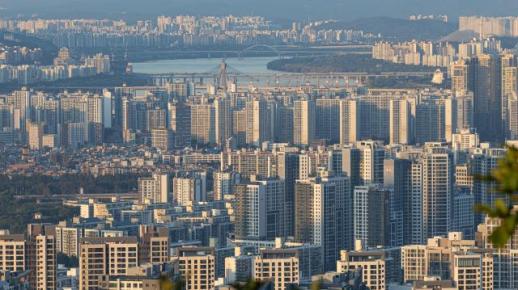 Gangnam District Sees Price Increase After 12 Weeks of Decline, Seoul Prices Up 0.28% Gangnam District, a key area in the Gangnam region, has reversed its 11-week decline and is now experiencing an increase in apartment prices, significantly boosting the overall sales prices in Seoul.According to the Korea Real Estate Agency's weekly apartment price trends released on May 14, the average apartment sales price in Seoul rose by 0.28% compared to the previous week, nearly doubling last week's increase of 0.15% and indicating a strong rebound.After three weeks of stagnation with price fluctuations around 0.15%, the demand for purchases surged this week across Seoul, including the Gangnam area. Notably, Gangnam District saw a shift from a decline of -0.04% to an increase of 0.19%, joining Seocho District (0.17%) and Songpa District (0.35%) in the upward trend.A representative from the Real Estate Agency stated, "While some areas continue to show a wait-and-see attitude, the increase in inquiries for well-located complexes and those undergoing reconstruction has led to rising contracts, contributing to an overall increase in Seoul's prices."In the northern regions, Seongbuk District (0.54%) recorded the highest increase, particularly in large complexes in the Gileum and Donam-dong areas, followed by Seodaemun District (0.45%) and Jongno District (0.36%). In the Gangnam area, Gangseo District (0.39%), influenced by reconstruction projects, topped the increase, with Songpa District (0.35%) and Guro District (0.33%) also showing notable rises.In Gyeonggi Province, prices rose by 0.11%, led by Anyang's Dongan District (0.69%) and Gwangmyeong City (0.67%), which saw significant increases due to reconstruction and major complexes. In Incheon, prices remained stable at 0.00%, with rises in Bupyeong District offset by declines in Namdong District. Overall, the metropolitan area saw a 0.14% increase.In contrast, non-metropolitan areas experienced a slight decline of -0.02%, particularly in the five major cities (-0.04%), although Sejong (0.01%) saw a minor increase in newly built complexes. Nationwide, the average sales price rose by 0.06%.Meanwhile, nationwide apartment rental prices increased by 0.11% compared to the previous week.In Seoul (0.28%), demand for rentals remained steady, particularly in large complexes and preferred school districts, leading to an increase from last week's 0.23%. Seongbuk District (0.51%) showed a significant rise, especially in the Gileum and Jongam-dong areas, while Songpa District (0.50%), Seongdong District (0.40%), and Gangbuk District (0.40%) also continued to see strong rental prices.Gyeonggi Province (0.18%) and Incheon (0.09%) maintained their upward trends, with the metropolitan area overall rising by 0.20%. Non-metropolitan areas (0.03%) saw slight increases in Ulsan (0.12%) and Sejong (0.09%), with growth slightly expanding from the previous week.Nam Hyuk-woo, a researcher at Woori Bank's Real Estate Institute, noted, "The active trading of high-priced reconstruction complexes during the 'bargain sale' period for multiple homeowners has led to a reduction in available listings and an increase in asking prices, driving the turnaround in Gangnam District. The trend of depleting urgent sales that began in Songpa District is now spreading to Seocho and Gangdong, reaching key areas in Gyeonggi Province such as Gwacheon, Bundang, and Gwangmyeong." He added, "Demand for upgrading in mid- to low-tier areas of Seoul is also continuing, resulting in a price adjustment phenomenon."* This article has been translated by AI. 2026-05-14 14:37:21
 -
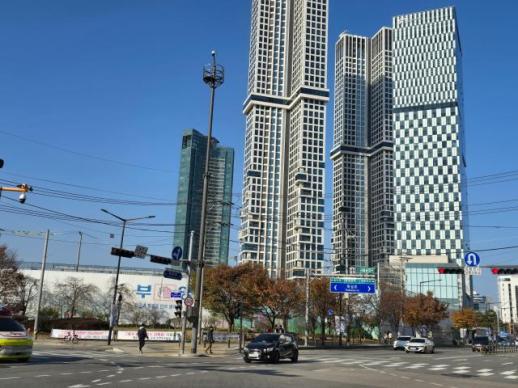 Buhyung Group Revives Long-Stalled Development in Seongsu-dong Buhyung Group is set to advance the development of the long-stalled Buhyung Hotel site in Seongsu-dong, Seongdong-gu, Seoul, which has been inactive for 17 years. The company plans to create a high-end mixed-use complex that combines residential, hotel, and cultural facilities, expanding its business scope beyond just housing.According to the construction industry on May 13, Buhyung Group has recently begun design modifications for the 10,900-square-meter site in the Ttukseom district of Seongsu-dong. The site, which was acquired from the city of Seoul for 370 billion won in 2009, is now estimated to be worth between 5 trillion and 6 trillion won due to rising land prices.Earlier this year, following Chairman Lee Joong-geun's commitment to resume the project, groundwork and other preliminary construction activities were restarted. However, the project is currently on hold for design changes aimed at optimizing certain structural elements and internal facilities to align with recent market trends.The plan includes two mixed-use buildings with eight underground floors and 49 above-ground floors. The large-scale project will feature a five-star hotel with 604 rooms, 332 residential units, and a multipurpose performance venue with approximately 900 seats. Industry experts believe that Buhyung's design modifications will further enhance the luxury aspect of the residential sector, considering the market prices of nearby high-end complexes like Acro Seoul Forest.A Buhyung representative stated, "The design changes are being made within the framework of the original plan, and we aim to commence full-scale construction and project execution by the end of the year."From a financial perspective, the Seongsu-dong development is a pressing issue. To alleviate the financial burden on some subsidiaries, such as Donggwang Housing, which have seen their debt ratios rise due to land acquisitions in Hannam-dong, early sales and cash flow generation from the Seongsu-dong site are essential.Buhyung is also preparing to develop other key sites, including the Yongsan Asia Apartment site, but its current focus appears to be on Seongsu-dong.Changes in the external environment are also a factor in the project's revival. In response to the government's tightening regulations on non-business real estate, Buhyung is actively pursuing tangible project execution. This clarifies that the company is not merely holding onto idle land but is committed to its core business objectives through direct construction and supply of designated project sites.However, Buhyung faces challenges due to unfavorable construction conditions. Concerns are being raised internally about the timing for actual construction, given the rising costs of raw materials and labor. In a high-inflation environment, creating a large-scale high-end mixed-use complex could pose significant profitability challenges.A Buhyung Group official remarked, "Preparations for project resumption are underway across the company, and recent hiring efforts support this initiative. We will finalize specific project details once the design modification process is completed."* This article has been translated by AI. 2026-05-13 17:03:27
 -
 Lotte Engineering Secures 300 Billion Won Through AAA-Rated Asset-Backed Securities Lotte Engineering has successfully raised 300 billion won through cash flow from its nearly completed projects. The company has significantly reduced borrowing costs through collaboration with commercial banks, demonstrating its credibility in the capital markets and accelerating its financial restructuring efforts. According to industry sources on May 11, Lotte Engineering recently issued asset-backed securities (ABS) based on construction receivables from projects nearing completion. The ABS consists of two tranches, each worth 150 billion won, with maturities of one year and one year and three months, totaling 300 billion won. Hana Securities and Shin Young Securities acted as joint lead managers, while Samsung Securities and NH Investment & Securities participated as underwriters. The ABS was issued with the highest rating of 'AAA', three notches above Lotte Engineering's own credit rating of A0. This rating reflects the stable cash flow from completed projects, combined with a 150 billion won credit facility from Hana Bank and Lotte Engineering's deposit management, maximizing structural stability. As a result, Lotte Engineering secured funds at significantly lower rates compared to typical corporate bonds or commercial paper (CP). The company plans to use this successful issuance as a stepping stone to diversify its funding sources through similar ABS issuances in the future. Lotte Engineering's proactive funding strategy is attributed to the unique 'funding lag' characteristic of the construction industry. Currently, the company has 20 housing projects scheduled for completion next year, with expected receivables amounting to approximately 2.6 trillion won. Typically, construction companies face concentrated expenditures just before project completion, but significant cash flow is only recovered after the final payments are received post-completion. Since the beginning of the year, Lotte Engineering has been designing a sophisticated securitization structure in collaboration with financial institutions to address this temporary funding demand. The risk of contingent liabilities from project financing (PF) is also showing a clear downward trend. Contingent liabilities, which reached 6.8 trillion won at the end of 2022, have decreased to around 3.1 trillion won in 2025, with a target to reduce them to the low 2 trillion won range this year. Notably, the establishment of a fund for purchasing PF asset-backed securities has helped extend the borrowing structure, alleviating short-term repayment pressures. Financial health indicators are also showing significant improvement. The debt ratio, which was 265% in 2022, has been declining annually and is expected to fall to around 187% by 2025, while reliance on borrowings has also decreased to the 20% range. Lotte Engineering stated, "The successful issuance of AAA-rated ABS is a significant turning point that acknowledges the company's creditworthiness in the market. We aim to achieve a substantial turnaround in our operational performance this year through thorough cash flow management and financial restructuring." The company also plans to accelerate its management normalization based on stable funding. A Lotte Engineering official emphasized, "Successfully completing the issuance of AAA-rated ABS has once again proven the safety of our funding. Under the strengthened financial health framework, we will further enhance the speed of management normalization through profitability-focused business management this year." 2026-05-11 11:04:26
 -
 Market Stalls as Capital Gains Tax on Multiple Homeowners Resumes Multiple homeowners are facing a resumption of increased capital gains taxes for the first time in four years. Starting today, the tax will apply to those owning multiple properties in designated adjustment areas, with rates ranging from 6% to 45%, plus additional surcharges. For those holding three or more properties, the effective tax rate could reach as high as 82.5%. Our team visited the area just one day before the tax increase took effect. On the afternoon of May 8, near the Eunma Apartment in Daechi-dong, Gangnam District, the atmosphere was surprisingly calm despite the impending tax changes. While some property listings were visible in agency windows, inquiries and foot traffic were notably sparse. What was once a market buzzing with last-minute transactions has shifted to a wait-and-see phase after most urgent sales were completed. The owner of a local real estate agency remarked, "Most urgent sales were settled in April. Now, only homeowners looking to raise prices remain. Once the district office closes tomorrow, it will be a case of whatever price they ask for." He added that homeowners are reluctant to list their properties alongside those trying to evade taxes, leading to a trend of waiting until after May 9 to list. A representative from another agency near Hanbomido Apartments echoed this sentiment, stating, "Almost all properties that were likely to sell have already been transacted. There won’t be many last-minute urgent listings now." The government allowed multiple homeowners to keep their options open until the last moment. As long as land transaction permit applications were submitted by May 9, homeowners could complete payments and registrations later to avoid the increased tax. On Saturday, May 9, 25 district offices in Seoul and 12 in Gyeonggi Province operated special hours to accept these applications. The deadline for payment can be extended up to six months, providing a final opportunity to avoid a tax burden. However, the Gangnam District Office was also relatively quiet on that day. A separate area for land transaction permits was set up within the real estate information department, but only civil servants handling inquiries were present; no lawyers or applicants were visible. A representative from a law office in Nonhyeon-dong noted, "We were busy with land transaction permit applications a few weeks ago, but that’s not the case now. There may be some last-minute price adjustments, but it doesn’t seem like there will be a sudden influx of applications." The depletion of urgent sales and withdrawal of listings is reflected in market data. According to real estate big data firm Asil, the number of apartment listings in Seoul as of today stands at 69,175, a decrease of over 10% from 77,010 a month ago. This marks the first time since February 24, when listings were at 68,564, that the number has dropped below 70,000. In the past month, the area with the largest decline in listings was Guro District, which saw a drop from 2,772 to 2,283 listings, a 17.7% decrease. Other areas in northern Seoul, such as Gangbuk (-16.0%), Seongbuk (-15.8%), and Jungnang (-15.8%), also experienced declines exceeding 15%. This trend is attributed to the completion of last-minute transactions to take advantage of tax benefits, along with multiple homeowners withdrawing listings as they missed their selling window. With listings depleting, localized price increases are occurring. In outer districts, rising prices are further pressured by real demand stemming from instability in rental markets. According to the Korea Real Estate Agency, apartment prices in Seoul rose by 0.15% in the first week of May, maintaining a strong performance for three consecutive weeks. Areas with significant listing reductions, such as Guro (0.24%), Seongbuk (0.27%), and Gangbuk (0.25%), have outpaced the overall price increase in Seoul, solidifying the market's support level. A representative from a real estate agency in Sangye-dong, Nowon District, stated, "While urgent sales in mid-priced complexes were cleared out early, steady demand from newlyweds and those moving out due to rental shortages has led to continued inquiries and contracts, pushing prices back to early-year levels since last week." 2026-05-10 13:43:32