

Journalist

Kim Dae-jong
-
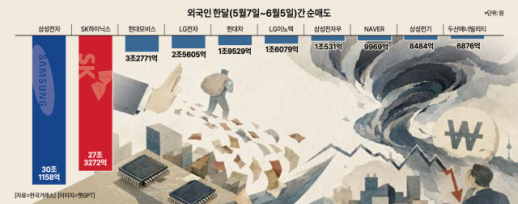 Foreign Investors Sell 57 Trillion Won in Samsung and SK Hynix Amid Market Volatility Foreign investors have been aggressively selling shares of Samsung Electronics and SK Hynix. Over the past month, foreign investors have net sold approximately 69 trillion won in the domestic stock market, with the majority of the selling concentrated in these two semiconductor giants. Meanwhile, individual and institutional investors have countered with significant net buying, helping to defend the KOSPI index above the 8000 mark. According to the Korea Exchange, from May 7 to June 5, foreign investors net sold 69.4 trillion won worth of shares in the KOSPI market. During the same period, individual investors net bought 56.4 trillion won, and institutions purchased 12.1 trillion won, absorbing the foreign sell-off. The foreign selling was primarily focused on large-cap semiconductor stocks. Samsung Electronics topped the list with net sales of 30.1 trillion won, while SK Hynix saw net sales of 27.3 trillion won. Together, these two stocks accounted for the majority of the total foreign net selling, totaling 57.4 trillion won. Other notable stocks in the top net selling list included Hyundai Mobis (3.3 trillion won), LG Electronics (2.6 trillion won), Hyundai Motor (1.9 trillion won), LG Innotek (1.6 trillion won), Samsung Electronics preferred shares (1.1 trillion won), NAVER (996.9 billion won), Samsung Electro-Mechanics (848.4 billion won), and Doosan Enerbility (687.6 billion won). This trend is interpreted as profit-taking primarily in the semiconductor, electronics, and automotive sectors. Despite the large-scale foreign selling, the stock market has continued its bullish trend. The KOSPI rose approximately 9% from 7490.05 on May 7 to 8160.59 on June 5. During this period, the KOSPI experienced significant volatility, surging over 8% in a single day on May 21, followed by a more than 5% drop on June 5. However, steady inflows of individual capital have supported the upward trend. Market analysts suggest that given the increased short-term overheating risks, the market may take a breather this week. There is potential for continued profit-taking due to the recent rapid rise, coupled with the lack of improvement in foreign investor sentiment. Additionally, on June 5 (local time), the three major U.S. indices—the Dow Jones Industrial Average (-1.35%), S&P 500 (-2.64%), and NASDAQ Composite (-4.18%)—all experienced sharp declines. Notably, the Philadelphia Semiconductor Index, which comprises the 30 largest semiconductor stocks, fell 10.26% to close at 12,220.76, marking its largest drop since the onset of the COVID-19 pandemic in March 2020. Seo Sang-young, a researcher at Mirae Asset Securities, stated, "Following Broadcom's earnings announcement, profit-taking has expanded across the semiconductor sector. The market is beginning to assess whether it can maintain the current high growth expectations rather than focusing on the potential slowdown in AI demand." He added, "The Oracle earnings report scheduled for June 10 will be a critical juncture to evaluate the recently raised concerns about a peak in AI investments. If AI demand is confirmed, the correction in semiconductor stocks may be a temporary pause, but if expectations fall short, valuation pressures could emerge across AI-related stocks." Meanwhile, the foreign selling trend has also impacted the foreign exchange market. Analysts suggest that as foreign investors sold domestic stocks and converted their proceeds into dollars, demand for dollars increased, putting upward pressure on the won-dollar exchange rate. According to the Seoul foreign exchange market, the won-dollar exchange rate reached a peak of 1561.5 won during overnight trading that closed on June 6, marking the highest level since March 6, 2009, during the global financial crisis (intraday high of 1597.0 won).* This article has been translated by AI. 2026-06-07 17:36:00
 -
 20-Year-Old Moon Dong-hyun Becomes Youngest Winner in KPGA Championship History Moon Dong-hyun made history on June 7 by winning the KPGA Championship, becoming the youngest champion in the tournament's history at just 20 years and 2 months old. Competing at the A1 Country Club in Yangsan, South Gyeongsang Province, Moon finished the final round of the 69th KPGA Championship with a score of 2-under-par 69, which included four birdies and two bogeys. His total score of 9-under-par 275 allowed him to secure the victory by one stroke over second-place finisher Kim Chan-woo, who ended with a total of 8-under-par 276. Born in 2006, Moon broke the previous record for the youngest winner, which was held by Lee Sang-hee, who won at 20 years and 4 months old in 2012. With this victory, Moon earned a prize of 320 million won and secured a spot on the KPGA Tour until 2031, along with 1,300 Genesis points. The outcome of the tournament remained uncertain until the final moments. With three to four holes remaining, a tight race unfolded among Moon, Eom Jae-woong, Jo Woo-young, and Kim Chan-woo, all tied for the lead. The pivotal moment came on the 16th hole (par 4). After sending his tee shot into a fairway bunker and failing to reach the green with his second shot, Moon faced a challenging situation. However, he executed a remarkable 30-yard approach shot that found the hole for a crucial birdie. Taking the solo lead, Moon calmly parred the last two holes and awaited the results of his competitors. Other players vying for the title were unable to lower their scores on the remaining holes, allowing Moon to emerge as the final champion. Eom Jae-woong and Lee Jae-jin finished tied for third with a total score of 7-under-par 277, while Wang Jeong-hun and Kim Jun-hyung tied for fifth at 6-under-par 278. 2026-06-07 17:36:00
 -
 Shinsegae Food Launches Summer Cakes Featuring Zespri Gold Kiwi Shinsegae Food announced on June 7 that it will launch two types of cakes featuring Zespri Gold Kiwi at E-Mart bakery locations nationwide for the summer season. These new products are designed in line with the recent "Season-core" trend, a term that combines "seasonal" and "core," referring to the growing consumer interest in enjoying foods and experiences that are only available during specific seasons. Gold Kiwi is popular for its rich vitamin C content, making it a favored fruit for both taste and health during the hot summer months. The new offerings include the 'Gold Kiwi Cake with Kiwi' and the 'Spoonable Gold Kiwi Cake.' The 'Gold Kiwi Cake with Kiwi' features fresh Gold Kiwi and Gold Kiwi jam, balancing freshness and sweetness. The cake is topped with slices of Gold Kiwi to emphasize its fruity appeal. It is priced at 27,980 won. The 'Spoonable Gold Kiwi Cake' is a cup dessert layered with Gold Kiwi jam and slices, designed for easy enjoyment. It is priced at 8,980 won. A representative from Shinsegae Food stated, "Consumer interest in desserts made with seasonal fruits is increasing. We plan to continue offering seasonal limited-edition desserts that combine taste and health."* This article has been translated by AI. 2026-06-07 17:33:00
 -
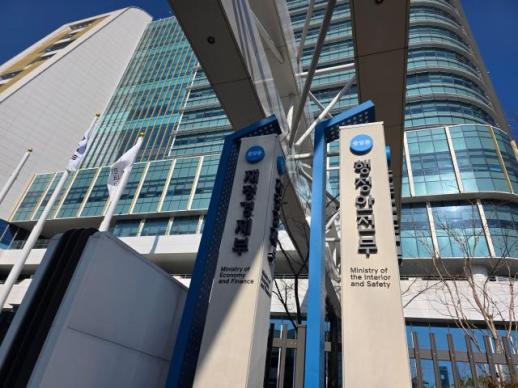 Financial watchdogs step up warnings as won slides despite verbal interventions SEOUL, June 7 (AJP) - Financial authorities on Sunday issued their strongest warning yet over speculative trading and other suspicious activity, as the South Korean won's sharp decline pushed the won-dollar rate above 1,560. They vowed to step up inspections and scrutiny of illegal foreign exchange transactions by importers and exporters at an emergency meeting convened by Finance and Economy Minister Koo Yun-cheol, which was attended by key financial chiefs including Bank of Korea governor Shin Hyun-song, Financial Services Commission chairman Lee Eog-won, and Financial Supervisory Service governor Lee Chan-jin. The warning came after two earlier verbal interventions failed to prevent further weakening of the currency. Participants assessed that the won's exchange rate against the dollar rose sharply over the weekend, amid expectations that the Fed may raise interest rates. According to the ministry, the exchange rate climbed from around 1,539.1 won on Friday afternoon to 1,560.2 later in the day as the U.S. market opened. Sunday's meeting followed a series of warnings from monetary and financial authorities. BOK governor Shin said during a press briefing late last month that the central bank would "not tolerate herd behavior in the exchange rate." During a meeting earlier last week, Koo also issued a similar warning, vowing to "immediately take necessary measures" against any irregularities. Despite these warnings, the rate crossed 1,560 won, while retail won-selling rates quoted by some currency exchange booths approached the 1,600 level. Officials said the won's recent volatility was partly attributed to foreign investors cashing out and reshuffling their portfolios after a chip-driven rally in the domestic stock market. The latest warning was stronger than previous ones, as the one in late May focused on countering market perceptions that the BOK governor would tolerate a weaker won, while last week's meeting delivered broader measures across agencies to stabilize the market. By contrast, Sunday's meeting directly singles out speculative trading, offshore NDF activity, and possible market disruption. The BOK and FSS agreed to improve the transparency of offshore non-deliverable forward transactions and to prepare measures to bring more of such trading into the domestic foreign exchange market. Officials also said they would take stern action if violations are found. Potentially illegal "lead and lag" transactions by trade companies will also be subject to scrutiny. Such transactions involve importers accelerating payments or exporters excessively delaying the receipt of export proceeds to benefit from a rising exchange rate. Koo said authorities will monitor market conditions under a 24-hour, high-level alert posture. He warned that market volatility could intensify again depending on the course of the prolonged conflict in the Middle East and upcoming U.S. inflation data. But it remains to be seen whether the stronger warning will lead to inspections, tighter monitoring of offshore transactions, or additional stabilization measures. 2026-06-07 17:18:00
 -
 NVIDIA CEO Jensen Huang Throws First Pitch at KBO Game Jensen Huang, CEO of NVIDIA, took to the mound in South Korea's professional baseball league.Huang made a surprise appearance as the first pitcher before the start of the 2026 Shinhan SOL Bank KBO League game between the Doosan Bears and Kiwoom Heroes on June 7 at Seoul's Jamsil Baseball Stadium. This event was reportedly made possible after Huang expressed his desire to attend a Korean professional baseball game directly to the Doosan organization.During the pre-game ceremony, Huang donned a Doosan Bears home uniform featuring the number '93,' commemorating the year NVIDIA was founded. His pitch was guided by Jack Logue, a foreign left-handed pitcher for the Bears.Huang addressed the crowd, stating, "NVIDIA and Korea are partners in the PC gaming industry, and I thank the Korean fans for welcoming NVIDIA."Park Jung-won, the chairman of the Doosan Bears, also took to the plate wearing a uniform with the number '96,' symbolizing the year Doosan was founded, eliciting cheers from the packed home crowd.After throwing the first pitch, Huang moved to a special section near the first base line to enjoy the game with over 200 NVIDIA employees while sharing chicken, a popular local dish.Prior to the pitch and batting events, Huang and Park spent about 40 minutes in a friendly practice session and tea time, fostering a warm atmosphere.Huang arrived at the stadium around 4:11 PM, where he was personally welcomed at the entrance by Park Jung-won. The two exchanged greetings, with Huang saying, "It's nice to meet you," and Park responding, "Thank you for visiting."Industry insiders anticipate that this first pitch will accelerate collaboration between NVIDIA and Doosan Group in the fields of physical AI and robotics. Currently, Doosan Robotics is developing intelligent robotic solutions using NVIDIA's AI platform, with plans to launch an industrial humanoid by 2028. 2026-06-07 17:12:00
 -
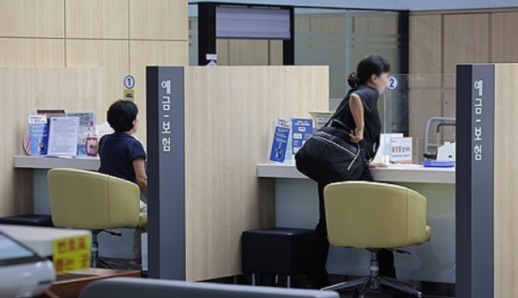 Countdown to Interest Rate Hike: Savings Rates Rise Near 4% Savings rates at savings banks, mutual finance institutions, and internet-only banks are on the rise. Special deposit products offering rates in the 4% range have emerged in the mutual finance sector. As the Bank of Korea signals a potential interest rate hike in the second half of the year, competition for deposits is heating up.According to the Korea Federation of Savings Banks on June 7, the average interest rate for one-year time deposits at 79 savings banks nationwide is 3.35%, up from 2.92% at the beginning of the year. The average rate has steadily increased from 2.95% in February to 3.06% in March, 3.19% in April, and 3.24% in May.Individual product rates have climbed into the upper 3% range. Among 311 savings bank time deposit products, 17 offer rates around 3.7%. The highest rate is from Cham Savings Bank's 'Non-Face-to-Face Rotating Time Deposit' at 3.73%. Other products, such as Pepper Savings Bank's non-face-to-face 'Rotating Time Deposit', DB Savings Bank's 'DB Happy Fruit Deposit', and JT Savings Bank's 'e-Time Deposit', also offer rates in the 3.7% range.In the mutual finance sector, time deposit products with rates of 4% have also appeared. Seowonju Credit Cooperative offers a special rate of 4.0% for its one-year non-face-to-face 'Time Deposit'. In some regions, such as the Seoul Future Saemaul Geumgo in Seongbuk-gu and the Gumi Sangmo Saemaul Geumgo in North Gyeongsang Province, the base rate for the 'MG The Banking Time Deposit' is set at 3.91%, with a maximum rate of 4.21% available under certain conditions.Three internet-only banks have also raised their time deposit rates to the 3% range. Notably, K-Bank has increased the rate for its 'Code K Time Deposit' three times in the past month, currently offering the highest rate among internet banks at 3.41% for one-year deposits. KakaoBank offers 3.40%, while Toss Bank provides 3.2%. Major commercial banks remain at rates between 2.90% and 2.95%, but forecasts suggest they will soon reach the 3% range.The rise in deposit rates is attributed to increasing market interest rates. As expectations for a rate hike by the Bank of Korea are reflected in government and bank bond yields, the cost of funding for banks also rises. Consequently, banks are compelled to increase deposit rates to attract funds. With the possibility of one or two additional rate hikes later this year, banks are proactively raising their deposit rates.The competition for deposits is expected to continue for the time being, as the stock market enters a lull, potentially directing investment waiting for opportunities toward more stable deposit products. Additionally, the launch of youth savings products with rates as high as 7-8% is anticipated to further intensify the competition for deposits.A financial industry official stated, "Typically, when expectations for an interest rate hike grow, market rates move first, prompting financial institutions to raise deposit rates accordingly. If the Bank of Korea implements a rate hike in the second half of the year, the competition for higher deposit rates is likely to persist."* This article has been translated by AI. 2026-06-07 17:06:00
 -
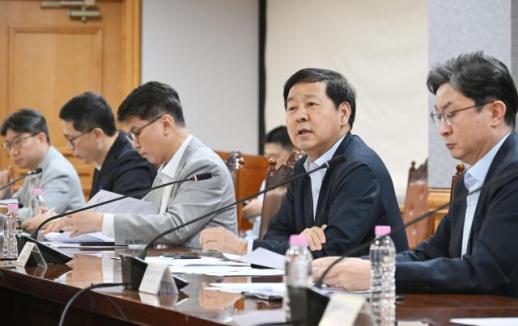 Deputy Prime Minister Koo Yoon-cheol Addresses Currency Volatility Concerns Koo Yoon-cheol, Deputy Prime Minister and Minister of Finance, stated on June 7 that "excessive exchange rate volatility is undesirable for our economy, and we will not tolerate excessive fluctuations or one-sided trends." Koo made these remarks during an emergency market situation assessment meeting held at the Korea Federation of Banks. The meeting included Bank of Korea Governor Shin Hyun-song, Financial Services Commission Chairman Lee Ok-won, and Financial Supervisory Service Chairman Lee Chan-jin. Participants acknowledged that while the fundamentals of the South Korean economy and its external credibility remain stable, speculative trading has accelerated one-sided trends in the market. They agreed that excessive exchange rate volatility is detrimental to the South Korean economy. There were also analyses indicating that the one-sided trends in the foreign exchange market are influenced by offshore non-deliverable forward (NDF) derivative transactions. NDFs are a type of forward contract that involves buying and selling foreign exchange at a predetermined rate at a specified future date. Koo emphasized the need to closely analyze these phenomena to enhance the transparency of NDF transactions, stating, "We will also prepare measures to absorb offshore NDF transactions into our foreign exchange market." The Bank of Korea and the Financial Supervisory Service are investigating suspicious activities that exploit the weakening of the Korean won in the foreign exchange market, and they plan to take strict measures based on their findings. Additionally, there are plans to monitor illegal transactions by import and export companies through a task force on illegal foreign exchange transactions. This aims to eradicate illegal practices where companies expedite payments for imports or excessively delay receiving payments for exports by taking advantage of rising exchange rates. Koo noted, "Given the ongoing developments in the Middle East and trends in U.S. inflation, market volatility may increase again. We will maintain a high level of vigilance, monitor market conditions 24/7, and swiftly implement the measures we have prepared in cooperation with relevant agencies."* This article has been translated by AI. 2026-06-07 17:06:00
 -
 The Future of Inclusive Finance: Designing Technology and Systems Together The South Korean stock market is drawing global attention. The KOSPI index has surged sharply since the beginning of the year, surpassing the 8,000 mark for the first time in history, with daily fluctuations reaching double the levels of previous years. While rising corporate values and increased stock investments by citizens are certainly positive developments, they also bring discomfort and anxiety. There is a sense of alienation, as if one is falling behind in a celebration that everyone else is enjoying, and a feeling of futility as daily labor seems diminished. Moreover, the thought that artificial intelligence (AI) could someday replace jobs raises concerns about the stability of salaries. The foundation of our economy lies in household income and corporate profits. Without this foundation, rising asset prices will eventually deflate like bubbles, exacerbating polarization. The role of inclusive finance and productive finance is to help ensure that household income and corporate profits grow together and that opportunities are opened fairly. Now is a crucial time for this role to be more important than ever. In this regard, I warmly welcome the government's initiative for a 'transformative shift towards inclusive finance.' In March, the Financial Services Commission announced tailored financial support measures for youth, vulnerable groups, and local communities. In April, it introduced measures to promote mid-interest loans. In May, the 'Inclusive Finance Strategy Promotion Team' was launched, declaring plans to redesign the principles of the financial system, including credit evaluation, fund intermediation, and incentives. The policies are robust and consistent, including the introduction of new loans for self-employed individuals, interest rate reductions for Sunshine Loans, a doubling of microfinance supply, and the provision of 4.3 trillion won for social solidarity economy organizations, along with measures to curb long-term and excessive collections. This approach is significant as it targets structural issues rather than merely providing symptomatic relief. The online investment-linked finance (OIF) industry was born with the mission of inclusive finance. Over the past decade, it has quietly met the funding needs of low-to-moderate credit borrowers, small business owners, and young entrepreneurs who have been overlooked by traditional financial institutions. During this time, the industry has attracted nearly 500 billion won in venture investments, focusing on developing alternative credit evaluation models and user-friendly automated platforms. After a lengthy period of technological accumulation, it was designated as an innovative financial service in July 2024, and since June 2025, savings banks have participated as investors in OIF, leading to rapid growth in mid-interest loans. The government has also explicitly recognized the role of OIF. The mid-interest loan promotion plan announced in April includes provisions to grant the same incentives for mandatory ratios and limits on mid-interest loans linked to savings bank OIF investments, aiming to expand the supply of mid-interest loans to 500 billion won this year. Although it took time to get started, the industry was well-prepared, and results are quickly becoming evident. This is being regarded as a model case where market validation and policy support are closely aligned. For OIF to better realize inclusive finance, institutional support is essential. No matter how excellent a credit evaluation model is developed, if it does not lead to actual funding connections, it remains merely a theoretical validation. This is why the amendment of the Online Investment-Linked Finance Act (OIF Act) is urgently needed this year. Since its passage in the National Assembly in 2019, the OIF Act has not been amended once in seven years. It is imperative to reflect the industry’s experiences and the changing market environment in the regulatory framework. Adjustments to institutional investor regulations, easing self-calculated investment restrictions, and refining investor protection systems must be established to ensure that the government's promise of a 'transformative shift towards inclusive finance' can be fulfilled on the ground. Looking further ahead, the future of inclusive finance will unfold in a landscape quite different from today. Elon Musk predicts that a universal basic income era will emerge amid the abundance created by AI. As the nature of work and lifestyles fundamentally change, current credit evaluation models will no longer be valid. Existing methods based on regular salaries and real estate ownership do not adequately apply to non-traditional income earners such as gig workers, platform laborers, and small business owners. Research and development on redesigning credit evaluation systems and models must proceed in tandem. Another crucial aspect is the innovation in financial infrastructure brought about by Web3 and digital assets. Soon, a significant portion of lending and investment will occur across borders within the digital asset ecosystem. We must prepare for this change to ensure that global liquidity flows into our real economy, supporting the production activities of small business owners and SMEs. If we are unprepared, the South Korean economy risks becoming a marginalized area excluded from the liquidity of the digital asset era. Inclusive finance cannot be realized through technology or systems alone. To ensure that the government's transformative shift towards inclusive finance does not end as a one-time slogan, institutional reforms in related industries such as OIF, redesigning credit evaluation systems, and upgrading infrastructure for the digital asset era must proceed concurrently. In this journey, OIF will play its part as a crucial pillar.* This article has been translated by AI. 2026-06-07 17:03:00
 -
 Will Real Estate Tax Reform Shift Focus to Long-Term Homeowners? Discussions on reforming the real estate tax system are expected to intensify following the June 3 local elections. The government is considering changes to the long-term ownership special deduction and property taxes, suggesting a shift in focus from the concept of a "single, valuable home" to one that emphasizes "long-term residency." According to the real estate industry on June 7, ahead of the Ministry of Economy and Finance's tax reform proposal set for July, discussions are underway regarding the revision of the long-term ownership special deduction (long-term deduction) and potential increases in property taxes. Experts predict that the core criteria for taxation may soon shift from the duration of home ownership to actual residency. In April, independent lawmaker Choi Hyuk-jin, a member of the National Assembly's Legislation and Judiciary Committee, introduced a bill aimed at increasing the deduction rate based on actual residency duration, known as the "residency-focused long-term ownership special deduction reform bill." The proposed amendment seeks to reduce the weight of deductions based on ownership duration while expanding benefits related to actual residency. If passed, the law is expected to take effect on January 1, 2027. Currently, homeowners with a single property can receive deductions of up to 40% each for ownership and residency periods, allowing for a maximum deduction of 80% on capital gains. As a result, the market is evaluating the shift in the focus of real estate taxation from a "single, valuable home" to "long-term residency." Previously, the strategy of consolidating multiple properties into one was a common tax-saving approach, but this change suggests that actual residency history may become a more significant criterion than the number of homes owned. The discussions surrounding the long-term deduction reform are rooted in equity concerns. There have been ongoing criticisms that a homeowner with a single high-value property in a prime area of Seoul may receive greater tax benefits than a multi-property owner in less desirable locations. However, there are also significant concerns regarding the proposed changes to the long-term deduction. Originally designed as a measure to curb speculation, the long-term deduction was implemented to alleviate excessive tax burdens arising from inflation and nominal value increases during prolonged asset ownership. Critics warn that overly stringent residency requirements could lead to a decrease in property transactions. The impact on the rental market is also a variable to consider. If landlords are required to demonstrate actual residency to maintain long-term deduction benefits, this could lead to a reduction in rental supply, potentially driving up rental prices or increasing monthly rent burdens. Additionally, properties subject to increased capital gains tax for multi-property owners are also limited in their eligibility for long-term deductions, creating a dual burden of reduced deductions and higher tax rates. Revisions to property taxes are another area of interest. Direct increases to comprehensive real estate taxes and property taxes could provoke significant tax resistance, prompting discussions about alternative taxation methods such as adjusting the fair market value ratio, aligning public property prices with market realities, or segmenting tax brackets. Meanwhile, transaction taxes, including acquisition taxes, are likely to move in a direction of easing. The current administration's real estate tax policy is summarized as "strengthening property taxes while reducing transaction taxes," which may include considerations for easing acquisition taxes for multi-property owners.* This article has been translated by AI. 2026-06-07 17:03:00
 -
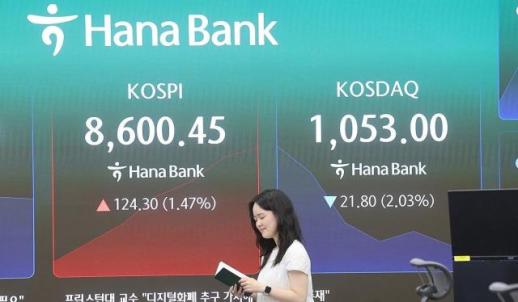 Countdown to Interest Rate Hike: Credit Loans Surge by 1 Trillion Won in Three Days Amid Debt Investment Boom As the KOSPI index surpasses 8,000, individual investors are increasingly engaging in debt-fueled investments. Last month, credit loans across the financial sector reversed a six-month decline, and in just three business days this month, nearly 1 trillion won was added. While financial authorities are closely monitoring the market's overheating, they face a dilemma due to existing high-interest burdens and current lending regulations. According to the financial sector on June 7, the total balance of personal credit loans from the five major banks (KB Kookmin, Shinhan, Hana, Woori, and NH Nonghyup) reached 104.9 trillion won at the end of last month, an increase of 2.1 trillion won from the previous month’s 102.8 trillion won. The overall balance of credit loans in the financial sector had been decreasing since December last year, with declines of 1.1 trillion won in January, 1 trillion won in February, 200 billion won in March, and 800 billion won in April. However, demand for debt investment surged last month as the KOSPI reached 8,000, leading to a sharp increase in credit loans, particularly from banks. As of June 4, the balance of personal credit loans at the five major banks rose by 989.4 billion won compared to the end of the previous month, with nearly 1 trillion won flowing into the market through credit loans in just three business days. The balance of overdraft accounts (credit limit loans) also reached its highest level in over three years, surpassing the end of December 2022's 42.05 trillion won. This increase is attributed to more investors utilizing previously unused credit limits for actual investment funds. Typically, the balance of overdraft accounts decreases around the 25th of each month when many companies pay salaries. However, in May, the balance increased from 41.28 trillion won on the 21st to 41.93 trillion won on the 28th. This suggests that borrowers are choosing to take on additional debt to invest in the stock market rather than repaying existing loans with their salaries. Financial authorities are monitoring the signs of overheating in the stock market but are hesitant to tighten lending standards further. The government had already limited credit loan amounts to 100% of a borrower's annual income to prevent housing purchases using credit loans during the June 27 regulations last year. Additionally, the implementation of a three-tiered total debt service ratio (DSR) and high-interest rates have increased the burden on borrowers. Raising lending thresholds uniformly could adversely affect those in need of living or emergency funds. Financial authorities are currently observing the recent increase in credit loans. Following signs of overheating in newly launched single-stock leveraged exchange-traded funds (ETFs) from Samsung Electronics and SK Hynix, the Financial Services Commission convened a meeting with industry stakeholders on June 5 to assess the situation. The Financial Supervisory Service has also begun inspections on Mirae Asset Securities, which sold SpaceX IPO shares, to check for any instances of improper sales or misleading advertising. A financial sector official noted, "In a bullish market, credit loans tend to flow rapidly into investment funds," but cautioned that using leverage for investments can lead to increased losses and interest burdens when the market adjusts.* This article has been translated by AI. 2026-06-07 17:03:00