
Journalist

AJP
-
 Hwang Bo-ra Says She Often Sees Cha Jeong-won, Suggests Ha Jung-woo Made the First Move Hwang Bo-ra said she often meets with Cha Jeong-won. On the March 2 broadcast of TV Chosun's "Joseon's Lovebirds," actor Kim Yong-geon was shown visiting Hwang's home. When host Kim Guk-jin asked whether she had met Cha, Hwang replied, "We've known each other for a long time, so we see each other often." Hwang said the two appeared to have met by chance. She added that Cha greeted her with, "Hello, senior," and that it seemed they met again in a private setting. Asked who felt the attraction first, Hwang said, "In the end, doesn't it work only when the man likes her more?"* This article has been translated by AI. 2026-03-03 08:12:23
 -
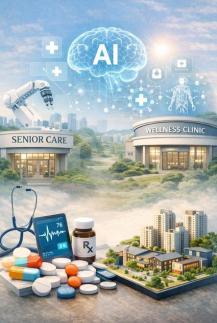 Drugmakers in South Korea Expand Into Senior Care, Eye Long-Term Growth but Face Profit Hurdles Pharmaceutical and biotech companies are accelerating expansion into senior health care, positioning it as a new growth engine as South Korea enters a super-aged society. With medical and caregiving demand expected to rise structurally, companies are moving into the “silver market,” where they can apply core capabilities while seeking long-term revenue with relatively lighter regulatory burdens. According to the Korea Insurance Research Institute on the 2nd, the number of older people needing care — including those with dementia and seniors living alone — is steadily increasing. By 2030, it projects that 16.5% to 26.3% of older adults will need elder-care services. Companies are responding by combining real estate development capacity with differentiated models such as health functional foods and digital technology. Among early movers is Chong Kun Dang. Chong Kun Dang Industry, a property asset management company under Chong Kun Dang Holdings, has expanded its footprint by acquiring nursing-care facilities. It operates “Bellforest” and “Heritage Nursing Home,” offering premium services. Heritage Nursing Home has a system designed to respond immediately in emergencies by linking with major hospitals. “Pharmaceutical companies already have networks among older adults and chronic-disease data, so combining that with the care industry creates strong synergy,” an industry source said. Still, concerns remain that care businesses may not deliver the profitability companies expect, largely because labor costs dominate spending. Nursing facilities must use 62.5% of government reimbursement payments for labor, and when indirect labor costs are included, staffing can account for about 70% to 80% of total expenditures. The burden can grow as facilities scale and it becomes harder to meet required ratios. “Separating the business into a separate corporation may limit financial risk, but operating nursing facilities requires distinct capabilities because it involves managing the overall brand image,” another industry official said. Kim Dae-jong, a professor in the School of Business at Sejong University, said, “Korea has the second-largest elderly population after Japan, and the silver industry is structurally bound to grow over the long term,” adding, “Any company will face limits to growth with its core business alone.” Overseas, pharmaceutical companies’ expansion into senior care is already seen as a proven model as aging becomes a business opportunity. Recently, Asian companies have focused on mental health and elder nursing. Japan’s Eisai, judging that “medicine alone cannot solve the dementia problem,” launched its subsidiary Theoria Technologies in 2023 and entered the dementia management platform business. China’s major drugmaker Sinopharm operates an integrated senior-care system built around combined medical and nursing-care hubs, expanding services on a “whole life-cycle” basis. The offering includes rehabilitation care, chronic-disease management and professional nursing services, in addition to supplying medicines. In South Korea, drugmakers are pursuing strategies aligned with their strengths. Daewoong Pharmaceutical formed a dedicated digital health care organization and unveiled its integrated artificial intelligence platform, “All New Think.” With more older adults needing ongoing management and more than 90% of domestic hospital beds lacking real-time monitoring systems, analysts see room for growth. However, as the market is still in an early stage, issues such as integrating AI technology and the contribution to sales remain to be assessed. Senior nutrition is also emerging as a new expansion track. Hanmi Science introduced “Hanmi Care Me,” a premium complete balanced nutrition product aimed at addressing nutritional imbalance among older adults. For seniors who struggle to consume adequate nutrients due to reduced activity and smaller meals, the message that it is “nutrition designed by a pharmaceutical company” can boost trust in purchasing. “Because the senior market is driven by trust-based consumption, pharmaceutical brands have an advantage,” an industry source said, while noting that the food industry already holds high market share and companies must also weigh the cost of building distribution and marketing infrastructure. Some also see longer-term benefits in understanding seniors’ needs and data. Sung Hye-jin, deputy director at the Pharmaceutical Industry Strategy Institute, said, “The senior market has a trust-based consumption tendency that fits well with pharmaceutical companies,” adding, “With the market still in its early stage, now is the time to enter, and there will be opportunities to lead across diverse fields.”* This article has been translated by AI. 2026-03-03 06:05:26
 -
 Korean Drugmakers Expand Into Senior Care as Super-Aged Society Grows South Korea’s shift into a super-aged society is pushing “senior health care” — spanning medical services, caregiving, housing and nutrition — to the center of a fast-changing industry. Domestic pharmaceutical and biotech companies are moving beyond drug development, expanding into housing and artificial intelligence-based digital care as they seek new growth in an aging era. According to the National Data Portal on March 2, people 65 and older accounted for 20.3% of the population as of 2025, marking the country’s entry into a super-aged society. The government projects the share will reach 30% in 2036 and exceed 40% in 2050. As the senior population grows, the market is increasingly viewed less as welfare and more as a high-value business. In particular, pharma and biotech companies are combining their drug-development capabilities with data and facility planning to build models that manage seniors across the full span of later life. Daewoong Group will open a senior-only “Care Hub” in Hanam, Gyeonggi Province, in April. The complex, about 3,800 square meters (1,150 pyeong), is designed to continuously monitor seniors’ health by combining data and AI. Unlike traditional nursing facilities focused on care and treatment, it emphasizes disease prevention and extending healthy life expectancy. The company plans to link clinical and disease data it has accumulated with wearable devices and AI analysis to provide preventive, preemptive services. The hub will offer outpatient-style programs and stays of up to three months for intensive management. Cha Bio Group is focusing on combining housing and medical services. Its affiliate Cha Healthcare last year partnered with POSCO E&C to develop senior residences, aiming to make living spaces function as medical platforms and narrow the gap between hospital and home. AI-based senior platforms are also emerging. HLB Global, through its subsidiary HLB Lifecare, operates a platform that predicts and manages chronic diseases. Using data from Yonsei University medical institutions and AI, it forecasts the onset of conditions such as diabetes complications and provides highly personalized management. Last year it formed an “AI medical health care council” with Japan’s largest private equity fund manager, ACA, and Korean AI firms including Selvas AI, JLK, VUNO and Mediana, stepping up efforts to enter the Japanese market. Senior nursing, housing and management services are widely seen as areas that can generate long-term cash flow. Hana Financial Research Institute projects South Korea’s senior market will expand to 241 trillion won by 2030 from 88 trillion won in 2022, an average annual growth rate of 13.4%. Kim Dae-jong, a professor in the business administration department at Sejong University, said the senior industry is poised for rapid growth as longer life expectancy makes healthy longevity a shared goal. He added that pharmaceutical companies’ performance in related noncore businesses is also likely to rise.* This article has been translated by AI. 2026-03-03 06:04:13
 -
 Six Korean Business Groups Urge Parliament to Pass U.S. Investment Special Act Six major South Korean business groups on Tuesday urged the National Assembly to swiftly pass a special law aimed at supporting investment in the United States. In an emergency appeal issued Tuesday, the Korea Enterprises Federation, the Korea Employers Federation, the Korea Chamber of Commerce and Industry, the Korea International Trade Association, the Korea Federation of SMEs and the Korea Association of Medium-Sized Enterprises said uncertainty in the trade environment has intensified after a recent U.S. Supreme Court ruling that found the International Emergency Economic Powers Act, or IEEPA, unlawful. They said the ruling could prompt the United States to rely on alternative laws to keep its current tariff policy direction while imposing additional, selective tariffs on specific countries or products, making passage of the bill urgent. The groups said exports to the United States in key South Korean industries — including semiconductors, automobiles and pharmaceuticals — are being directly affected, raising concerns about weakening industrial competitiveness. They warned that delays in handling the bill would weaken South Korea’s negotiating leverage with the United States and make it harder to realize tangible benefits from bilateral economic cooperation. They again called on lawmakers to pass the bill within the special committee’s mandate so companies can reduce trade risks and pursue exports to the United States more actively. * This article has been translated by AI. 2026-03-03 06:03:24
 -
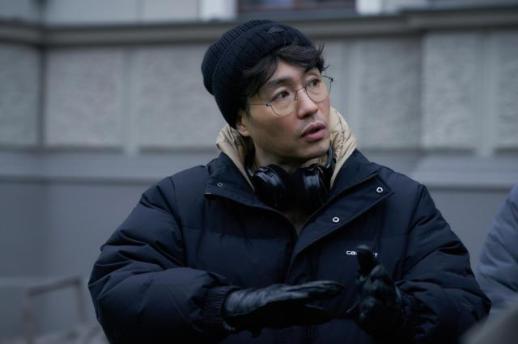 Director Ryoo Seung-wan Says ‘Humint’ Marks a Turning Point in His Filmmaking 'Veteran' and 'Smugglers' helped director Ryoo Seung-wan prove he could deliver both mass appeal and genre thrills. With his new film, 'Humint,' he returns with a quieter approach, trading punchy energy for a closer look at emotions and fractured relationships set against Vladivostok. Working within action-movie conventions, he pares back technique to move closer to his characters’ inner lives. The film opened Feb. 11 and has drawn a cumulative 1.82 million viewers, according to the Korean Film Council’s integrated box office system as of March 1. Ryoo first expressed gratitude for the renewed energy in theaters over the Lunar New Year holiday period and for fellow directors’ strong showings. "What I’m feeling is that theaters have come alive again after a long time. Compared with last year’s Lunar New Year holiday, it feels completely different. I’m grateful for that," he said. "I’m really happy director Jang Hang-jun is doing well. The cinematographer for 'The Man Who Lives With the King' is someone I’ve worked with my whole life, and I’m close with Yoo Hae-jin, too. Anyway, it feels good that two films with different sensibilities are out and audiences are coming to theaters. We’re also continuing stage greetings and meeting audiences." Ryoo said the project began with anger he felt after encountering a real-life tragedy while reporting in the past. "The basic incidents I gathered while preparing 'The Berlin File' — things that happened on the Chinese border and what I learned while covering a North Korean mission — became the foundation," he said. "The human trafficking case set in Vladivostok in the film is something that actually happened. What I heard was a crime so severe it’s hard to describe. When you ask why I chose this material, if I look back purely, I was furious after hearing it. You hear a lot about smuggling cigarettes, but buying and selling people … that’s something that must not exist. That anger was the starting point." Because the subject is tragic, he said he repeatedly weighed how to keep the camera from exploiting its victims. "The moment I chose this material, there was no longer any question of comfort or discomfort. It’s something that makes you angry, so it’s inevitably uncomfortable," he said. "The filmmaker’s task is that our gaze must not exploit the subject. Setting the distance between the camera and the subject required real care. The priority was not to emphasize it or treat it as something to gawk at. Even in postproduction, if the women stood out in the later images of the factory basement, I blocked all of that. I didn’t want the audience’s gaze to drift there and create an exploitative look inside the screen. We struggled with how to handle the material. On set, it was difficult and delicate." To capture the mood of the setting, he said he stripped away noise and focused on the landscape his characters move through. "Rather than emphasizing action spectacle, I wanted to preserve the characters’ emotional lines," he said. "So we removed the loud background extras walking around in the streets. I wanted the focus only on the characters. For every scene of someone walking, we searched the city thoroughly — the buildings, the streets — and checked everything in detail. We built a set for the North Korean restaurant, but everything else was shot in Vladivostok. There was only one method: the staff’s legwork." Ryoo pointed to what he called the film’s central image: a person who is ultimately alone even within relationships. "The title is 'Humint,'" he said. "The people placed inside this world. In the opening and ending, you see someone waking up and falling asleep somewhere that isn’t their home — that’s the image. They form tight relationships, and yet they’re ultimately alone within them. The keyword is 'parting,' a 'person who leaves.' That was important to me. This is an action film, but when it reaches action, the emotion isn’t the pleasure of beating a bad guy like I’ve handled before. It’s action that explodes after being compressed within a calm emotional line. So the approach was less about action itself and more about refining the characters." He said he aimed for traditional suspense that makes a theater go quiet, balancing familiarity and novelty. "When more than 100 people watch a film in a theater, I wanted suspense that makes them hold their breath," he said. "You can feel that silence when people are focused. I’ve used humor a lot, but I thought: Let’s go for real, traditional suspense in a theater. I wanted the appeal of seeing actors on a big screen again. Action matters, but I wanted something that lingers. Because this isn’t made from scientific data, if it feels too familiar people get bored, and if it’s too new they reject it. How do you create harmony between the familiar and the new? I thought it might feel new to build emotional density step by step, then pull the climax forward and drive hard in the final stretch." Ryoo also cited the film’s mirrored opening and ending, saying it was possible because of actor Zo In-sung. He said it was his most explicit use of that structure and that he wanted the afterimage left with viewers to be the character himself. "This is the first time I’ve placed such an obvious mirrored structure in a film, and it was possible because of Jo, because of Zo In-sung," he said. "In a way, I think this story may be in the form of Jo’s recollection. After watching, people may remember many things, but I hoped the afterimage would be purely a 'person.'" In shaping what he called realistic, self-directed female characters, he said feedback from his family and his own approach as a director played a major role. "When I handle female characters, I have very strong censors: my wife and daughter," he said, laughing. "In real life, we don’t find someone appealing if they only lean on others. We’re attracted to independence. Chae Seon-hwa is already the person who causes the incident in 'Humint' and drives it to its outcome. If you treat her as a character consumed by an action film, you lose the engine itself. There were different ways to portray rescuing female colleagues, but I thought it had to be Seon-hwa who does it. Even the character who gets shot and collapses should be saved and protected by their own group. I’m attracted to that kind of person. I think that’s cool." Ryoo said he accepted audience criticism with humility and treated it as a chance to learn. "One of the most shocking things I heard was that in reality, people were placed together in glass cases like merchandise," he said. "Their condition, too. We couldn’t portray it close to reality, so after a lot of 고민, we created our own setting to condemn the act. When you shoot action, you also think about what makes an interesting setup. But with the audience’s points of dislike, I realized, 'I didn’t think that far.' I considered it something worth taking to heart. I’m grateful to receive it and I think I need to keep checking those things as I make films. Even for me, the starting point wasn’t, 'Let’s squeeze it all out.' I should have looked more carefully and in more detail, but I fell short. I’m learning a lot from the feedback." Looking back on two decades in film, Ryoo said 'Humint' left him feeling unburdened — and could mark a turning point toward something different next. "After finishing the film, releasing it, and reaching this moment, I feel lighter and I have no regrets. It feels like, 'I’ve done everything I wanted to do,'" he said, laughing. "I even think, 'If I died tomorrow, it would be a good death.' Of course, I still have homework. With reactions I didn’t anticipate, I think, 'Ah, I need to think more about this.' What I’m grateful for with this film is that it may become a turning point for me. Over 20 years, I tried everything I liked and wanted to do, and I’m thinking the next film could be very different."* This article has been translated by AI. 2026-03-03 00:03:22
 -
 HMM Ship Waits at Dubai Port as Hormuz Strait Closure Risk Rises HMM is reviewing measures to protect the safety of its local staff and crew as the risk grows that the Strait of Hormuz could be blocked following U.S. strikes on Iran. According to the shipping industry on Monday, HMM’s Daon is anchored and waiting at Jebel Ali Port, the main gateway port for Dubai in the United Arab Emirates. Jebel Ali is the UAE’s key logistics hub and the Middle East’s largest port, serving as a major stop for container ships linking the Middle East with Africa and Europe. HMM said the Daon “is not in a danger zone and is working after arriving at its destination.” The HMM Daon is a 16,000-TEU container ship and is known to typically carry about 30 crew members. It mainly transports cargo between the Middle East — including the UAE and Iraq — and Singapore, and must pass through the Strait of Hormuz, making it sensitive to geopolitical risk. After U.S. and Israeli military action against Iran, Iran moved to control the Strait of Hormuz. Iran’s Islamic Revolutionary Guard Corps claimed through local media on March 1 that it “is implementing a blockade of the Strait of Hormuz,” and said it radioed nearby vessels to prohibit passage. According to foreign media reports, Iran retaliated with drones and missiles after U.S. and Israeli strikes on Iran, sparking a fire at Dubai’s landmark Burj Al Arab hotel and threatening the airport and port facilities. The attacks were reported to have continued on Monday. HMM said it is monitoring the Daon while it remains anchored in Dubai and will decide whether to move it to a safer area depending on how the situation develops. Separately, one of more than 20 HMM container ships and tankers operating in the region had been inside the Strait of Hormuz on Sunday but exited safely. Industry officials said prolonged instability in the Middle East could make route diversions or schedule adjustments unavoidable. 2026-03-02 19:18:08
 -
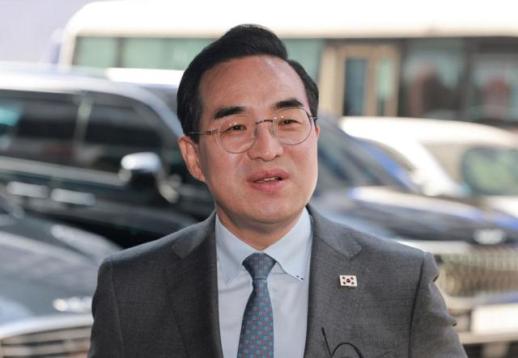 New nominees tapped to lead Budget and Oceans ministries SEOUL, March 2 - Nominees to fill two vacant ministerial posts were tapped as part of a minor cabinet reshuffle, Cheong Wa Dae said on Monday. In a press briefing in Seoul, Lee Kyu-yeon, the presidential senior secretary for public relations and communications, said that President Lee Jae Myung, currently on a trip to Singapore and the Philippines, has named veteran lawmaker Park Hong-keun and senior official Hwang Jong-woo to head the Ministry of Planning and Budget and the Ministry of Oceans and Fisheries, respectively. The secretary said Park, a four-term lawmaker who previously served as the ruling Democratic Party (DP)'s floor leader and held other key positions helping to draw up the blueprint for the administration and other state affairs, is "the right person" to lead the inaugural ministerial post. If Park is appointed after a confirmation hearing at the National Assembly, he will become the first budget minister to fill the post that has remained vacant since the previous nominee Lee Hye-hoon, a former lawmaker of the conservative People Power Party (PPP). She was tapped by the president in a surprise move late last year but was forced to resign about a month later amid allegations including tantrums toward subordinates, anger management issues, and suspicious real estate dealings. As for Hwang, the secretary said the senior official, who previously held major posts at the Oceans Ministry and hails from Busan, would be well-suited to push ahead with the country's ambitious project to expand its Arctic shipping routes. Once appointed, he will replace former Oceans Minister Jeon Jae-soo, who stepped down in December last year amid allegations of accepting bribes from the powerful religious sect Unification Church, also known as the Moonies. 2026-03-02 17:27:09
 -
 Kang Chan-hee Joins Comedy Film 'Method Acting,' Set for March Release Actor Kang Chan-hee has joined the film ‘Method Acting,’ which is set to open in March. The comedy centers on Lee Dong-hwi, a performer known for being funny who no longer wants to do comedy. Seeking recognition for sincere acting, he becomes overly immersed in a role, setting off a chain of events. Kang plays Jung Tae-min, a top star who sweeps three awards at a year-end ceremony. Jung publicly asks Lee — a senior actor he worked with as a rookie — to co-star in his next project. But Jung is also portrayed as harboring resentment over past treatment by Lee. Kang is expected to depict the character’s dual nature, smiling professionally for the camera while engaging in a tense standoff offscreen. Kang has appeared across film and television, including the dramas ‘Under the Queen’s Umbrella,’ ‘Imitation’ and ‘SKY Castle,’ and the films ‘White Day: A Labyrinth Named School’ and ‘SSUL.’ Last year, he appeared in the TVING original series ‘The Scandal of Chunhwa’ and the film ‘Ghosts,’ which the report said showed a broader acting range. ‘Method Acting’ is scheduled to hit theaters March 18.* This article has been translated by AI. 2026-03-02 17:15:17
 -
 Korean Industry, Banks Brace for Prolonged Middle East Turmoil After Strait of Hormuz Closure The U.S. and Israeli attacks on Iran are raising the risk of prolonged turmoil in the Middle East, putting South Korean industry on alert. With the Strait of Hormuz now blocked, disruptions to supplies of crude oil and liquefied natural gas, as well as air and sea logistics, have become more likely. A prolonged conflict could also weigh on exporters that have been posting a string of trade surpluses. Major companies including Samsung, LG and Hanwha have activated emergency response systems and are tightening safety management for employees in the region. According to the U.K. Maritime Trade Operations and foreign media reports, the Islamic Revolutionary Guard Corps on Monday blocked the Strait of Hormuz, which handles about 20% of global seaborne oil shipments. Near the strait, at least four vessels, including the Palau-flagged tanker Skylight, were attacked, and one crew member was killed. The government said it has not identified any damage so far to South Korean oil tankers or LNG carriers. South Korea imports 70.7% of its crude oil and 20.4% of its LNG from the Middle East, and more than 95% of those shipments pass through the strait. The Korea International Trade Association estimates that using alternative routes could raise ocean freight rates by as much as 50% to 80% and extend transit times by three to five days. It also said insurance premiums for exporters could rise by up to sevenfold, adding to inflationary pressure. If instability persists, exports of defense products, automobiles and semiconductors could weaken, and multiple Middle East projects pursued by Samsung, Hyundai Motor and Hanwha could be suspended. Hanwha’s construction unit said it is closely monitoring the situation, along with the South Korean Embassy in Iraq and Iraqi military and police, in connection with its Bismayah new city project in Iraq. A surge in global oil prices could also raise costs for petrochemicals, airlines and shipping, potentially hurting first-quarter results. An industry official said the Middle East is a key market for defense and construction orders, and warned that if the region becomes a powder keg, ongoing production and consumption, investment and research and development could face setbacks. The official said companies are watching closely for an export slowdown and the possibility of weaker global consumption if the war drags on. The financial sector, which supports companies, has also moved into emergency mode. All seven branches operated by the four major banks — KB Kookmin, Shinhan, Hana and Woori — in the Middle East are within the impact zone of the Israel-Iran war. Financial holding groups said there has been no direct damage so far, but warned that additional losses could be unavoidable if the conflict becomes prolonged, as in the Russia-Ukraine war. KB Financial Group, led by Chairman Yang Jong-hee, is checking exchange rates, interest rates and oil prices in real time. Shinhan Financial Group convened its group crisis management council to review its response system amid rising volatility in financial indicators. Hana Bank set up a rapid response team for the Iran situation. Woori Financial Group ordered an urgent review across affiliates, including stronger monitoring of financial markets and steps to ensure the safety of employees working overseas. If a prolonged war weakens the broader Middle East economy, cash flow at South Korean companies operating there could also deteriorate. Banks are also concerned that if exporters face disruptions, delinquency rates could rise. The average delinquency rate on small and midsize business loans at the four major banks in the fourth quarter of last year was 0.45%, already the highest level in nine years. The four banks said they will provide 42 trillion won in management-stabilization funding, interest-rate reductions and deferred installment repayments for companies struggling due to Middle East risks. 2026-03-02 16:21:22
 -
 South Korea, Singapore agree to upgrade free trade deal SEOUL, March 2 (AJP) - The leaders of South Korea and Singapore agreed on Monday to begin negotiations to upgrade their free trade agreement, as part of efforts to strengthen cooperation between the two countries. The agreement was reached as South Korean President Lee Jae Myung, who arrived in Singapore the previous day, sat down for talks with Prime Minister Lawrence Wong for the first time in several months since they last met in Seoul in November. In a joint press statement after the summit, the two leaders said both sides discussed upgrading their decades‑long bilateral FTA, which has been in effect since 2006, to "fully reflect evolving trade and economic security environments." The statement highlighted that the two countries had demonstrated resilience by turning limited resources and geopolitical challenges into a foundation for growth, becoming "model middle powers." The two leaders also affirmed that the two countries can serve as "reliable partners" as they navigate "another challenge" in what they described as an era of uncertainty in the early 21st century. They also signed a series of memorandums of understanding to enhance cooperation in the science and technology sectors, including artificial intelligence (AI)-related technologies, intellectual property measures, joint use of environmental satellites, and other areas. Lee said South Korea could also learn from Singapore's housing policies and the integrity of its civil service and also expressed interest in expanding cooperation in future-oriented advanced fields. He also said he would work closely with Singapore to implement the vision of the Comprehensive Strategic Partnership (CSP), established in October 2024 as a regional development initiative, as Singapore prepares to assume the rotating chair of the Association of Southeast Asian Nations (ASEAN) next year. Lee also recalled that Singapore played a key part eight years ago by hosting the historic summit between the U.S. and North Korea in 2018, calling on Singapore to continue supporting peace and stability on the Korean Peninsula through a constructive role. Later in the day, Lee is scheduled to attend a joint business forum with entrepreneurs and business leaders from both countries in AI-related sectors, before heading to his next itinerary in the Philippines on Wednesday. 2026-03-02 16:13:54