

Journalist

CGTN
-
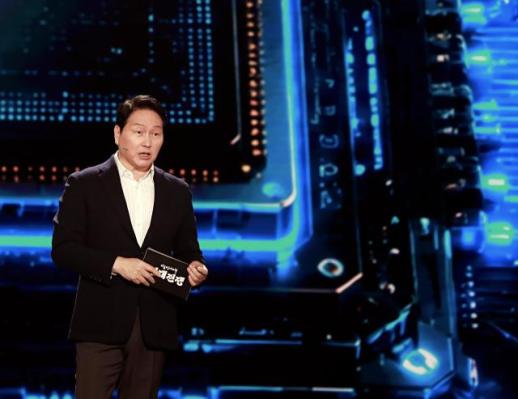 SK Group Chairman Chey Tae-won Calls for Generalists in the AI Era Chey Tae-won, Chairman of SK Group and the Korea Chamber of Commerce and Industry, emphasized the need for generalist-type talent in the AI era during a recent special lecture. In an appearance on KBS1TV's Documentary Insight – Talent Wars 2: Chey Tae-won's Response, which aired on May 28, Chey stated, "We are moving beyond the era of 'reasoning AI,' where machines provide answers to human questions, and are entering a period of 'agentic AI,' where machines will make decisions and take actions independently." He noted that the gap in capabilities between those who actively utilize AI and those who do not could widen significantly. "Both individuals and organizations will face increasing polarization based on how quickly and effectively they can leverage AI," he explained. Chey predicted that in the AI era, the importance of generalist-type talent, who can understand and integrate various fields, will surpass that of specialists with expertise in specific areas. He added, "As AI takes over many tasks, the possibility of multi-job roles will increase, leading to a gradual shift away from the traditional '9 to 6' work model and rigid job definitions." Chey stressed that individuals must develop new competencies to align with the evolving definition of talent in the AI era. He identified four key competencies as essential for competitiveness: 'thinking muscle,' 'adaptation muscle,' 'empathy muscle,' and 'body skill.' He also highlighted the need for changes in the education system to foster these competencies. "Schools should transform from mere knowledge transmission spaces to platforms where students can experiment and experience coexistence with AI," he said. Chey proposed a national strategy to enhance AI competitiveness, outlining three core conditions for South Korea to become a competitive AI nation: speed, scale, and safety. He emphasized the need to accelerate technological advancements, expand large-scale AI infrastructure and investments, and establish a societal and institutional framework that allows citizens to safely utilize AI. Finally, Chey remarked, "AI talent does not solely refer to engineering students. Education and social systems must rapidly adapt to enable future generations to naturally utilize and coexist with AI." Industry insiders interpret Chey's remarks as a message that goes beyond mere discussions of AI technology, hinting at potential changes in corporate culture and recruitment practices. As industries such as manufacturing, semiconductors, and energy accelerate their AI transitions, competition for 'convergent talent' is expected to intensify.* This article has been translated by AI. 2026-05-29 09:48:00
 -
 Jensen Huang Visits South Korea, Ushering in the Era of Physical AI The 19th-century industrial revolution produced steel magnate Andrew Carnegie, while the 20th-century automotive revolution gave rise to Ford and Toyota. The internet revolution birthed Bill Gates and Steve Jobs. Today, the world stands at the forefront of yet another industrial revolution, with Jensen Huang, CEO of NVIDIA, at its center. On the 29th, an intriguing scene unfolded in the South Korean stock market. As rumors circulated about Huang's visit to meet with Koo Kwang-mo, chairman of LG Group, LG Electronics' stock surged. No contracts have been signed, nor have specific business plans been announced; the mere prospect of the meeting was enough to move the market. This may sound exaggerated, but it reflects the reality of the AI era. Today, NVIDIA is more than just a semiconductor company. It serves as the power grid and operating system of the AI era, essentially forming the backbone of the digital economy. Major companies like Microsoft, Google, Meta, and Amazon, along with countless AI firms worldwide, rely on NVIDIA chips. If NVIDIA is the engine driving the AI vehicle, Huang is its designer. Thus, Huang's visit to South Korea signifies more than just a corporate visit; it represents a pivotal moment in determining whether Korea will remain a supplier in the AI era or emerge as a key player in shaping a new industrial order. Beyond HBM to Physical AI For the past two years, the relationship between South Korea and NVIDIA can be summed up in one term: HBM (High Bandwidth Memory). SK Hynix has emerged as the biggest beneficiary in the AI semiconductor market, while Samsung Electronics is fiercely competing to enter NVIDIA's supply chain. The buzz surrounding the meeting between Chey Tae-won and Huang was ultimately driven by HBM. However, this time, the conversation is different. The business community is paying close attention because the key topic of this meeting is not merely memory supply but rather Physical AI. Physical AI represents the next stage of generative AI. While ChatGPT generates text and images, Physical AI refers to AI that interacts with the real world. It envisions a future where cars make autonomous decisions, robots move objects, and factories optimize production independently. Huang has repeatedly emphasized this year that "the next wave of AI is Physical AI." In fact, NVIDIA is making substantial investments in robotics, autonomous driving, digital twins, and smart factories. This is where South Korea's competitive edge becomes evident. Hyundai Motor owns Boston Dynamics, a company with world-class humanoid robot technology. LG possesses expertise in home appliances, robotics, smart factories, and industrial automation systems. Naver has capabilities in digital twin and AI platform technology. SK controls AI semiconductors and data center infrastructure. In other words, South Korea is one of the few countries that possesses both the brain of AI—semiconductors—and the body of AI—manufacturing. While the U.S. excels in AI software, South Korea has a robust industrial foundation that moves the real world. This is likely why Huang is visiting Seoul. The Real Competitor is China, Not the U.S. One misconception to discard when considering this meeting is that meeting Huang guarantees success. Corporate history is filled with glamorous meetings, but not all have led to fruitful outcomes. What matters is not who you meet, but what you create. Recently, the movements of Chinese AI companies have been significant. Companies like DeepMind have begun offering AI services at one-tenth the price of their American counterparts. While performance may lag slightly, their price competitiveness is overwhelming. History shows that the best technology does not always win. There were companies that made better PCs than IBM and better mobile phones than Nokia. However, the market ultimately sided with the companies that dominated the ecosystem. The same applies to the AI competition. If the U.S. pursues top performance, China is pushing forward with a low-cost strategy. Where should South Korea position itself? The answer is clear. It should become a powerhouse in Physical AI that combines semiconductors and manufacturing. South Korea manufactures cars, ships, and robots. It also possesses world-class semiconductors and batteries. As AI begins to move into the real world, South Korea's strengths can only grow. Winners in the AI Era are Companies that Change Reality Looking back at history, industrial revolutions have always been won by technologies that changed reality. The steam engine transformed factories, electricity changed cities, and the internet altered human communication. AI is no different. The era of people being astonished by ChatGPT's responses may pass more quickly than expected. True change begins when AI enters factories, cars, hospitals, and warehouses. At that moment, AI becomes not just a technology but an industry. Huang's visit to South Korea symbolizes this turning point. For Chey Tae-won, it is an opportunity to contemplate the future beyond AI semiconductors. For Chung Eui-sun, it is a chance to design the future of robotics and mobility. For Koo Kwang-mo, it is an opportunity to connect LG's manufacturing competitiveness with AI. For Lee Hae-jin, it is a stage to explore new possibilities for software and platforms. Of course, expectations may currently outpace reality. Even if the meeting materializes, it does not guarantee immediate contracts worth trillions of won. However, one fact is clear. The weight of global industry is shifting toward AI. And the focus of AI is moving from generative AI to Physical AI. This meeting is not just a meal between business leaders. It symbolizes the direction of South Korea's manufacturing and AI industries. Winners in the AI era will not be those who possess technology. They will be the companies that connect technology to reality. This is why Huang's trip to Seoul is significant. South Korean companies now stand at a crossroads: will they be mere spectators in the AI era, or will they become architects of a new industrial revolution? Industrial revolutions have always favored the prepared. This time will be no exception.* This article has been translated by AI. 2026-05-29 09:46:00
 -
 Lee Jae-Yong Casts Ballot on First Day of Early Voting for Local Elections Lee Jae-Yong, Chairman of Samsung Electronics, voted on the morning of May 29, 2026, at an early voting station set up at the Hannam-dong Community Center in Yongsan-gu, Seoul, marking the first day of early voting for the 9th nationwide local elections. Early voting is being conducted nationwide at 3,571 polling stations from May 29 to May 30, from 6 a.m. to 6 p.m. 2026-05-29 09:44:00
 -
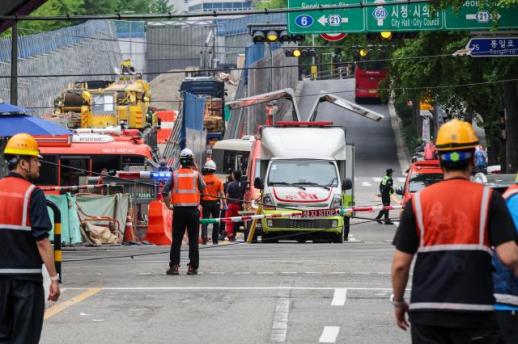 Cleanup work begins after overpass collapse in Seoul SEOUL, May 29 (AJP) - The removal of remaining structures and debris from an overpass in Seosomun, western Seoul began on Friday after a partial collapse during demolition earlier this week, according to the Seoul Metropolitan Government. City officials said the operation would take more than a day including safety reinforcement, dismantling and cleanup work. Should the work proceed as planned, it is expected to be completed by early Saturday morning, allowing train services underneath to resume after test operations. Roads near the construction site will remain fully closed until the afternoon so workers can quickly remove unstable structures, ensuring public safety and resuming normal traffic and train services. The aging overpass had been under demolition since last summer, with plans to be fully demolished by early next month, but work was halted on Tuesday after part of the structure became unstable. Several hours later, a section of the overpass collapsed during a safety inspection, leaving three workers dead and three others injured. The collapse disrupted train services linking Seoul to Paju and other northern areas of Gyeonggi Province, as the affected section was located above railway tracks. According to state-run rail operator KORAIL, train services are currently operating at about 80 percent of normal levels. Meanwhile, police earlier in the morning raided multiple locations including the offices of the city government and main contractors and subcontractors to gather evidence, determine the cause of the collapse, and identify those responsible. 2026-05-29 09:40:51
 -
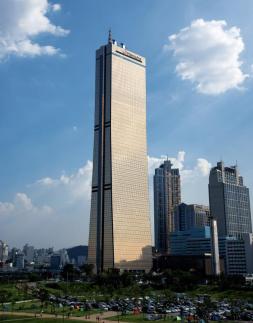 Hanwha Insurance Subsidiaries Upgraded to 'A+' by S&P Amid Improved Profitability and Stability Hanwha Group's insurance subsidiaries have achieved a top-tier global credit rating. On May 29, financial sources reported that Standard & Poor's (S&P), one of the world's three major credit rating agencies, upgraded the credit ratings of Hanwha Life and Hanwha General Insurance from 'A' to 'A+'. The rating outlook is classified as 'Stable.' In its report, S&P stated, "Hanwha Life is expected to maintain a solid market position in the domestic market based on a stable business foundation and a broad sales network that includes Hanwha Life Financial Services. The company's sales strategy, centered on profitable protection insurance, is projected to enhance future profitability, as indicated by the insurance contract margin (CSM) showing growth potential." S&P further noted, "The growth of premiums is ongoing, and the investment portfolio, primarily consisting of high-quality long-term bonds, is expected to remain stable. Profits generated by overseas subsidiaries in Indonesia and Vietnam accounted for approximately 19% of Hanwha Life's consolidated net income as of 2025, supporting its profitability." A representative from Hanwha Life commented, "This recognition reflects the competitiveness of our core insurance business and the successful diversification strategy through global expansion and subsidiaries, which is translating into tangible profits. We will continue to strengthen our growth foundation based on stable financial health to enhance corporate value." The upgrade for Hanwha General Insurance is attributed to the strengthened capital adequacy and stable profit generation capabilities across the Hanwha Financial Group. The strategic importance of achieving service synergies between life and non-life insurance has also been acknowledged. A representative from Hanwha General Insurance stated, "Receiving the 'A+' rating officially recognizes our solid financial structure and profit-generating capacity on the global stage. We will strive to become a trusted insurance company for our customers through stable capital management."* This article has been translated by AI. 2026-05-29 09:36:00
 -
 Jung Dong-won's Agency Vows Legal Action Against Rumors Jung Dong-won's agency has announced a strong response to various rumors surrounding the singer. On May 29, Showplay Entertainment stated, "We have taken actions such as warnings and requests for the removal of posts regarding malicious slander, defamation, the spread of false information, and the dissemination of baseless rumors targeting Jung Dong-won." The agency added, "Recently, actions have escalated beyond simple malicious postings, with individuals posing as fans to spread completely unfounded information or distort and exaggerate specific situations to create negative public sentiment. These actions have also incited conflicts within the fandom and have caused harm to our partner companies, continuously obstructing the artist's activities." They further noted, "While these actions may outwardly resemble typical fan activities, they are actually damaging the artist's image and creating confusion within the fandom, which we are taking very seriously." Finally, the agency emphasized, "We prioritize the protection of the artist's rights and will continue to pursue strong legal action against the dissemination of false information, defamation, malicious slander, and the creation and spread of rumors, as well as actions impersonating fans or inciting conflicts within the fandom, without any leniency or settlement." Meanwhile, Jung Dong-won enlisted in the Marine Corps in February.* This article has been translated by AI. 2026-05-29 09:36:00
 -
 U.S. PCE Index Rises 3.8%, Signaling Renewed Global Inflation U.S. inflation has risen again. The Bureau of Economic Analysis (BEA) reported that the Personal Consumption Expenditures (PCE) price index increased by 3.8% in April compared to the same month last year, marking the highest rate of increase since May 2023. Excluding energy and food, the core PCE also rose by 3.3%, indicating persistent inflationary pressures. The PCE is a key price indicator that the Federal Reserve considers when making monetary policy decisions. Market attention is focused more on the trend than the numbers themselves. Until last year, there were growing expectations that inflation would gradually ease and the Fed would begin cutting interest rates. However, the April data suggests that those expectations may have been premature. The conflict between the U.S. and Iran, rising energy prices from the Middle East, tariff burdens, and the costs of supply chain restructuring have pushed the U.S. economy back into a prolonged period of high inflation and high interest rates. The immediate cause of the price increase is energy prices. Concerns over the Iran conflict and the blockade of the Strait of Hormuz have driven up oil prices, with April energy price increases leading the PCE rise. Reports indicate that gasoline and other energy product prices rose by 5.5% compared to the previous month. Energy is not just a simple consumer item; it acts as the economic blood pressure, pushing up logistics costs, manufacturing expenses, and service prices. However, the issue cannot be solely attributed to the war. The U.S. economy was already facing structural inflationary pressures. Tariff policies have increased import price burdens, while the AI investment boom is simultaneously stimulating demand for electricity, data centers, semiconductors, and construction. The shift from a China-centric supply chain to reshoring and friend-shoring is also raising costs. The era of low-price globalization is ending, giving way to a more expensive security-oriented economic order. Wall Street's anxiety stems from this situation. The market once viewed a Fed interest rate cut as a foregone conclusion. However, as inflation has risen back into the high 3% range, expectations for rate cuts have significantly diminished. Some economists are suggesting that the Fed may maintain the current benchmark interest rate of 3.50% to 3.75% for an extended period. U.S. interest rates set the benchmark for the global economy. If U.S. rates remain high, the dollar strengthens, putting pressure on emerging market currencies and capital markets. South Korea is no exception. A delay in U.S. rate cuts will limit the Bank of Korea's monetary policy options. A high exchange rate will push up import prices, directly impacting the cost of living in South Korea, which heavily relies on energy and raw materials. Particularly, South Korea faces significant household and self-employed debt burdens. Prolonged high interest rates will reduce consumer spending capacity and increase financial pressures on the real estate market and small businesses. While a weaker won may benefit some exporters, the overall population will face rising import prices and living costs. The resurgence of global inflation will inevitably burden the South Korean economy. History shows the high cost of underestimating inflation. After the oil shocks of the 1970s, the U.S. experienced stagflation, where inflation and recession occurred simultaneously. While it cannot be definitively stated that the current situation mirrors that era, it is clear that energy shocks and geopolitical risks can stimulate inflation expectations, warranting vigilance. South Korea has clear steps to take. First, it should not rely solely on expectations of interest rate cuts. Second, it must review its energy import structure and stockpiling systems. Third, it needs to provide targeted support to vulnerable groups to alleviate price burdens without compromising fiscal health. Fourth, enhancing productivity in AI, semiconductors, and manufacturing is essential to build resilience against a high-cost economy. The 3.8% rise in the U.S. PCE is not just a foreign price indicator; it serves as a warning that the global economy is once again facing the shadow of inflation. What is needed now is neither hasty optimism nor excessive fear, but rather calm judgment and proactive preparation. This is the fundamental and sensible approach to navigating the newly reignited era of global inflation.* This article has been translated by AI. 2026-05-29 09:34:00
 -
 KOSPI Opens Strong, Surging Over 2% on Optimism and AI Rally The KOSPI opened higher on May 29, buoyed by easing geopolitical risks in the Middle East and a rally in artificial intelligence (AI) stocks. As of 9:07 a.m. KST, the KOSPI had risen 204.53 points (2.50%) to 8,389.82, after starting the day at 8,384.31, up 199.02 points (2.43%).U.S. markets closed higher overnight, with the S&P 500 and Nasdaq Composite both reaching record highs, gaining 0.58% and 0.91%, respectively, on May 28. The Dow Jones Industrial Average also rose by 0.05%.The market's upward momentum was fueled by optimism surrounding the easing of tensions in the Middle East. Reports indicated that the U.S. and Iran were finalizing a memorandum of understanding (MOU) to end hostilities, pending final approval from President Donald Trump, which improved investor sentiment.Additionally, AI stocks continued to perform well. Snowflake, a cloud data company, saw its shares soar by 36.48% after raising its annual revenue forecast and announcing a long-term contract with Amazon Web Services (AWS). This surge also lifted major semiconductor stocks, with Nvidia rising 0.78% and AMD climbing 4.55%. The Philadelphia Semiconductor Index increased by 1%.In terms of trading activity, both retail and institutional investors were net buyers, purchasing 627.9 billion won and 398.4 billion won, respectively, while foreign investors sold off 1.068 trillion won.Among the top market cap stocks, most showed gains except for LG Energy Solution, which fell by 0.90%. Samsung Electronics rose by 5.51%, SK Hynix by 2.97%, SK Square by 1.21%, Hyundai Motor by 6.06%, Samsung Electro-Mechanics by 5.62%, HD Hyundai Heavy Industries by 1.14%, Samsung Life Insurance by 1.26%, and Samsung C&T by 3.50%.Conversely, the KOSDAQ index turned negative, showing a decline of 12.07 points (1.09%) to 1,092.29. It had initially opened at 1,112.15, up 7.79 points (0.71%), but reversed course due to selling pressure from foreign and institutional investors.In the KOSDAQ market, retail investors were net buyers of 124.6 billion won, while foreign and institutional investors sold 120.3 billion won and 4.1 billion won, respectively.Among the top KOSDAQ stocks, EcoPro BM fell by 3.20%, EcoPro by 3.73%, Kolon TissueGene by 3.28%, Rino Technology by 0.81%, Peptron by 3.28%, and HLB by 1.09%. In contrast, Alteogen rose by 0.68%, Rainbow Robotics by 1.14%, Jusung Engineering by 5.53%, and Samchundang Pharm by 6.07%.Han Ji-young, a researcher at Kiwoom Securities, noted, "Today’s domestic market is expected to rebound due to renewed optimism over U.S.-Iran negotiations, a strong performance in KOSPI 200 night futures, and the impact of Dell's surge in after-hours trading, which is providing recovery momentum to sectors that had previously seen significant declines. The previous day's geopolitical uncertainties and the emergence of dissenting opinions regarding interest rate hikes by the Bank of Korea have also contributed to market volatility."* This article has been translated by AI. 2026-05-29 09:26:00
 -
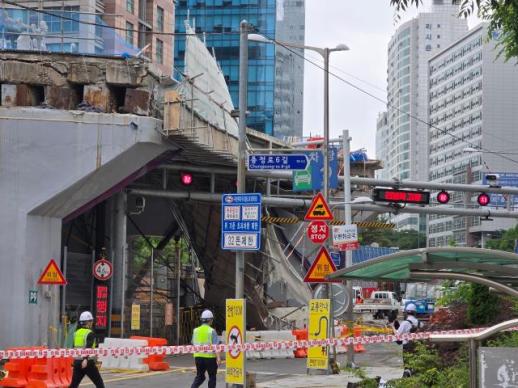 Labor Department Launches Investigation into Collapse at Seosomun Overpass Construction Site Authorities have launched a forced investigation into the collapse at the Seosomun overpass construction site in Seodaemun-gu, Seoul. The Ministry of Employment and Labor's Southern Seoul Office announced on May 29 that it is conducting a joint search with the Seoul Metropolitan Police Agency at the headquarters of the construction company, Heung-Hwa Construction, related to the incident. About 40 personnel, including labor inspectors and police, are involved in the search. Investigators aim to secure relevant documents, such as structural design plans and safety management plans, to determine whether the demolition work adhered to design standards and if appropriate safety measures were implemented to mitigate collapse risks. On May 26, a structure collapsed at the Seosomun overpass demolition site, resulting in the deaths of three men: one in his sixties and two in their fifties. Three others were injured in the incident. The Ministry plans to investigate the entire safety management system on-site, including the process of issuing work orders and the actual work methods employed. It will focus on identifying the causes of the fatalities. Following the accident, the Ministry established a dedicated investigation team of 15 members, primarily consisting of labor inspectors, to begin the inquiry. If the investigation reveals violations of the Industrial Safety and Health Act or the Serious Accident Punishment Act, the Ministry intends to hold responsible parties legally accountable. A Ministry official stated, "Based on the materials secured through the search, we will closely examine the circumstances of the accident and the implementation of safety measures. We plan to actively utilize forced investigations, including searches and arrests, in cases where there are significant casualties or where basic safety protocols were not followed."* This article has been translated by AI. 2026-05-29 09:26:00
 -
 SK Telecom to Launch Integrated 4G and 5G Plans in July SK Telecom (SKT) is set to launch a new pricing plan that integrates its 5G and LTE services, completely overhauling its pricing structure to ensure basic communication even after data is depleted. Starting in July, SKT will implement a phased update to its pricing system, which includes the launch of a 5G and LTE integrated plan, automatic application of age-based benefits, and free data assurance for all citizens, the company announced on May 29. The new plan, named 'Best Light,' will be available on July 2 and is designed to eliminate distinctions between network generations. It will consist of five unlimited data options ('Best') priced between 89,000 and 129,000 won per month, and 11 tiered data options ('Light') offering between 6GB and 250GB, priced from 39,000 to 79,000 won per month. Users of existing 5G devices will no longer be restricted to LTE networks when using LTE plans; they will have the flexibility to utilize both 5G and LTE networks as long as their devices support them. The existing ten pricing plans will also be consolidated into the new integrated plan, starting from the 20,000 won range. The method of applying benefits will also be simplified. Previously, customers had to enroll in separate age-specific plans to receive additional benefits, but now, customers who sign up for 'Best Light' will automatically receive age-based perks. For instance, upon reaching the age of 65, customers will receive an automatic 1.5GB data boost, and youth and student customers will get 50% discount coupons for coffee, movies, and roaming services. Additionally, subscribers to 'Best Pro' and higher plans will gain access to generative AI subscription benefits. Beginning July 1, SKT will also offer a 'Data Assurance Option (QoS)' for 107 LTE plans at no extra charge. This service allows customers to continue using communication services at speeds of up to 400kbps even after their basic data has been exhausted. Customers can opt out of this service through T World, authorized dealers, or by calling 114 if they prefer not to use it. The bundled plans will also be revamped starting July 1. The 'Recent Family Bundle' will remove the requirement for one line each of mobile and internet services, allowing customers to join by bundling only mobile lines, thereby lowering the entry barrier. Enrollment will also be available through non-face-to-face methods. Yoon Jae-woong, head of SKT's Product and Brand Division, stated, "We hope this pricing system overhaul will allow customers to use communication services more easily and comfortably. We will continue to enhance and improve our service system for customer convenience in the future." Meanwhile, LG Uplus announced on May 28 that it will launch its own integrated 5G and LTE pricing plan starting July 1, simplifying its pricing structure from 53 plans down to 18.* This article has been translated by AI. 2026-05-29 09:24:00