

Journalist

Jinkyu, Myung
-
 Kookmin University selected to lead state-funded artificial intelligence material research hub SEOUL, May 29 (AJP) - A research team from South Korea's Kookmin University has been selected to lead a state-funded research hub focused on developing artificial intelligence-based materials for next-generation displays, the prominent University said Thursday. The initiative is part of the 2026 Nano and Material Development Project Material HUB, organized by the Ministry of Science and ICT (MSIT) and supported by the National Research Foundation of Korea (NRF). Under the direction of principal investigator Professor Kim Young-hoon, the university will collaborate with the Korea Institute of Industrial Technology (KITECH), Daegu Gyeongbuk Institute of Science and Technology (DGIST), Chungbuk National University (CBNU), Sungkyunkwan University (SKKU) and the Korea Photonics Technology Institute (KOPTI). The project focuses on building a metal-halide color conversion material data hub and developing intelligent design technologies for materials and manufacturing processes. The research team will use an artificial intelligence closed-loop system and a high-throughput screening platform to reverse-engineer ultra-thin perovskite materials for augmented and virtual reality metaverse displays. By establishing a data-driven integration system, the researchers aim to optimize the synthesis of luminescent materials for high brightness and color purity while shortening the development time for new materials. The government-led Material HUB initiative uses data and artificial intelligence across the entire material research cycle, from exploratory design to performance implementation, to secure essential new materials early. The Kookmin University team, which includes professors Do Young-rag, Jung Jun-young, Jeon Ho-je and Cho Ki-sub, previously developed reverse-engineering technologies for high-efficiency perovskite materials and is currently expanding its focus to eco-friendly, lead-free alternatives. The team recently published related findings on chemical reaction predictions and next-generation displays in academic journals, including Nature, Advanced Materials and Nature Communications. 2026-05-29 14:48:31
 -
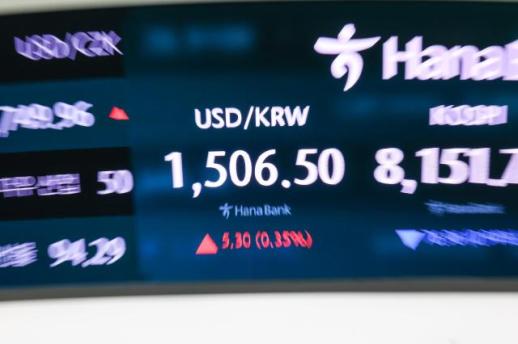 NPS delivers 4.4% return Q1 to outperform others on 22% return from Korean equities SEOUL, May 29 (AJP) — South Korea's National Pension Service (NPS) posted a solid 4.42 percent return in the first quarter thanks to stellar performance of local shares despite the outbreak of the U.S.-Iran war. NPS, one of the world's largest institutional investors with assets under management swelling to 1,526 trillion won ($1.14 trillion), said Friday its assets increased by 68 trillion won from the end of last year, with domestic stocks returning 21.67 percent and accounting for the bulk of investment gains. The performance report came less than 24 hours after the National Pension Fund Management Committee, chaired by Health and Welfare Minister Jeong Eun-kyeong, approved a new five-year asset allocation plan raising the target weighting of domestic equities to 20.8 percent from 14.9 percent. At Thursday's meeting, the Fund Management Committee also approved a temporary expansion on domestic-equity strategic asset allocation (SAA) tolerance band. The fund's local exposure is said to have neared 30 percent despite the cap based on the tolerance band. Although the upper and lower limits are not publicly disclosed, the hike of the official ceiling would ease the rebalancing pressure while the stock market remains on bullish run. At recent market highs, analysts estimated that as much as 177 trillion won worth of domestic equities could have faced rebalancing pressure under the previous allocation framework. "Recent domestic stock markets have continued their upward momentum, with the KOSPI closing above 8,000 for the first time," Jeong said at Thursday's meeting. "We will seek to enhance the fund's long-term profitability and stability while also taking into account its impact on financial markets." According to the NPS, domestic equities generated the strongest returns among major asset classes in the January-March period, rising 21.67 percent. Overseas stocks slipped 0.11 percent, while domestic bonds lost 2.03 percent. Overseas bonds gained 4.98 percent and alternative investments returned 5.27 percent. The fund said the outbreak of the U.S.-Iran conflict on Feb. 28 weakened investor sentiment and interrupted a powerful rally in semiconductor-related shares. Nevertheless, domestic equities maintained double-digit gains and remained the primary driver of overall portfolio performance. Overseas stocks were weighed down by growing uncertainty surrounding global markets, while rising oil prices and inflation concerns pushed bond yields higher, hurting domestic fixed-income holdings. Overseas bonds benefited from gains in the won-dollar exchange rate. NPS Chairman Kim Sung-joo said first-quarter returns had retreated from 10.26 percent recorded at the end of February as the Middle East conflict rattled financial markets, but have since recovered. "The fund has regained momentum and continues to deliver solid results," Kim said. "As a long-term investor responsible for the retirement security of the Korean people, we will maintain disciplined investment principles and rigorous risk management regardless of market conditions." The stronger-than-expected performance provides fresh context for Thursday's politically sensitive decision to increase the pension fund's domestic stock allocation. Under the 2027~2031 medium-term asset allocation plan approved by the committee, domestic equities will account for 20.8 percent of the portfolio, while overseas equities will represent 34.7 percent. Domestic bonds will make up 23.1 percent, overseas bonds 7.4 percent and alternative investments 14.0 percent. As of March, local stocks accounted for just over 21 percent of assets and generated more than one-fifth in returns during the quarter. 2026-05-29 14:45:00
 -
 Nota Shares Surge Over 19% Following Qualcomm AI Device Optimization Success Shares of Nota have surged over 19% during trading following news of successful optimization with Qualcomm's latest edge artificial intelligence (AI) device. As of 2:23 PM on May 29, Nota's stock was trading at 41,350 won, up 6,750 won (19.51%) from the previous trading day. At one point, shares reached as high as 43,900 won, marking an increase of over 26%. The surge in investor sentiment is attributed to Nota's announcement that it successfully optimized the operation of the vision-language model (VLA) 'SmolVLA 0.45B' on Qualcomm's latest edge AI device, the 'Dragonwing IQ-9075.' Nota explained that it applied optimizations focusing on the final stage of generating actual robot movements, which involves processing image recognition, language understanding, and behavior generation. To achieve this, the company implemented real-time inference optimization to reduce repetitive computations and graph optimization based on neural processing units (NPU). As a result of these optimizations, the processing time for the action head, which is responsible for generating robot movements, decreased by approximately 85.8%, from 218 milliseconds (ms) to 31 ms. The overall inference time was also reduced from 505 ms to 310 ms, while the success rate for tasks remained stable at around 85%, down from 86%. Nota specializes in AI lightweight solutions based on hardware-aware optimization technology. Its main businesses include the 'Nespresso Platform,' which automates the development process of on-device AI models, and the 'Nespresso Solution,' an edge AI-based video analysis solution. Last year, the company reported annual revenue of 13.1 billion won and an operating loss of 15.3 billion won. Kiwoom Securities researcher Kim Hak-jun projected that Nota's revenue for this year will reach 26 billion won, a 98.5% increase from the previous year, and noted that its vision AI business is expected to expand beyond shipyards to the Middle East. He added that the break-even point (BEP) for revenue is approximately 30 billion won.* This article has been translated by AI. 2026-05-29 14:44:00
 -
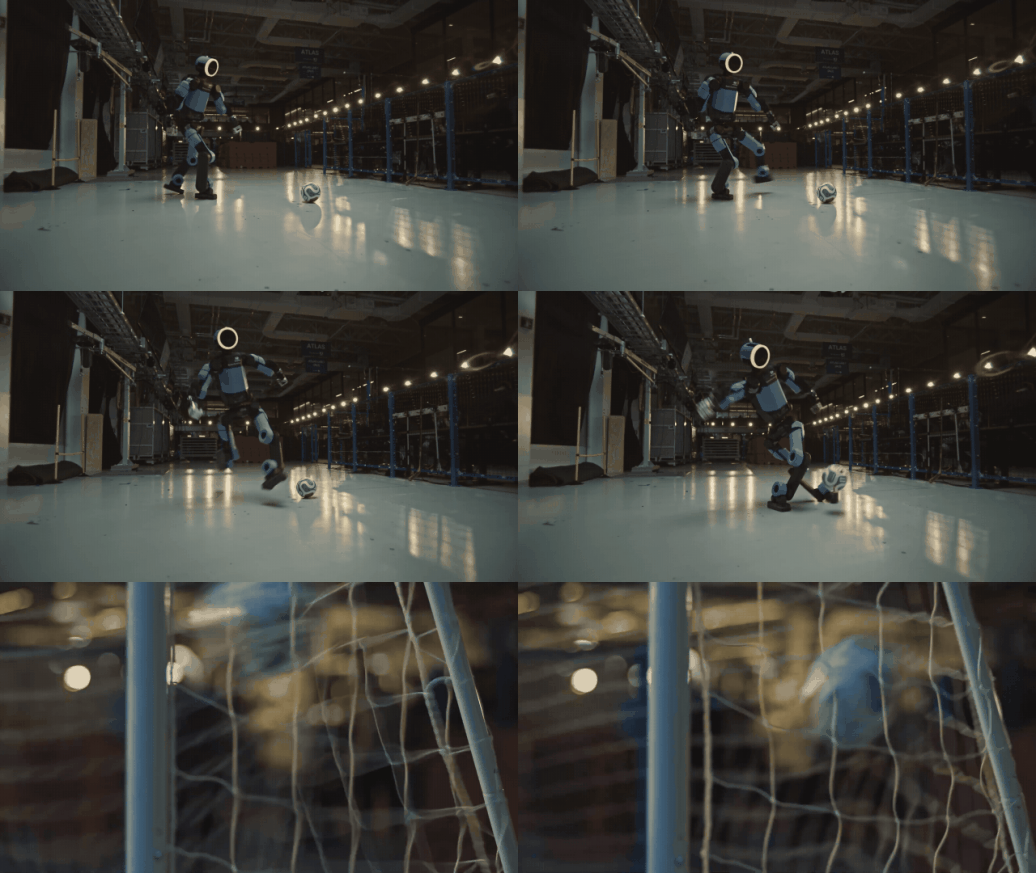 Hyundai robot Atlas masters rabona kick SEOUL, May 29 (AJP) - Hyundai Motor Group has unveiled a marketing campaign showcasing the football skills of Atlas, the humanoid robot developed by its U.S. robotics unit Boston Dynamics, in a fresh demonstration of the company's push into physical artificial intelligence. As a partner of the 2026 FIFA World Cup, to be co-hosted by the United States, Mexico and Canada, the automaker released a five-part "School of Football" series on its official YouTube channel, the company said Thursday. The films show Atlas dribbling, passing and shooting with apparent ease. In the clips, the robot pulls off a rabona — a flourish in which the kicking leg is wrapped behind the standing leg — and even lands a "ghost rabona," adding a feint to deceive a defender. To master the moves, Atlas modeled motion data from professional players and refined its technique through reinforcement learning. Hyundai said the campaign demonstrated its capabilities in AI-driven reinforcement learning, precise mimicry of human movement and hardware control. The launch film, three training videos, and its final reveal video released through Friday on the group’s YouTube channel drew a combined around 48,600 views in their first five days. "Through football, we have shown the world the future of robotics," said Jee Sung-won, head of Hyundai's brand marketing division, adding that the company plans to build varied brand experiences around mobility and robotics. The campaign comes as Hyundai Motor Group prepares to put Atlas to industrial work. The group has said it intends to deploy more than 25,000 of the robots across Hyundai and Kia plants, beginning with parts-sequencing tasks at its Metaplant America facility in Savannah, Georgia, from 2028, as part of a broader bet on humanoid automation. 2026-05-29 14:38:03
 -
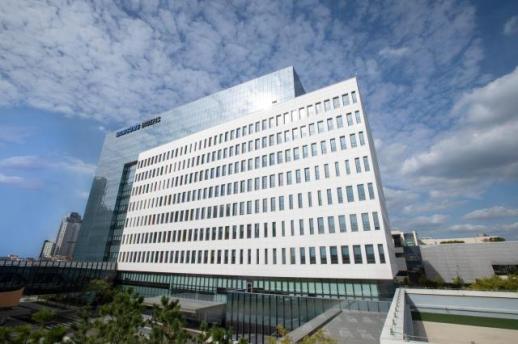 Samsung Epise Holdings Establishes R&D Center in China to Enhance Drug Development Samsung Epise Holdings announced on May 29 that it will establish a research and development (R&D) center in China to strengthen its drug development capabilities. The company has recently founded a wholly-owned subsidiary, Samsung Biologics China Co., Ltd., in the Changping District of Beijing, aimed at biopharmaceutical research and development. Samsung Epise Holdings, which launched as a bio-investment holding company in November 2022, has been pursuing various business strategies to enhance its future ventures. The establishment of this global R&D hub is part of its efforts to secure next-generation technology platforms, such as antibody-drug conjugates (ADCs), and to bolster its drug development capabilities. Changping District is recognized for its rich research and development infrastructure and human resources, being home to the Zhongguancun Life Science Park and in proximity to major universities like Peking University and Tsinghua University. The center is set to officially open in June and will operate with locally hired staff. Meanwhile, Samsung Bioepis plans to continue its drug development efforts through open innovation. In March, it initiated the global Phase 1 clinical trial for its first ADC candidate, SBE303. The second candidate, SBE313, which is being developed in collaboration with Frontline in China, is currently in the preclinical stage. Kim Kyung-ah, CEO of Samsung Epise Holdings, stated, "The establishment of the China R&D center is part of our strategy to enhance global research and development capabilities. We will leverage local talent and technological infrastructure to improve our next-generation biopharmaceutical development capabilities."* This article has been translated by AI. 2026-05-29 14:38:00
 -
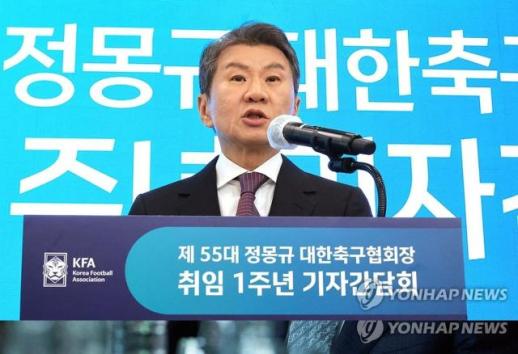 Chung Mong-kyu to Step Down as KFA President After 2026 World Cup Chung Mong-kyu, President of the Korea Football Association (KFA), announced he will resign following the 2026 FIFA World Cup in North and Central America. He has held the position since 2013, marking a 13-year tenure. According to a statement released on May 29, Chung expressed his intention to step down after the World Cup, stating, "I believe supporting the national team to achieve results in the finals is my final duty as president, and I will do my best to fulfill that." In his statement, Chung acknowledged the controversies and criticisms he faced during his time leading the KFA, saying, "I am well aware that there have been various controversies and criticisms while I have been in charge of the association. I believe all of this is due to my shortcomings." He added, "I sincerely hope that after this World Cup, everyone who loves football can come together to move forward toward the future with strength and wisdom." Chung also mentioned the upcoming World Cup, stating, "The national team, led by coach Hong Myung-bo, has been diligently preparing for the World Cup finals. I believe the team will perform well and achieve meaningful results in this tournament." In closing, Chung expressed gratitude to football supporters, sponsors, journalists, government officials, and fans for their encouragement and support during his tenure. He also thanked KFA staff and officials from regional associations for their collaborative efforts in advancing football. According to Yonhap News, the KFA explained that Chung's decision to resign was made to encourage overwhelming support and backing for the national team from football fans. The association noted that it is at a critical juncture where a responsible attitude is needed to establish and implement a long-term vision for the development of Korean football. Chung, who was re-elected for a fourth term with an 85.6% approval rating last February, plans to submit his resignation on July 19, following the conclusion of the World Cup. 2026-05-29 14:34:00
 -
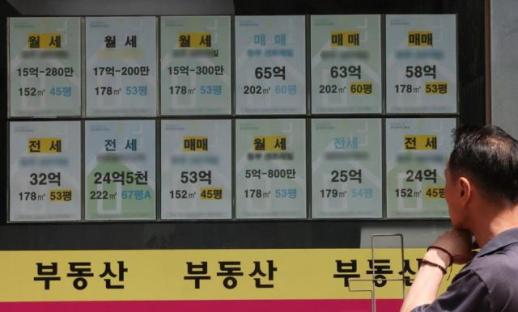 Foreign-owned homes in South Korea surpass 100,000, with Chinese accounting for most SEOUL, May 29 (AJP) - Foreign-owned housing in South Korea has surpassed 100,000 households, with Chinese nationals making up the largest share. According to data released Friday by the Ministry of Land, Infrastructure and Transport, foreigners owned about 108,231 housing units, accounting for 0.55 percent of the country's 19.65 million homes as of 2025. The number of foreign-owned homes rose 8 percent last year, down from 9.6 percent a year earlier, though it still remained high. By nationality, Chinese nationals owned 61,000 homes, the most among foreigners, followed by Americans with 23,000 and Canadians with 6,500. Others included Taiwanese with 3,400, Vietnamese with 2,000, Australians with 2,000, and Japanese with 1,600. By region, Gyeonggi Province had the most foreign-owned homes at 42,000, followed by Seoul with 25,000 and Incheon with 11,000, showing a heavy concentration in the metropolitan area, particularly near industrial complexes. The ministry attributed the rise to a rapid increase in the number of foreign residents, which grew from about 1.19 million in 2022 to 1.6 million by the end of last year. Meanwhile, the ministry vowed to tighten monitoring of transaction records. "We will continue to inspect real estate purchases by foreigners to crack down on any suspicious or illegal deals," a ministry official said. 2026-05-29 14:29:24
 -
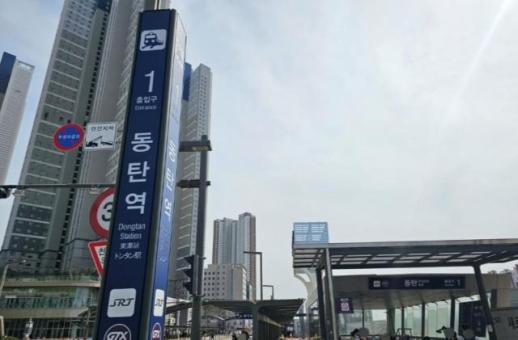 Surge in Jeonse Prices in Dongtan Reaches 0.7%, Causing Distress for Homebuyers in Southern Gyeonggi As the housing market in the metropolitan area remains stagnant, homebuyers are increasingly turning to the rental market, exacerbating the jeonse crisis in key areas of Southern Gyeonggi. Regions such as Dongtan in Hwaseong, Seongnam, and Gwangmyeong, which are experiencing significant job growth and improvements in transportation infrastructure, are showing signs of overheating, with weekly jeonse prices rising by as much as 0.7%. According to KB Real Estate's weekly housing market trends report released on May 29, jeonse prices in the metropolitan area increased by 0.15% compared to the previous week, maintaining a steady upward trend. However, in specific regions, the increases in Southern Gyeonggi significantly outpace the average. The highest increase was recorded in Dongtan District of Hwaseong, where weekly jeonse prices surged by 0.69%, marking the highest rate in the metropolitan area. Seongnam's Jungwon District followed with a 0.55% increase, while Gwangmyeong, benefiting from recent large-scale redevelopment projects and improved transportation networks, saw a 0.42% rise. Other areas, including Anyang's Dongan District (0.32%) and Suwon's Yeongtong District (0.30%), also exhibited strong performance, contributing to the overall rise in jeonse prices in Southern Gyeonggi. These figures are reflected in the Ministry of Land, Infrastructure and Transport's real transaction disclosure system. A notable example is the 'Dongtan Station Lotte Castle,' where a newly listed 102 square meter unit recorded a jeonse deposit of 980 million won on May 19, setting a new record. This deposit has increased by nearly 100 million won since the beginning of the year. Similarly, 'Dongtan The Lake Palace' recently secured a contract at a deposit of 620 million won, surpassing its previous high. The surge in jeonse prices is not limited to Dongtan. In Seongnam's Bundang District, a jeonse contract was signed for the 'Pangyo Alpharium 1 Complex' at a deposit of 1.75 billion won, an increase of 50 million won from the prior record. An agent from a brokerage in Baekhyeon-dong noted, "Tenants are expressing frustration as jeonse deposits have jumped by thousands of units within months, forcing them to consider moving to the outskirts." The rapid rise in jeonse prices in Southern Gyeonggi is attributed to multiple factors. The supply shortage in Seoul's housing market has directly impacted Gyeonggi Province. As of April this year, the number of new apartment units in Seoul has dropped to half of what it was a year ago. This supply crunch has led tenants in Seoul to seek housing in Southern Gyeonggi's eco-friendly new towns and residential districts, which offer better living conditions and lower risks of construction delays. Additionally, some investment demand has shifted to areas outside of regulated zones, further tightening the supply and driving up prices in the rental market. As tenants struggle to secure deposits, many are being pushed into the monthly rental market, leading to a phenomenon known as the "monthly rentification" of jeonse and a simultaneous spike in monthly rents. Particularly in the semiconductor belt of Southern Gyeonggi (including Yongin Giheung, Suwon Yeongtong, and Hwaseong Dongtan), demand for monthly rentals is rapidly increasing due to the stable housing needs of employees from large corporations. In fact, nearby officetels and small apartments in Dongtan are predominantly listed with deposits of 30 million won and monthly rents ranging from 1.2 million to 1.5 million won, with many prospective tenants waiting in line, according to local brokers. An agent from a brokerage near Dongtan Station stated, "If the rate of increase in jeonse prices continues to outpace that of sales prices for several months, tenants may feel pressured to buy a home instead. This could lead to a domino effect, pushing up sales prices in the housing market due to instability in the rental market in the second half of this year."* This article has been translated by AI. 2026-05-29 14:26:00
 -
 CEO of Major U.S. Oil Company Predicts Rising Oil Prices in June and July Mike Worth, CEO of the U.S. oil company Sevrun, has forecasted increased pressure on international oil prices in June and July. Although oil prices recently fell amid hopes for a U.S.-Iran agreement, Worth noted that diminishing market buffers, such as inventories and strategic petroleum reserves, could lead to supply disruptions affecting prices. In an interview with the Financial Times on May 28, Worth stated at a conference hosted by investment bank Bernstein, "The market's ability to absorb imbalances has significantly weakened compared to the early days of the war." He added, "As we enter June and especially into July, the pressure for price increases will become more pronounced." Recent oil prices have declined in response to the potential for a U.S.-Iran agreement. According to the Financial Times, Brent crude was trading at $93.71 per barrel on May 28. Over the past week, speculation that the two countries could end a three-month conflict has led to a drop of about 10%. However, Worth emphasized that actual supply disruptions have not been resolved. The Financial Times reported that due to the war in Iran, between 12 to 13 million barrels of oil are not being supplied to the global market daily. The Strait of Hormuz is a critical maritime route, accounting for about one-fifth of the world's oil trade. The factors that have previously limited sharp price increases include pre-war oil stockpiles, the release of strategic reserves, and the influx of sanctioned oil from Iran, Russia, and Venezuela. Worth remarked, "As these reserves and alternative supplies diminish, the market's capacity to withstand additional shocks is decreasing." He also noted that governments need to replenish their reserves in preparation for future shocks, which could create additional demand. However, he cautioned that if the war prolongs and oil prices rise further, economic slowdowns could reduce demand, potentially limiting the upward trend in prices.* This article has been translated by AI. 2026-05-29 14:24:00
 -
 Hyundai AutoEver Shares Surge 23% on Robotics and SDV Strategy Hopes Hyundai AutoEver's shares soared more than 23% during trading on expectations of benefiting from Hyundai Motor Group's robotics and software-defined vehicle (SDV) strategy, reaching a new 52-week high. According to the Korea Exchange, as of 2:14 PM, Hyundai AutoEver's stock was trading at 919,000 won, up 173,000 won (23.19%) from the previous day. The stock peaked at 953,000 won during the session, setting a new 52-week record. Analysts have identified Hyundai AutoEver as a key beneficiary of Hyundai Motor Group's robotics and SDV strategy, which has boosted investor sentiment. Lee Jae-il, an analyst at Eugene Investment & Securities, noted in a report that "if humanoid robots are deployed in smart factories, they will handle operations, maintenance, and monitoring tasks." He added that there is potential for the company to serve as a bridge connecting external clients with Boston Dynamics, indicating possibilities for expansion beyond its current affiliations. He further explained that "the expansion of Hyundai Motor Group's global production bases and the application of smart factory solutions will create more business opportunities," and that the full-scale implementation of SDV could significantly enhance revenue generation capabilities through the introduction of next-generation middleware and a per-vehicle charging model. Eugene Investment & Securities forecasts Hyundai AutoEver's revenue for this year to reach 4.7 trillion won, with an operating profit of 282.6 billion won. The analyst maintained a 'buy' rating on the stock and raised the target price from 700,000 won to 880,000 won, a 14% increase.* This article has been translated by AI. 2026-05-29 14:22:00