

Journalist

KI SU JEONG
-
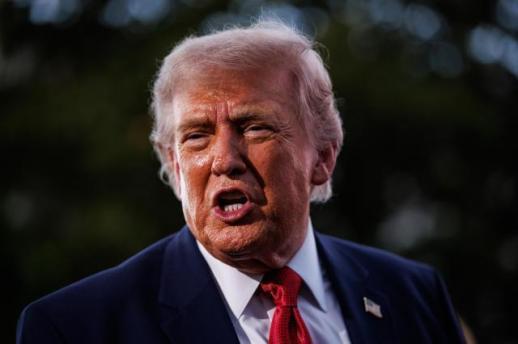 Trump Administration Considers Acquiring Stakes in AI Companies Like OpenAI The Trump administration is reportedly exploring the possibility of acquiring stakes in major artificial intelligence (AI) companies, including OpenAI. As these companies prepare for initial public offerings (IPOs), discussions are underway regarding how the government can share in the economic benefits of AI growth. On June 5, Reuters cited the U.S. internet outlet NOTUS, reporting that senior officials have engaged in preliminary discussions about the potential for government equity in key AI firms. The talks are still in the early stages, and Reuters noted it could not independently verify the report. The proposed structure involves AI companies voluntarily transferring shares to the government. Revenue generated from these shares would be used for public purposes or distributed to American households in the form of dividends. The Wall Street Journal also reported that U.S. officials are considering a plan for the federal government to hold stakes in major AI companies. This idea is said to have been proposed by OpenAI CEO Sam Altman to the administration last year and is currently under review. The discussions are taking place against the backdrop of AI companies moving toward public listings. OpenAI is preparing to submit confidential documents for an IPO, while Anthropic, the developer of Claude, has already filed confidential paperwork for a U.S. IPO. It remains uncertain whether the plan for government equity will materialize into actual policy. While there are advantages to channeling some of the profits from AI growth into the public sector, there are also concerns about the government assuming the volatility and business risks associated with specific tech companies.* This article has been translated by AI. 2026-06-05 13:18:00
 -
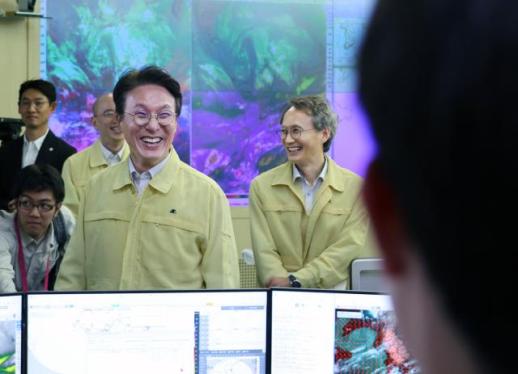 Prime Minister Kim Min-seok Calls for Investigation into Ballot Shortage Prime Minister Kim Min-seok addressed the shortage of ballots for the June 3 local elections on June 5, stating, "I have directed that all means, including investigations, be used to uncover the truth behind this situation, and those responsible will be held accountable."In a post on X (formerly Twitter), he described the ballot shortage as "an unacceptable incident and a serious challenge to K-Democracy."He emphasized, "If necessary, we must ensure thorough clarification and institutional improvements through a National Assembly investigation or a special prosecutor."* This article has been translated by AI. 2026-06-05 12:54:00
 -
 Homeplus Closes 37 Stores, Signaling Shift in Retail Landscape Homeplus has decided to close 37 stores nationwide, marking a significant restructuring for a company that once played a major role in South Korea's retail industry. The closures will affect over 3,500 employees, and the repercussions will extend to local economies and partner businesses. However, this situation should not be viewed solely as a crisis for Homeplus. The underlying issues are much deeper. The troubles facing Homeplus are indicative of a broader crisis in offline retail and symbolize the changes in industrial structures in the digital age. Homeplus has not collapsed; rather, the offline-centric retail model is under threat. Customers have shifted away from physical stores, and the market has moved online. Just two decades ago, hypermarkets were a symbol of consumer culture in South Korea. Families would visit these stores on weekends to buy groceries, browse electronics, dine, and watch movies. The competition was about securing larger spaces and better locations. However, consumer behavior has changed. People no longer drive to stores for shopping; instead, they can order products with just a few taps on their smartphones, with options for early morning, same-day, or instant delivery becoming commonplace. The focus of consumption has shifted from offline stores to online platforms. Leading this change is Coupang, followed by Naver Shopping, Kurly, AliExpress, and Temu. These companies have not just sold products; they have transformed consumer lifestyles by integrating logistics, data, platforms, and artificial intelligence. In contrast, traditional retailers have relied on large stores and real estate assets for growth. What was once a strength has now become a financial burden. While the market has evolved, their business models have remained stagnant, leading to the current crisis. Interpreting Homeplus's troubles solely as a management failure is misleading. The hypermarket sector has long faced restrictions such as mandatory closing days, limited operating hours, and site regulations. While these policies aimed to protect traditional markets, they have significantly altered the competitive landscape with online platforms. Offline retailers have been constrained by regulations while online businesses have thrived. The COVID-19 pandemic further accelerated the shift to online shopping, with consumers prioritizing delivery speed over store size. Ultimately, Homeplus is a result of these changes, not the cause. In the 1990s, traditional markets struggled against department stores, which later faced competition from hypermarkets in the 2000s. Now, hypermarkets are being outpaced by online platforms. This is a natural phenomenon in the shifting dynamics of the industry. This trend is not unique to South Korea. Globally, companies like Walmart, Tesco, and Carrefour once dominated retail, but now Amazon leads the market. What is unfortunate is that the costs of this transformation often fall on the most vulnerable. The thousands of employees affected by these closures are not responsible for the changes in the retail environment. They are the frontline workers who have supported the company by serving customers and stocking shelves. Yet, they bear the brunt of the corporate crisis. While voluntary retirement and employment stability support programs have been proposed, there are concerns about the actual implementation of these measures, given uncertainties surrounding funding and creditor support. Companies may struggle to adapt to market changes, but minimizing the social costs that arise during this process is their responsibility. Large corporations, in particular, must prioritize worker protection and community support during crises. Corporate social responsibility is not just about making donations during prosperous times; it is about how to protect employees in times of crisis. That said, it is not necessary to declare the end of the offline era. However, it is clear that survival will not be possible through past methods. Physical stores must evolve from mere sales spaces to places that offer experiences. Retail companies must also transition from being store-centric to leveraging data and platforms. Today, competitiveness is defined not by the number of stores but by customer data, not by the size of buildings but by the efficiency of logistics, and not by location but by technology. AI will further accelerate this change, enabling companies that analyze consumer preferences, predict inventory needs, and optimize logistics to gain a competitive edge. This serves as a warning for all industries, including manufacturing, finance, media, broadcasting, and education. Customers are constantly evolving, and technology is changing even faster. The issue lies not in market changes but in the speed of corporate responses. The fundamentals are customer focus, the principle is adaptability to change, and the common understanding is that only those companies preparing for the future will survive. The closure of 37 Homeplus stores is not merely a restructuring announcement; it is a signal of the transition from an offline-centered economy to a platform-centered economy. What we need now is not to lament the past but to prepare for the new era. This is the most significant lesson that Homeplus has imparted.* This article has been translated by AI. 2026-06-05 12:24:00
 -
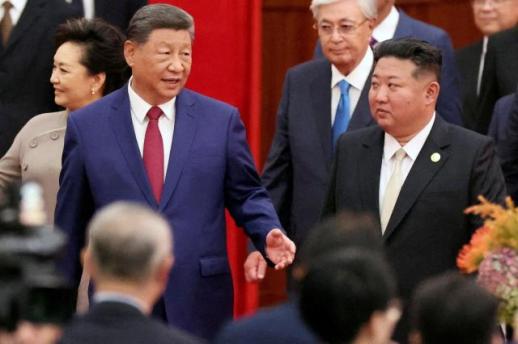 Xi Jinping's Visit to Pyongyang: North Korea's Nuclear Ambitions and Global Tensions On June 8, 2026, the world's attention will turn to Pyongyang as Chinese President Xi Jinping visits North Korean leader Kim Jong Un at his invitation. This marks Xi's first visit to North Korea in seven years, since 2019. On the surface, the summit aims to reaffirm the friendly relations between the two countries. However, the timing of this visit suggests deeper implications.North Korea has recently showcased its uranium enrichment facilities, signaling its intent to bolster its nuclear capabilities. Meanwhile, the United States continues to emphasize its commitment to complete denuclearization. The ongoing war between Russia and Ukraine has become protracted, and the Middle East remains mired in unstable ceasefires and military tensions. The U.S. and China are engaged in a strategic competition over AI, semiconductors, advanced industries, and military technology.Xi's visit to Pyongyang is not merely a bilateral summit; it symbolizes the current state of a shifting global order following the Ukraine war and highlights that the Korean Peninsula remains a central stage in international politics. Today, Pyongyang is not just a local issue; it has become a nexus of international relations connecting Washington, Beijing, Moscow, Tokyo, Seoul, and Brussels. The world is returning to an era dominated by geopolitics.Since the end of the Cold War, there was a belief that free trade and globalization would reduce conflicts between nations. It was thought that economic development would lead to fewer wars. However, the reality has proven otherwise. The war in Ukraine, which began in 2022, has fundamentally challenged this belief. Russia attempted to alter borders through military force, while the U.S. and Europe responded with extensive military aid and economic sanctions. The world is shifting back to a period dominated by power politics. The war is not merely a European issue; it has disrupted energy markets, caused grain prices to soar, and reshaped global supply chains. International financial markets now face new uncertainties. Most importantly, there has been a polarization in international politics, with a new strategic alliance forming around China and Russia, contrasted with the Western bloc led by the U.S. and Europe. While the divisions are not as stark as during the Cold War, it is clear that the world is once again moving based on strategy, security, national interests, and power. In this changing landscape, North Korea is also redefining its position.North Korea has long viewed nuclear weapons as a means of ensuring regime survival. Recent actions indicate that it seeks to establish nuclear weapons not just as a deterrent but as part of its national identity. North Korea is moving towards solidifying its status as a nuclear power, regardless of international recognition. However, the international community, including the U.S., South Korea, Japan, and the United Nations, does not recognize North Korea as an official nuclear state. Nonetheless, North Korea continues to enhance its nuclear capabilities to increase its bargaining power. Some international relations experts suggest that one reason for North Korea's strengthened cooperation with Russia is to elevate its international standing amid the Ukraine conflict. Particularly, North Korea may aim to highlight that it is no longer an isolated nation but strategically connected to major powers like Russia and China. While this does not guarantee recognition of its nuclear status, there is a plausible strategic calculation at play.For Kim Jong Un, this summit is not just a diplomatic event. North Korea faces the urgent challenge of economic recovery. International sanctions remain in place, and its industrial base is fragile. Therefore, economic cooperation with China is crucial for North Korea. China is North Korea's largest trading partner and essentially serves as its economic lifeline. Kim is likely to seek expanded economic cooperation and political support during this summit, while also sending a message to the international community that North Korea is not isolated. Managing stable relations with China, especially in the context of strengthening ties with Russia, is a key diplomatic objective for North Korea.Xi's calculations are also complex. China cannot afford to abandon North Korea, not merely for ideological reasons but for geopolitical ones. From China's perspective, North Korea serves as a strategic buffer directly adjacent to the U.S. alliance system. China does not desire rapid changes or chaos on the Korean Peninsula, nor does it want the collapse of the North Korean regime or excessive military provocations. Stability is what China seeks: a stable North Korea, a predictable Korean Peninsula, and a controllable state of tension are fundamental to China's strategy. Xi's visit to Pyongyang reflects these strategic objectives. Moreover, China is currently engaged in a comprehensive competition with the U.S. across various domains, including semiconductors, AI, batteries, electric vehicles, military technology, and space industries. In this context, the Korean Peninsula is a strategic space that China cannot afford to overlook.At the center of contemporary international politics is AI. While 20th-century international relations revolved around oil, 21st-century dynamics are increasingly centered on semiconductors and AI. The competition between the U.S. and China can ultimately be viewed as an AI competition. Military power, industrial competitiveness, and national strength are now determined by AI. South Korea possesses the world's leading memory semiconductor production capacity and stands at the core of the AI revolution's supply chain. Consequently, issues on the Korean Peninsula are no longer merely security concerns; they have evolved into complex matters intertwined with semiconductors, AI, supply chains, data centers, advanced manufacturing, and national strategies. This complexity explains why both China and the U.S. regard South Korea as a crucial partner.The Middle East adds another variable to this equation. The global economy remains heavily reliant on energy. Conflicts in the Middle East can lead to fluctuations in international oil prices, which in turn can destabilize the global economy. Just as the Ukraine war has impacted energy markets, the Middle East continues to pose risks to global economic stability. China is one of the world's largest energy importers, making stability in both the Middle East and Northeast Asia essential for its interests. This is why China does not want excessive tensions to escalate on the Korean Peninsula. Ultimately, the upcoming North Korea-China summit is interconnected with three significant international phenomena: the North Korean nuclear issue, the Ukraine war, and the Middle East crisis. While these may seem like separate events, they are all part of a larger process of restructuring the global order.South Korea also faces new challenges. It is no longer a peripheral player in international politics. As the world's 10th largest economy and a key player in the global semiconductor industry, South Korea has successfully achieved both democracy and industrialization. However, with increased power comes greater responsibility. The U.S.-South Korea alliance remains a cornerstone of South Korea's security, while China is one of its largest trading partners. Despite military tensions with North Korea, South Korea cannot afford to abandon peace. In this complex reality, South Korean diplomacy cannot simply lean toward one side. It must become a nation that is not forced to choose between great powers but one that is essential to them. This is the path South Korea must take today.Historically, the Korean Peninsula has experienced numerous crises but has also created new opportunities amid those challenges. The current world stands at another significant turning point. The AI revolution is transforming industrial structures, the Ukraine war is shaking the international order, and conflicts in the Middle East are altering energy landscapes. North Korea is enhancing its nuclear capabilities, China is expanding its strategic space, and the U.S. is restructuring its alliance network. All these changes are occurring simultaneously on the Korean Peninsula. Therefore, Xi Jinping's visit to Pyongyang is not merely a diplomatic engagement; it is a microcosm of a changing global order and a symbolic event that underscores the Korean Peninsula's continued significance in global strategy.We are witnessing a pivotal moment in history. History always poses the same question: Will we become a nation that is swayed between great powers, or will we become a nation that is indispensable to them? South Korea now faces an era where it must answer that question. The future of the Korean Peninsula will not be determined solely by geopolitics; rather, it will be shaped by how geopolitics is leveraged. The most significant lesson from the meeting between Xi Jinping and Kim Jong Un lies here. The world is once again in motion, and at the center of that movement stands the Korean Peninsula. The future of history will be written simultaneously in Pyongyang, Seoul, Beijing, and Washington. The crucial question is whether we will remain mere observers of history or become its protagonists. The Korean Peninsula is once again at the heart of history.* This article has been translated by AI. 2026-06-05 12:12:00
 -
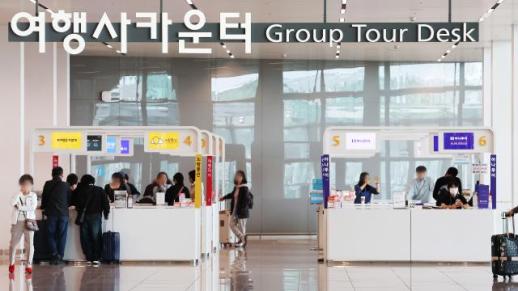 Overseas Card Spending Reaches $6.1 Billion, Surpassing $6 Billion for Two Consecutive Quarters In the first quarter of this year, domestic residents' overseas card spending exceeded $6 billion for the second consecutive quarter. According to the Bank of Korea's report on "Overseas Card Usage by Residents in the First Quarter," the total amount spent by domestic residents on overseas cards (credit, debit, and prepaid) was $6.1 billion. This figure is similar to the previous quarter's $6.11 billion but represents a 14.2% increase compared to the same period last year. A Bank of Korea official stated, "While the number of departing residents has increased, the decline in overseas direct purchases through online shopping has kept spending levels stable compared to the previous quarter." The amount spent on overseas direct purchases through online shopping decreased from $1.55 billion in the fourth quarter of last year to $1.35 billion in the first quarter of this year. In contrast, the number of domestic residents traveling abroad rose from 7.89 million in the fourth quarter of last year to 8.33 million in the first quarter of this year. By card type, credit card spending amounted to $4.1 billion, a 1.3% decrease from the previous quarter, while debit card spending increased by 2.4% to $200.3 million. The spending by non-residents using cards in South Korea was $3.57 billion, down 5.4% from the previous fourth quarter but up 30.2% compared to the same period last year. The number of foreign tourists visiting South Korea in the first quarter reached 4.76 million, the highest on record for that period, although their spending decreased.* This article has been translated by AI. 2026-06-05 12:03:00
 -
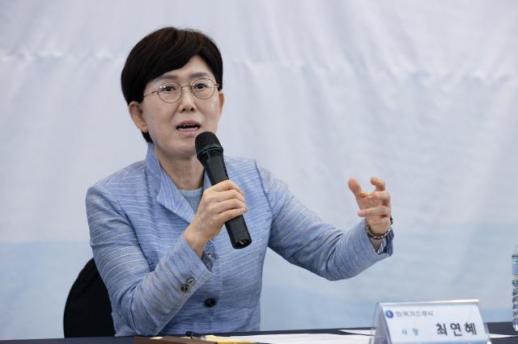 Canadian Natural Gas Arrives in Incheon via Rocky Mountains Canadian natural gas has crossed the Rocky Mountains and the Pacific Ocean to arrive in South Korea. The first shipment from the LNG Canada project, in which the Korea Gas Corporation (KOGAS) has invested, has docked at the Incheon base, a key energy supply hub for the Seoul metropolitan area. Amid rising uncertainties in energy supply due to instability in the Middle East and concerns over the closure of the Strait of Hormuz, KOGAS has secured a North American liquefied natural gas (LNG) supply chain that it can operate directly. According to KOGAS, a vessel carrying LNG produced through the LNG Canada project arrived at the Incheon base on June 3. This shipment departed from the Kitimat liquefaction terminal on Canada’s west coast on May 20 and crossed the Pacific Ocean to reach South Korea. While LNG Canada shipments previously arrived at the Tongyeong base in September of last year, this marks the first delivery to the Incheon facility, which is responsible for LNG supply in the metropolitan area. The LNG Canada project involves sourcing natural gas from the inland market in western Canada and transporting it to the west coast. The gas is moved through a dedicated 48-inch pipeline spanning 670 kilometers that crosses the Rocky Mountains. It is then liquefied at the Kitimat plant on the Pacific coast of North America before being exported to Asia. KOGAS is participating in this project alongside global energy companies such as Shell, Petronas, PetroChina, and Mitsubishi. With an investment of 2 trillion won, KOGAS has secured a 5% stake, amounting to an annual share of 700,000 tons of LNG. After overcoming various challenges, the project is now on track. KOGAS began participating in the LNG Canada project in 2010 with a joint feasibility study agreement, followed by a joint venture agreement in 2014. The final investment decision (FID) for the first phase was made in 2018, and construction commenced thereafter. Despite setbacks from the COVID-19 pandemic, global supply chain disruptions, and technical difficulties with the pipeline construction, commercial production began in June of last year. Concerns about the project's success have been voiced domestically. Choi Yeon-hye, President of KOGAS, acknowledged, "Given the long-term investment of 15 years, there has been pressure in the National Assembly questioning whether this is a failed project. It is true that there were initial doubts about the project's success." She added, "We initially planned a 20% equity investment, but due to the lengthy duration of the project, we reduced our stake to 5%. It is fortunate that we managed to maintain at least 5% through all the challenges we faced, including extreme weather, snowstorms, and supply chain disruptions due to the pandemic." The LNG Canada project is not just a long-term purchase agreement; it encompasses the entire LNG value chain, from sourcing raw materials to pipeline transportation, liquefaction, and sales. President Choi explained, "We directly own and have disposal rights over 700,000 tons of LNG. If domestic demand decreases, we can sell it overseas, and in times of crisis, we can bring it back to the domestic market." This capability can play an immediate role in energy security. Since Canadian LNG utilizes the Pacific route to enter the country, it is relatively less affected by Middle Eastern instability or canal transit risks. KOGAS estimates that transportation costs via the Canadian route could be reduced by 20% to 50% compared to routes through the Middle East, U.S. LNG via the Panama Canal, or the Cape of Good Hope. Since the start of commercial production at LNG Canada in June of last year, KOGAS has imported a total of five cargoes to date, with an additional five cargoes expected to arrive by the end of this year. President Choi stated, "We have decided to bring in the entire share of KOGAS by the end of the year, ensuring that the LNG Canada project can contribute to national energy security from the outset of its operations." KOGAS is also continuously reducing its reliance on LNG from the Middle East. President Choi noted, "The share of Middle Eastern LNG in domestic imports has decreased from 45% in 2022 to 24% in 2025, and is expected to fall below 18% after 2026. All fixed quantities from the Middle East ended last year, and currently, no LNG vessels are stranded in the Strait of Hormuz." To gradually lower its dependence on Middle Eastern LNG, KOGAS is pursuing overseas resource development. The second phase of the LNG Canada project aims to add an annual capacity of 14 million tons. By utilizing existing infrastructure such as pipelines, sites, and port facilities from the first phase, cost reductions and improved project viability are expected. Having passed the government's preliminary feasibility study in May, the FID is scheduled for September this year, with production anticipated in the second half of 2031. If the second phase proceeds as planned, KOGAS's share of LNG from LNG Canada will double from the current 700,000 tons to 1.4 million tons. With additional projects like the Prelude FLNG in Australia and developments in Mozambique, KOGAS's LNG share could grow to between 3.5 million and 4 million tons by the early 2030s. President Choi emphasized, "While 700,000 tons may seem small in numbers, in times of energy crises, the ability to secure volume is crucial, more than money. Having a volume we can freely utilize means we can play a role in safeguarding national energy security." She added, "We are reaping the fruits of overseas resource development projects that we have pursued over the past 20 years, enhancing our energy security capabilities. We will contribute to national energy security by increasing the self-development rate of natural gas resources."* This article has been translated by AI. 2026-06-05 12:03:00
 -
 Moment of Silence Siren to Sound Nationwide on June 6 The Ministry of the Interior and Safety announced on June 5 that a moment of silence siren will sound nationwide for one minute starting at 10 a.m. on June 6, coinciding with the 71st Memorial Day ceremony. This siren is intended to honor the noble patriotism of those who sacrificed their lives for the nation and its people. It will sound simultaneously across the country to encourage all citizens to participate in the moment of silence from their respective locations. The ministry is providing advance notice to ensure that citizens are not startled by the siren. Jang Han, the Director of Civil Defense, stated, "The siren that will sound on this day is not an air raid warning, so we ask the public not to be alarmed. When the siren sounds, please pause your activities and join in the moment of silence with a solemn heart for one minute."* This article has been translated by AI. 2026-06-05 12:03:00
 -
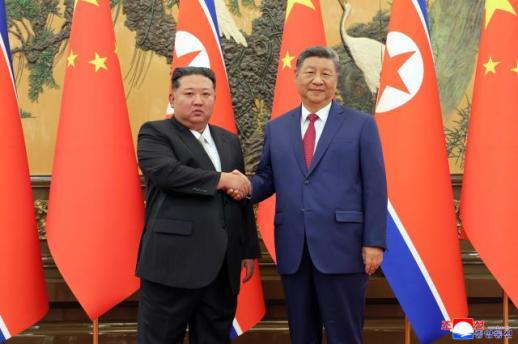 Xi Jinping to Visit North Korea from June 8 to 9 Xi Jinping, the President of China, will make a state visit to North Korea from June 8 to 9. The International Liaison Department of the Central Committee of the Communist Party of China announced on June 5 that Xi, who is also the General Secretary of the Communist Party, is visiting at the invitation of Kim Jong Un, the General Secretary of the Workers' Party of Korea and Chairman of the State Affairs Commission.However, the department did not disclose specific details about Xi's itinerary or the locations he will visit.The Korean Central News Agency also reported on Xi's upcoming visit. This meeting between the leaders of North Korea and China comes approximately nine months after Kim's visit to Beijing in early September 2025 to attend the 80th anniversary of China's victory in the War of Resistance Against Japanese Aggression.This will be Xi's first visit to North Korea in about seven years, following his trip in June 2019, which marked his first visit since Kim took power. During that visit, Xi and Kim held a summit to showcase the friendly relations between their countries.Xi previously visited North Korea in 2008, but at that time, he was serving as Vice President.This visit will be Xi's second to North Korea since Kim Jong Un assumed leadership.Notably, the visit occurs amid strengthened military and security cooperation between North Korea and Russia, drawing significant attention.This year also marks the 65th anniversary of the signing of the China-North Korea Mutual Aid and Cooperation Treaty.The timing of Xi's visit is noteworthy as it follows recent summits between the leaders of the United States and China, as well as between China and Russia.Some analysts suggest that Xi may play a mediating role in the resumption of dialogue between North Korea and the United States.Regarding economic cooperation, discussions are expected to focus on the gradual recovery of trade and human exchanges between China and North Korea following the COVID-19 pandemic. 2026-06-05 11:51:00
 -
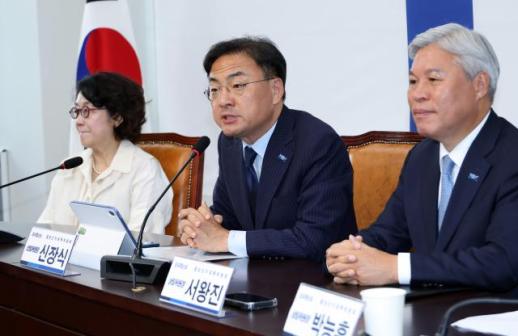 Innovation Party Concludes Election Committee, Acknowledges Failure to Meet Public Expectations The Justice Innovation Party held a conclusion ceremony for its Blue Butterfly election committee on June 5, acknowledging that it "failed to meet public expectations and feels a deep sense of responsibility." The party specifically noted the political resurgence of insurrection forces during the recent local and by-elections, urging the democratic camp to unite against this threat. During the official ceremony at the National Assembly, Seo Wang-jin, the party's floor leader and head of the election committee, stated, "We did not meet the expectations of the people in Pyeongtaek and other areas. I bow my head in apology to the citizens and party members who supported us." Acting leader Shin Jang-sik added, "We could not fully harness the passionate support that filled the Plaza of the Light Revolution. I feel a deep sense of responsibility. Although the democratic reform camp achieved a numerical victory, it is not a cause for celebration." Both leaders emphasized that the recent elections demonstrated the complete political revival of insurrection forces that have undermined governance and constitutional order, calling for swift action from the democratic reform camp to address this issue. Seo remarked, "The painful truth is that the insurrection forces have fully revived just one year after the change of government. The democratic reform camp must not shy away from discussing the causes and responsibilities of this situation to find solutions." He further stated, "This is not solely about pointing fingers at the Democratic Party. The Innovation Party will also reflect on its shortcomings and strengthen itself. Unity and collaboration are impossible without the Democratic Party's self-reflection. We look forward to engaging in discussions with them." Shin also stressed the need for solidarity and unity within the democratic reform camp, warning that insurrection forces will exploit any gaps. He emphasized that the first step to eliminate these gaps is through discussion and empathy, asserting that the core values guiding the democratic reform camp must be clearly defined.* This article has been translated by AI. 2026-06-05 11:48:00
 -
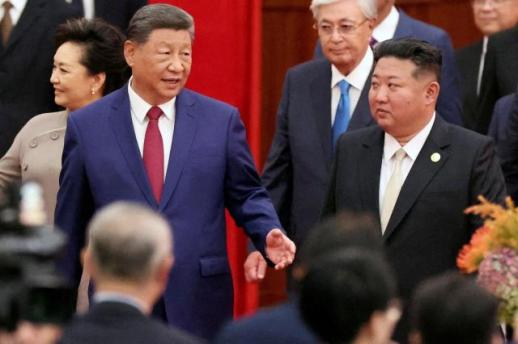 Xi to visit North Korea for summit next week SEOUL, June 5 (AJP) - Chinese President Xi Jinping will visit North Korea next week for a summit with the reclusive country's leader Kim Jong-un, state media in both countries reported on Friday. The state-run Korean Central News Agency (KCNA) said Xi will pay a state visit to North Korea from June 8 to 9 at Kim's invitation. China's International Department of the Communist Party also confirmed the visit, saying Xi would travel to North Korea at the request of Kim. It will be Xi's first trip to Pyongyang in nearly seven years, coming amid growing concerns over North Korea's nuclear program. Xi last visited Pyongyang in June 2019, when he held summit talks with Kim during his first state visit to North Korea since taking power in late 2012. The upcoming meeting between the two leaders comes about nine months after Kim visited Beijing in September last year to attend China's events marking the 80th anniversary of victory in World War II. During that trip, Kim appeared alongside Xi and Russian President Vladimir Putin at a military parade and brought his daughter Ju-ae, marking her debut on a major multilateral diplomatic stage. Kim has met Xi five times since inheriting power following the death of his father, Kim Jong-il, in December 2011. The announcement of Xi's visit came a day after KCNA reported that Kim had inspected a newly operating nuclear material production facility and reaffirmed his commitment to strengthening North Korea's nuclear forces. North Korea has publicly acknowledged uranium enrichment facilities in Yongbyon, Kangson near the western port city of Nampo, and Kusong in North Pyongan Province. South Korean experts said the facility visited by Kim was likely a newly built uranium enrichment plant in Yongbyon. The North's state media previously disclosed Kim's visits to uranium enrichment facilities in September 2024 and January this year. Some analysts said the timing of the visit appeared aimed at China ahead of Xi's trip. They said Kim may be attempting to demonstrate North Korea's nuclear capabilities in advance to discourage denuclearization from becoming a key agenda item during the summit. 2026-06-05 11:42:10