

Journalist

Kwon,sung jin
-
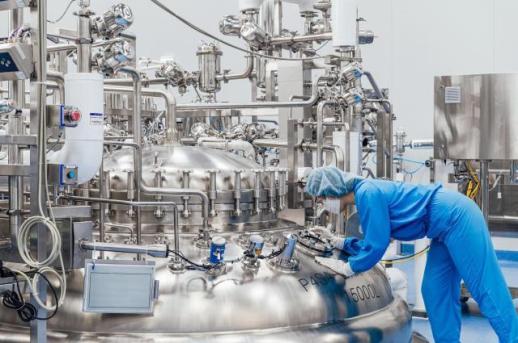 Samsung Biologics Union Moves to Withdraw from Samsung Group Federation The labor union of Samsung Biologics, currently engaged in lawful protests demanding wage increases and improvements to personnel systems, is moving to withdraw from the Samsung Group Federation of Unions. According to Yonhap News on June 8, Park Jae-sung, head of the Samsung Biologics branch of the Samsung Group Federation, stated, "We will decide on changes to our organizational structure through a general meeting and electronic voting." The Samsung Biologics union plans to hold a general meeting from June 16 to 18 and conduct a vote among its members regarding the withdrawal from the federation between June 24 and 28. If more than half of the members participate and two-thirds of those voting approve, the union will pursue an independent path. Currently, the federation includes unions from Samsung Biologics, Samsung Electronics, Samsung Display, and Samsung Fire & Marine Insurance. Park explained the rationale for the withdrawal, saying, "Working within the federation has made it clear that the interests of each company differ, making joint action difficult. However, withdrawing from the federation will not significantly change our protest strategy." The union has been engaged in lawful protests, including partial strikes in April and a full strike last month, and has been refusing to work overtime or on holidays since June 6. Negotiations between labor and management have been ongoing, but no agreement has yet been reached.* This article has been translated by AI. 2026-06-08 21:15:00
 -
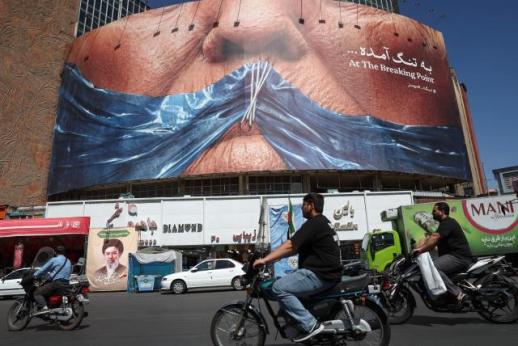 Iranian Military Declares Halt to Operations Against Israel, Warns of Strong Response On June 8, the Iranian military announced a halt to operations against Israel, shortly after U.S. President Donald Trump called for an immediate ceasefire between the two nations on social media. According to Yonhap News, the Central Military Headquarters of the Iranian Armed Forces stated in a local media release that it had inflicted a "painful response" on the "Zionist regime" and declared a cessation of military operations. The Iranian military command emphasized that, despite the halt in operations, if the aggression and atrocities by the enemy continue, particularly in southern Lebanon and the Dahieh area (a Hezbollah stronghold near Beirut), they would respond with even stronger and more overwhelming measures. Previously, the Iranian military had launched approximately 30 missiles toward Israel in retaliation for airstrikes on Beirut on June 7. In response, Israel conducted airstrikes on major Iranian cities, including Tehran, Karaj, and Isfahan, early on June 8.* This article has been translated by AI. 2026-06-08 21:03:00
 -
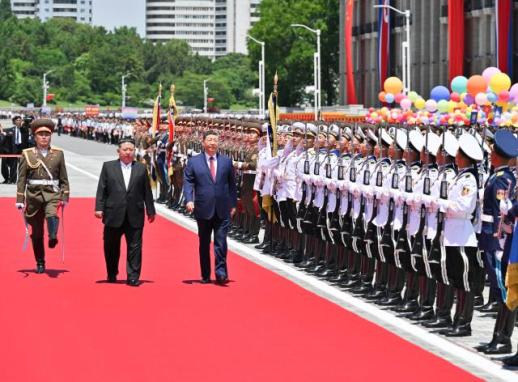 Xi Jinping Emphasizes Strategic Cooperation with North Korea Chinese President Xi Jinping met with North Korean leader Kim Jong Un on June 8, emphasizing the need to strengthen strategic cooperation between the two countries amid complex international circumstances. According to China Central Television (CCTV), during their meeting at the Kumsusan Palace of the Sun in Pyongyang, Xi stated, "No matter how the international situation changes, China's position on valuing traditional friendship with North Korea remains unchanged." He expressed unwavering support for Kim's leadership of North Korea's socialist endeavors and reaffirmed a commitment to safeguarding the mutual interests and favorable strategic environment of both nations. Xi highlighted the importance of enhancing political mutual trust through high-level exchanges as a foundation for developing North Korea-China relations. He called for expanded cooperation in diplomacy, law enforcement, and military affairs. He also urged the two countries to broaden practical cooperation in trade, agriculture, construction, science and technology, and health, while promoting people-to-people exchanges in education, arts, tourism, and sports. Reiterating the need to strengthen strategic cooperation, Xi remarked, "Asia is the home of China, North Korea, and other regional countries. The two nations should enhance strategic coordination and cooperation to protect the sovereignty, security, and developmental interests of each country and maintain regional peace and development together." In response, Kim Jong Un noted, "President Xi's choice of Pyongyang as his first overseas destination this year demonstrates the importance placed on North Korea-China relations, which is a great source of strength for us." He emphasized that he views the development of North Korea-China relations as the country's most significant strategic priority and reaffirmed that advancing the friendship between the two nations in this new era is a firm strategic choice and will. He also mentioned plans to further develop exchanges and cooperation across a wide range of fields, including trade, infrastructure, science and technology, education, and culture. Notably, the Chinese announcement did not directly mention North Korea's nuclear program or the Korean Peninsula. However, the reference to maintaining regional peace and stability suggests discussions on these topics likely occurred. Analysts speculate that as North Korea has recently expanded military and economic cooperation with Russia, Xi's focus may have been on reaffirming China's influence over North Korea through economic and political support rather than addressing the nuclear issue directly. The meeting included several high-ranking Chinese officials, such as Cai Qi, head of the Central Committee General Office, Wang Yi, a member of the Central Political Bureau and Foreign Minister, Zheng Shanjie, head of the National Development and Reform Commission, Defense Minister Li Shangfu, and Commerce Minister Wang Wentao, all of whom expressed a commitment to enhancing cooperation in various sectors, including diplomacy, military, and economy. Kim warmly welcomed Xi, who visited North Korea for the first time in seven years. Xi and his wife, Peng Liyuan, arrived in Pyongyang around noon, beginning a two-day state visit marked by Kim's hospitality. Kim and his wife, Ri Sol-ju, personally greeted the Xi couple at the airport, and a large welcome ceremony was held at Kim Il Sung Square. Following their summit, the two leaders are expected to attend an official welcome banquet and a performance.* This article has been translated by AI. 2026-06-08 20:57:00
 -
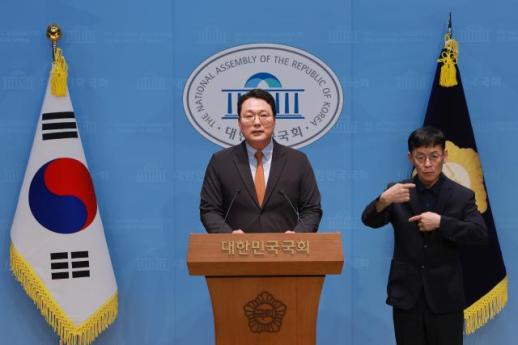 Election Commission Reports Shortage of Ballots at 50 Polling Stations The National Election Commission reported that a total of 50 polling stations across the country experienced a shortage of ballots during the June 3 local elections, with the number potentially increasing. Cheon Ha-ram, the leader of the Reform Party, stated at a press conference on June 8 that the party's leadership received a briefing from the Election Commission's deputy secretary regarding the ballot shortage. According to the Election Commission, 50 polling stations faced actual ballot shortages, with 22 of those requiring voters to wait before casting their ballots as of June 5. In response to concerns about ballot shortages, the Election Commission sent additional ballots to 67 polling stations, but 17 of those did not experience shortages, leaving 50 stations with a total deficit of 4,726 ballots. Data from the office of Kim Min-jeon, a member of the ruling People Power Party, indicated that 17 polling stations, all located in Seoul, were short by more than 100 ballots. Notably, the 7th polling station in Jamsil 4-dong, Songpa District, had the highest shortage at 436 ballots. Issues with the Election Commission's response and procedural delays were also highlighted. The ballot shortage was reported at 11:40 a.m. on election day, but immediate communication did not occur. The Election Commission became aware of the situation at 4:25 p.m. after receiving a call from a voter at the 3rd polling station in Garak 2-dong, Songpa District. Furthermore, the decision to extend the closing time for affected polling stations until 10 p.m. was made solely by the chair of the Seoul Election Commission, rather than through a formal resolution by the National Election Commission. No subsequent resolutions from either the Seoul or National Election Commissions were reported. In response, Cheon criticized the situation, stating, "There could be legal implications and issues of overreach." The Reform Party is demanding a "selective re-election" in certain electoral districts affected by the ballot shortages and plans to file complaints regarding the invalidation of some elections due to the ballot shortages. Cheon noted that the Election Commission indicated that complaints and lawsuits could be filed in cases where there are objections to the validity of the election, suggesting that the ballot shortage situation qualifies for such actions. Meanwhile, Noh Tae-ak, the chair of the National Election Commission, issued a public apology regarding the ballot shortage on June 5 and expressed his intention to resign. Chief Justice Cho Hee-dae subsequently notified the National Election Commission of Noh's removal from his position.* This article has been translated by AI. 2026-06-08 20:54:00
 -
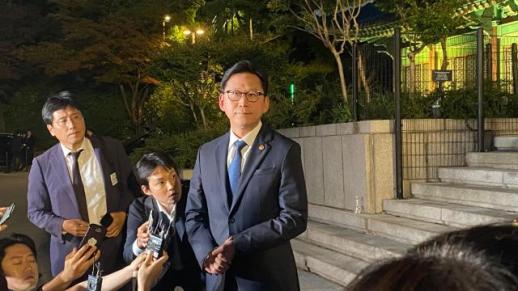 NVIDIA to Prioritize GPU Supply for South Korea, Discusses GTC Korea The Ministry of Science and ICT and NVIDIA are strengthening their collaboration to expand AI infrastructure and nurture the ecosystem. NVIDIA has committed to prioritizing South Korea as a key supplier of graphics processing units (GPUs) and has positively discussed the possibility of hosting GTC Korea. During a briefing following the NVIDIA Korea AI ecosystem reception at the Shilla Hotel in Seoul on June 8, Vice Minister Baek Kyung-hoon stated, "We have secured priority GPU supply from NVIDIA for South Korea. We will receive the planned quantities without disruption, and we will also ensure the supply of GPUs needed for future projects." However, he added that the government must prepare for any additional supply needs. On the same day, Vice Minister Baek and NVIDIA CEO Jensen Huang exchanged views on the competitiveness of South Korea's AI industry. Baek noted, "CEO Huang identified South Korea's strengths as its cultural capacity to rapidly adopt new technologies and trends, its geopolitical position amid U.S.-China competition, and its global manufacturing and industrial competitiveness. He assessed that South Korea could generate significant synergy when AI integrates with industry." The two sides also discussed cooperation in the field of Physical AI. Baek expressed confidence that while South Korea may lag in large language models (LLMs), it has the potential to lead the global market in Physical AI. He stated, "NVIDIA has also committed to actively supporting the establishment of a Physical AI ecosystem centered in South Korea." Regarding the competitiveness of domestic AI semiconductors, Baek emphasized the commercialization potential of neural processing units (NPUs). He remarked, "NPUs have already entered the commercialization stage and are being validated for performance. While GPUs are primarily used for training, NPUs will mainly be utilized for inference services, with significant market entry expected to begin this year." Discussions also covered plans to expand investment in the domestic AI ecosystem. Baek stated, "To become one of the top three AI powerhouses, it is crucial to enhance not only semiconductors and infrastructure but also the competitiveness of AI services. The government plans to promote increased investment in AI services." He added, "As South Korea is poised to become a major market for NVIDIA GPUs, we have proposed that NVIDIA participate in investments in the domestic AI ecosystem." On the potential for hosting NVIDIA's annual developer conference, GTC, in South Korea, Baek said, "There were very positive discussions regarding the possibility of GTC Korea. CEO Huang is also positively considering hosting it in South Korea as part of expanding the AI ecosystem." Regarding the possibility of South Korea receiving additional benefits in the GPU supply process compared to countries like Japan and Taiwan, Baek noted, "NVIDIA views South Korea as a country with significant potential to grow into an AI powerhouse, and various support measures may be considered." 2026-06-08 20:48:00
 -
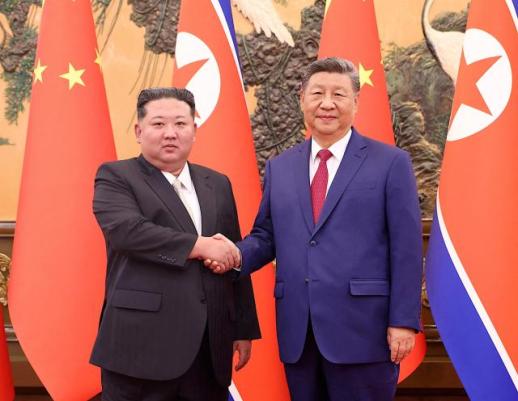 Kim Jong Un Reaffirms Support for 'One China' Principle in Meeting with Xi Jinping Kim Jong Un, the leader of North Korea, designated the North Korea-China relationship as a top strategic priority on June 8, reaffirming his support for China's core diplomatic principle of 'One China.' According to China's state-run Xinhua News Agency, Kim met with Chinese President Xi Jinping at the Kumsusan Palace of the Sun in Pyongyang on the afternoon of June 8. During the meeting, Kim emphasized the importance of strengthening and developing the friendship between North Korea and China, stating, "Consolidating and advancing the friendship between North Korea and China in this new era is the choice of the people and a demand of the times." Kim declared, "We will continue to regard the development of North Korea-China relations as the most significant strategic task of our state," and expressed a commitment to making the relationship a model for international relations while contributing jointly to regional and global peace and prosperity. Regarding changes in the international situation, Kim clearly stated his intention to coordinate foreign policy with China. He remarked, "The international community is undergoing unprecedented and enormous changes," and reiterated that North Korea will steadfastly uphold the One China principle and firmly support China's policies and positions to safeguard its core interests. Additionally, Kim expressed gratitude for Xi's visit to Pyongyang, noting that it demonstrates a special emphasis on and friendship towards North Korea, which serves as a significant encouragement for the North Korean side. This visit marks Xi's first trip to North Korea since 2019 and the second since Kim took power.* This article has been translated by AI. 2026-06-08 20:18:00
 -
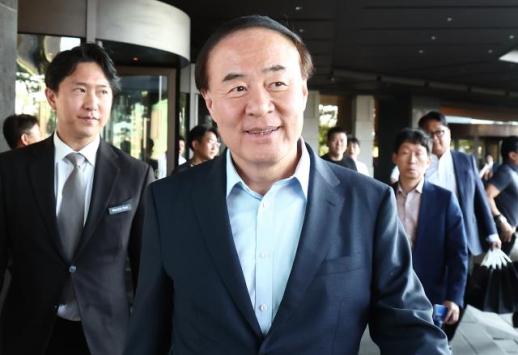 Samsung's Vice Chairman Discusses Long-Term Collaboration with Nvidia's Jensen Huang Jung Young-hyun, CEO of Samsung Electronics and Vice Chairman of the Device Solutions (DS) division, met with Nvidia CEO Jensen Huang on June 8 to discuss supply strategies for the next-generation high-bandwidth memory (HBM) products, HBM4E and HBM5. The meeting took place at the Shilla Hotel in Jung-gu, Seoul. After the discussions, Jung told reporters that he felt they had the best conversations yet with Huang, stating, "We have been collaborating for a long time, and I believe we had the best discussions today." Regarding future plans, Jung mentioned, "Starting next year, we discussed long-term cooperation on HBM4E, foundry business, and HBM5. In the short term, we need to ensure sufficient supply of HBM4 and SOCAMM (low-power memory modules for servers) starting this year." When asked about expanding collaboration in the foundry sector, he replied, "We are collaborating on autonomous driving chips at 4-nanometer and 8-nanometer processes, as well as Nvidia's accelerator chip, the Grace chip. We are also discussing future generations of collaboration." Earlier, Huang referred to SK Hynix as Nvidia's largest memory partner, both now and in the future. In response, Jung stated, "We will focus on our work and show results later." When questioned about Samsung's plans for a long-term memory supply contract with Nvidia, Jung affirmed, "We will do our utmost to support Nvidia's success as their best partner." Following the meeting, Jung attended the Nvidia-hosted 'Korea AI Ecosystem' forum, which included key executives from Samsung's semiconductor division, such as Han Jin-man, head of the foundry business, Kim Yong-kwan, head of management strategy for the DS division, and Song Yong-ho, head of the DS AI Center.* This article has been translated by AI. 2026-06-08 20:03:00
 -
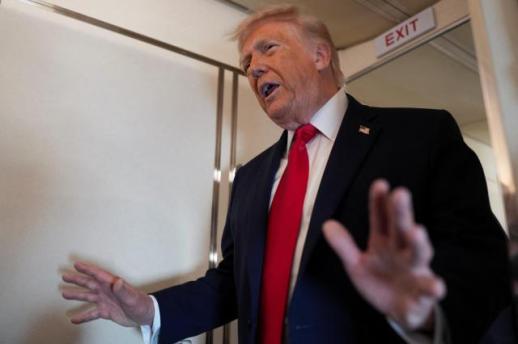 Trump Urges Israel and Iran to Cease Hostilities Immediately President Donald Trump has strongly urged both Iran and Israel to immediately halt their military confrontations. This call for de-escalation comes amid fears that an escalation into full-scale war could jeopardize the fragile ceasefire between the United States and Iran and derail ongoing peace negotiations. On June 8, Trump conveyed his message via his social media platform, Truth Social, emphasizing, "Israel and Iran must stop firing immediately." He also advised Israel against further retaliatory actions, urging restraint. Iran had launched 11 ballistic missiles targeting northern Israel the previous day, a response to Israeli airstrikes on Beirut, Lebanon, which is a stronghold for the Iran-backed militant group Hezbollah. Following Iran's missile strikes, Israel quickly retaliated, plunging the region into a cycle of escalating retaliation.* This article has been translated by AI. 2026-06-08 19:42:00
 -
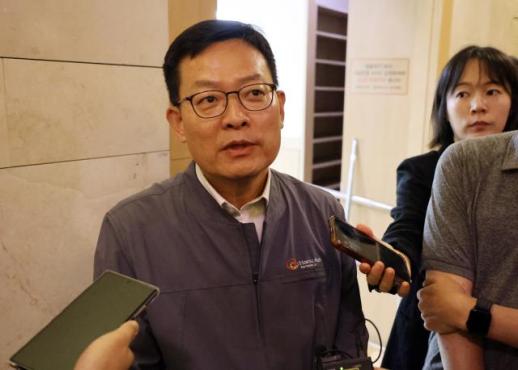 Hanwha Aerospace Explosion Leaves 7 Dead; CEO Faces Charges On June 8, labor authorities charged Hanwha Aerospace CEO Son Jae-il in connection with an explosion at the company's Daejeon plant that resulted in seven casualties. The Daejeon Regional Employment and Labor Office announced that Son is being investigated for violating the Serious Accidents Punishment Act. Additionally, the Daejeon Police Agency has charged Daejeon plant manager Ka Jae-woong with negligent homicide, while the labor office has also charged him with violating the Occupational Safety and Health Act. Authorities have imposed a travel ban on three Hanwha Aerospace officials, including Son and Ka, as they continue to analyze evidence obtained through searches and conduct interviews to determine the cause of the accident and assign responsibility. The explosion occurred on June 1 at 10:59 a.m. in a cleaning room of Building 56 at the Hanwha Aerospace Daejeon facility, located in the Oesam-dong area. The incident resulted in the deaths of five workers, while two others sustained serious and minor injuries, bringing the total number of casualties to seven.* This article has been translated by AI. 2026-06-08 19:27:00
 -
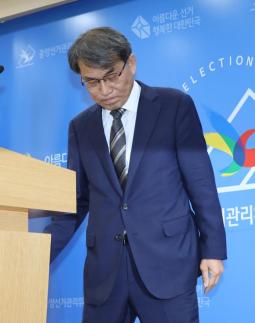 Supreme Court Chief Justice Accepts Resignation of Election Commission Chair Supreme Court Chief Justice Cho Hee-dae has accepted the resignation of Noh Tae-ak, the Chair of the Election Commission, following the ballot shortage incident during the June 3 local elections. According to legal sources on June 8, Chief Justice Cho has revoked Noh's nomination to the Election Commission and notified the commission of this decision. Noh announced his resignation on June 5, just two days after the ballot shortage, stating, "I feel a deep sense of responsibility for the situation." He added, "I will fully cooperate with all procedures to confirm the Election Commission's responsibilities, including a national investigation by the National Assembly, and I will not evade any responsibilities that may arise from the results." The Election Commission consists of nine members: three appointed by the president, three elected by the National Assembly, and three nominated by the Chief Justice. Traditionally, the chair of the commission has been a Supreme Court Justice. Noh was appointed as chair in May 2022 by former Chief Justice Kim Myung-soo. In March of this year, Chief Justice Cho had designated Justice Cheon Dae-yeop as Noh's successor ahead of Noh's retirement from the Supreme Court. However, the confirmation process for the new commissioner was not completed, allowing Noh to continue as chair after his retirement. The term for Election Commission members is six years and is separate from the term of Supreme Court Justices. Meanwhile, President Lee Jae-myung met with National Assembly Speaker Cho Jung-sik, Chief Justice Cho Hee-dae, Constitutional Court Chief Kim Sang-hwan, and Prime Minister Kim Min-seok on the afternoon of June 8 to discuss the ballot shortage incident and to devise reforms for the election management system.* This article has been translated by AI. 2026-06-08 19:24:00