
Journalist

Lee Jaeho
-
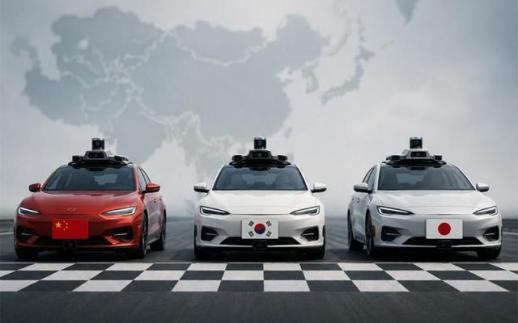 South Korea happy to stay the laggard in self-driving race in Asia SEOUL, May 21 (AJP) - The self-driving race on Asian roads is heating up, but South Korea is in no hurry as it bets safety-first approach will take it farther at the end of the day. China is rapidly scaling up commercial robotaxi fleets while Japan has unlocked Level 4 services on public roads. Modest in comparison, Hyundai Motor Group is launching a citywide testbed in Gwangju to close the gap with overseas rivals. Speaking to reporters last week at the group’s headquarters in southern Seoul, Hyundai Motor Group Chairman Chung Eui-sun openly acknowledged the gap but signaled that Hyundai would not chase speed at any cost. "Autonomous driving is being pushed very quickly by China and Tesla," Chung said, admitting "Waymo is also doing well." "Technology can make up for what is lacking, but the most important thing is safety," he added, suggesting Hyundai would not be matching rivals in speed. In any fledgling market, moving first has its advantages. The global autonomous driving market is projected to grow from $286.45 billion in 2026 to about $3.03 trillion by 2033, according to Coherent Market Insights. Goldman Sachs Research separately estimates the broader autonomous vehicle sector could generate roughly $2 trillion in annual revenue by 2035, with the global commercial robotaxi fleet expanding from around 7,000 vehicles in 2025 to some 6 million by 2035. China leads the Asian pack. Baidu’s Apollo Go now operates in 27 cities globally, with weekly rides peaking at more than 350,000 in March, and is expected to begin testing robotaxis in London alongside Uber and Lyft. Pony.ai, partnered with Toyota Motor China and GAC Toyota, said in February it had begun mass production of its seventh-generation bZ4X robotaxi and is targeting a fleet of more than 3,000 vehicles by year-end. WeRide has expanded into Singapore and the Middle East, while Mercedes-Benz-backed Momenta is rolling out robotaxis on Uber’s network in German cities. Japan is moving less aggressively, but visibly nonetheless. The country revised its Road Traffic Act in April 2023 to permit Level 4 driving on public roads under prefectural public safety commission oversight, paving the way for pilot services by Honda Motor, Nissan, Toyota Motor and open-source platform developer Tier IV. Eiheiji Town in Fukui Prefecture launched the country’s first Level 4 public-road service in May 2023, and Tier IV completed robotaxi pilot tests in Tokyo’s Odaiba and Nishi-Shinjuku districts in late 2024. Korea, despite its technology and manufacturing capacity, is still taking its time. The Gwangju pilot is Seoul’s most ambitious response to date, with the southwestern city last month becoming the first major Korean municipality to designate its entire road network as a Level 4 testbed. Hyundai plans to deploy 200 self-driving vehicles equipped with eight cameras and one radar in the second half of this year. The Gwangju fleet will run on Atria AI, an in-house autonomous driving stack developed by Hyundai subsidiary 42dot. Hyundai is also weighing adoption of Alpamayo, the open-source reasoning vision-language-action model unveiled by Nvidia at CES 2026, although no formal partnership has been announced. In January, the group named Park Min-woo — a self-driving specialist who previously worked at Tesla and Nvidia — as chief executive of 42dot and head of its Advanced Vehicle Platform division. Structural hurdles remain. The Board of Audit and Inspection, in a 2024 review of Korea’s response to the Fourth Industrial Revolution, said inter-ministerial disputes had delayed government decisions on autonomous driving for an extended period, widening the technology gap with overseas rivals. Yet Hyundai’s safety-first posture, echoed by domestic researchers, points to what some experts see as Korea’s potential differentiator. While the country may trail Tesla’s accumulated driving data and the centralized push of China’s state-backed champions, Korean academics argue the local industry is steering its AI training toward courtesy, caution and respect on the road — a "warmer" model of autonomy that could carve out a distinct niche. "Aggressive driving is something an autonomous AI can also learn," said Lim Yong-seob, professor of robotics and mechatronics engineering at the Daegu Gyeongbuk Institute of Science and Technology. "AI prioritizes goal completion above all, so it may follow user commands absolutely and even adopt dangerous driving methods to save time, sidelining humans and triggering collisions as vehicles compete for resources with other autonomous cars," Lim said. "Research actually shows that cooperative autonomous driving with frequent yielding can sharply cut collision rates, even at the cost of slightly slower travel. A conservative, human-protecting style of autonomy — one that errs on caution in rain or unusual conditions — will become increasingly important." For Seoul, the next 18 months in Gwangju may determine whether South Korea can claw back lost ground — or watch the next great mobility platform be built largely in Beijing, Tokyo and Silicon Valley. 2026-05-21 15:11:28
 -
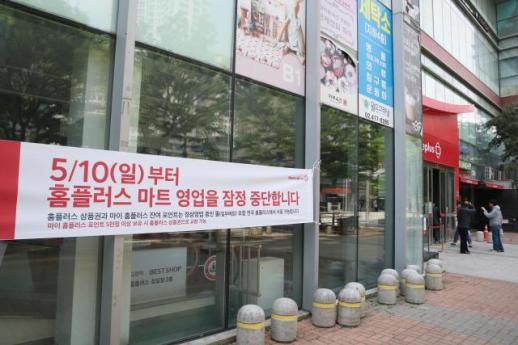 Homeplus Requests Bridge Loan from Meritz Amid Financial Struggles Homeplus has once again requested a bridge loan from Meritz Financial Group to secure emergency operating funds. This request comes as the company prepares for the inflow of funds from the sale of Homeplus Express at the end of next month, which is expected to cover about a month’s worth of operational expenses. On May 21, Homeplus stated, "The proceeds from the sale of Homeplus Express, which is part of our supermarket division, are expected to arrive by the end of next month. We have requested Meritz Financial Group to provide a bridge loan to cover our operational needs for the next month, using these proceeds as collateral." Included in this request is a performance guarantee from Kim Kwang-il, vice chairman of MBK Partners, who is overseeing Homeplus. The company noted, "Vice Chairman Kim has agreed to provide a performance guarantee and has also proposed additional collateral options." Homeplus emphasized that it is currently facing a severe financial crisis. The company remarked, "Today is the payroll date for May, but we have only been able to pay part of April's wages, and we are experiencing significant difficulties in product supply. The bridge loan is essential for the company to navigate its current challenges." Furthermore, the company added, "This funding will also help improve the recovery rate for creditors through the normalization of the company. We have proposed all possible options available to us, and we hope for a positive review and immediate action from Meritz." Meanwhile, Homeplus has suspended operations at 37 of its 104 stores nationwide until July 3.* This article has been translated by AI. 2026-05-21 15:07:03
 -
 Cheil Worldwide's Dorco SLEEK Razor Campaign Surpasses 30 Million Views Cheil Worldwide's campaign for the Dorco premium razor brand SLEEK has surpassed 30 million views on YouTube. The campaign, featuring actor Kim Woo-bin, has been praised for its engaging direction that has rapidly gone viral.According to Cheil Worldwide, the campaign uses the slogan "Skin Loves SLEEK" and reinterprets the daily shaving routine as the "first step in skincare."The campaign emphasizes SLEEK's innovative patented technology, which minimizes skin irritation after shaving.The campaign video centers around the key message, "Feel the difference of the thin blade," effectively conveying that the razor's technology makes a significant difference in skin condition.Particularly, the razor's ultra-precision "Super Thin Blade" technology reduces irritation while enhancing cutting power, presented through captivating visuals and immersive direction.The vertical shorts produced for SLEEK's primary target audience have accumulated over 20 million views.A Cheil Worldwide representative stated, "Considering the large number of consumers engaging with vertical shorts on mobile, we shot with a vertical format in mind from the beginning and emphasized subtitles to intuitively convey SLEEK's unique shaving experience."The SLEEK campaign is currently being showcased across various channels, including TV, digital, and outdoor media, with an integrated online and offline campaign rolling out sequentially.On May 27 and 28, a sampling event called "SLEEK Motion" will take place in areas densely populated by the core target demographic of working professionals in their 30s and 40s, such as City Hall and Gwanghwamun. Attendees can exchange their old razors for SLEEK's new products. Additionally, mini-games and a coffee truck event will be held on-site to enhance brand engagement with customers.* This article has been translated by AI. 2026-05-21 15:04:49
 -
 Gartner Projects 47% Surge in AI Spending This Year, Driven by Infrastructure Investment Global spending on artificial intelligence (AI) is expected to increase by 47% this year, with infrastructure investments leading the charge. Technology companies and hyperscalers are pouring significant funds into AI servers, semiconductors, and networks, driving overall expenditure upward. According to market research firm Gartner, global AI spending is projected to reach $2.5957 trillion this year, up from $1.7649 trillion last year. By 2027, spending is expected to rise to $3.4934 trillion. Infrastructure will account for the largest share of this spending. Gartner estimates that AI infrastructure spending will reach $1.4315 trillion this year, representing over 45% of total AI expenditure. This category includes AI-optimized cloud infrastructure (IaaS), AI servers, networking equipment, AI semiconductors, and AI devices. The increase in infrastructure investment is driven by the need for large-scale computing facilities to support generative AI models and AI agents. John David Lovelock, a vice president and analyst at Gartner, stated, "The demand for facilities to run AI will continue over the next few years, making AI infrastructure the largest segment of the market." He anticipates that spending on AI-optimized servers will triple over the next five years. Expenditures on services and software are also expected to rise. Gartner forecasts that AI service spending will reach $585.5 billion this year, while AI software spending is projected at $453.2 billion. Spending related to the development and use of AI models is expected to increase by 110% from last year, reaching $32.6 billion. However, investments in AI by traditional enterprises are still in the early stages. Lovelock noted, "So far, AI spending has primarily been led by technology companies and hyperscalers, while traditional enterprises have not yet fully embraced AI investment." He views 2026 as a turning point, explaining that companies are currently prioritizing limited implementations aimed at improving operational efficiency and productivity over large-scale structural changes.* This article has been translated by AI. 2026-05-21 15:00:11
 -
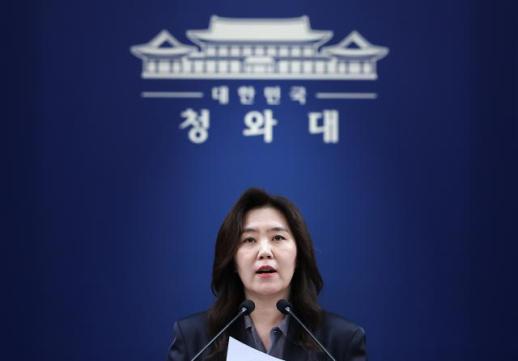 South Korea Welcomes Release of Two Citizens Detained by Israel South Korea's Blue House expressed its welcome on May 21 for the release of two South Korean citizens who were detained by the Israeli military after being on a humanitarian ship bound for Gaza.Kang Yoo-jung, the chief spokesperson for the Blue House, stated during a briefing that the government strongly regrets the Israeli military's actions in detaining South Koreans but appreciates their immediate release.Kang noted that President Lee Jae-myung expressed serious concerns regarding the safety and rights of the detained citizens during a Cabinet meeting the previous day. The government ensured necessary consular assistance and diplomatic responses, resulting in the Israeli authorities expelling the two South Koreans without them going through detention facilities.Furthermore, it was reported that Israel hopes the bilateral relationship will not be affected and will continue to develop positively.Kang emphasized that the Lee Jae-myung administration will respond responsibly and principled to international human rights issues and will maintain close diplomatic communication with relevant countries to ensure the safety of South Koreans.President Lee stated, "The safety and sovereignty of our citizens are of utmost importance, which is the fundamental reason for the existence of the state and government." He promised that his administration would prioritize the lives and safety of citizens and fulfill its responsibility as a government that protects its people.During the Cabinet meeting and emergency economic inspection meeting the day before, President Lee explained that his comments regarding the arrest warrant issued by the International Criminal Court (ICC) for Israeli Prime Minister Benjamin Netanyahu were intended to emphasize the need for an objective understanding of the situation.Earlier, on May 18, South Korean activist Kim Dong-hyun was aboard the humanitarian ship 'Kiriakos X' when it was seized by the Israeli navy in international waters off Cyprus. On May 20, the 'Rina Al Nabulsiho,' carrying South Korean activist Kim Ah-hyun and Korean-American Jonathan Victor Lee (also known as Seung-jun), was also captured by the Israeli military near Gaza.* This article has been translated by AI. 2026-05-21 14:57:22
 -
 Daewoong Pharmaceutical Advances Development of Anti-Aging Treatments Daewoong Pharmaceutical has officially entered the competition to develop anti-aging treatments by securing key technologies from a U.S. biotechnology firm. The company aims to go beyond merely slowing aging, focusing instead on strategies that restore cellular functions at the cellular level. On May 21, Daewoong announced that it acquired core technological assets from Turn Bio Technologies through an auction. This acquisition will enable the company to intensify its research and development (R&D) targeting aging-related diseases and expand its related pipeline. The technology acquired is the 'ERA (Epigenetic Reprogramming of Aging)' platform, which delivers reprogramming factors in mRNA form to aged cells, helping to restore their functions. Unlike traditional complete reprogramming methods that risk losing cellular identity or causing tumor formation, ERA adopts a 'partial reprogramming' approach that selectively improves functional decline while maintaining the unique characteristics of the cells. Based on this technology, Daewoong plans to expand its research focusing on indications closely related to aging, such as ophthalmic and auditory diseases. The company intends to leverage the experience gained by its affiliate, Hanall Biopharma, which has been collaborating with Turn Bio on joint research to accelerate development. Hanall Biopharma has previously established a partnership with Turn Bio and has been validating related technologies. Anti-aging treatments are rapidly emerging as one of the fastest-growing sectors in the global pharmaceutical and biotechnology industries. According to the United Nations, the global population aged 65 and older is projected to reach approximately 1.6 billion by 2050. As aging accelerates, the burden of degenerative diseases such as dementia, macular degeneration, and hearing loss is increasing significantly. Consequently, there is a growing trend toward targeting aging itself rather than treating diseases individually. Park Sung-soo, CEO of Daewoong Pharmaceutical, stated, "Aging is an area that can change the paradigm of future medicine beyond individual diseases. With this technology acquisition, we aim to enhance our treatment strategies that address the root causes of aging and strengthen our global competitiveness."* This article has been translated by AI. 2026-05-21 14:55:16
 -
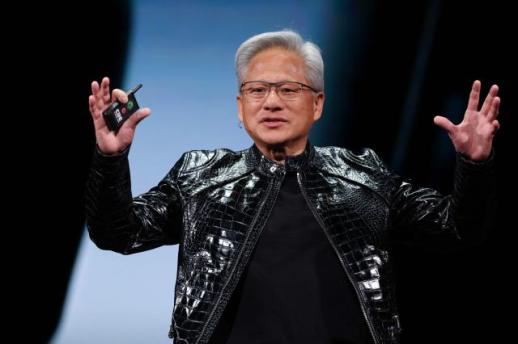 Jensen Huang: NVIDIA Has Given Up on China's AI Chip Market to Huawei Jensen Huang, CEO of NVIDIA, expressed disappointment that U.S. export restrictions have allowed Huawei to dominate the Chinese artificial intelligence (AI) chip market. In an interview with CNBC on May 20, Huang stated, "We have effectively ceded that market to them, and the local semiconductor ecosystem is thriving because we have withdrawn from it. Huawei has had a record year and is expected to achieve remarkable results next year as well." He added, "We have essentially given that market to them." Recently, Huang joined a delegation during former President Donald Trump's visit to China, raising hopes for the resumption of exports of NVIDIA's H200 chips to the country. However, Huang cautioned against optimism. "I have no expectations," he said, advising analysts and investors to "not invest or expect anything." Nonetheless, he affirmed his desire to return to the Chinese market, noting, "There are many customers and partners there, and we have been doing business there for 30 years." NVIDIA reported that its revenue for the first quarter of the fiscal year (February to April) reached $81.62 billion, marking a 20% increase from the previous quarter's record of $68.13 billion and setting a new record for the 12th consecutive quarter. Compared to the same period last year, revenue surged by 85%, surpassing market expectations of $78.85 billion, as reported by the London Stock Exchange Group (LSEG). The adjusted earnings per share (EPS) stood at $1.87, exceeding Wall Street's forecast of $1.76. The growth was driven by the data center segment, which generated $75.2 billion in revenue, a 92% increase year-over-year. Within this, data center computing revenue was $60.4 billion, and networking revenue was $14.8 billion. The edge computing segment, which includes PCs, gaming consoles, and autonomous vehicles, reported $6.4 billion in revenue, up 29% from the previous year. NVIDIA projected second-quarter revenue of $91 billion, exceeding market expectations of $86.84 billion. The company also anticipates that its central processing unit (CPU), Vera, will generate $20 billion in annual revenue, accounting for about 5% of NVIDIA's expected annual revenue. Following the earnings announcement, NVIDIA's stock rose 1.3% during regular trading but turned downward in after-hours trading. As of 8 p.m., shares were trading at $220.66, down $2.81 (1.26%).* This article has been translated by AI. 2026-05-21 14:52:03
 -
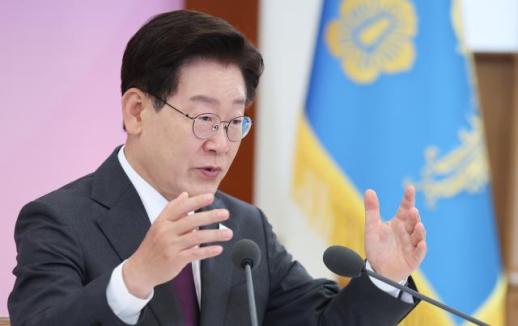 President Lee Orders Investigation into Missing Rebar at GTX-A Samsung Station President Lee Jae-myung has instructed the Ministry of Land, Infrastructure and Transport and the Ministry of the Interior and Safety to conduct a thorough investigation and safety checks regarding the missing rebar at the GTX (Greater Seoul Metropolitan Rapid Transit) A line's Samsung Station.During a briefing at the Cheong Wa Dae, Chief Spokesperson Kang Yu-jeong conveyed the president's directives.When asked about the reasons for the instructions, Kang explained, "Given the upcoming summer rainy season, the government has a responsibility to ensure safety on-site to prevent major accidents. The president has ordered relevant departments to review the causes of the incident."Additionally, President Lee has called for strict disciplinary action against Seongdong Police Chief Kwon Mi-ye, who is under investigation for allegedly using official electric vehicles designated for emergency responses for personal commuting.Kang reported, "The president was informed about the reports regarding Chief Kwon's misuse of emergency vehicles and has ordered a swift investigation and strict disciplinary measures to ensure that such breaches of public service discipline do not occur again."* This article has been translated by AI. 2026-05-21 14:49:37
 -
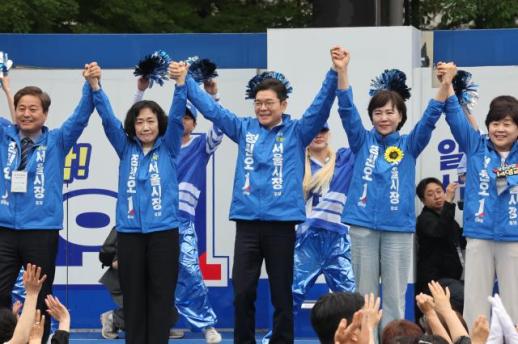 Jung Won-oh Launches Campaign for Seoul Mayor in Wangsimni Jung Won-oh, the Democratic Party candidate for Seoul Mayor, called on voters on May 21 to support his vision of revitalizing the city’s economy, similar to the progress seen in Seongdong-gu. At his campaign launch held in Wangsimni, his political hometown, Jung stated, "We need to change the capabilities of local government in this election." He praised President Lee Jae-myung for delaying a total strike at Samsung Electronics and for the first passage of a Korean ship through the Strait of Hormuz, attributing these achievements to effective leadership. He highlighted the KOSPI index surpassing 7,500 points, asserting, "Isn’t this a demonstration of capability? Now we just need to change Seoul." Jung took aim at Oh Se-hoon, the candidate from the People Power Party and a four-term mayor, criticizing him for issues related to housing, transportation, and safety in the city, as well as a slowdown in the region's gross regional domestic product (GRDP). He urged Oh to stop blaming previous administrations and the current government, demanding an apology for the situation. He also criticized the omission of rebar in the pillars of the GTX-A line at Samsung Station, stating, "During Oh's tenure, there have been countless major safety incidents. Citizens are suffering due to a lack of safety awareness." Jung emphasized that during his time as Seongdong-gu mayor, there were zero safety incidents and that he successfully revitalized the local economy. He urged voters to support his vision for a Seoul similar to Seongdong-gu, stating, "If you want a Seoul like Seongdong, please vote for change." He promised to replace ineffective administrative projects like the Han River Bus and the Seoul Ring with citizen-focused initiatives such as smart rest areas and improved crosswalks. The campaign launch also saw the attendance of Democratic Party lawmakers including Lee In-young, Seo Young-kyo, Jeon Hyun-hee, Jin Sung-joon, Lee Hae-sik, Park Sung-jun, and Ko Min-jeong, all urging Seoul citizens to support Jung's candidacy.* This article has been translated by AI. 2026-05-21 14:48:00
 -
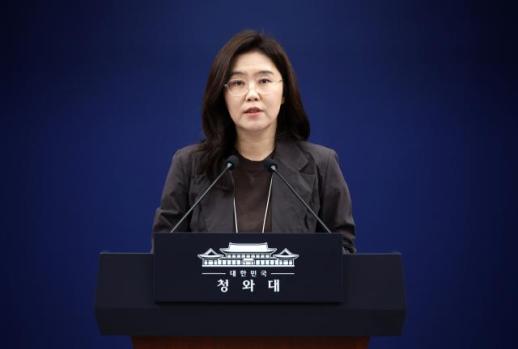 Blue House Supports Reasonable Adjustments Following Samsung Labor Agreement On May 21, the Blue House stated that it would actively support reasonable adjustments in the wage negotiations between Samsung Electronics and its labor union. Kang Yoo-jung, the chief spokesperson, made this remark during a briefing at the Chunchugwan when asked about the potential impact of the negotiations on the broader industrial sector. "The impact of this conflict on the national economy is significant," she said.Kang acknowledged that while labor issues are primarily decided autonomously by the parties involved, the recent debate surrounding Samsung's management bonuses has escalated into a broader social issue. "This conflict has intensified, and all citizens have witnessed it," she explained.Regarding the recent tentative agreement that averted a total strike, Kang noted, "Although the Central Labor Relations Commission's post-adjustment efforts were unsuccessful, there was considerable public concern. Therefore, both Samsung and the labor union made concessions to reach this tentative agreement. This outcome reflects the efforts of both parties, as well as the active cooperation from the government, including Labor Minister Kim Young-hoon."Kang also addressed President Lee Jae-myung's comments on profit distribution made the previous day, stating, "The President clarified the difference between net income and operating profit, suggesting that this issue requires further social discussion and examination."During a cabinet meeting and emergency economic assessment, President Lee criticized the Samsung labor union, saying, "Before taxes, which can be considered a shared national resource, they are seeking to institutionalize a share of operating profit. This is something investors do not even do. Investors receive dividends after taxes from net income, which I find somewhat difficult to understand."In response to the Samsung minority shareholders' group threatening legal action over the legality of the tentative wage agreement, Kang remarked, "We need to examine the situation regarding the legal actions, including the injunctions, further."* This article has been translated by AI. 2026-05-21 14:45:10