
Journalist

Park Yong-jun
-
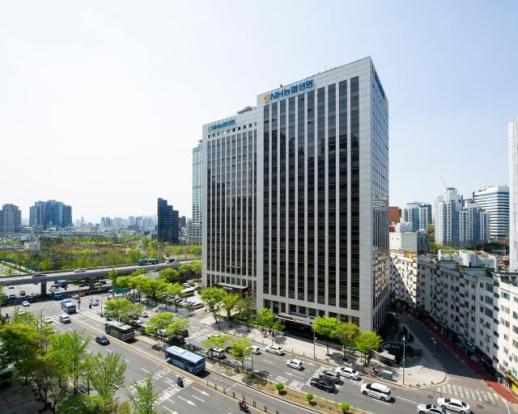 NH Nonghyup Life Files Patent for AI Insurance Enrollment System NH Nonghyup Life has applied for a patent for a system that automates insurance enrollment design using artificial intelligence (AI). This initiative aims to enhance operational efficiency in the agricultural and cooperative sales sectors by enabling AI to analyze complex insurance product structures and policy conditions to support customized designs for customers.On May 28, NH Nonghyup Life announced that it has simultaneously filed for both technology and business model patents for its 'AI Enrollment Design System.' The patent application seeks to introduce AI into the insurance design process to propose tailored insurance products more quickly and accurately.The AI Enrollment Design System analyzes customers' existing coverage and potential premium payments to support optimized insurance designs. It also automatically incorporates complex product structures and policy rules, reducing design time.Given the unique sales environment where banking and insurance services are provided together, the system is expected to significantly reduce customer interaction time and improve design accuracy.The system is particularly beneficial for complex coverage products, such as dementia and health insurance, allowing new agents to facilitate enrollment designs more easily, thereby contributing to increased operational efficiency and sales productivity.Park Byeong-hee, CEO of NH Nonghyup Life, stated, "With this patent application, we aim to further strengthen our competitive edge in AI-based customized insurance services while simultaneously enhancing customer satisfaction and sales efficiency."* This article has been translated by AI. 2026-05-28 10:51:00
 -
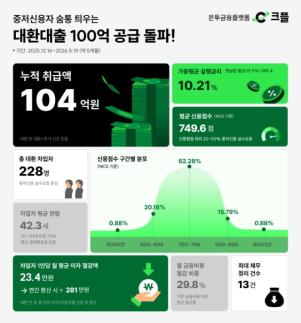 PFCT Surpasses 10 Billion Won in Refinancing Loans for Low-to-Medium Credit Borrowers Refinancing loans are emerging as a practical tool to significantly reduce the financial burden on low-to-medium credit borrowers, moving beyond simple interest rate switching. PFCT (PFCT Technologies), an online investment-linked financial company, announced on May 28 that the cumulative amount of its personal credit loan refinancing service, offered through its platform 'Kreple', has surpassed 10 billion won (approximately $7.5 million). Since launching the personal credit loan refinancing service in December 2025, PFCT analyzed operational data accumulated over about five months. As of May 19, the company provided refinancing loans totaling 10.4 billion won to 228 borrowers. This figure includes both pure refinancing loans that converted existing high-interest debt and new loans with additional limits. The weighted average interest rate for the refinancing loans was recorded at 10.21% per annum. The average credit score of the borrowers, according to NICE standards, was 749.6. Specifically, 62.3% of borrowers fell within the 700-799 score range, while 20.2% were in the 600-699 range. More than 83.5% of all borrowers are classified as low-to-medium credit according to financial industry standards. PFCT noted that the refinancing service has also led to a reduction in financial costs for low-to-medium credit borrowers compared to the average interest rates of existing private mid-rate loans. Kreple users reported an average monthly interest savings of 234,000 won, resulting in a 29.8% decrease in their monthly interest burden. When annualized, this translates to a financial cost reduction of approximately 2.81 million won per borrower. There are also cases of improved multi-debt structures. According to PFCT data, some borrowers managed to consolidate up to 13 existing debts with a single refinancing transaction. This indicates that refinancing loans play a significant role in encouraging 'credit improvement' for low-to-medium credit borrowers. Lee Soo-hwan, CEO of PFCT, stated, "Kreple's refinancing loan service is not just a simple interest reduction product; it is an inclusive finance platform that helps low-to-medium credit borrowers re-enter a more stable financial structure. We aim to alleviate the interest rate cliff in the existing financial sector and enhance financial accessibility through AI credit evaluation technology."* This article has been translated by AI. 2026-05-28 10:51:00
 -
 Samyang Group Holds 35th Sudang Award Ceremony; Professors Hwang Il-doo and Cho Sung-bae Honored The Sudang Foundation of Samyang Group announced on May 28 that it held the 35th Sudang Award ceremony on May 27 at the Lotte Hotel in Seoul, honoring Hwang Il-doo, a distinguished professor at Pohang University of Science and Technology, and Cho Sung-bae, a professor at Yonsei University, each with a plaque and a cash prize of 200 million won. Hwang, the recipient in the basic science category, was recognized for his research uncovering the signaling pathways of plant development and the evolutionary principles of vascular bundles. He was notably acknowledged for being the first to clarify the signaling mechanisms of cytokinin, a plant growth hormone, and its crucial role in regulating vascular development and aging. Hwang expressed gratitude to his students and researchers who endured long waits and failures to build their current laboratory. He stated, "I will approach my research with diligence to contribute to the advancement of our society and academia." Cho, awarded in the applied science category, was honored for his contributions to solving industrial problems through complex artificial intelligence (AI) research. His work involved applying AI technologies across various industries, including energy demand forecasting, by combining convolutional neural networks for data pattern analysis with long short-term memory recurrent neural networks for analyzing changing trends. Cho's paper on energy demand forecasting was recognized as one of the top 1% cited papers in the international journal "Energy" in 2020. Cho remarked, "The important meaning of artificial intelligence lies in solving complex real-world problems by combining various technologies. I will continue to strive to create social value and enhance global competitiveness through AI." Kim Yoon, chairman of the Sudang Foundation, expressed gratitude and respect for the two awardees, stating, "I hope they will continue to foster future talent and uphold the spirit of nurturing talent embodied by the Sudang Award." The Sudang Award was established to honor the industrial patriotism and talent cultivation spirit of Kim Yeon-soo, the founder of Samyang Group. It began in 1973 as the Sudang Science Award and was renamed the Sudang Award in 2006, recognizing researchers in basic science, humanities, and applied science. Each year, two researchers with outstanding achievements are selected. 2026-05-28 10:48:44
 -
Samyang Group Holds 35th Sudang Award Ceremony, Honors Professors Hwang Il-doo and Cho Sung-bae Samyang Group's Sudang Foundation held the 35th Sudang Award ceremony on May 27 at the Lotte Hotel in Seoul, honoring Hwang Il-doo, a professor at Pohang University of Science and Technology, and Cho Sung-bae, a professor at Yonsei University, each with a plaque and a cash prize of 200 million won. Hwang, the recipient in the basic science category, was recognized for his research on the signaling pathways of plant development and the evolutionary principles of vascular bundles. He was particularly noted for being the first to clarify the signaling mechanisms of cytokinin, a plant growth hormone, and its crucial role in the development and aging of vascular bundles. Hwang expressed gratitude to his students and researchers who endured long waits and failures to establish their current research lab, stating, "I will approach my research with sincerity to contribute to the advancement of our society and academia." Cho, awarded in the applied science category, was acknowledged for his contributions to solving industrial problems through complex artificial intelligence (AI) research. His work combined convolutional neural networks for data pattern analysis with long short-term memory recurrent neural networks to apply AI technology across various industries, including energy demand forecasting. Cho's paper on energy demand forecasting was recognized as one of the top 1% cited papers in the international journal "Energy" in 2020. He remarked, "Combining various technologies to solve complex real-world problems is the significant meaning of artificial intelligence. I will continue to strive to create social value and enhance global competitiveness through AI." Kim Yoon, chairman of the Sudang Foundation, expressed gratitude and respect for the two awardees, stating, "I hope they will continue to foster future talent and uphold the spirit of nurturing talent embodied by the Sudang Award." The Sudang Award was established to inherit the industrial patriotism and talent cultivation spirit of Kim Yeon-soo, the founder of Samyang Group. It began in 1973 as the Sudang Science Award and was renamed the Sudang Award in 2006, recognizing researchers in the fields of basic science, humanities and social sciences, and applied sciences. Each year, two researchers with outstanding achievements are selected.* This article has been translated by AI. 2026-05-28 10:48:25
-
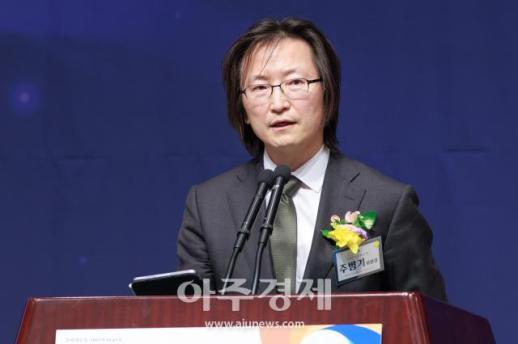 Korea's Fair Trade Commission Calls for End to Retention Practices in Construction Industry Joo Byeong-gi, chairman of the Fair Trade Commission, stated on May 28 that the revised subcontracting law focuses on significantly strengthening the payment security framework to ensure that small subcontractors receive fair compensation for their work. He expressed hope for a healthy relationship that promotes mutual growth by correcting unfair clauses that shift costs, such as industrial safety expenses, onto subcontractors. Joo made these remarks during a signing ceremony for a cooperation and fair trade agreement held at the Specialized Construction Hall, attended by representatives from the comprehensive and specialized construction sectors. The agreement aims to eliminate unfair trading practices in the construction industry and establish a system linking subcontractor payments. Previously, the Fair Trade Commission announced comprehensive measures to enhance payment security for small subcontractors, which include expanding payment guarantee obligations, introducing the right to request information related to primary contracts, and mandating the use of electronic payment systems to ensure timely payments. In February of last year, the commission also announced a revision to the subcontracting law, significantly reducing exceptions to payment guarantees to ensure payment stability. Additionally, the scope of the payment linkage system was expanded to include not only the prices of raw materials but also key energy costs. However, concerns remain that unfair practices continue in the field ahead of the law's implementation in August. In response, the Fair Trade Commission, along with 19 major construction companies and the Korea Association of Specialized Contractors, agreed to the cooperation pact, which includes measures for prompt payment and the abolition of retention, correction of unfair clauses, establishment of the payment linkage system, rapid adjustment of delivery prices during emergencies, and the creation of a subcontracting dispute resolution body. Specifically, to prevent the practice of paying only a portion of the progress payment to subcontractors while delaying the remainder until project completion, the agreement calls for the abolition of retention and a commitment to cash payments within the legal deadline. Furthermore, standards and procedures for quickly adjusting delivery prices during emergencies will be established through discussions between primary and subcontractors. The 19 major construction companies also agreed to raise delivery prices by 134.3 billion won as part of their commitment to the cooperation agreement. Additionally, comprehensive construction contractors will establish an internal dispute resolution body to address subcontracting-related issues such as payment disputes and price adjustments. To ensure the effectiveness of the cooperation agreement, a public-private consultative body will be formed to share information on the implementation status of the agreement and trends in the enforcement of the subcontracting law. Joo emphasized that while the construction industry is a key sector underpinning the economy, it is not easy to change deeply rooted unfair practices and structures overnight. He noted that the signing of the cooperation agreement aims to eradicate these unfair practices and promote a culture of mutual growth. He also acknowledged the heightened difficulties faced by the industry due to recent international tensions and a slowdown in construction activity, stressing the importance of close cooperation to navigate these challenges. Joo expressed gratitude to the participants from the comprehensive construction sector for adjusting delivery prices as part of their commitment to mutual cooperation. Joo urged that in times of emergencies, such as wars, efforts should be made to ensure that urgent payment adjustments and the payment linkage system operate smoothly. He invited stakeholders to share various tasks that the Fair Trade Commission should address, promising to actively consider them for institutional improvements. 2026-05-28 10:46:27
 -
Korea's Fair Trade Commission Calls for End to Retention Practices in Construction Industry Joo Byeong-gi, chairman of the Fair Trade Commission, stated on May 28 that the revised subcontracting law focuses on significantly enhancing payment stability for small subcontractors to ensure they receive fair compensation for their work. He expressed hope for a healthier relationship that fosters mutual growth by correcting unfair clauses that shift costs, such as industrial safety expenses, onto subcontractors. Joo made these remarks during a signing ceremony for a cooperation and fair trade agreement held at the Specialized Construction Hall. The event, attended by officials from the general and specialized construction sectors, aimed to eradicate unfair trading practices in the construction industry and establish a system linking subcontractor payments. Previously, the Fair Trade Commission announced comprehensive measures to strengthen payment stability for small subcontractors, which include expanding payment guarantee obligations, introducing the right to request information related to primary contracts, and mandating the use of electronic payment systems to ensure timely payments. In February of last year, the commission also announced a revision to the subcontracting law, significantly reducing exceptions to payment guarantees to ensure payment stability. Additionally, the scope of the payment linkage system was expanded to include not only the prices of raw materials but also major energy costs. However, concerns persist that unfair practices continue in the field ahead of the law's implementation in August. In response, the Fair Trade Commission, along with 19 major construction companies and the Korea Association of Specialized Construction Contractors, agreed to the cooperation pact, which includes measures for prompt payment and the abolition of retention, correction of unfair clauses, establishment of the payment linkage system, rapid adjustment of delivery prices during emergencies, and the creation of a subcontracting dispute resolution body. Specifically, the agreement aims to eliminate the practice of paying only part of the progress payment to subcontractors while deferring the remainder until project completion, establishing a principle of cash payment within legal deadlines. It also sets forth criteria and procedures for quickly adjusting delivery prices during emergencies, to be negotiated between primary and subcontractors. Furthermore, the 19 major construction companies committed to raising delivery prices by 134.3 billion won as part of the cooperation agreement. Additionally, general contractors will establish an internal subcontracting dispute resolution body to facilitate discussions with subcontractors on issues such as payment disputes and price adjustments. To ensure the effectiveness of the cooperation agreement, a public-private consultative body will be formed to share information on the implementation status of the agreement and trends in the enforcement of the subcontracting law. Joo remarked, "The construction industry is a core sector that underpins our economy, but it is not easy to change the deeply rooted unfair practices and structures in the field overnight. This cooperation agreement was established to eradicate the remaining unfair practices and promote a culture of genuine mutual growth." He added, "The recent instability in international affairs, such as the situation in the Middle East, and the downturn in the construction market have exacerbated challenges across the industry. However, it is during such times that we must work closely together to overcome difficulties. I would like to thank the participants from the general construction industry for adjusting the delivery prices for subcontractors as part of our mutual cooperation efforts." Joo urged, "Please ensure that urgent payment adjustments and the payment linkage system operate smoothly during emergencies such as wars. If you share the various tasks that the Fair Trade Commission needs to address, I will actively consider them for institutional improvements."* This article has been translated by AI. 2026-05-28 10:46:23
-
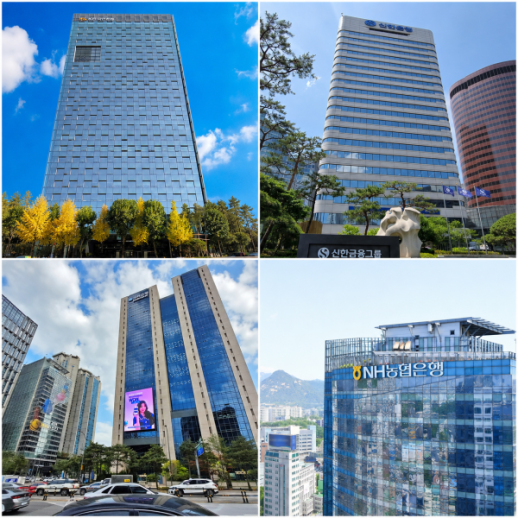 Korean Banks Complete Verification of International Payment Project Agora South Korean banks are accelerating the verification of next-generation international payment infrastructure. KB Kookmin, Shinhan, Woori, and NH NongHyup Bank announced on May 28 that they have completed the prototype verification for the 'Project Agora,' led by the Bank for International Settlements (BIS) and the Institute of International Finance (IIF). The Agora Project is a public-private partnership aimed at verifying whether central bank digital currencies (CBDCs) and deposit tokens can facilitate efficient cross-border payments. Central banks from seven countries, including South Korea, the United States, France, the United Kingdom, Japan, Switzerland, and Mexico, along with over 40 financial institutions, have participated in the project, which recently welcomed the Bank of Canada. Six South Korean banks, including KB Kookmin Bank, Shinhan Bank, Hana Bank, Woori Bank, NH NongHyup Bank, and IBK Industrial Bank, are involved in the initiative. Currently, the cross-border payment system faces challenges such as slow transfer speeds, high costs, and a lack of transparency due to the involvement of multiple intermediaries. To address these inefficiencies, participating institutions examined the feasibility of implementing real-time, multi-currency simultaneous payments, enhancing cross-border payment efficiency, and maintaining currency uniformity in a tokenized environment during the prototype verification. Tokenization refers to the technology that converts deposits or financial assets into blockchain-based digital assets. These banks plan to participate in future real transaction tests based on their experience with Project Agora. The real transaction tests will go beyond prototype verification to assess the applicability of the payment structure based on actual value transfers. The four banks will evaluate the global payment potential of won-based deposit tokens by linking their headquarters with overseas networks.* This article has been translated by AI. 2026-05-28 10:46:19
 -
Korean Banks Complete Verification of International Payment Project Agora Domestic banks are accelerating the verification of next-generation international payment infrastructure.KB Kookmin, Shinhan, Woori, and NH NongHyup Bank announced on May 28 that they have completed the prototype verification for the 'Project Agora,' led by the Bank for International Settlements (BIS) and the Institute of International Finance (IIF).The Agora Project is a public-private partnership aimed at verifying the feasibility of efficient cross-border payments using central bank digital currencies (CBDCs) and deposit tokens.Central banks from seven countries, including South Korea, the United States, France, the United Kingdom, Japan, Switzerland, and Mexico, along with over 40 financial institutions, have participated, with the Bank of Canada recently joining the initiative. Six domestic banks, including KB Kookmin Bank, Shinhan Bank, Hana Bank, Woori Bank, NH NongHyup Bank, and IBK Industrial Bank, are listed as participating institutions.Currently, the cross-border payment system is hampered by a structure that involves multiple intermediaries, resulting in slow transfer speeds, high costs, and a lack of transparency in transactions.To address these inefficiencies, the participating institutions examined the feasibility of implementing real-time simultaneous payments based on multiple currencies, improving cross-border payment efficiency, and maintaining currency uniformity in a tokenized environment during the prototype verification. Tokenization refers to the technology that converts deposits or financial assets into blockchain-based digital assets.These banks plan to participate in future real transaction tests based on their experience with Project Agora. The real transaction tests will go beyond prototype verification to confirm the applicability of the payment structure based on actual value transfers. The four banks will assess the global payment potential of won-based deposit tokens by linking their headquarters with overseas networks.* This article has been translated by AI. 2026-05-28 10:45:37
-
Korean Banks Complete Verification for International Payment Project Agora Domestic banks are accelerating the verification of next-generation international payment infrastructure.KB Kookmin, Shinhan, Woori, and NH NongHyup Banks announced on May 28 that they have completed the prototype verification for the 'Project Agora,' led by the Bank for International Settlements (BIS) and the Institute of International Finance (IIF).The Agora Project is a public-private partnership aimed at verifying the feasibility of efficient cross-border payments using central bank digital currencies (CBDCs) and deposit tokens.Central banks from seven countries, including South Korea, the United States, France, the United Kingdom, Japan, Switzerland, and Mexico, along with over 40 financial institutions, have participated, with the Bank of Canada recently joining. In South Korea, six banks, including KB Kookmin, Shinhan, Hana, Woori, NH NongHyup, and IBK Industrial Bank, are involved in the initiative.Currently, the cross-border payment system is hampered by a structure that involves multiple intermediaries, resulting in slow transfer speeds, high costs, and a lack of transparency in transactions.To address these inefficiencies, participating institutions examined the feasibility of implementing real-time simultaneous payments based on multiple currencies, enhancing cross-border payment efficiency, and maintaining currency uniformity in a tokenized environment during the prototype verification. Tokenization refers to the technology that converts deposits or financial assets into blockchain-based digital assets.These banks plan to participate in upcoming real transaction tests based on their experience with Project Agora. The real transaction tests will go beyond prototype verification to assess the applicability of the payment structure based on actual value transfers. The four banks will evaluate the global payment potential of won-based deposit tokens by linking their headquarters with overseas networks.* This article has been translated by AI. 2026-05-28 10:45:21
-
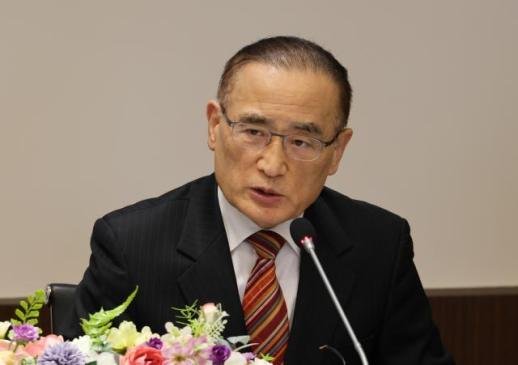 National Security Chief Wei Sung-lak Visits Kazakhstan for Energy Cooperation Talks Wei Sung-lak, the head of South Korea's National Security Office, is set to depart for Kazakhstan on May 28.The Blue House announced that Wei is visiting Kazakhstan, a key trading and investment partner in Central Asia, to discuss preparations for the upcoming Korea-Central Asia Summit scheduled for September.During his visit, Wei will meet with officials from the Kazakh presidential office to review the summit's preparations and coordinate plans for Kazakh President Kassym-Jomart Tokayev's visit to South Korea.Additionally, discussions will cover regional stability and cooperation in energy supply chains.Earlier, South Korea and the five Central Asian countries—Kazakhstan, Uzbekistan, Turkmenistan, Tajikistan, and Kyrgyzstan—agreed to establish the Korea-Central Asia Summit in 2024, with the inaugural meeting set to take place in South Korea on September 16-17.A Blue House official stated, "Our government plans to maintain close communication with Central Asian countries, including Kazakhstan, to ensure the successful hosting of the Korea-Central Asia Summit."* This article has been translated by AI. 2026-05-28 10:43:21