
Journalist

Seo Hye Seung
-
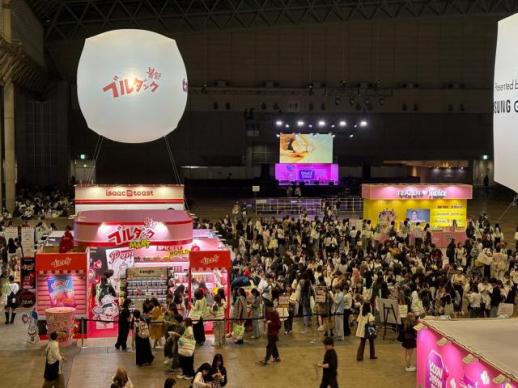 Korean food giants pitch K-cuisine to Japanese fans at KCON 2026 SEOUL, May 11 (AJP) - South Korea's two largest packaged-food exporters turned a K-pop convention in Japan's Chiba into a showcase for Korean cuisine over the weekend, as CJ CheilJedang and Samyang Foods drew long lines at branded experience booths during KCON Japan 2026. The three-day festival, held at Makuhari Messe from May 8 to 10, gave both companies a stage to court Japanese consumers, a market they have flagged as central to their global expansion plans, the companies said on Monday. CJ CheilJedang operated a Bibigo booth themed around K-pop boy group ZeroBaseOne under the slogan "Happy Bibigo day," anchored by an oversized cake display at the entrance. The company served about 20,000 servings of dumplings and its Micho vinegar drink from a food truck that drew queues throughout the festival. Samyang Foods, maker of the Buldak spicy noodle brand, recreated a Han River convenience store inside its "Buldak Mart" booth. The company pre-released "Sweecy Buldak," a milder sweet-and-spicy variant set to launch in Japan this summer, and sampled its four-cheese Buldak potato chips. The push comes as both firms double down on Japan. CJ CheilJedang completed a dumpling factory in Kisarazu, Chiba last September after investing about 100 billion won ($68 million), and its new Bibigo Mandu Gyoza product booked first-month sales of about 700 million won after a March launch. Bibigo dumplings crossed 10 percent market share in Japan in March for the first time, and CJ products are now sold at roughly 40,000 retail outlets including AEON, Costco, Amazon, Rakuten and Don Quijote, the company said. "KCON Japan is a flagship event where Japanese consumers can experience K-food alongside K-culture," said a Samyang Foods official, adding that the company would keep expanding consumer touchpoints through differentiated content and experiential marketing. 2026-05-11 11:33:27
 -
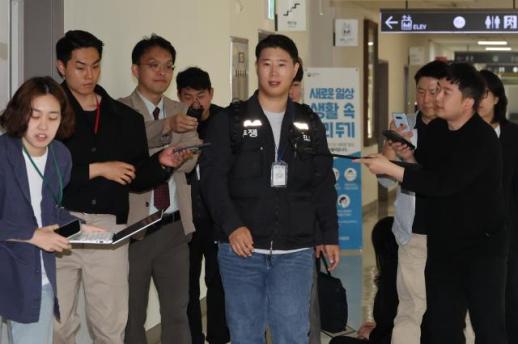 Samsung Electronics labor talks begin under government mediation SEOUL, May 11 (AJP) - Samsung Electronics and its union began two days of intensive talks Monday under government mediation in a bid to avert a full-scale strike planned for next week, though prospects for a breakthrough remained uncertain as both sides held firm on bonus demands tied to the semiconductor boom. Speaking before a post-mediation session at the National Labor Relations Commission in central Seoul, SELU Chairman Choi Seung-ho said the union stood by its demand to allocate 15 percent of Samsung Electronics’ operating profit to employee bonuses and abolish bonus caps through a formalized system. “We continue to demand a 15 percent operating profit-based bonus system and the abolition of the ceiling,” Choi told reporters. “If the company has no position on institutionalizing this, we believe mediation will not be possible even today.” Choi accused management of failing to honor previous promises to reserve earnings during profitable years and use them to cushion compensation during downturns. “The company previously said it would accumulate profits during good years and use them to support workers during deficit periods, but it failed to keep that promise,” he said. “Simple written wording is no longer enough for us to trust. We are looking for a clearly institutionalized framework.” At the same time, Choi signaled limited room for compromise, saying the union would consider its stance if the company presents a “forward-looking change.” The union also reaffirmed that it would not discuss creating a company-wide shared bonus pool for non-semiconductor divisions during the current negotiations, despite rising internal tensions over widening compensation gaps between chip workers and employees in other business units. Asked whether disagreements within the labor coalition over the issue had been resolved, Choi said the union could not reverse a position already jointly agreed upon by the three participating labor groups. “We do not want to create controversy over insincere bargaining,” he said. “Our direction remains unchanged.” He added that the union, now legally recognized as Samsung Electronics’ majority labor organization, plans to actively review the broader shared-fund issue next year. The SELU, which has more than 40,000 members, has threatened an 18-day general strike beginning May 21 after wage negotiations broke down over bonuses tied to the AI-driven semiconductor supercycle. The standoff comes as Samsung Electronics races to narrow the gap with rival SK hynix in high-bandwidth memory chips used in artificial intelligence servers, heightening concerns that any disruption at semiconductor fabrication lines could hit output at a sensitive moment for the global AI supply chain. 2026-05-11 11:30:14
 -
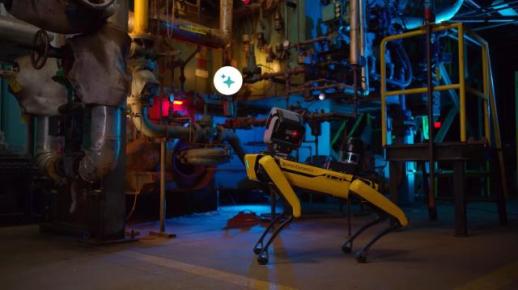 Robots on the Border: The Future of Warfare Designed by Humans Hyundai Motor Group is exploring the deployment of robots in collaboration with the Army. The plan involves a phased approach, starting with non-combat areas such as reconnaissance, search, surveillance, and logistics. Amid structural pressures to reduce troop levels, robots are emerging as a practical alternative to fill operational gaps. This initiative is significant not just for the introduction of new equipment, but as a starting point for transforming military operations. The South Korean military faces a clear challenge: its standing forces are continuously decreasing. Maintaining a human-centered border and patrol system is becoming increasingly difficult in this context. Simply extending service periods or strengthening reserve forces offers limited solutions. Ultimately, restructuring military capabilities through technology is unavoidable, with robots at the forefront. The equipment mentioned in this collaboration includes technologies already validated in industrial settings. Notable examples are Hyundai's mobility platform 'Mobed', the wearable robot 'X-ble Shoulder', and its subsidiary Boston Dynamics' four-legged robot 'Spot'. These devices demonstrate high efficiency in challenging terrain, load assistance, and remote monitoring. When deployed in combat zones, they are expected to reduce soldiers' exposure to danger and enhance operational sustainability. This trend is not unique to South Korea. Major military powers worldwide are integrating robots and unmanned systems into their core capabilities. The United States is a leading example. The U.S. Department of Defense has been promoting a 'manned-unmanned integrated combat system' as a core strategy for several years. In particular, the U.S. Army is expanding its robotic capabilities to address both troop reduction and operational efficiency. Boston Dynamics' robots have been tested by the U.S. military for various applications, including bomb disposal, reconnaissance, and access to hazardous areas. Israel is the most proactive in terms of real-world application. It has deployed unmanned surveillance systems and automated border equipment in border areas to reduce reliance on personnel. Unmanned watchtowers, remote firing systems, and autonomous patrol vehicles are already operational, creating a structure where borders can be maintained without human presence in some areas. This has improved response times while reducing troop levels. China is also rapidly advancing in this area. It is developing an 'intelligent combat system' that combines robotic dogs, unmanned vehicles, and drone swarms. Experiments utilizing robots in border conflict zones and urban operational environments are continually being showcased. This is not merely a demonstration of technology but a strategic move to seize the concept of future battlefields. Thus, robotic capabilities have entered the realm of 'competition' rather than mere 'choice.' Falling behind could lead to a power gap that is not just a numerical disadvantage but a structural weakness. In this context, Hyundai Motor Group's role is noteworthy. Chung Eui-sun, the chairman, has long positioned robots as a core future industry. The acquisition of Boston Dynamics, development of wearable robots, and accumulation of autonomous driving technology are strategies aimed at transcending the automotive industry. Ultimately, this investment connects not only to industrial competitiveness but also to national security capabilities. Importantly, robotic technology has a 'dual-use' nature. Technologies developed in industry transition to the military, and those validated by the military spread back into industry. This creates a virtuous cycle that enhances national technological competitiveness beyond mere defense industries. However, the introduction of robotic capabilities is not merely about purchasing equipment. Three structural changes are necessary. First, there is a need for technological integration. Robots do not operate in isolation. They must be combined with communication, artificial intelligence, sensors, and data processing systems to function as a cohesive force. Thus, the introduction of robots implies a digital transformation of the entire military. Without network-based operational capabilities, robots will remain mere machines. Second, there must be a redesign of operational concepts. The existing military is organized around human soldiers. With the introduction of robots, operational methods, command structures, and training approaches must all change. For instance, if robots perform reconnaissance missions, soldiers will focus on judgment and control roles. This requires a restructuring of the military organization's role itself. Third, a cooperative structure between industry and the military must be established. The collaboration between Hyundai and the Army is a starting point. The military's performance and requirements must be reflected in industry, and the technologies developed by industry must be validated in real-world military applications. This will enhance the completeness of the technology and accelerate development speed. Of course, there are concerns. The deployment of robots in combat raises ethical and safety issues. Autonomous weapons, malfunctioning, and control problems are subjects of ongoing international debate. However, a gradual approach, starting with non-combat areas, is a practical way to manage these risks. It is important to develop technology within a controllable scope rather than rejecting it outright. Another point to consider is the cost-effectiveness. While robotic capabilities require significant initial investment, they can reduce long-term personnel maintenance and risk costs. Particularly in a context of declining population, the economic viability of robots as alternatives is likely to increase. Ultimately, the question is simple: Will troop reductions be viewed solely as a crisis, or as an opportunity to innovate military structure? The era of robot soldiers has already begun. The challenge is whether to follow this trend or to lead it. Hyundai Motor Group's actions suggest a clear direction: a structure where technology originating in industry expands into security, and where private companies form part of national power. This is no longer a story of the future. A border protected by robots is an inevitable trend. The important question is how that border will be designed. The technology is already prepared. What remains is the strategy and determination.* This article has been translated by AI. 2026-05-11 11:28:45
 -
 Fifty Fifty announces June 1 comeback with new mini-album SEOUL, May 11 (AJP) - South Korean girl group Fifty Fifty will return with a new mini-album on June 1, marking the quintet's first release in seven months. The agency Attrakt announced the comeback on Monday, confirming the release of the group's fourth mini-album. The new project, titled Imperfect-I'mperfect, conveys a message that one is perfect even if incomplete. It follows the digital single Too Much Part 1. which was released in November 2025. Fifty Fifty underwent a major reorganization in September 2024, transitioning into a five-member group centered on original member Keena. The current lineup includes Keena, Chanelle Moon, Yewon, Hana, and Athena. The group has seen significant international success recently, particularly with the track Pookie which became a viral challenge last year. Their digital single Skittlez also reached the Billboard Pop Airplay chart in the United States. A promotional poster released by the agency shows the five members holding hands in a forest setting with matching hairstyles. The mini-album Imperfect-I'mperfect is set for release on June 1. 2026-05-11 11:28:00
 -
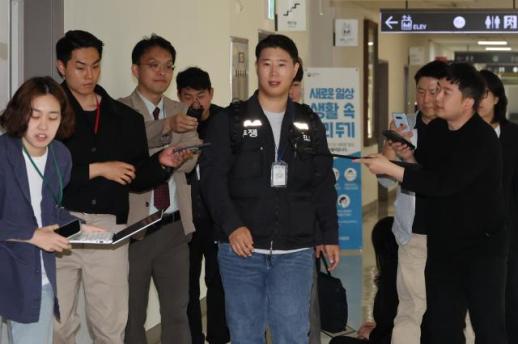 Samsung Union Leader Calls for Institutionalization of Performance Bonuses Choi Seung-ho, chairman of the Samsung Electronics union, stated that if the company does not show progress on institutionalizing performance bonuses, he will declare a breakdown in negotiations.Speaking to reporters before a post-adjustment meeting at the Central Labor Relations Commission in Sejong on May 11, Choi said, "We continue to demand a performance bonus of 15% of operating profit and the elimination of caps, as well as institutionalization. If the company has no position on institutionalization, we believe that negotiations will not proceed today."Choi expressed skepticism about mere verbal assurances, stating, "I cannot trust the term 'written agreement' and will look at this from the perspective of institutionalization. Since the CEO has stated that there will be no restrictions on performance bonuses based on operating profit, I hope the company makes a proactive decision."Regarding the establishment of a common performance bonus fund for the struggling DX division, which includes mobile and home appliances, he clarified, "It is difficult to change the policy at this point," reiterating that this issue is excluded from the current negotiations.However, Choi added, "As we have been legally recognized as a majority labor union, we plan to actively consider this matter next year."Samsung Electronics and its labor union began a two-day post-adjustment procedure on May 11 and will continue discussions on wage negotiations centered around performance bonuses until May 12. This follows 45 days since their last dialogue in March.The post-adjustment process involves the Labor Commission intervening with the consent of both parties to facilitate a final agreement. The negotiations will proceed under a 'single mediator procedure' led by a jointly recommended commissioner from both sides.* This article has been translated by AI. 2026-05-11 11:27:03
 -
 Netanyahu: Iran War Won't End Without Uranium Removal and Facility Dismantling Israeli Prime Minister Benjamin Netanyahu stated that the war with Iran will not conclude until the removal of high-enriched uranium and the dismantling of nuclear facilities are achieved. In an interview on CBS's "60 Minutes" on May 10, Netanyahu said, "I believe this war has achieved many results, but it is not over yet," citing the remaining nuclear materials and enriched uranium that must be exported from Iran. He added, "There are still enrichment facilities that need to be dismantled, and there are ballistic missiles that proxy forces supported by Iran are trying to produce. We have weakened many of these elements, but all of them still exist, and there is work to be done." Regarding high-enriched uranium, he stated, "It can be removed if we go in and take it out," but he refrained from discussing specific military options, including the potential deployment of Israeli or U.S. special forces. Netanyahu recalled a conversation with former President Donald Trump, saying, "What he told me was, 'I want to go in there.' I believe it is physically possible. If there is an agreement and we can go in and take it out, why not? That would be the best way." International nuclear monitoring agencies estimate that Iran possesses approximately 970 pounds (about 440 kg) of bomb-grade high-enriched uranium. However, when asked if military force could be used to remove the uranium if negotiations fail, Netanyahu avoided a direct answer, stating, "I will not discuss military possibilities or plans." He also declined to provide a specific timeline for resolving the uranium issue, emphasizing that it is a "very important mission." Netanyahu indicated that even if the war with Iran ends, the front with Hezbollah may continue separately. He noted that Iran might seek to include the Hezbollah front in any ceasefire agreement, but Israel must eliminate threats targeting its cities and border areas. He also claimed that if the Iranian regime weakens or collapses, the regional proxy networks established by Iran, including Hezbollah, Hamas, and the Houthis, could also fall apart. However, he cautioned that while the overthrow of the Iranian regime is possible, it is not guaranteed.* This article has been translated by AI. 2026-05-11 11:25:23
 -
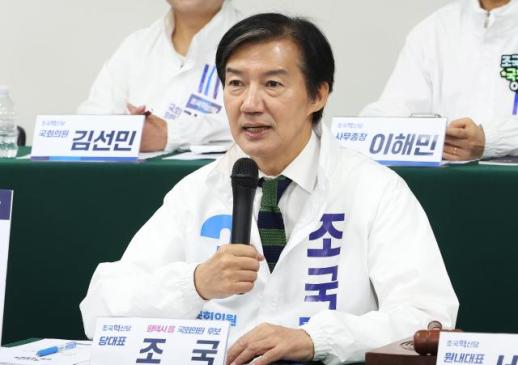 Innovation Party Proposes Special Law for Pyeongtaek Support Amid Election Challenges The Jo Guk Innovation Party launched a full-scale support effort for its leader Jo Guk on May 11 by proposing an amendment to the Pyeongtaek Support Special Law, ahead of the June 3 by-election in Pyeongtaek. However, negotiations for a potential unification with the Democratic Party candidate Kim Yong-nam are facing difficulties amid ongoing disputes. On the same day, floor leader Seo Wang-jin submitted the bill to the National Assembly and explained to reporters, "The purpose of this amendment is to ensure that the promises made by the government regarding special support for Pyeongtaek since the relocation of U.S. military bases are properly fulfilled, addressing areas that have been lacking." The previous day, the Innovation Party held an on-site general meeting in Pyeongtaek and adopted the amendment to the Pyeongtaek Support Special Law as its party line. The proposed amendment includes provisions for establishing and implementing traffic improvement measures for local residents, legalizing national subsidies outlined in the enforcement decree, and abolishing the sunset clause. Jo stated, "Pyeongtaek is home to the world's largest single semiconductor factory, the Samsung Electronics campus, and the largest U.S. military base, Camp Humphreys. I will elevate Pyeongtaek, a strong leader in artificial intelligence and a symbol of the Korea-U.S. alliance, to the next level." He acknowledged that many projects have been carried out under the Pyeongtaek Support Special Law enacted in 2005 but emphasized, "It is insufficient to support national security and industrial strategy. To ensure stable business operations and consistent development strategies, the sunset clause must be removed." Furthermore, Jo expressed confidence, stating, "The amendment, which the Innovation Party has endorsed, will serve as a strong support for me and a source of hope for the residents of Pyeongtaek. The Innovation Party will demonstrate its commitment through action, not just words." The Pyeongtaek constituency is considered a major battleground in the upcoming election, with a multi-candidate race. The potential for unification is seen as a key factor. In the progressive camp, candidates include Jo, Kim Yong-nam, and Kim Jae-yeon, the leader of the Progressive Party, while the conservative camp features Yoo Ui-dong, a three-term candidate from the People Power Party, and Hwang Kyo-ahn, leader of the Liberty and Innovation Party. Some analysts suggest that if the progressive and conservative camps do not unify, the conservative candidate may benefit from less vote splitting. Jo and Kim Yong-nam have been engaged in a heated exchange. Kim has previously raised allegations regarding Jo's family's private equity fund, earning the nickname "Jo Guk sniper." On the same day, Jo criticized Kim during an appearance on YTN Radio, stating, "I find it hard to understand why he refuses to apologize for his serious comments regarding the Itaewon and Sewol ferry disasters." The tension has escalated to a party level. The previous day, Democratic Party spokesperson Park Ji-hye remarked, "It is difficult to understand the contradiction of attacking the Democratic candidate while shouting 'People Power Zero.'" In response, Lim Myung-hee, spokesperson for the Innovation Party, countered, "Instead of answering whether the belief that 'the state should protect the lives and safety of its citizens' is wrong, Kim Yong-nam has made remarks labeling Jo as a criminal." Additionally, Jo Seung-rae, the Democratic Party's secretary-general, indicated that some members of the Innovation Party are attempting to recruit individuals who have faced disciplinary actions or exclusion from nominations within the Democratic Party, suggesting, "If it affects mutual trust, it might be better not to proceed."* This article has been translated by AI. 2026-05-11 11:23:23
 -
 S-OIL Reports 1st Quarter Operating Profit of 1.23 Trillion Won Amid Rising Oil Prices S-OIL announced on May 11 that it recorded a consolidated revenue of 8.94 trillion won and an operating profit of 1.23 trillion won for the first quarter of this year. This marks an increase of approximately 231% compared to the previous quarter's operating profit of 371.9 billion won, and a turnaround from an operating loss of 21.5 billion won in the first quarter of last year. The net profit was reported at 721 billion won. The operating profit was significantly influenced by inventory effects due to rising oil prices, which accounted for more than half of the total. Despite the impact of scheduled maintenance and the implementation of a maximum oil price policy, the refining division's profits improved compared to the previous quarter due to a lagging effect. This lagging effect arises from the time difference between crude oil purchases and product sales, leading to a cost input delay. By business segment, the refining division reported sales of 7.10 trillion won and an operating profit of 1.04 trillion won. The petrochemical division achieved sales of 1.10 trillion won and a slight operating profit of 25.5 billion won. The lubricants division recorded sales of 737 billion won and an operating profit of 166.6 billion won. The refining division benefited from a surge in oil prices due to disruptions in global crude supply caused by the blockade of the Strait of Hormuz. Additionally, reduced operations at regional refineries and export restrictions from some countries led to an expanded spread between gasoline and diesel, boosting refining margins in Asia. In the petrochemical division, high operating rates at downstream facilities in China improved the aromatic market conditions. However, since March, a sharp rise in raw material prices has dampened demand, leading to a decline in spreads. The olefin downstream also faced worsened profitability due to soaring raw material prices following the Middle East conflict, although the drop in propylene oxide (PO) prices was relatively limited due to downstream demand effects. In the lubricants division, despite tight supply conditions, the increase in raw material prices outpaced product price increases, resulting in a decline in spreads. S-OIL anticipates that solid market conditions will continue into the second quarter due to supply disruptions. However, it warned of potential risks to profitability from inventory-related losses and lagging effects if oil prices decline in the future. S-OIL stated, "We are maintaining a stable crude oil import system despite increasing uncertainties in supply and demand." The Shahin project reported an EPC (engineering, procurement, and construction) progress rate of 96.9% as of the end of April, with plans for mechanical completion by the end of June. Major equipment installations have been completed, and the company aims to prepare for commercial operations by the end of the year after conducting trial runs. A company official stated, "There are no delays in the plan for mechanical completion by the end of June," adding that it is expected to be a positive project with competitive cost advantages in the global market.* This article has been translated by AI. 2026-05-11 11:16:49
 -
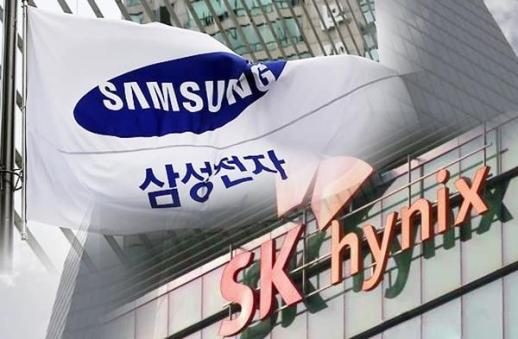 SK Hynix Hits 1.9 Million Won as Samsung Electronics Surges 7% SK Hynix reached a record high of 1.9 million won during trading, driven by strong demand expectations for artificial intelligence (AI) semiconductors, attracting significant foreign and institutional investment. According to the Korea Exchange, as of 10:58 a.m. on May 11, SK Hynix shares rose by 209,000 won (12.40%) to 1,895,000 won. The stock briefly touched the 1.9 million won mark, setting a new all-time high. Its market capitalization surged to approximately 1,350.57 trillion won. Market analysts suggest that ongoing investments in high-bandwidth memory (HBM) for AI semiconductors are fueling optimism about earnings. The competition among global tech giants to invest in AI infrastructure has led to increased buying interest in SK Hynix, a key player in Nvidia's supply chain. Investor sentiment also spread across major semiconductor stocks. At the same time, Samsung Electronics saw its shares rise by 7.26% to 288,000 won, with a market capitalization estimated at 1,683.73 trillion won. The combined market capitalization of Samsung Electronics and SK Hynix reached approximately 3,034 trillion won, highlighting their significant role in driving the domestic stock market's upward trend. Additionally, the day's gains appear to be influenced by the recent rise in the New York stock market over the weekend, driven by optimism surrounding a potential resolution to ongoing negotiations and better-than-expected employment figures. Last weekend, the tech-heavy Nasdaq index closed up 440.88 points (1.71%) at 26,247.08.* This article has been translated by AI. 2026-05-11 11:15:42
 -
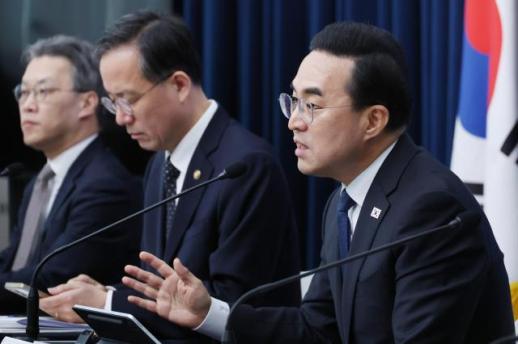 Minister Park Hong-keun: National Strategy Must Align with Fiscal Policy as Budget Office Opens On May 11, Minister Park Hong-keun of the Budget Office stated that a long-term national strategy must be established to address structural challenges such as demographic changes, industrial transformation, regional disparities, and climate crises. He emphasized the need to integrate fiscal policy with these strategies to make them a reality. Minister Park made these remarks during the opening ceremony of the Budget Office and a public pledge event held at the Government Sejong Complex. At the event, Minister Park and key officials placed their handprints on a plaque inscribed with the phrase "A New Future, Strong Finances, Happy Citizens," reaffirming their commitment to establishing a solid foundation for national finances and prioritizing the well-being of the public. In his opening remarks, Park highlighted that the Budget Office will be evaluated based on its achievements and outcomes, underscoring its primary responsibility as "designing the future of South Korea." He also stressed the importance of reflecting the voices of citizens throughout the entire budget process, ensuring that the budget leads to tangible improvements in people's lives. Furthermore, he noted that the Budget Office should be an organization capable of designing the future while also being effective, creating real changes that citizens can feel, and responding quickly and flexibly to challenges. Immediately following the opening ceremony, Minister Park chaired the fifth expanded executive meeting in the fourth-floor conference room of the Government Sejong Complex. He remarked that the relocation to the new office represents a true starting point for the organization, urging everyone to dedicate themselves to fulfilling the mission of the Budget Office. He particularly emphasized the need to faithfully incorporate the results of integrated financial project evaluations, which are central to performance-based financial management, into the budget formulation and expenditure restructuring processes. He called for efforts to ensure the principles of autonomy and accountability in financial management are realized. Minister Park also mentioned that the process of preparing the 2027 budget will begin with the submission of budget requests from various ministries at the end of this month. He urged preparations for the "Youth LiveTalk" event aimed at enhancing communication with future generations. Additionally, he encouraged the newly established organization not to fear failure and to position itself as a leader in creating a smart, AI-based work environment through diverse initiatives.* This article has been translated by AI. 2026-05-11 11:14:00