

SEOUL, December 2 (AJP) - For centuries, this region has been known for its food. With fertile fields and access to clean coastal waters, it offered ingredients from both land and sea, and its generous use of fermented seasonings created dishes with depth and warmth. This is Jeolla Province, the southern end of the Korean Peninsula.
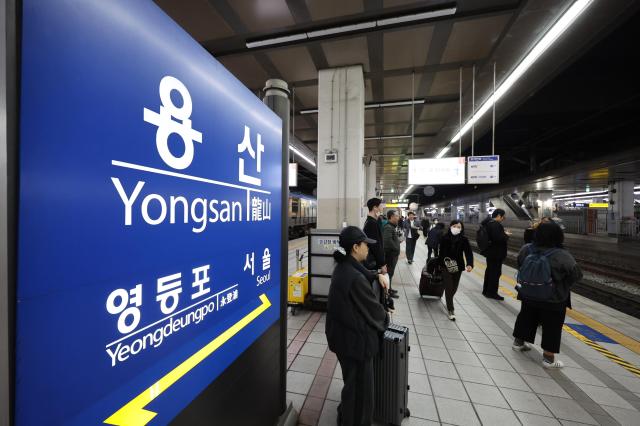
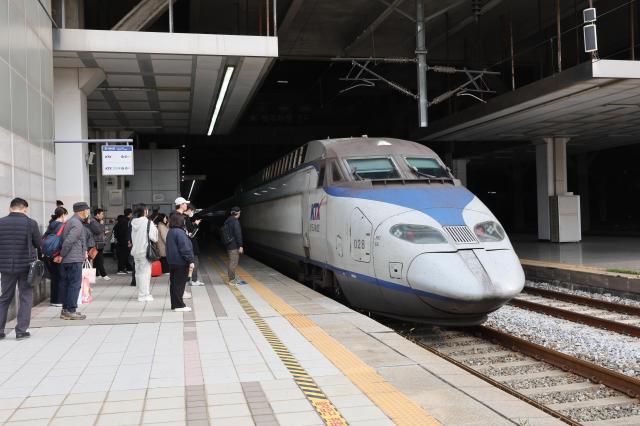
Yongsan Station in the morning still carried the last of the night’s energy. Passing through commuters and stepping onto the KTX platform, the city felt as fast as ever, but the moment the train pulled away and the first fields replaced the gray skyline, the pace shifted. It felt as if the train was lowering itself into a slower time — not rushing forward, but easing into a different rhythm.
The plan for the day was simple: get off at a station and, within walking distance, eat what locals have eaten for decades. No complicated routes, no long transfers — just a slow walk into someone else’s everyday life.
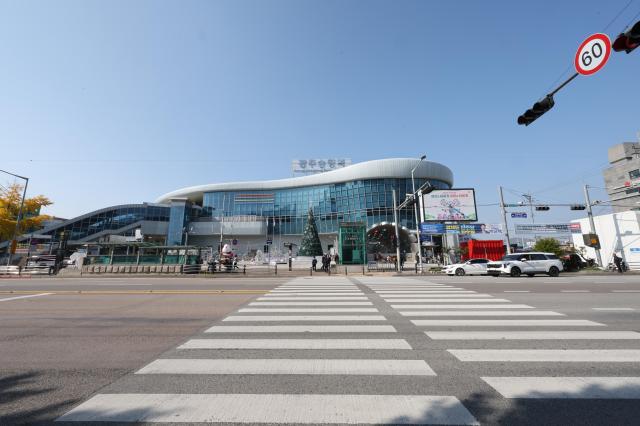
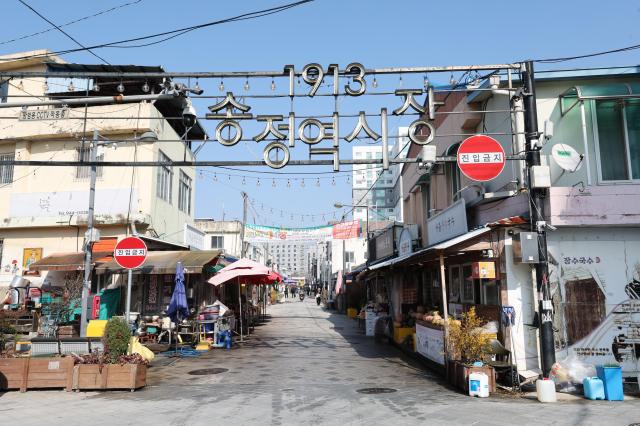
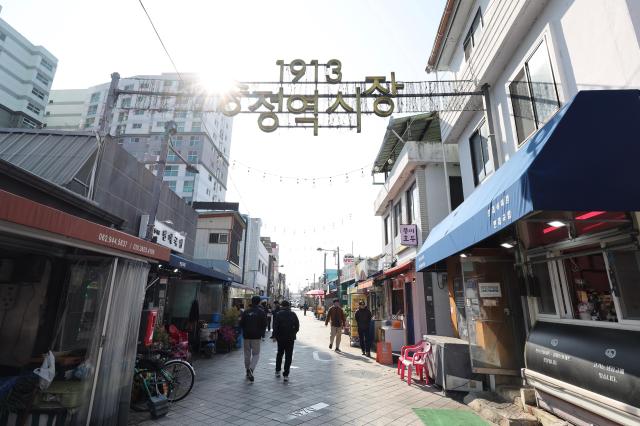
Stepping out of Gwangju Songjeong Station, the first impression was quietness. Even right outside the station, the street was calm, and the alley leading to 1913 Songjeong Market was emptier than expected. It felt like a place where time had slowed as the years changed and the city around it shrank and shifted. Coming straight from the noise of Seoul, the contrast felt almost unreal — as if one train ride had moved time, not distance.
– Bibim-guksu, vegetable pajeon, and the old taste of “sugar noodles” –
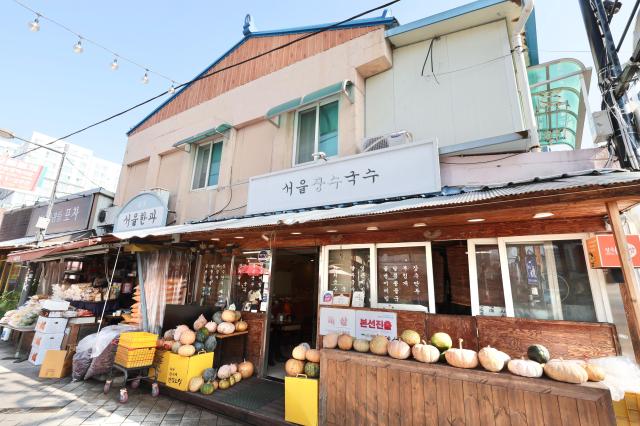
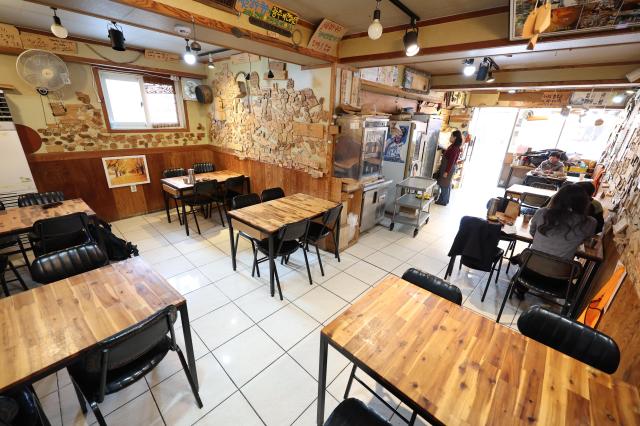
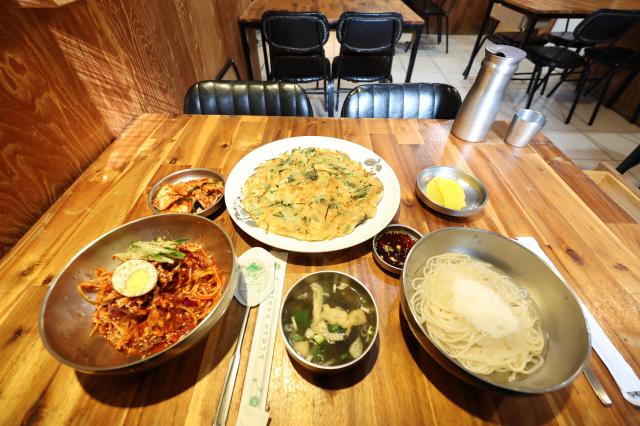
Inside the market, old signs and small shops lined the narrow path, and soft music drifted out from somewhere deeper inside. The first meal was bibim-guksu. Handmade noodles had a firm, springy texture, and the tangy dressing pulled the flavors together cleanly.
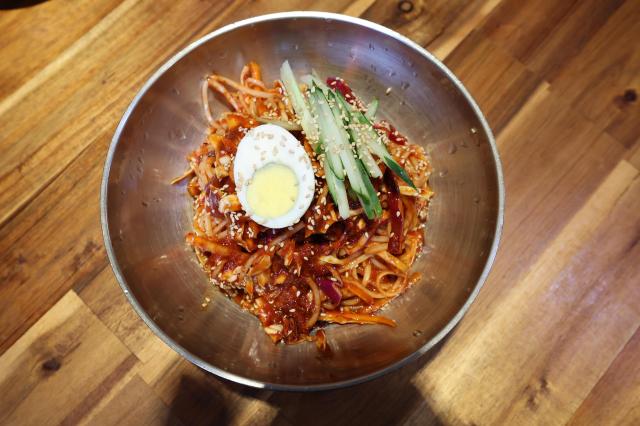
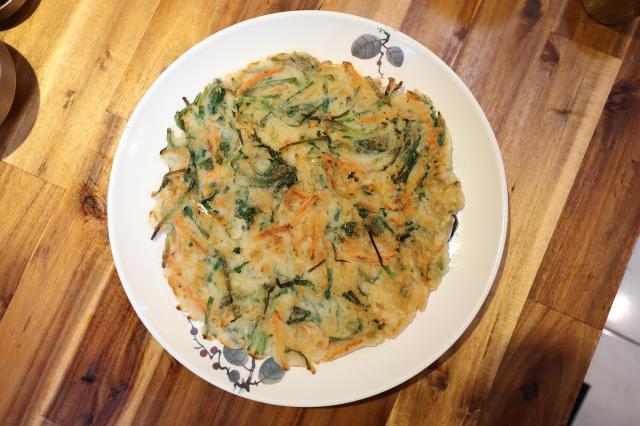
Freshly made vegetable pajeon was soft in the middle, and with the noodles it felt balanced rather than heavy. The walls filled with TV still-cuts and visitors’ notes made the simple dishes feel like part of the market’s long memory.
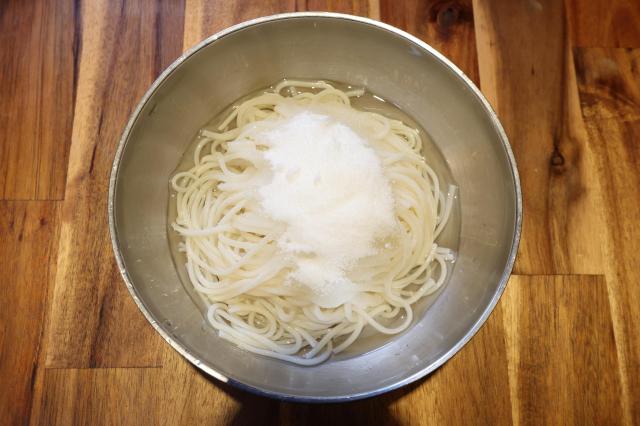
Then came sugar noodles — something rarely seen now but once a common snack for market vendors and field hands in the 1960s and 1970s. Cold broth, plain noodles, and a sprinkle of sugar. Just sweetness and chill — nothing more. In years when even sugar was scarce, saccharin was used instead. The simplicity carried a kind of quiet nostalgia that felt tied to the place more than to the bowl.
– A full Jeolla-style table with tteokgalbi –
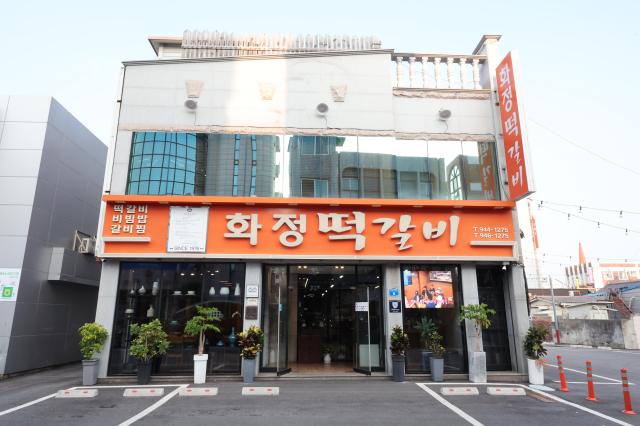
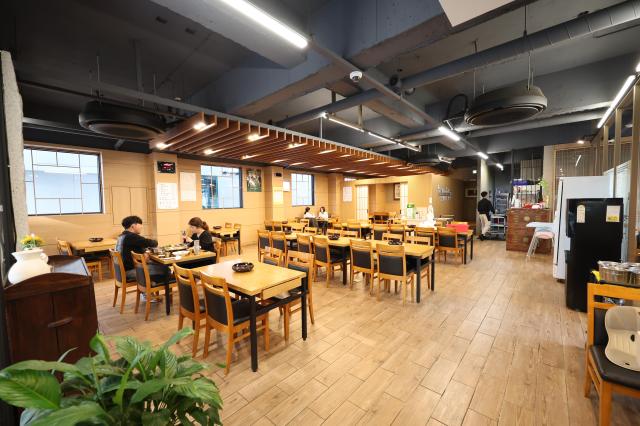
A short walk from the market led to an alley filled with the smell of charcoal. Here, tteokgalbi is served with a tableful of side dishes that feel closer to a home meal than a restaurant setting.
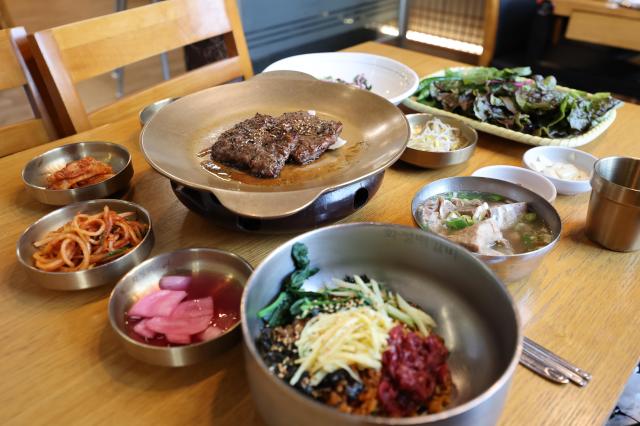
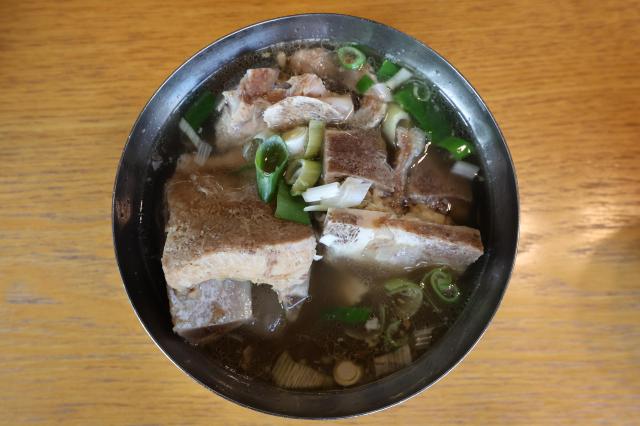
A large bowl of pork backbone soup arrived first, alongside greens, aged kimchi, and pickled vegetables. It was a kind of generosity hard to replicate in the city.
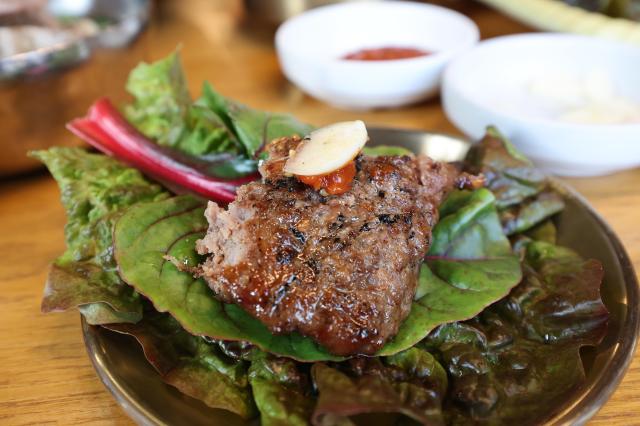
The tteokgalbi itself was thick, with a smoky bite that filled the mouth. Despite being minced, it still had the feel of chewing into whole meat, and the sauce struck a familiar sweet-savory balance. Wrapped in lettuce it felt clean, and over rice it turned into a different kind of richness.
A small yukhoe bibimbap on the side was also satisfying — sweet pear, seasoned meat, and gochujang blending easily. The light broth in between made the meal steady and unhurried.
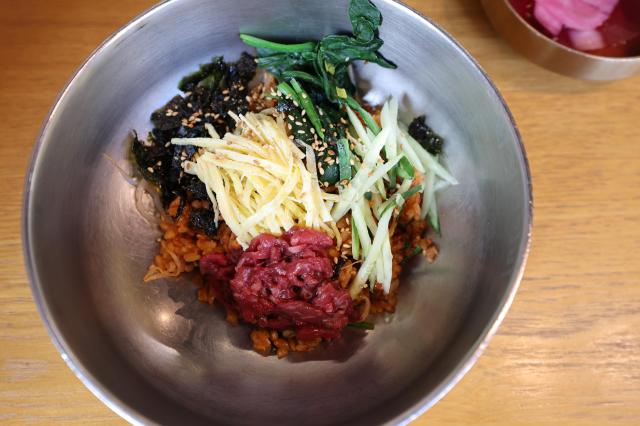
– A Jeolla trip completed in one bite of sangchu twigim –
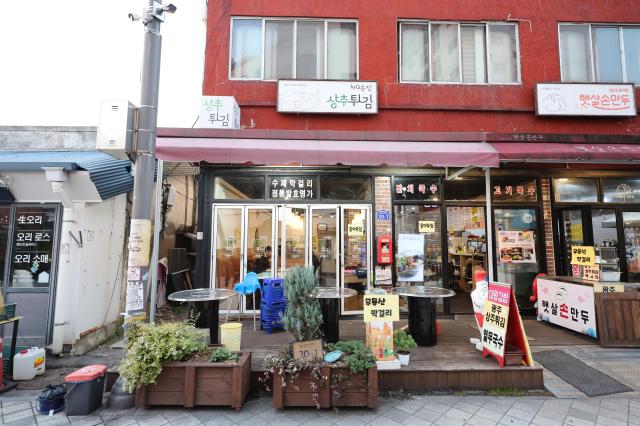
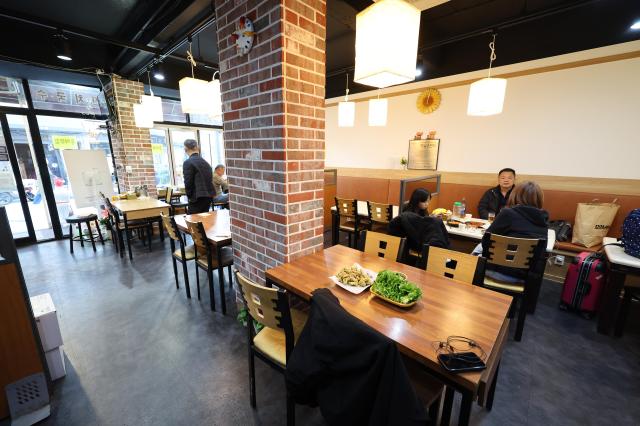
For the final taste, the camera and the steps returned to the market: sangchu-twigim. A local favorite, and a bit unusual to outsiders. Various vegetables — sweet potato, squid, perilla shoots, seasonal roots — are fried and wrapped in fresh lettuce with soy or a peppered dipping sauce. One bite holds multiple textures at once, and the lettuce keeps the flavors bright.
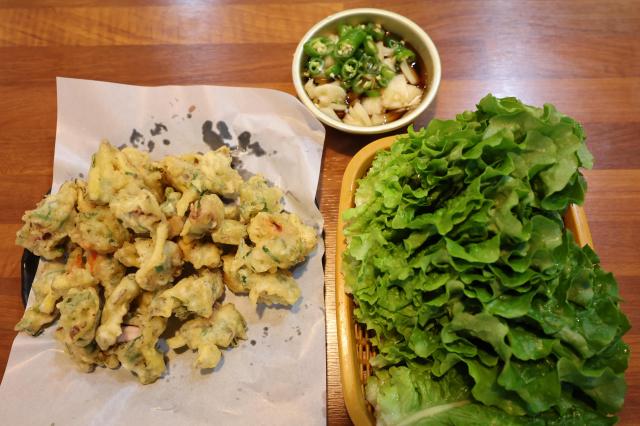
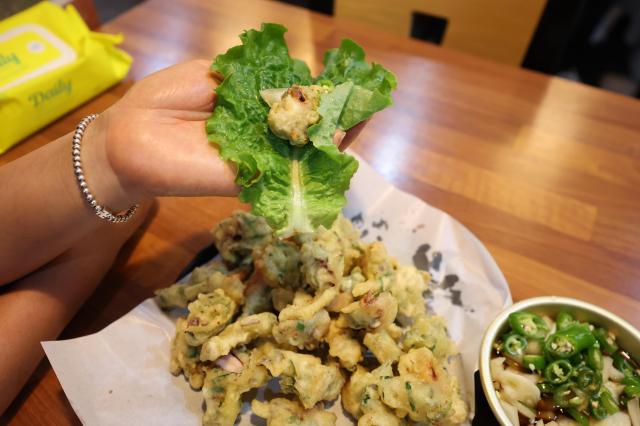
Sitting at the small table and taking a bite, the day already felt full — even though only a few hours had passed since stepping off the train.
Walking back toward the station, the quietness returned. The market breathed slowly, in its own time. There was no rush, no noise, and in that space, the meaning of old food and local pace felt clearer than before.
The day showed that a trip does not need distance to feel deep. A station, a market, and the flavors held inside their history — that was enough for a slow walk across an older time.

Copyright ⓒ Aju Press All rights reserved.
