SEOUL, December 8 (AJP) - The National Assembly has become a battleground of extreme confrontation rather than a forum for meaningful discussion. Deep political polarization, where each party sees itself as righteous and the other as fundamentally wrong, has eroded any space for compromise or dialogue.
The concentration of power by a dominant party has encouraged authoritarian tendencies and shifted politics toward identity-based conflict rather than practical problem-solving. This dynamic is further reinforced by the presidential system, where each change in administration brings a near-total reset of national policies every five years, undermining continuity and long-term stability.
Several reforms could help address these challenges including revising the electoral system to strengthen proportional representation and encourage coalition-based governance, democratizing party nomination processes, and exploring a semi-presidential or parliamentary system to reduce the excessive concentration of power in the presidency.
Stronger ethical standards for politicians are also essential including strict penalties for unethical conduct, and the media must shift its focus from sensationalism to substantive policy issues. Citizens, in turn, should engage critically and judge politicians based on their responsibility and performance rather than partisan loyalty.
Finally, there is an urgent need to resolve the ongoing trials related to disgraced former President Yoon Suk Yeol's botched Dec. 3 declaration of martial law, which have stoked social tensions and eroded public trust in the legal system. Prolonged proceedings risk undermining faith in democratic institutions and diverting attention from pressing economic and social challenges. Transparent judicial processes are essential to restore confidence in the rule of law.
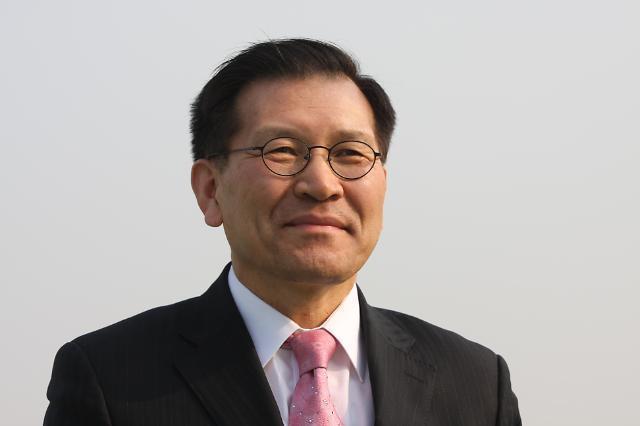
By Kim Young-yoon, president of the Korea Logistics Forum
* This article, published by Aju Business Daily, was translated by AI.
Copyright ⓒ Aju Press All rights reserved.