SEOUL, January 12 (AJP) - Soaring memory chip prices, compounded by a weak won, are pushing up the cost of electronics in South Korea, from laptops and smartphones to AI-driven devices such as robots and autonomous systems.
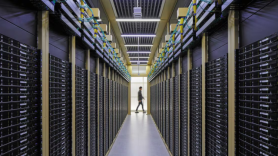
All computing devices rely on memory chips, and the rapid expansion of hyperscale data centers and artificial intelligence has tightened global supply. As chipmakers prioritize high-performance memory for AI servers, device manufacturers and retailers are scrambling to secure components, driving up prices across the electronics market.
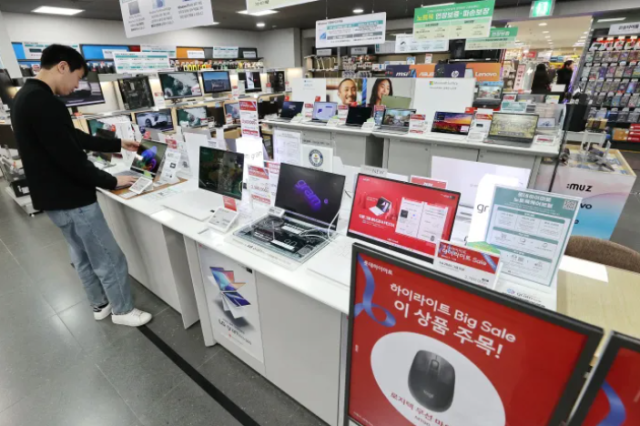
“Simply put, today is the cheapest day to buy a laptop,” said a vendor at Seoul’s Yongsan electronics shopping mall, a longtime barometer of consumer electronics demand.
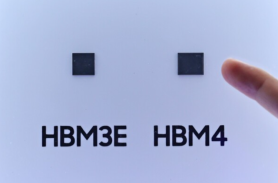
Woo, a manager at Seoul’s Yongsan electronics shopping mall, said the shortage stems from chipmakers diverting conventional DRAM capacity to high-bandwidth memory used in AI workloads, leaving limited supply for consumer devices.
“Demand is surging, but inventories are tight, and buyers are willing to pay a premium to secure components,” he said. “That has effectively doubled prices. This has been going on for the past two to three months, and I expect the market to remain tight at least through April or May.”
Despite rising prices, sales have yet to slow meaningfully, he added.
“Even with higher costs, people who need PCs right away are still buying,” Woo said. “At our store alone, around 100 custom PC orders were registered over the weekend, and in some cases deliveries are being delayed because supply cannot keep up.”
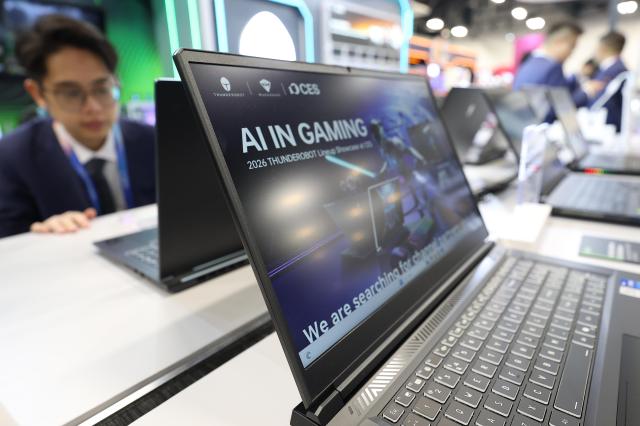
Many consumers, however, are hesitating. Kim Beom-jin, an office worker browsing during his lunch break, said he recently postponed a purchase.
“I was looking to buy a laptop, but when I came back, I was shocked by the price,” he said. “Now I’m trying to decide whether this is the right time to buy or if I should wait.”
Memory prices have risen sharply since the second half of last year. The average selling price of DDR eight-gigabit DRAM jumped from about $1.3 in March to roughly $8 in November, as major producers — Samsung Electronics, SK hynix and Micron — shifted capacity toward high-bandwidth memory for hyperscale servers and AI accelerators.
The increase in contract prices has already filtered through to device makers. PC manufacturers including HP and Dell have raised prices, citing higher component costs.
Market researcher TrendForce said the impact is becoming increasingly visible. The firm forecasts that PC DRAM contract prices could rise by as much as 60 percent in the first quarter of 2026, a move expected to translate into 5 to 15 percent increases in retail prices for laptops and smartphones this year.
Import costs are adding to the pressure. Statistics Korea data show prices for computer equipment and peripherals rose 15.2 percent in the fourth quarter of 2025 from the previous quarter, while semiconductor components, including memory chips, jumped 28.4 percent from a year earlier. The increase has been amplified by a weak won, as the currency hovered around 1,480 versus the U.S. dollar in December, losing more than 8 percent from 1,362 won in late June.
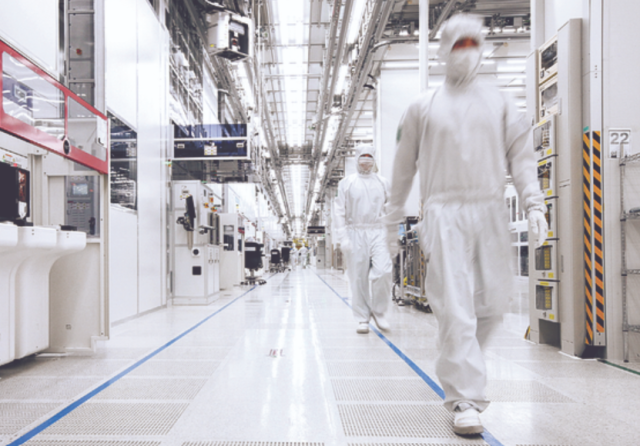
Supply constraints remain tight. TrendForce estimates that PC DRAM prices rose 15 to 20 percent between the fourth quarter of 2025 and the first quarter of 2026, while server DRAM prices surged more than 25 percent amid booming demand from AI data centers. With chipmakers allocating more than forty percent of wafer capacity to high-bandwidth memory, supplies of conventional DRAM for PCs and smartphones have tightened.
The impact is increasingly visible at retail. Average prices for gaming laptops equipped with Nvidia’s RTX 4060 have risen 25.5 percent since early 2024, while the cost of a standard 32-gigabyte DDR5 memory kit has jumped 62.5 percent over the same period. Mid-range custom PC builds are now about thirty percent more expensive than two years ago.
Smartphone prices are also climbing. Samsung’s next flagship Galaxy S model, expected to launch in 2026, is projected to be priced at around 1.93 million won, about 13 percent higher than the 2024 version, according to industry estimates. Apple’s iPhone Pro models are expected to be priced nearly twenty percent higher than two years earlier.
Kim Duk-gi, a professor of semiconductor systems engineering at Sejong University, said the current price surge reflects the inherently cyclical nature of the memory industry, now amplified by an unprecedented wave of AI investment.
“Memory is produced on a continuous, twenty-four-hour cycle, unlike logic chips that are designed to meet specific demand,” Kim said. “With the rapid expansion of AI data centers, demand has surged much faster than supply can adjust. That is why we are now in a shortage phase, but structurally, the industry will eventually swing back to oversupply.”
Kim added that the tight market is unlikely to ease quickly.
“The shortage is still relatively recent, so it will be difficult to resolve in the near term,” he said. “For now, elevated prices are likely to persist.”
Counterpoint Research estimates that in 2026, memory components could account for up to 35 percent of a device’s retail price, marking what it describes as the peak of “component-driven inflation” in the global electronics sector.

Copyright ⓒ Aju Press All rights reserved.