Editor’s Note: This is the first installment in AJP’s Seongsu series, which examines how Seoul’s former factory district transformed into a global hub for pop-ups, brand experiences and new forms of urban consumption.
SEOUL, January 23 (AJP) - On a Saturday in Seongsu-dong, a former factory district in eastern Seoul, the first thing you notice is not the clothes. It is the choreography.
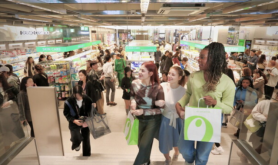
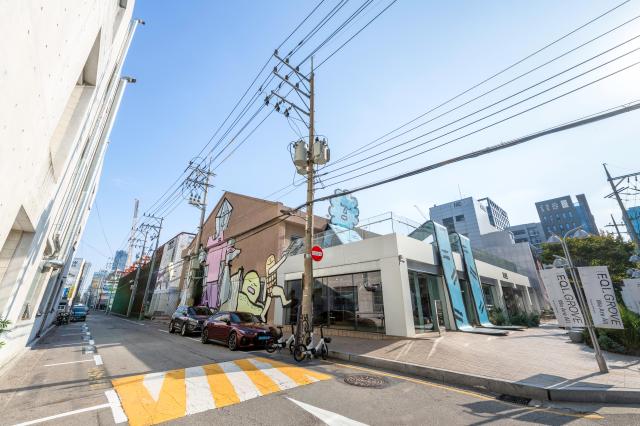
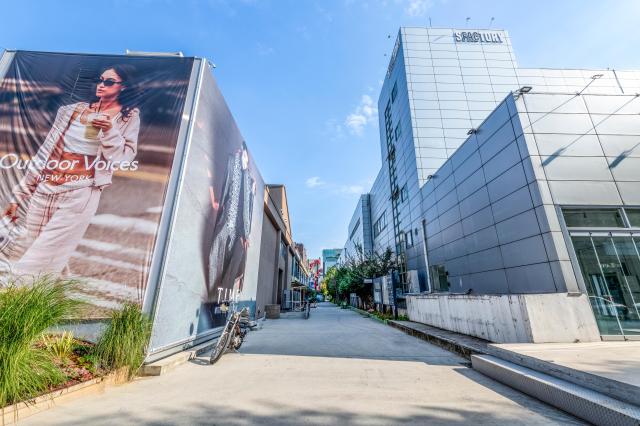
Pedestrians move in coordinated waves down Yeonmujang-gil, inching past café terraces that have colonized the curb and lines that wrap around buildings that once made things you wore for work — shoes, belts, leather uppers — not things you wore to be seen. Security guards stand where factory foremen once did, but the job has changed: no one is protecting a celebrity. They are managing crowd flow.
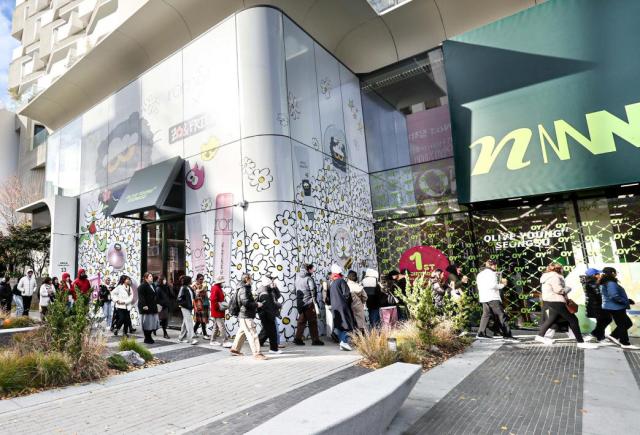
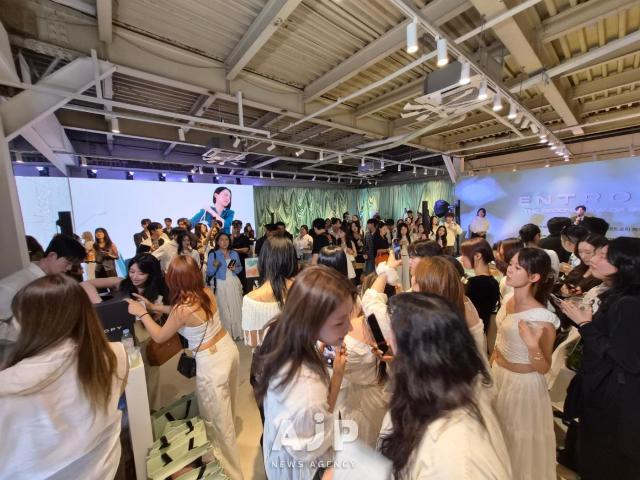
This is Seongsu-dong, the former industrial quarter that has become Korea’s most influential neighborhood for pop-ups, brand “experiences” and the kind of offline marketing that treats a street like a stage set. It is not the first place in the world to turn warehouses into retail. But it may be among the fastest to do it — and certainly among the most relentless.
From making shoes to making a scene
Seongsu’s origin story is unromantic by design. Built during Seoul’s industrial expansion of the 1970s and 1980s, the area filled with low-rise factories, leather workshops and auto repair shops. For decades, it was the kind of neighborhood you visited because you needed something fixed.
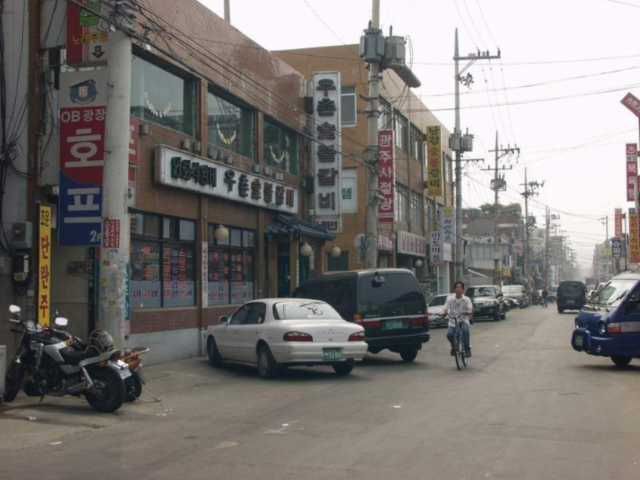
Then Seoul’s trend cycle caught up with it. In the mid-2010s, soaring rents in Garosu-gil and Hongdae pushed young brands and creatives eastward in search of space — real space — and fewer aesthetic expectations.
Seongsu offered both. Its buildings were worn and weathered, but they came with high ceilings, wide floor plates and minimal zoning friction. In other words, they were imperfect in exactly the right way. Concrete walls don’t argue with your concept. Brick warehouses photograph well. A former factory can become almost anything with the right lighting — and the right story.
After 2020, as the pandemic rewired consumer behavior and e-commerce became frictionless, brands rediscovered physical space not as a point of sale but as a platform for narrative. Shopping became secondary. Presence became the product.
The hype, quantified
By the end of 2025, Seongsu’s popularity was no longer anecdotal.
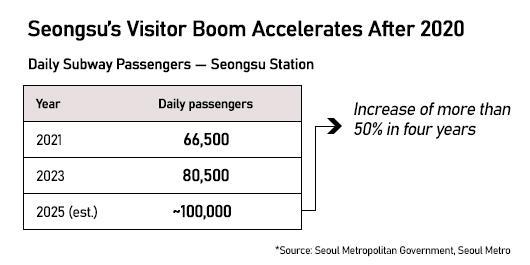
According to data from the Seoul Metropolitan Government and Seoul Metro, daily passenger traffic at Seongsu Station rose from about 66,500 in 2021 to nearly 100,000 in 2025 — an increase of more than 50 percent in just four years. What had once been an unremarkable stop climbed into the top tier of Seoul’s busiest subway stations.
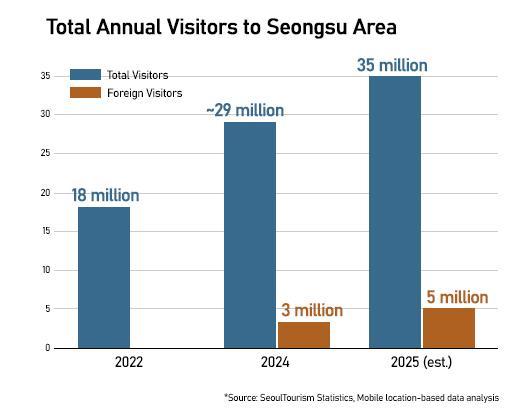
Visitor numbers across the broader Seongsu area tell an even sharper story. Annual visits rose from roughly 18 million in 2022 to nearly 29 million in 2024, with projections exceeding 35 million in 2025, based on Seoul tourism data and mobile-based location analysis.
The most consequential shift has been who is visiting. Foreign tourists surpassed 3 million in 2024 and are projected to reach 5 million by the end of 2025, drawn by global demand for Korean fashion, beauty and the promise of being physically present where trends appear to be made.
Seongsu did not just become popular. It became legible — a recognizable node on the global map of consumption districts.
Weekends at capacity
On weekdays, Seongsu can still pass for a neighborhood. Office workers from technology, mobility and fashion firms give the streets a utilitarian rhythm. On weekends, the area becomes something else entirely: a living queue.
Foot traffic runs 1.5 to 1.8 times higher than weekday levels, with Yeonmujang-gil now one of Seoul’s most congested pedestrian corridors. At peak hours, pedestrian density has reached as high as 7,500 people per hectare — a level officially classified by local authorities as “critically overcrowded.”
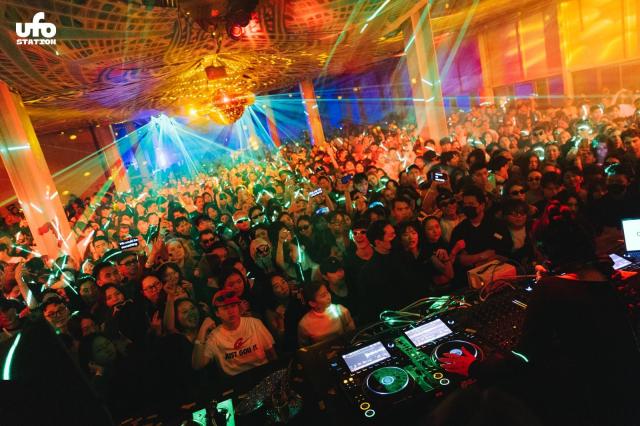
In response, Seoul and Seongdong District are reviewing safety measures, including redesigned exits and temporary pedestrian-only zones. Inevitably, these interventions risk making Seongsu feel less like an accidental discovery and more like a managed attraction.
Still, for many young visitors, the crowds are part of the appeal.
“Honestly, Seongsu really took off after COVID,” said Kim Ha-young, 28, a Seoul resident. “Before that, people our age used to go to Itaewon. Now if we make weekend plans, we almost automatically choose Seongsu. It’s hip, and there’s always a pop-up or something new. The chance of a boring outing feels very low.”
The pop-up machine
To visitors, Seongsu’s pop-up culture can seem spontaneous, as if new stores simply appear and vanish overnight. In reality, it operates more like a touring production.
Most brands rely on short-term space rentals that allow them to move in, activate and move out within days. The model depends on rapid installation, high turnover and the understanding that novelty has an expiration date.
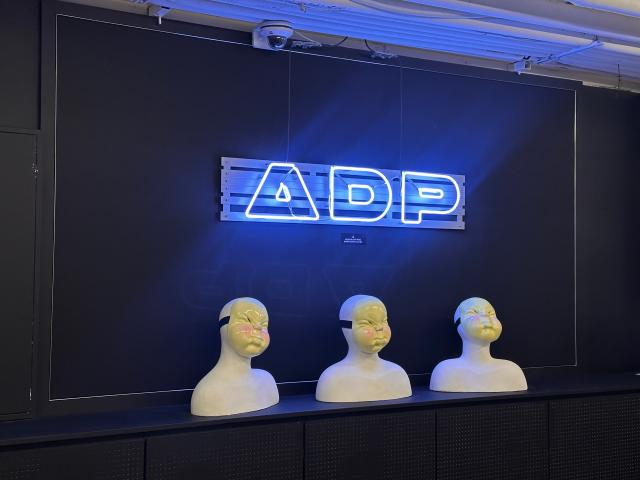
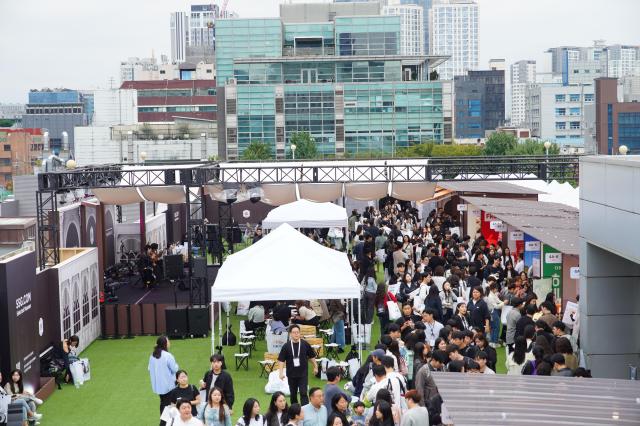
This structure — not any single brand — is Seongsu’s true engine. It allows dozens of companies to cycle through the same streets each month, continually resetting the neighborhood’s sense of what is new.
For global brands, the appeal is obvious. A pop-up in Seongsu is not merely a Korean marketing exercise; it is a content generator with international reach, capable of making a brand feel current without requiring long-term local commitment.
Inside the warehouses
Few people have witnessed Seongsu’s transformation more closely than Lee Ho Kyu, founder and chief executive of the space platform S Factory. Operating large-scale venues converted from former industrial buildings, S Factory has become one of the district’s most visible anchors.
“It didn’t happen overnight,” Lee said. “But it accelerated the moment people started using space differently.”
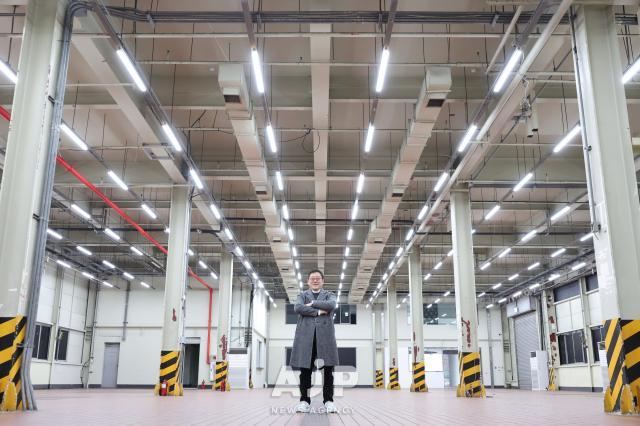
Lee, whose background spans architecture, urban design and real estate consulting, argues that Seongsu’s growth reflects a deeper shift in consumer behavior.
“People don’t visit spaces just to buy products anymore,” he said. “They come to understand a story — and to feel part of something, even briefly.”
That change, he added, reshaped how brands approached offline marketing. “Pop-ups are no longer temporary shops,” Lee said. “They’re communication tools.”
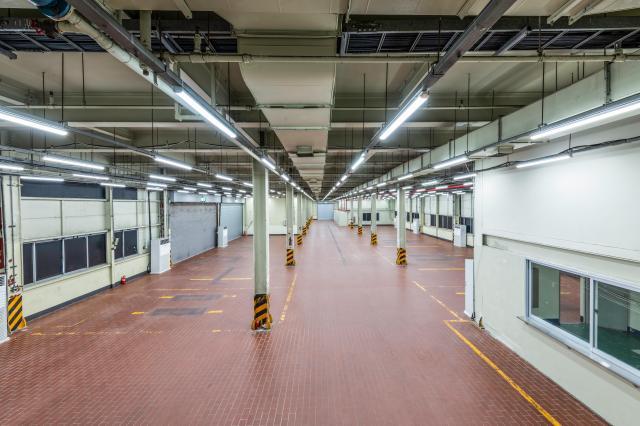
At S Factory, spaces are designed to reset quickly — sometimes within days — allowing brands to operate in extremely short cycles. In recent months, the venue has hosted a wide range of fashion, beauty and lifestyle activations targeting younger consumers. Long queues outside its brick warehouses have become one of Seongsu’s most familiar weekend images.
The sustainability question beneath the cool
Success, however, has consequences.
Seongsu’s rise has brought higher rents, heavier congestion and a growing question about sustainability — not only environmental sustainability, but civic sustainability. How many pop-ups can a neighborhood absorb before it becomes a mall without walls? How long can an “experimental” district remain experimental once it requires crowd management plans?
There is an irony at the heart of Seongsu’s appeal. Its industrial past made its reinvention possible. Buildings built to last were reused rather than demolished, their structural bones carrying a new form of commerce. Adaptive reuse, in this sense, is a kind of urban recycling.
But the pop-up economy also produces its own waste: disposable sets, packaging debris, installations designed to last just long enough for a weekend of photographs. Low-commitment retail, by nature, leaves things behind.
For now, Seongsu remains Seoul’s most experimental shopping district precisely because it is still unfinished — fluid rather than polished, provisional rather than resolved. Brands continue to come not because it is perfect, but because it feels alive.
And as long as consumers keep seeking places where commerce can pass for culture — and where a purchase can masquerade as a memory — the lines on Yeonmujang-gil are unlikely to thin anytime soon.
Seongsu, after all, is no longer just a place to shop. It is a place to be seen waiting.

Copyright ⓒ Aju Press All rights reserved.