"Not a single robot can enter the production floor without labor-management agreement," the National Metal Workers' Union Hyundai Motor Company branch said in a newsletter on Thursday. "If robots are deployed on production lines, significant employment shocks are expected."
The union raised alarms over potential job losses, citing cost comparisons between human workers and machines. "With an average annual salary of 100 million won ($69,141), operating three shifts around the clock costs about 300 million won per year, while robots only incur maintenance costs after the initial purchase," the union said.
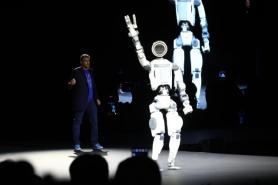
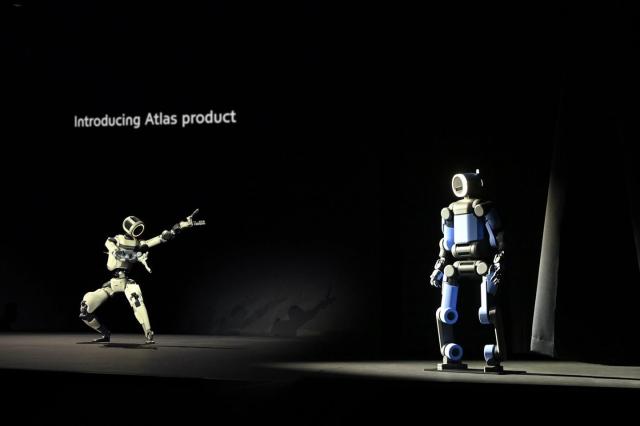
Hyundai Motor Group unveiled a production-ready version of the Atlas humanoid robot at CES 2026 earlier this month, outlining a roadmap to deploy the machines at its Metaplant facility in Georgia before expanding to factories worldwide.
The group plans to assign Atlas robots to basic tasks such as parts picking and sequencing starting in 2028, then expand their use to more complex operations including assembly, heavy-load handling and quality inspection by 2030. A dedicated robot factory is being built with annual production capacity of about 30,000 units.
The union fears that concentrating electric vehicle and robotics investments at U.S. production hubs could accelerate the transfer of high-value manufacturing processes overseas, leaving domestic plants with diminished roles and reduced workforce requirements.
Delays in robot deployment could also carry costs for Hyundai, potentially pushing back expected gains in productivity, quality control and workplace safety, while slowing the company's return on investment amid intensifying competition in the electric vehicle market.
Global rivals are already moving toward commercialization. Tesla has begun testing its Optimus humanoid at its own facilities and has signaled plans to sell the robots by late next year, while BMW is running pilot programs at its Spartanburg plant.

Copyright ⓒ Aju Press All rights reserved.