SEOUL, January 28 (AJP) - The number of registered vehicles in Seoul has been declining, while the number of electric vehicles continues to rise.
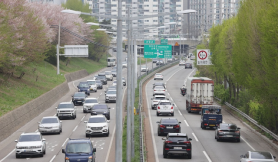
According to the Seoul Metropolitan Government, the total number of registered vehicles in the capital stood at around 3.16 million last year, down 18,335 from the previous year, making Seoul the only city to see a decline, while other cities and provincial areas saw increases. It was the third consecutive decline, following 3.18 million in 2024 and 3.19 million in 2023.
Seoul also had the fewest vehicles per resident in the country, with one vehicle for every 2.94 residents, compared with the national average of one vehicle per 1.93 residents.
The figure for the southern port city of Busan was one vehicle per 2.05 residents, Gyeonggi Province (one per 2.04), Daejeon (one per 1.93), and the administrative city of Sejong (one per 1.91).
By district, Gangnam had the most vehicles with 251,807, with the five districts in southern Seoul – Gangnam, Songpa, Gangseo, Seocho, and Gangdong – accounting for 32.94 percent of the city's total.
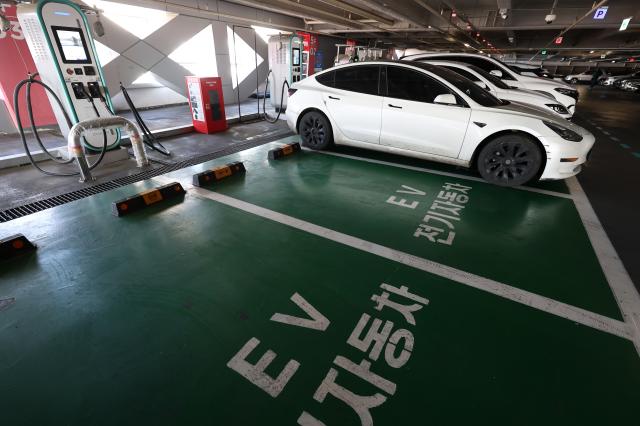
But the number of electric cars and other eco-friendly vehicles including hydrogen and hybrid cars rose by 74,429 to 424,568, with the cumulative number of EVs surpassing 100,000. Hybrids made up 75.32 percent of eco-friendly vehicles, followed by electric cars at 23.87 percent and hydrogen cars at 0.81 percent.
The number of motorists with imported vehicles continued to rise, accounting for 22.58 percent of all registered vehicles, or 713,108, meaning that a quarter of vehicles on Seoul streets are from foreign brands.
Male motorists accounted for 63.19 percent and women 36.81 percent. Registrations by men have been declining since 2023, while women's have increased each year.
According to the Seoul Metropolitan Government, the total number of registered vehicles in the capital stood at around 3.16 million last year, down 18,335 from the previous year, making Seoul the only city to see a decline, while other cities and provincial areas saw increases. It was the third consecutive decline, following 3.18 million in 2024 and 3.19 million in 2023.
Seoul also had the fewest vehicles per resident in the country, with one vehicle for every 2.94 residents, compared with the national average of one vehicle per 1.93 residents.
The figure for the southern port city of Busan was one vehicle per 2.05 residents, Gyeonggi Province (one per 2.04), Daejeon (one per 1.93), and the administrative city of Sejong (one per 1.91).
By district, Gangnam had the most vehicles with 251,807, with the five districts in southern Seoul – Gangnam, Songpa, Gangseo, Seocho, and Gangdong – accounting for 32.94 percent of the city's total.
But the number of electric cars and other eco-friendly vehicles including hydrogen and hybrid cars rose by 74,429 to 424,568, with the cumulative number of EVs surpassing 100,000. Hybrids made up 75.32 percent of eco-friendly vehicles, followed by electric cars at 23.87 percent and hydrogen cars at 0.81 percent.
The number of motorists with imported vehicles continued to rise, accounting for 22.58 percent of all registered vehicles, or 713,108, meaning that a quarter of vehicles on Seoul streets are from foreign brands.
Male motorists accounted for 63.19 percent and women 36.81 percent. Registrations by men have been declining since 2023, while women's have increased each year.
Copyright ⓒ Aju Press All rights reserved.