

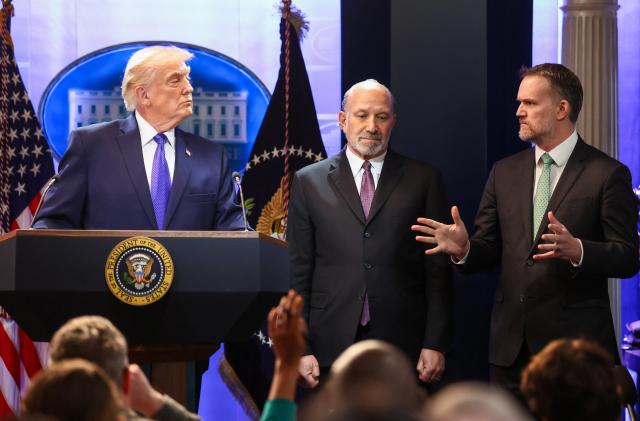
SEOUL, February 21 (AJP) - The United States plans to launch broad trade investigations that are expected to target South Korea as President Donald Trump's administration seeks to replace a tariff program recently struck down by the US Supreme Court.
US Trade Representative Jamieson Greer said in a statement on Friday (local time) that new investigations under Section 301 of the Trade Act of 1974 will likely cover most major trading partners. These probes allow the US government to impose tariffs on countries deemed to have "unfair" or "discriminatory" trade practices.
The move comes immediately after the US Supreme Court ruled on Friday that the administration did not have the legal authority to impose its previous "reciprocal" tariffs under emergency powers. While Trump signed a new 10 percent global surcharge to replace them, that specific authority—known as Section 122—is limited by law to a maximum of 150 days.
By launching Section 301 investigations, the White House aims to establish a more permanent legal basis for higher tariffs. South Korea is considered a primary target because it ran a 56.4 billion dollar trade surplus with the United States in 2025, the 11th largest among US trading partners.
In South Korea, officials are concerned the US may use local digital regulations as a justification for new duties. The Trump administration has previously criticized the South Korean National Assembly for proposing laws aimed at regulating online platforms and curbing misinformation, claiming they unfairly target US tech giants. Other long-standing disputes, such as network usage fees and the export of high-precision map data, could also be cited in the US investigation.
The trade representative noted that the upcoming probes would cover various areas, including "industrial overcapacity, forced labor, pharmaceutical pricing, and discrimination against US digital firms."
For South Korea, the new legal strategy creates a significant diplomatic burden. Under a trade deal reached last year, Seoul had already agreed to a 15 percent tariff rate in exchange for investment promises. If the new investigations proceed, South Korea could face even higher duties or be forced into a new round of difficult negotiations to maintain its current market access.
While Section 301 investigations typically take up to one year to complete, Greer indicated the administration intends to move much faster. Trade experts suggest the White House wants the new tariff framework ready before the 150-day temporary surcharge expires in late July.
The South Korean government is currently analyzing the potential scope of the US investigations. Officials in Seoul have stated they will seek to protect national interests while monitoring how the US administration balances these new legal tools with existing trade agreements.
Copyright ⓒ Aju Press All rights reserved.
