

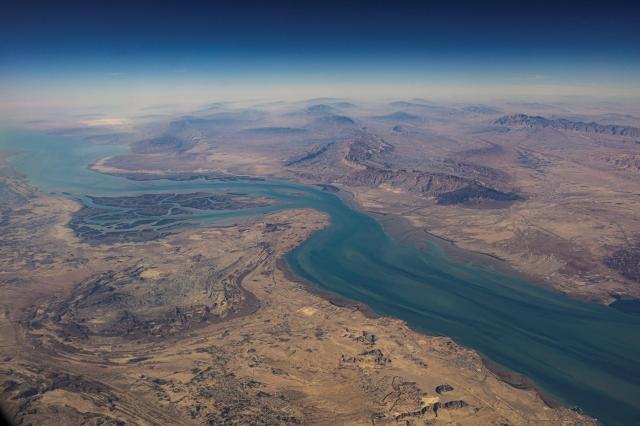
Industry officials said Monday that rising geopolitical risks around the Strait of Hormuz — a key global energy corridor — and the Red Sea, a major logistics route, are adding uncertainty across the economy.
The Strait of Hormuz carries about 20% of globally traded oil, 70% of South Korea’s imported crude and 20% of its imported liquefied natural gas. The route is used mainly by oil tankers rather than container ships, but heightened tensions could also destabilize nearby Red Sea lanes, likely pushing up overall ocean freight rates. Extra costs incurred as tankers transit the strait despite risks or wait offshore are expected to add upward pressure on oil prices.
Refiners have not set up a separate task force, but have begun internal risk checks and are preparing responses. A sharp rise in crude prices can bring short-term inventory valuation gains, but if import costs climb quickly, refining margins are likely to narrow. A refining industry official said the strait has not reached a stage where a blockade is taking shape, and companies are closely watching Middle East developments, longer-term oil price trends and potential effects on crude imports.
The government and refiners say they have about seven months of strategic stockpiles, limiting near-term supply concerns. If the situation drags on, however, disruptions to crude procurement could combine with higher insurance premiums and freight costs to raise the burden. Global analysis firms have also issued pessimistic forecasts that oil could reach $100 a barrel if Iran actually blocks the strait.
Shipping companies are watching whether the downturn in the sector could pause if detours become necessary. They expect the Shanghai Containerized Freight Index, which has been falling, could rebound, with ocean freight rates rising as much as 50% to 80% and offsetting weak conditions. In the tanker market, some forecasts say daily rates for very large crude carriers on Middle East-Asia routes could top $200,000 as the situation overlaps with rising global LNG demand.
Still, the Iran strikes are seen as effectively ending hopes that HMM would return to the Suez route in the second half of this year. Over the longer term, higher fuel and insurance costs could also limit profit gains.
Petrochemical companies, already trying to survive by consolidating naphtha cracking capacity, face added strain. Higher crude prices lift naphtha prices and then feed into prices for basic petrochemicals such as ethylene. But ethylene prices have been stuck since last year due to oversupply. If feedstock costs surge while product prices remain flat, margins will shrink further, worsening profitability for petrochemical makers.
* This article has been translated by AI.
Copyright ⓒ Aju Press All rights reserved.