PHOTOS: Living heritage and neon dreams - The parallel shopping worlds of Astana
by Park Sae-jinPosted : March 16, 2026, 02:51Updated : March 16, 2026, 03:05
Share
facebook
twitter
URL
Text size
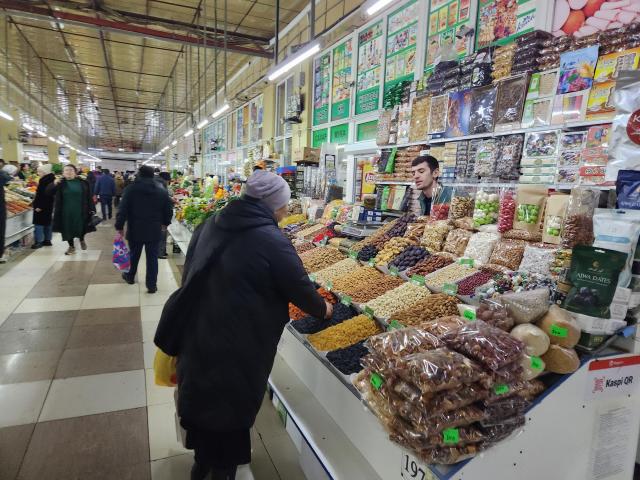
A local resident examines dried nuts and fruits at the Artyom Market in the old quarter of Astana on March 12. AJP Park Sae-jin
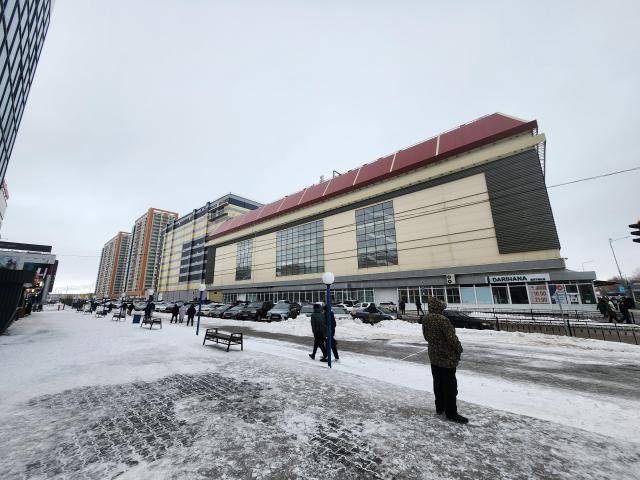
The exterior of the Artyom Market in the old quarter of Astana on March 12. AJP Park Sae-jin
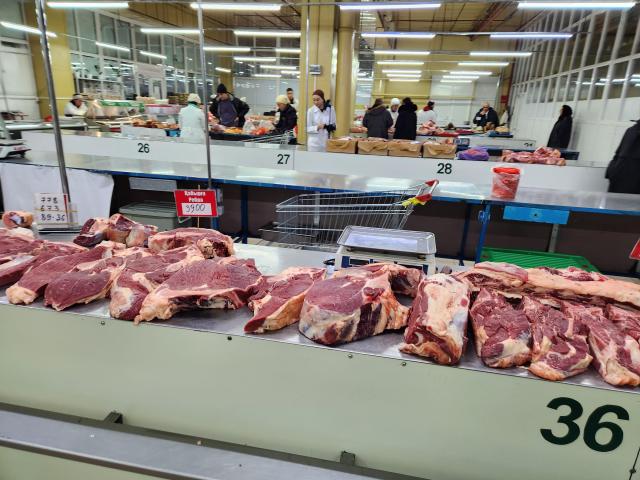
ASTANA, March 15 (AJP) -A thirty-minute taxi ride from the hotel leads to the Artyom Market in the older district of Astana. It is a personal routine to visit the traditional markets of any new city to see how people actually live without the filter of tourist attractions. The ground floor of this multi-story building is a dense world of its own, smelling of fresh dough, raw honey, and cold-stored meat. It feels like a space that has aged alongside the city, retaining a certain grit that the newer districts lack.
Meat is displayed at a store inside Artyom Market in the old quarter of Astana on March 12. AJP Park Sae-jin
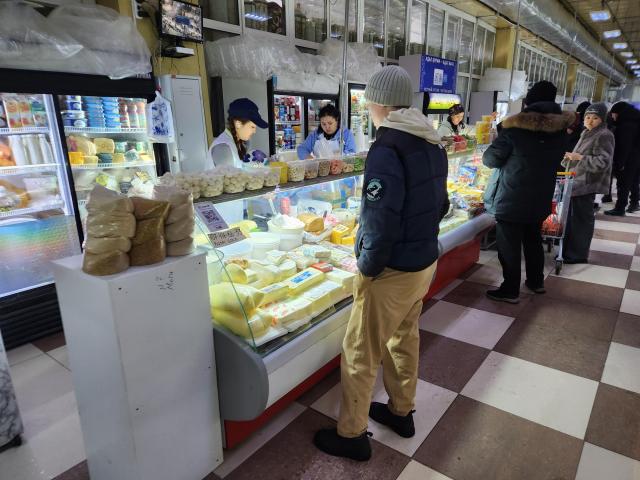
Shoppers buy dairy products at the Artyom Market in the old quarter of Astana on March 12, AJP Park Sae-jin
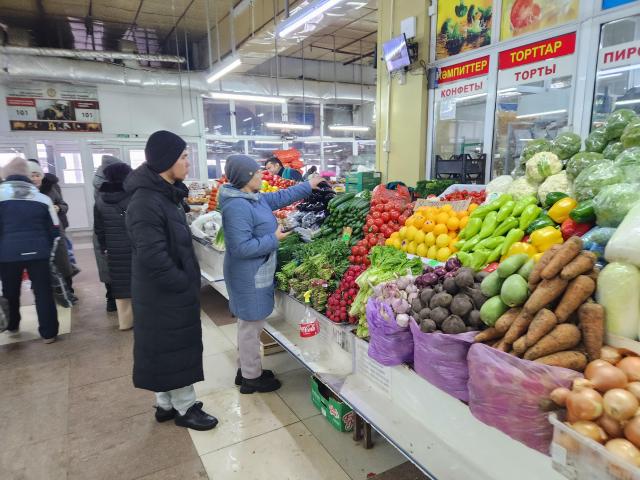
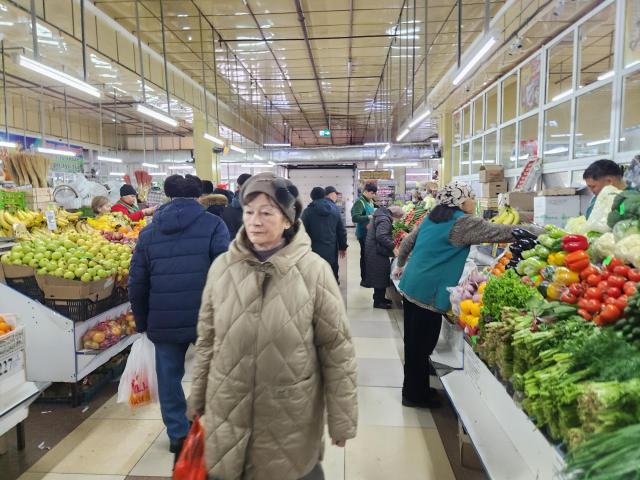
Outside, the temperature hovered at minus 15 degrees with snow falling steadily outside the Soviet-era style building on March 12. Yet inside the market stalls, the sight of vibrant watermelons and peaches offered a startling contrast to the white winter. These colors were especially bright as grandmothers and mothers hurried between vendors to prepare for the evening meals of the Ramadan season. In this part of the world, the holy month is observed with a relaxed cultural grace where life in the markets continues with a steady, quiet energy.
A female shopper examines fresh vegetables at the Artyom Market in the old quarter of Astana on March 12, AJP Park Sae-jin
Shoppers busily move through aisles between stalls at the Artyom Market in the old quarter of Astana on March 12, AJP Park Sae-jin
The dairy section stood out as a highlight, featuring heaps of fresh butter and artisanal cheeses that are rarely seen in such abundance elsewhere. Sellers often leaned across their counters with a quick smile or a nod, offering a sense of warmth that made the foreign setting feel unexpectedly familiar. Even without the ability to speak the local language, the simple exchange of goods felt like a genuine connection to the heart of the community. It is the kind of place where the history of the city is told through the hands of the people who have lived there for decades.
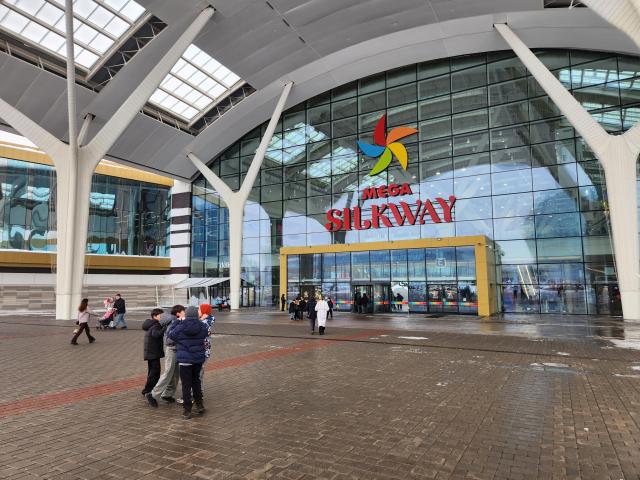
The main entrance of the Mega Silk Way mall in Astana's new district attracts customers on March 15. AJP Park Sae-jin
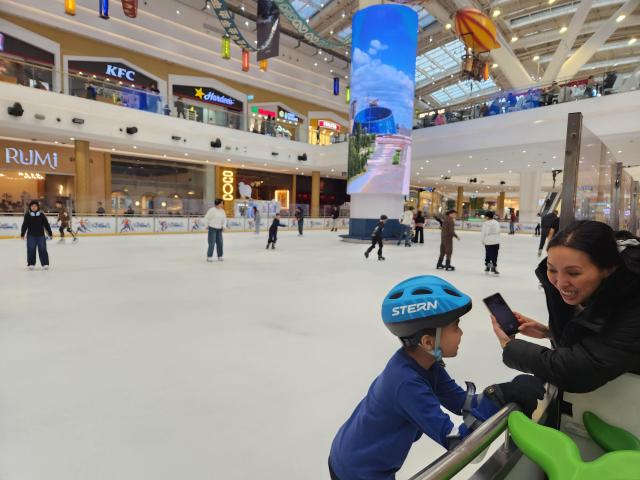
Shoppers have fun on the ice rink located inside the Mega Silk Way mall in Astana's new district on March 15. AJP Park Sae-jin
Crossing the river to the left bank on March 15 reveals the other face of the capital at the Mega Silk Way mall. This massive glass complex is currently the largest in the country and feels more like a modern indoor city than a traditional shopping center. On a Sunday evening, the hallways were packed with thousands of residents, shifting the demographic from the grandmothers of Artyom to young families and couples. The air here is filled with the sounds of children playing and the hum of a society moving at a much faster pace.
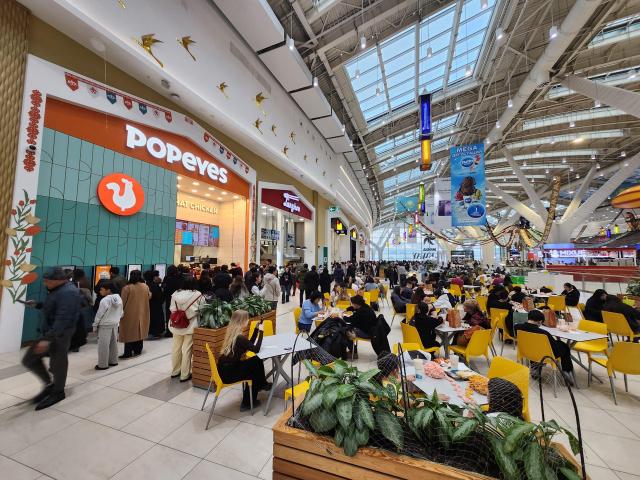
Dozens of shoppers fill the food court of the Mega Silk Way mall in Astana's new district on March 15. AJP Park Sae-jin
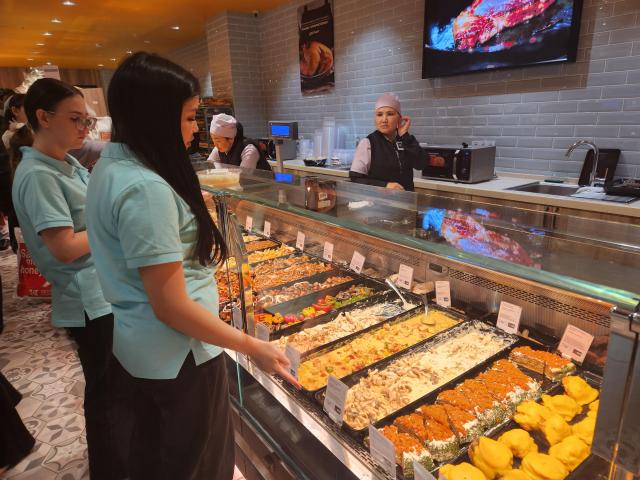
Shoppers examine various food menus and desserts at Galmart, located inside the Mega Silk Way mall in Astana's new district on March 15. AJP Park Sae-jin
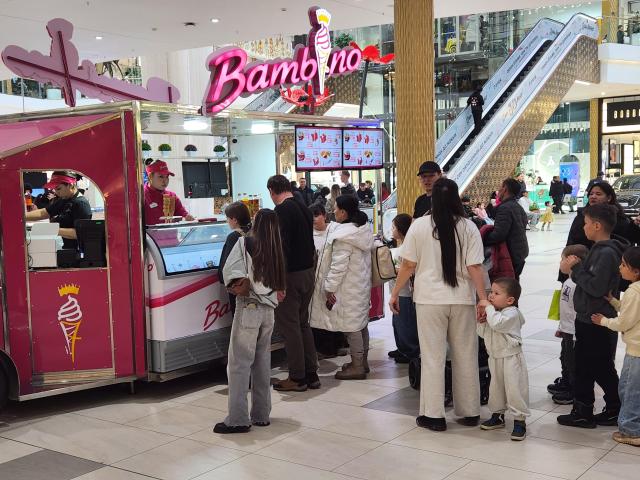
People stand in a long line to buy ice cream from a stall located inside the Mega Silk Way mall in Astana's new district on March 15. AJP Park Sae-jin
At the Galmart supermarket inside the mall, the transition to a more global lifestyle becomes even more apparent. While the prices are roughly 10 to 15 percent higher than the old town markets, the convenience of ready-made meals like plov and manti draws in a steady crowd. The bright lighting and sleek displays of imported chocolates and deli meats reflect the aspirations of a growing middle class. It is a space where the ritual of shopping has evolved from a necessity into a form of modern entertainment.