Korean Drugmakers Diversify Into New Businesses to Offset Price Cuts, Supply Risks
by LEE HYO JUNGPosted : April 2, 2026, 10:48Updated : April 2, 2026, 10:48
Share
facebook
twitter
URL
Text size
[Photo by Yonhap]
South Korea’s pharmaceutical and biotech industry is accelerating diversification as a survival strategy amid drug price cuts and global supply-chain uncertainty tied to Middle East tensions. Companies are widening their portfolios beyond medicines, from health supplements and animal drugs to solar power and even car-wash operations.
Industry officials said April 1 that several established drugmakers are adding new business purposes at shareholder meetings this season, positioning the moves as a way to find growth as price cuts make limits in the traditional drug business more apparent.
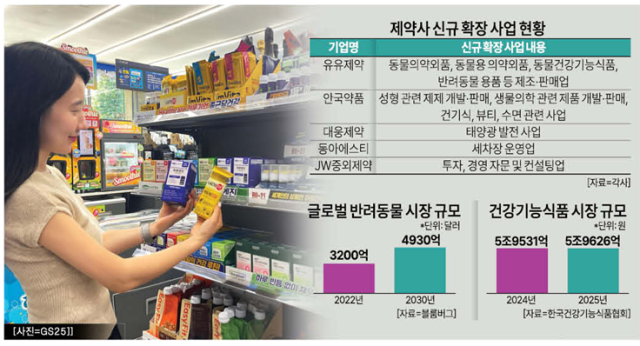
Yuyu Pharma recently amended its articles of incorporation to add the manufacturing and sale of “animal quasi-drugs, quasi-drugs and health functional foods.”
Animal medicines are seen as a potential steady earner as pet ownership rises and entry barriers are relatively low. The global pet market is projected to grow from $320 billion in 2022 to $493 billion in 2030, the report said.
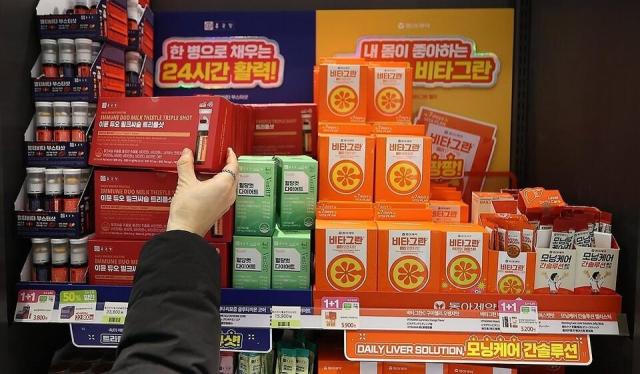
Health functional foods are also a key target. Despite intense competition, the domestic market reached 5.9626 trillion won last year, making it attractive for drugmakers seeking a stable cash generator outside direct drug-pricing regulation. Many companies have already entered with products such as probiotics and collagen, drawn by higher margins, the report said.
Expansion into beauty and medical devices is also gaining attention. Anguk Pharm added “development and sales of plastic surgery-related formulations” and “development and sales of biomedical-related products” to its corporate purposes, aiming to strengthen its health care portfolio by tapping growing demand for cosmetic dermatology in an aging society. After acquiring health care company Dmedicorea, Anguk has broadened beyond prescription drugs into supplements, beauty and sleep-related businesses.
A frequently cited success story is Dongkook Pharmaceutical’s cosmetics brand Centellian24, which built recognition by applying the concept of ingredients used in its wound treatment Madecassol to skincare products. Some forecasts say the company could join the ranks of firms with 1 trillion won in annual sales on the back of growth in its health care business.
Some companies are moving into businesses far removed from their core. Daewoong Pharmaceutical added a “solar power generation business” through its annual shareholder meeting, a step the report linked to ESG management. The company is expected to pursue rooftop solar installations at factories to generate power and cut energy costs. With raw material prices rising amid Middle East instability, solar power is also expected to help reduce costs over the long term, the report said.
Dong-A ST newly listed “car-wash operation” as a business, describing it as part of ESG efforts alongside employment for people with disabilities. JW Pharmaceutical added “investment, management advisory and consulting,” a move seen as aimed at strengthening investment and management support functions across affiliates.
Still, some in the industry warn that new ventures could dilute drugmakers’ core capabilities in pharmaceutical research and development and sales. “The key question is whether these new businesses will connect to existing strengths and translate into real profitability, or whether they will reduce room for R&D investment,” one industry official said.