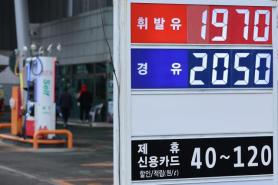
SEOUL, April 3 (AJP) — South Korea will waive customs duties on extraordinary freight cost increases for imports from the Middle East, as the crippling of the Strait of Hormuz threatens to spill into domestic prices and broader inflation.
The emergency measure, announced Friday by the Ministry of Economy and Finance, allows companies to exclude surging shipping costs incurred from longer alternative routes when calculating import duties.
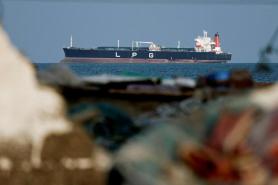
The move comes as tanker freight rates on Middle East–China routes have soared 608 percent from a year earlier, with the chokepoint effectively sealed by Iranian forces.
Customs duties are typically levied on the total value of imports, including freight. By excluding the recent spike in shipping costs, the government aims to ease the burden on importers and contain pass-through inflation.
“U-turn cargo” — shipments originally destined for the Middle East but forced to return — will face minimal inspections, while key imports such as energy and raw materials will be granted pre-arrival clearance to ensure immediate domestic supply upon arrival.
Administrative procedures for supply-sensitive items will also be streamlined.
For raw materials used in paint and polyethylene (PE) resin, firms will be allowed to submit testing plans in place of full toxicity data, cutting approval timelines from more than three months to a fraction of that period.
In the pharmaceutical and medical device sectors, a fast-track review system will prioritize essential items such as IV solutions, sanitary pads and injection needles. On-site Good Manufacturing Practice (GMP) inspections required for facility changes will be replaced with document-based reviews.
To preempt shortages in daily necessities, quality inspections for items such as municipal trash bags will be reduced from 10 days to one. The 100 million won ($66,000) cap on direct purchases by local governments will also be temporarily lifted.
For asphalt, where prices have climbed alongside crude oil, authorities will advise local governments to delay non-urgent road maintenance projects.
In the case of automotive urea, the government will facilitate inter-company trading and may release public stockpiles if needed. Fertilizer-grade urea supply will be stabilized through the National Agricultural Cooperative Federation (Nonghyup).
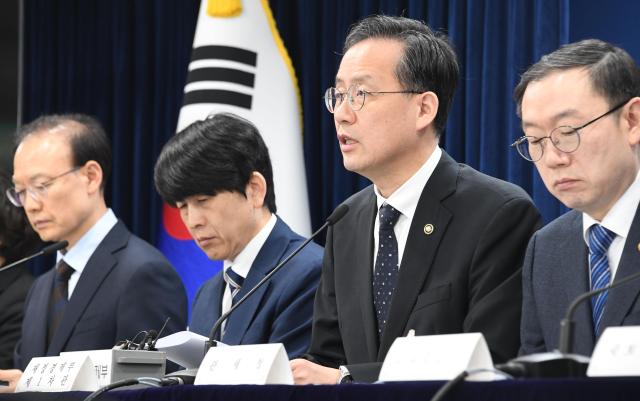
“Eight of the 13 measures will take effect immediately, with the remaining regulatory revisions to be completed within two weeks,” First Vice Finance Minister Lee Hyung-il said.
“We will maintain these temporary exemptions until the emergency subsides, while closely monitoring for potential side effects.”
Copyright ⓒ Aju Press All rights reserved.