

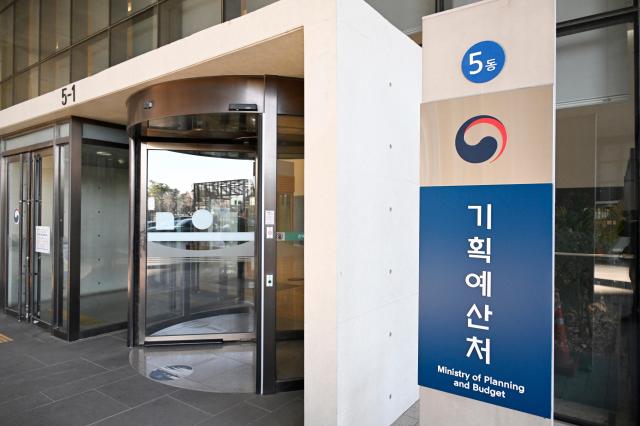
The Ministry of Planning and Budget and the Ministry of Finance and Economy on 21 held a meeting at the Government Complex Sejong to review overall conditions for drafting the 2027 budget. The session brought together bureau and division directors in charge of budget, taxation, the national treasury and macroeconomic policy to assess domestic and global economic trends and fiscal conditions and to explore directions for fiscal management in 2027 amid widening uncertainty, including the Middle East conflict.
Participants focused on how external shocks could affect trade, inflation, corporate management and household finances. They shared the view that energy shocks such as high oil prices could weigh on the economy into next year, underscoring the need for a continued fiscal role. They also agreed on the importance of sustainable, proactive fiscal policy in responding to structural issues including AI-driven industrial change, demographic shifts, regional decline, polarization and carbon neutrality.
They also reviewed revenue conditions for next year, focusing on trends in major tax bases such as corporate performance, asset markets and private consumption. With uncertainty rising, they agreed that more precise revenue forecasting is essential and said they would actively use the revenue forecasting committee established this year to maintain close communication.
To strengthen accountability and effectiveness in fiscal management, officials discussed tightening links between budget drafting and the settlement of accounts. Under the current schedule, the settlement process for the previous year is completed after September, when the government finishes drafting its budget proposal, making it difficult to reflect findings such as weak performance or poor execution in the next budget. They agreed to continue in-depth discussions on ways to strengthen feedback between settlement and budgeting, including shortening the settlement timeline so identified institutional fixes and execution problems can be systematically incorporated during budget preparation.
Participants reaffirmed the need for close coordination between the two ministries across budget, tax, treasury and macroeconomic policy. Park Chang-hwan, the budget chief review officer at the planning and budget ministry, said, "When economic uncertainty is high, revenue and spending, countercyclical responses and support for structural reform must work together, so a standing cooperation system is more important than anything else."
Going forward, the two ministries plan to frequently share their assessments of the economic outlook and revenue conditions and to maintain close coordination in major policy processes, including drafting the 2027 budget proposal and preparing the medium-term fiscal management plan.
* This article has been translated by AI.
Copyright ⓒ Aju Press All rights reserved.